 Monohull
Sail Athens area/Saronic/Peloponese.
Live fleet
Monohull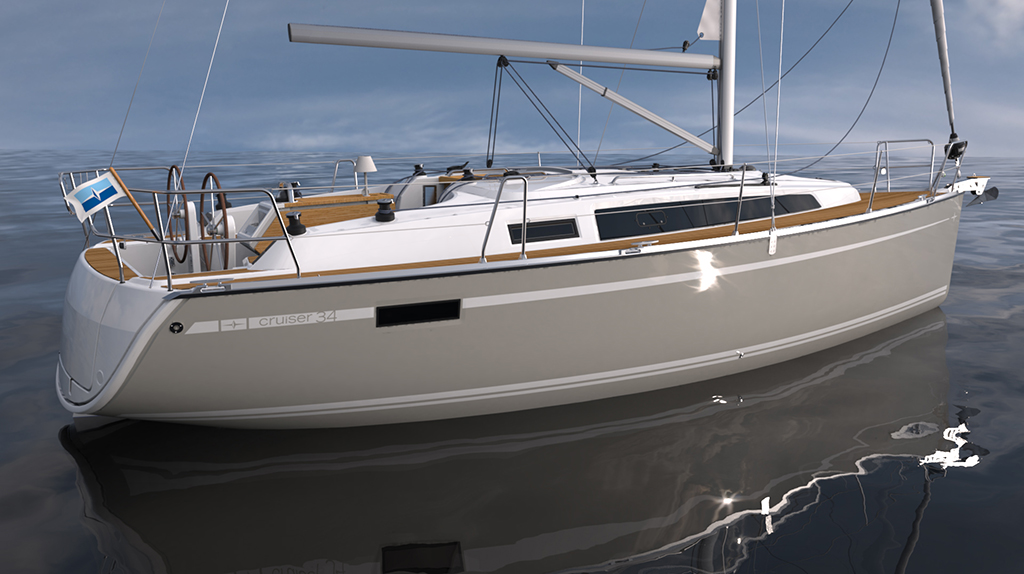 Monohull
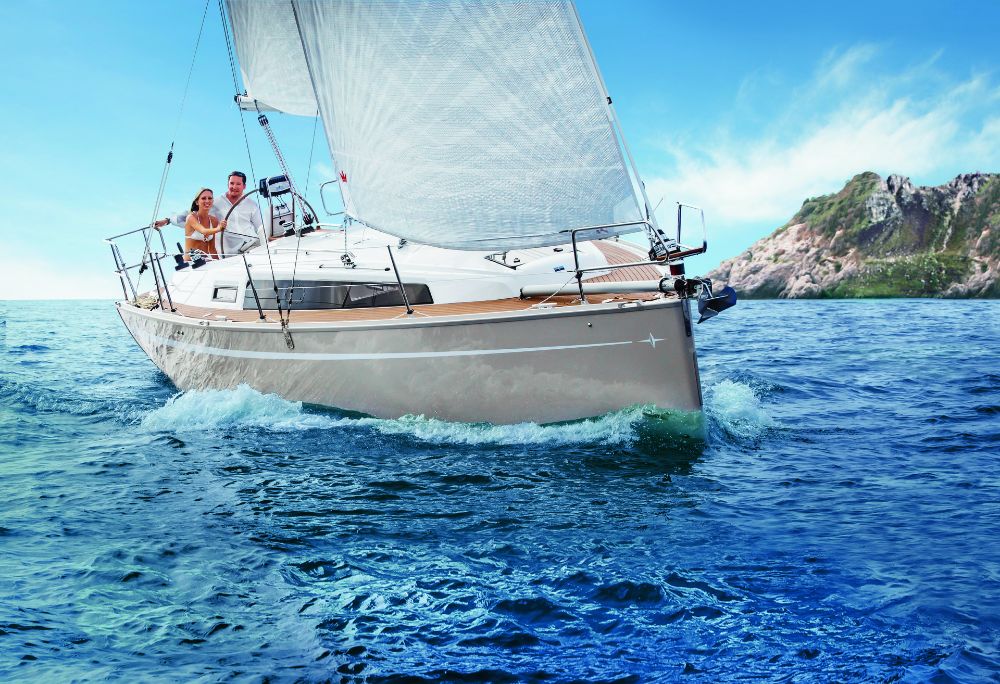 Monohull
 Monohull
 Monohull
By the cabin
Cabin cruises in Athens
Scheduled crewed cruises — book by the cabin and share the yacht with a small group.
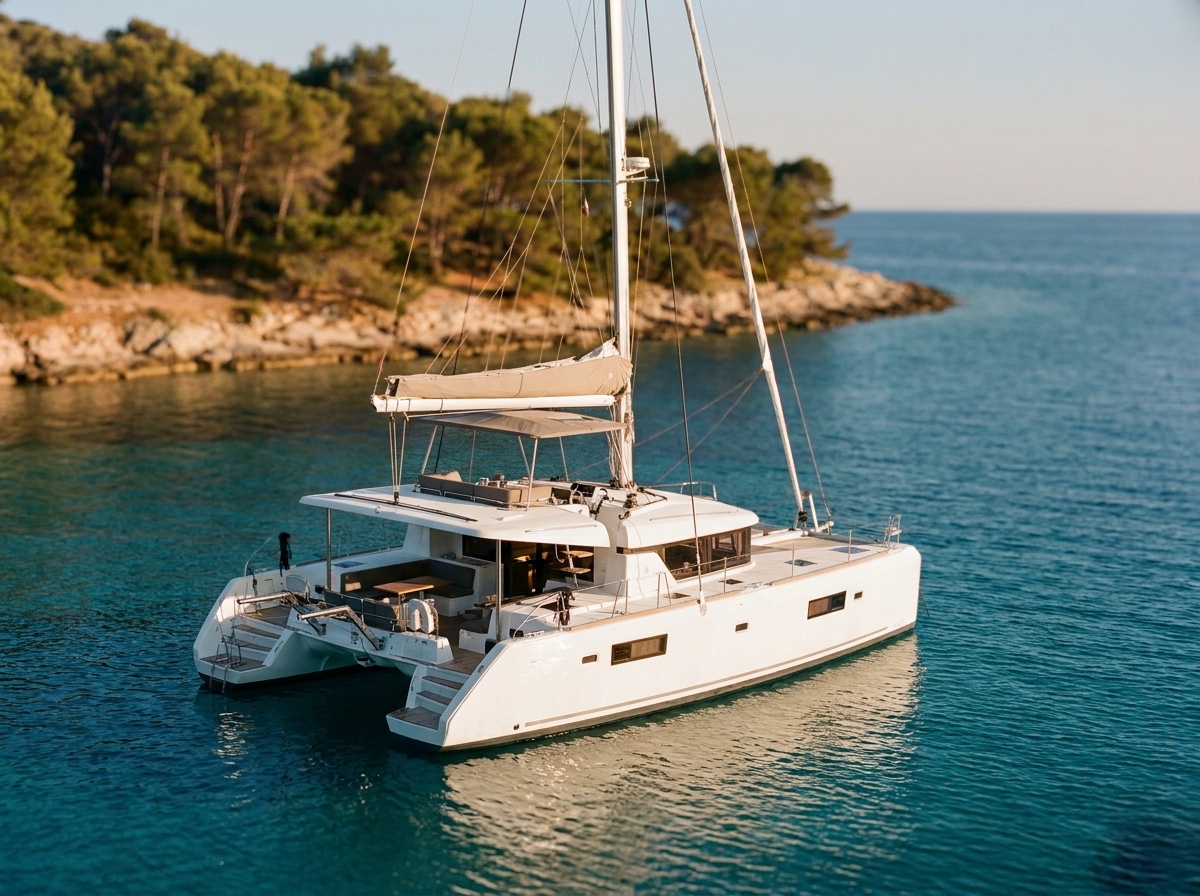
More cabin cruises
Other departures you can join, wherever you fancy sailing.
 €3,500per person
Croatia and Montenegro Cruise
Naya · crewed
Dubrovnik region, Croatia
7 days · Departs 26 Sept 2026View cabins
 €1,090per person
Modul B - Dufour 460 GL - Athi
Athi · crewed
Šibenik region, Croatia
7 days · Departs 26 Sept 2026 · 21 more datesView cabins
 €1,090per person
Modul B - Dufour 460 GL - Vellamo
Vellamo · crewed
Šibenik region, Croatia
7 days · Departs 26 Sept 2026 · 21 more datesView cabins
 €1,200per person
Sail the Aeolian Islands
Maria Louise II · crewed
Sicily, Italy
7 days · Departs 26 Sept 2026View cabins
 €5,000per person
More Package Greece
Zephyre · crewed
Ionian Islands, Greece
7 days · Departs 28 Sept 2026View cabins
 €3,000per person
Pearl of the Adriatic Cruise
Kaptan Sevket · crewed
Montenegro, Montenegro
7 days · Departs 28 Sept 2026View cabins
Athens area/Saronic/Peloponese questions
Asked and answered.
How much does a yacht charter from Athens cost?
It depends on boat size, age and season. Shoulder-season bareboat monohulls sit at the lower end; newer catamarans in August cost considerably more. On top of the base rate, budget for fuel, the end-clean, marina fees, and a refundable deposit. A skipper is a daily rate plus food. Send us your week and party size on WhatsApp and we'll give you real figures rather than a guess.
Do I need a licence to charter a yacht in Greece?
For bareboat, yes — Greek rules require at least one competent crew member with a recognised sailing licence (ICC or national equivalent), and often a second person listed as co-skipper. If you don't hold the paperwork but want to sail, take a skippered boat: you still sail the boat, and the skipper carries the legal responsibility and local knowledge.
When is the best time to sail the Saronic Gulf?
May, June, September and early October are the sweet spot: warm water, steady wind, fewer boats and lower prices. July and August are hot and crowded, and August books out early. The season runs roughly April to October. Spring and autumn give you the most comfortable sailing without the peak-summer heat and traffic.
Where do charters start — Alimos or Lavrion?
Most Saronic charters leave from Alimos marina, the largest base in Greece and a 30–40 minute taxi from Athens airport. Some fleets run from Lavrion, which is closer to the airport and better placed if you'd rather sail east to the Cyclades. For the classic Saronic loop — Aegina, Poros, Hydra, Spetses — Alimos is the natural choice.
Is the Saronic Gulf good for families and first-time charterers?
Yes. Distances are short, most legs under three hours, and the water is more sheltered than the Cyclades. The meltemi reaches the Saronic in a weaker form, so afternoons are manageable. Islands are close together with easy anchorages and tavernas on the quay. It's a comfortable place to charter for the first time, or with children who need frequent swim stops.
Bareboat or crewed — which should I choose?
Take a bareboat if you hold a valid licence and want to run the boat yourselves. Take a crewed charter if you'd rather not skipper, don't hold the paperwork, or simply want to relax — a skipper handles navigation and local knowledge while you still sail. Larger crewed boats can add a hostess or cook. Crew details on request; ask us on WhatsApp.
How windy does it get in the Saronic?
Expect Force 3–5 on a typical summer afternoon, occasionally more on exposed passages. Mornings are often calm, so early starts mean motoring. The meltemi that hammers the Cyclades reaches the Saronic weakened, and the islands give good shelter. Plan your longer legs for the afternoon breeze and you'll get proper sailing without being overpowered.
Where do the yachts in Athens area/Saronic/Peloponese sail from?
Boats sailing Athens area/Saronic/Peloponese all year — boats operate from Athens, Lavrion, Lavrion - Olympic Marine, Glyfada Marina, Yacht Club Marina Salamina, Megara and Marina Eleusis. The fleet list above is live from our operator system, so it always shows what is actually available for your dates.
Bareboat or crewed in Athens area/Saronic/Peloponese?
Both. Bareboat if someone on your crew holds a licence, crewed if you would rather a skipper did the work. Tell us your experience level and we will match you.
How do I get a quote?
Send us your dates, your group and roughly the boat you want. Same day, we reply with real options, real prices and the honest trade-offs.
Talk to an expert
Get three options.
Charter types
Charter types in Athens area/Saronic/Peloponese.
Bareboat charter
You skipper it yourself — licence required.
Crewed charter
Skipper and crew do the work — you live aboard.
Cabin charter
Book a cabin, not the whole boat.
Athens area/Saronic/Peloponese · Greece — Yacht Charter
Getting there and practical notes
Fly into Athens International (ATH). Alimos marina is 30–40 minutes by taxi from the airport; Lavrion is closer, around 20 minutes. Central Athens is worth a night either side — see the Acropolis, eat properly, then get to the boat. Provisioning is easy at Alimos with a large supermarket near the marina; stock up before you leave, as island shops are smaller and pricier.
Bring your sailing certificates and, for bareboat, at least one crew member's licence plus an ICC or equivalent where required. Water and fuel are available at the main harbours but not everywhere, so top up when you can. Message us on WhatsApp for base directions, provisioning tips, and to confirm what paperwork your boat and crew need.
Athens area/Saronic/Peloponese
01Why sail from Athens
Athens is the easiest place in Greece to start a charter. You fly into a major international airport, and within an hour you're stepping onto a boat at Alimos or Lavrion. The Saronic Gulf sits right on the doorstep: sheltered water, islands close together, and a run of harbours you can reach in a half-day sail. This is not distance sailing. It's short hops between anchorages, most under three hours, with a taverna and a cold beer waiting at the end of each one.
The grounds suit people who want to actually sail rather than motor, but who also want to swim, eat well, and sleep somewhere quiet. The Saronic is calmer than the Cyclades — you get wind, but rarely the punishing afternoon meltemi that hammers the islands further east. That makes it right for first charterers and families, and a comfortable warm-up for anyone heading on to bigger water.
02The sailing areas and harbours
Two gulfs define the region. The Saronic Gulf holds Aegina, Angistri, Poros, Hydra and Spetses — the classic one-week loop. Aegina is 90 minutes out and busy; its pistachios are worth the stop. Poros sits in a narrow channel with a town quay right under the clock tower. Hydra bans cars and motorbikes, so mules do the carrying and the harbour stays quiet after the day-trip ferries leave. Spetses marks the southern end, with a working old harbour and good tavernas.
South of Spetses the Argolic Gulf opens up: Porto Cheli, the anchorage at Dokos, and the mainland town of Nafplio with its Venetian fortress. Fewer boats come this far, so if you want space, head south early.
Most charters leave from Alimos marina, the largest base in the country, a short taxi from central Athens. Some fleets run from Lavrion, further round the coast near the airport, which puts you closer to the Cyclades if you'd rather sail east. Both work; Alimos is the natural choice for the Saronic loop.
03Season and winds
The season runs roughly April to October. May, June, September and early October are the best months: warm water, reliable wind, fewer crowds, and lower prices than the peak. July and August are hot and busy, and August is the one month we'd tell you to book early or avoid.
Wind in the Saronic is generally moderate — a sea breeze that fills in through the afternoon and dies at night. The meltemi, the strong northerly that dominates the Cyclades in summer, reaches into the Saronic in a weaker form. You'll feel it on exposed passages but the islands give plenty of shelter. Expect Force 3–5 on a normal summer afternoon, occasionally more. Mornings are often calm, so an early start means motoring; plan your longer legs for the wind.
04Charter types available
You can charter here two ways. Bareboat means you take the boat yourself — you need a valid sailing licence and someone aboard competent to skipper. Monohulls dominate the fleet, from around 35ft up to 50ft-plus, with catamarans available for those who want space and shallow draft. Crewed charters come with a skipper, and often a hostess or cook on the larger boats, if you'd rather not run the boat yourselves or don't hold a licence.
If you have some sailing experience but not the paperwork, a skippered boat for the week is the usual answer — you still sail, the skipper handles the legal responsibility and local knowledge. Crew details on request.
05Realistic costs
Charter cost depends on boat size, age and season. A mid-size bareboat monohull in the shoulder season sits at the lower end; a newer catamaran in August sits well above it. As a rough guide, a week's bareboat charter ranges widely, and crewed charters add the skipper's fee on top. Rather than quote figures we can't stand behind for your dates, ask us on WhatsApp with your week and party size and we'll give you real numbers.
Budget separately for fuel (you pay for what you burn), the end-of-charter clean, marina fees along the way, and a security deposit held against the boat. A skipper, if you take one, is a daily rate plus their food. Price on request for specific boats and dates.
06A sample week
Day 1 — Board at Alimos in the afternoon, provision, sleep aboard in the marina. Day 2 — Sail to Aegina, 3 hours; anchor off, walk to the pistachio stalls, dinner in town. Day 3 — On to Poros through the channel; town quay under the clock tower, swim on the way. Day 4 — Hydra, 3 hours; no cars, quiet after the ferries go, good walking. Day 5 — Ermioni or Dokos for a quiet night at anchor and a proper swim stop. Day 6 — Spetses, the old harbour and its tavernas. Day 7 — Long leg back north, or break it at Poros again. Day 8 — Return to Alimos by 09:00.
That's an unhurried loop with short days and time to swim. Push south to Nafplio and you'll trade a couple of the easier islands for more sailing and fewer boats.
Athens area/Saronic/Peloponese · Greece
Top 10 things to do in Athens area/Saronic/Peloponese
The ten stops worth planning a charter week around — ranked.
Hydra
The marquee harbour of the Saronic ring: stone captains’ mansions rising in an amphitheatre around a marble-edged quay, and not a car on the island. Berth early — the port fills by afternoon — or drop anchor at Mandraki next door and arrive by tender for the evening promenade.
Poros
The approach is the reward: a narrow, house-lined channel between the island and the Peloponnese, ending under the clock tower on the hill. Moor on the town quay for tavernas and bars, with pine-backed coves like Love Bay and Russian Bay minutes away for a morning swim.
Spetses
Polished and car-free, its old harbour at Baltiza still building wooden caïques between the visiting yachts. Anchor in the creek or off the pine-fringed west-coast beaches, then let a horse-drawn carriage clatter you along the Dapia’s cannon-lined waterfront.
Aegina & Perdika
The classic first night of the ring, an easy afternoon’s sail from Alimos. Give the busy main town a miss and make for Perdika, a whitewashed fishing harbour on the southern tip, with the Doric Temple of Aphaia standing on its pine ridge above the island’s east coast.
Epidavros & the Sunken City
Palaia Epidavros pairs an all-round sheltered bay with two set pieces: the great ancient theatre in the hills above, still staging summer performances, and a sunken city in the shallows off Kalymnios beach that you can snorkel straight from the tender.
Ermioni
A working mainland town on a green peninsula, with quays on both flanks — the sailor’s fallback when Hydra’s harbour is full, and a destination in its own right for the seafood tavernas along its southern waterfront. Quiet anchorages line the coast on either side.
Moni Islet
An uninhabited pine-covered nature reserve a few cables off Perdika, with some of the clearest water in the gulf. The lunch stop of the ring: anchor over sand, snorkel the shallows, and cross the strait to Aegina for the night.
Agistri & Aponissos Bay
The greenest and least developed island of the ring, one easy hop from Aegina. Aponissos, tucked behind islets on the south-west corner, is the swim stop everyone remembers — turquoise shallows and pines right down to the waterline.
Dokos
A bare, uninhabited ridge between Hydra and the mainland, curled around the wide bay of Skindos — the Saronic’s best wild anchorage. Nothing ashore, everything at anchor: good holding, still water and the darkest sky of the week.
Methana
A volcanic peninsula welded to the Peloponnese, its harbour mouth flanked by free hot sulphur springs. Tie up in the sleepy main port or round to Vathi, a pocket fishing harbour under the basalt slopes, for a slow last evening before the run home.