 Monohull
Sail Schleswig-Holstein.
Live fleet
Monohull Monohull
 Monohull
 Monohull
 Monohull
 Monohull
 Monohull
 Monohull
 Monohull
 Monohull
 Monohull
 Monohull
 Monohull
 Monohull
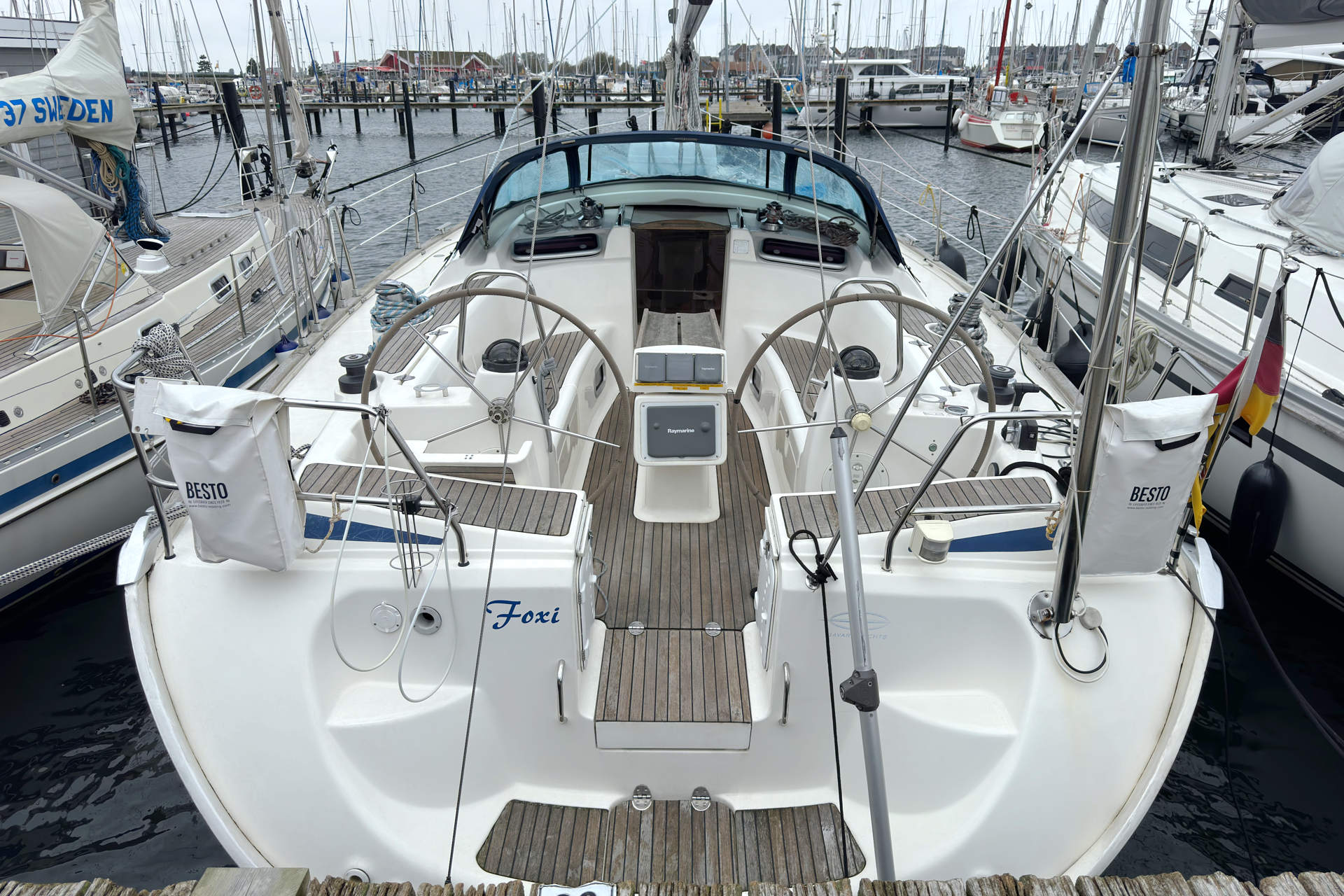
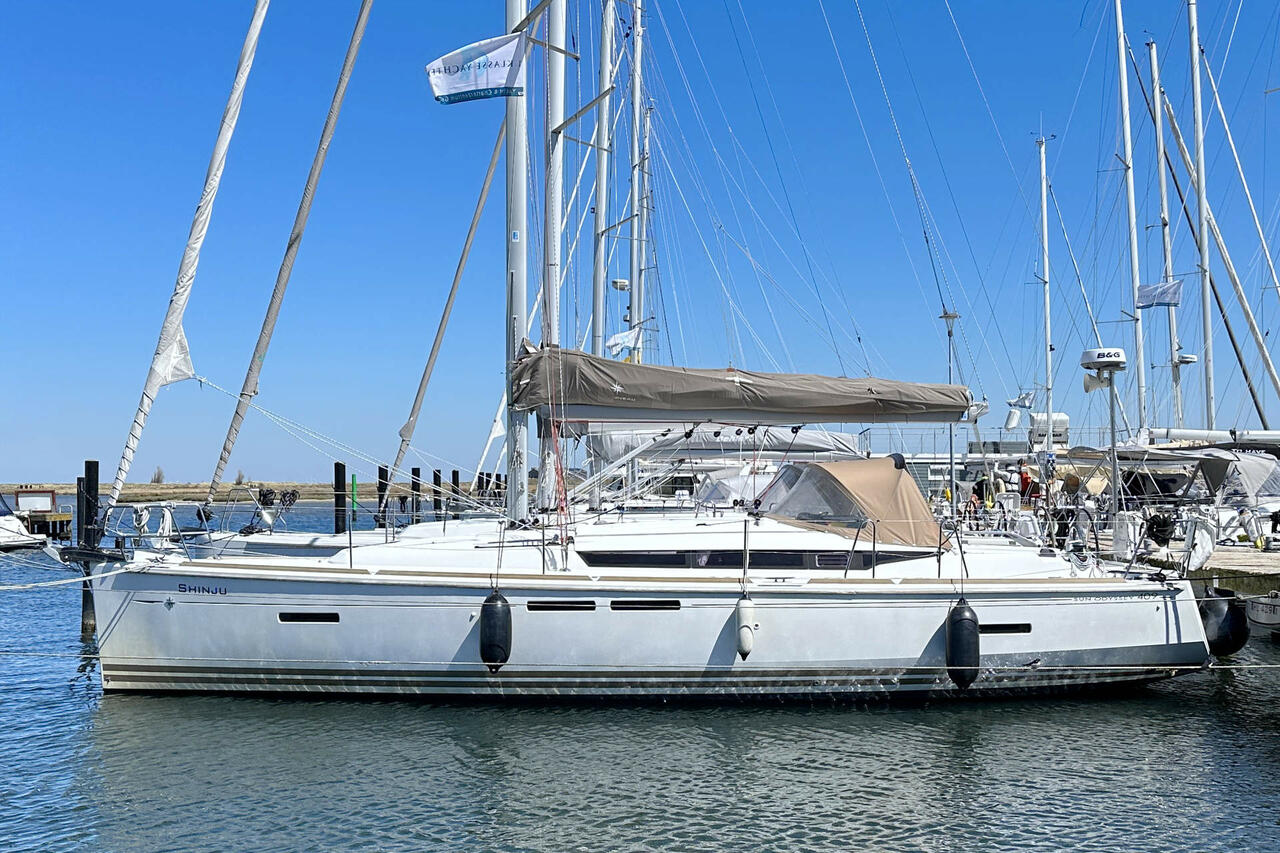
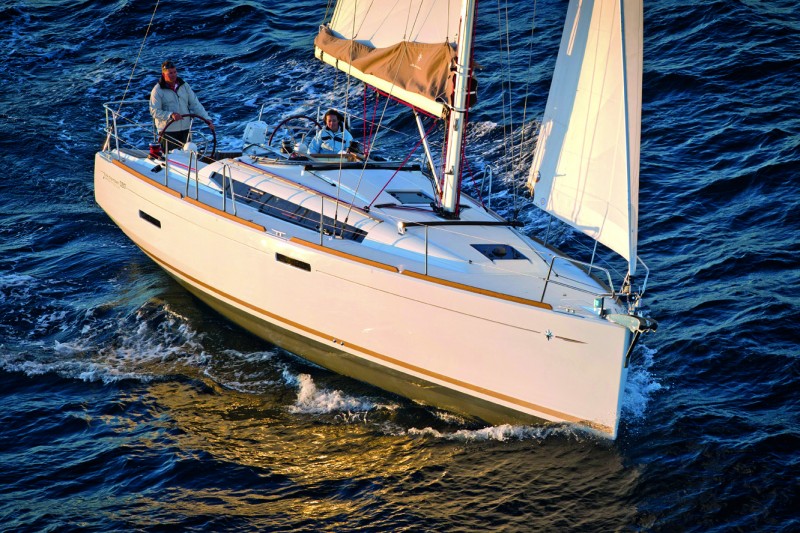
Baltic Sun
Sun Odyssey 43 · 2004Marina Flensburg Sonwik, Germany
8 guests4 cabins13 m
€1,748 / week
+ Compare Monohull
 Monohull
 Monohull
 Monohull
 Monohull
 Monohull
 MonohullMonohullMonohull
 Monohull
 Monohull
 Monohull
 Monohull
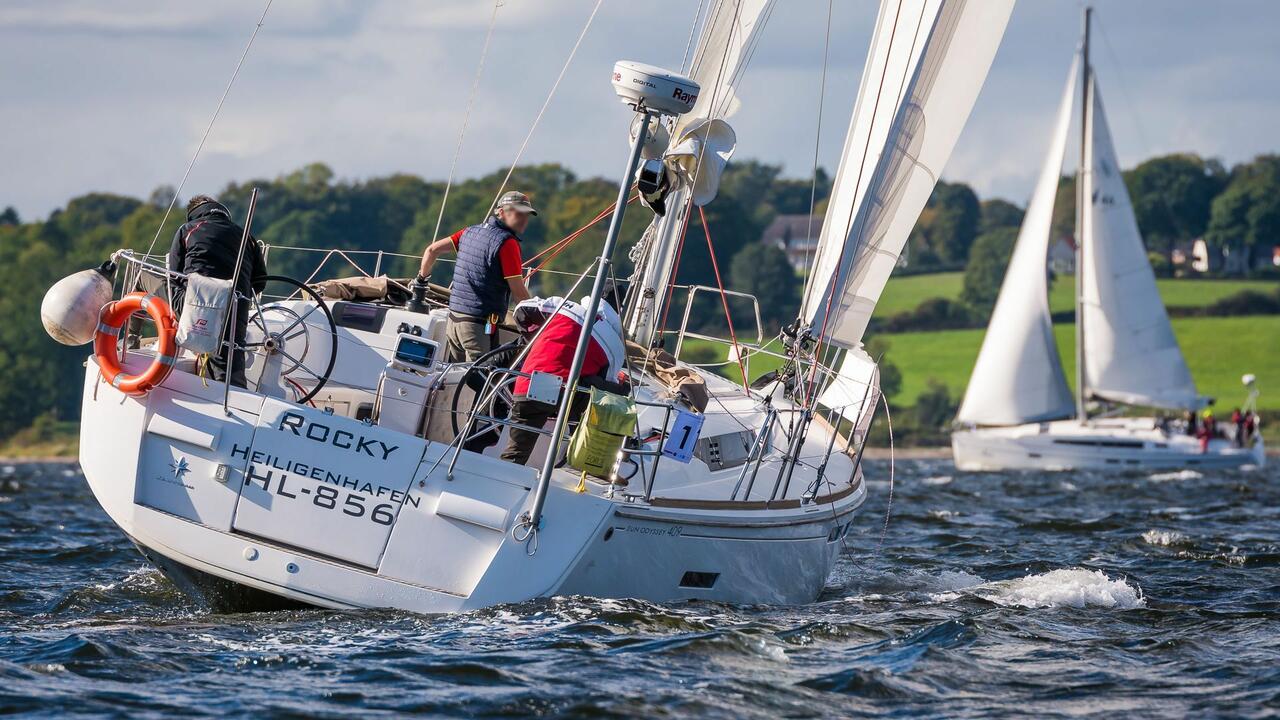
White Horse
Oceanis 37 · 2010Marina Flensburg Sonwik, Germany
6 guests3 cabins12 m
€1,548 / week
+ Compare Monohull
 Monohull
 Monohull
 Monohull
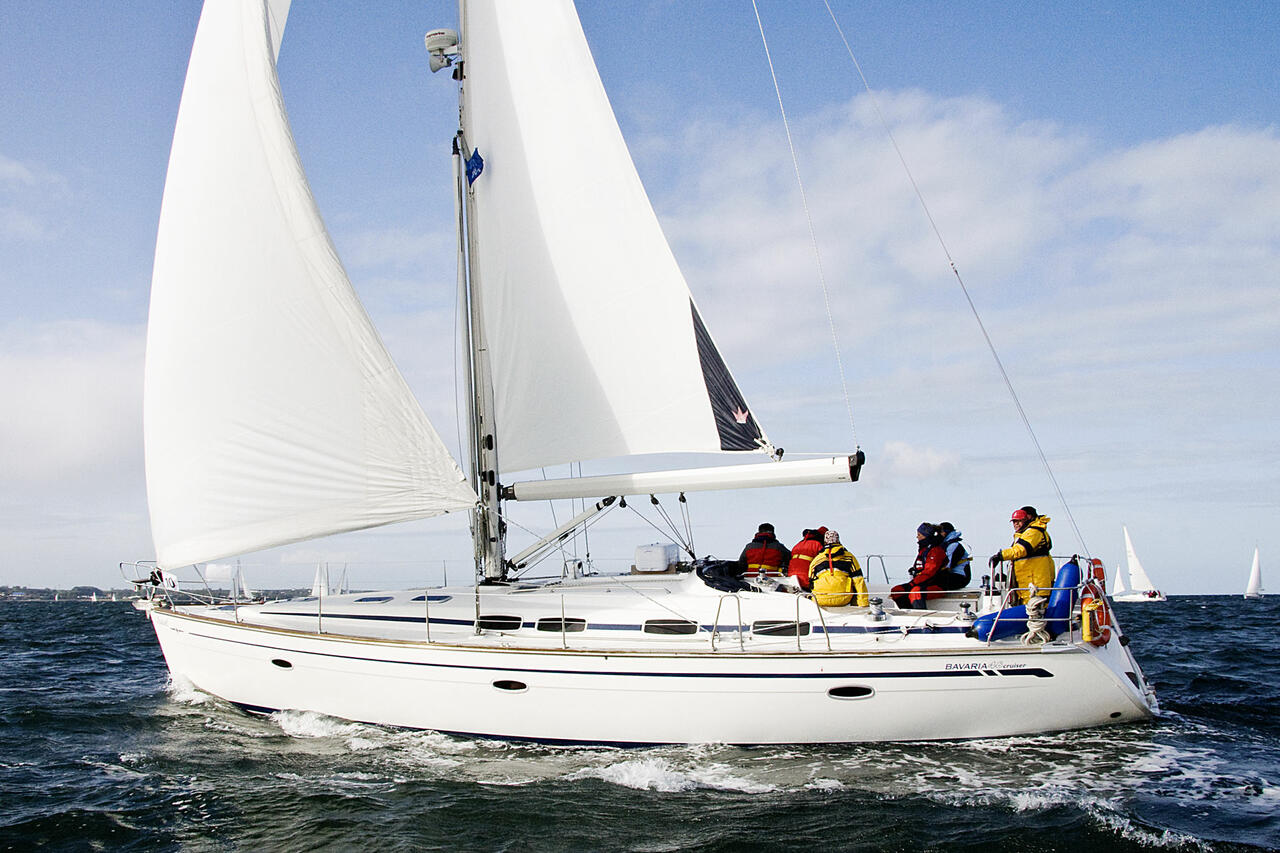
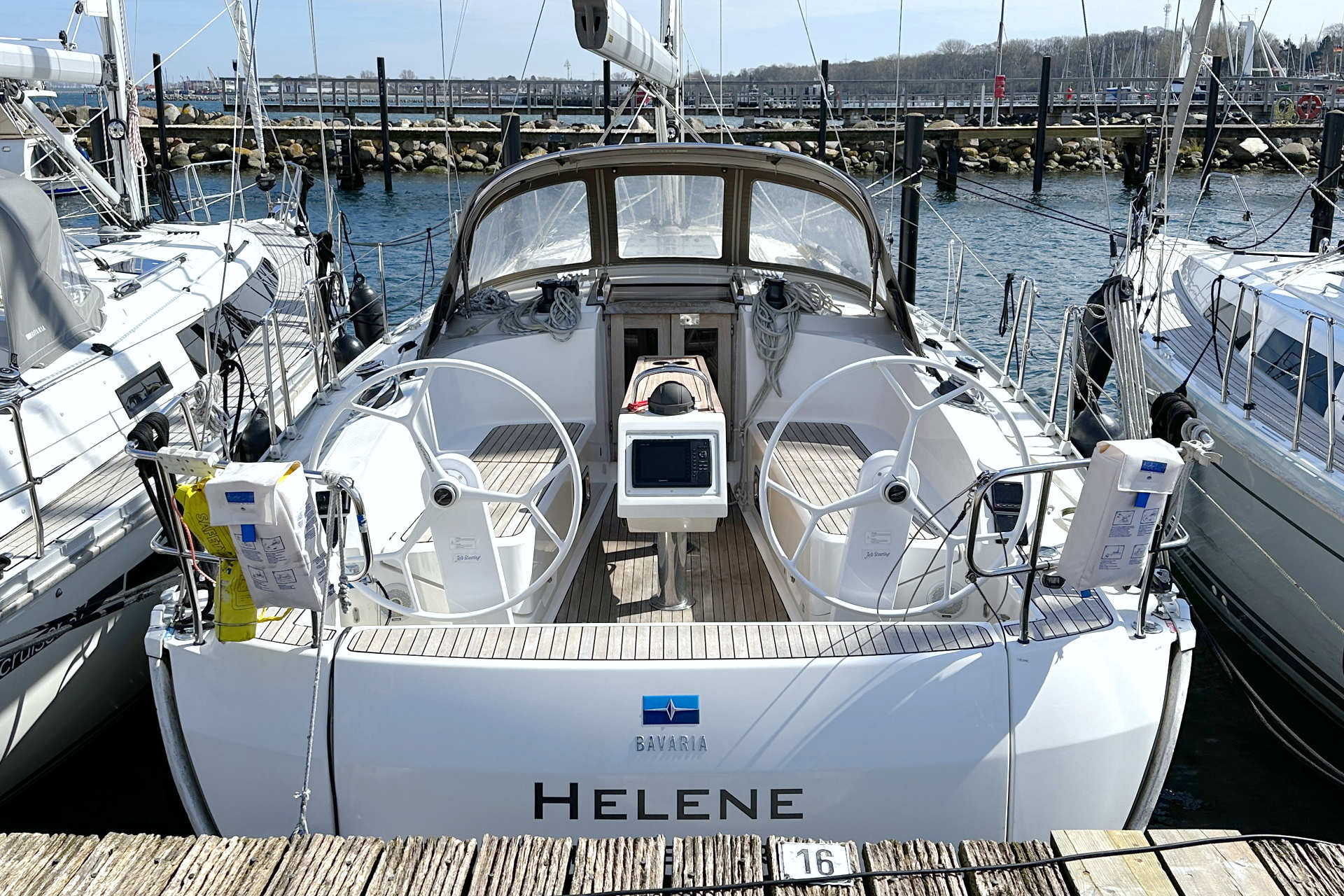
Finny Ocean
Bavaria Cruiser 37 - 3 cab. · 2016Heiligenhafen, Germany
6 guests3 cabins11 m
€1,548 / week
+ Compare Monohull
 Monohull
 Monohull
 Monohull
 Monohull
 Monohull
 Monohull
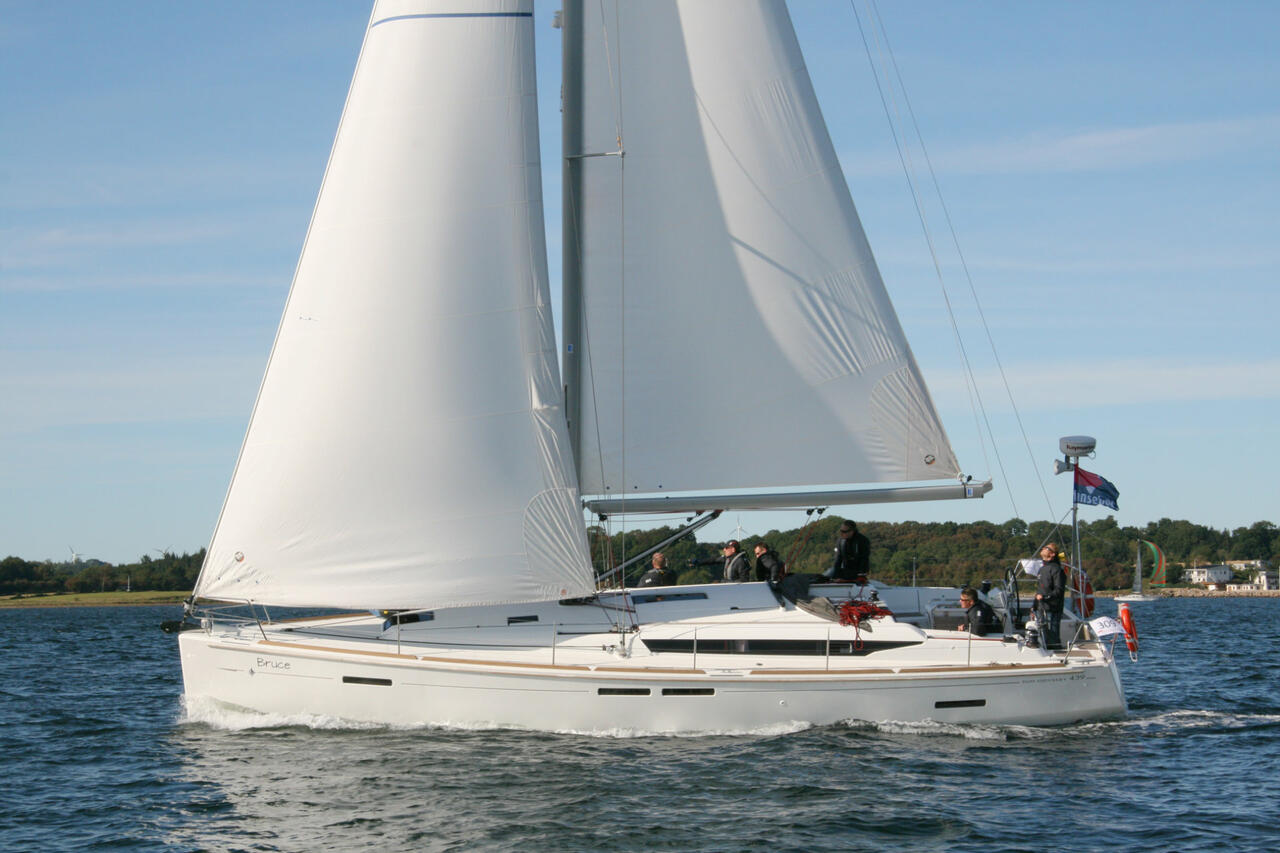
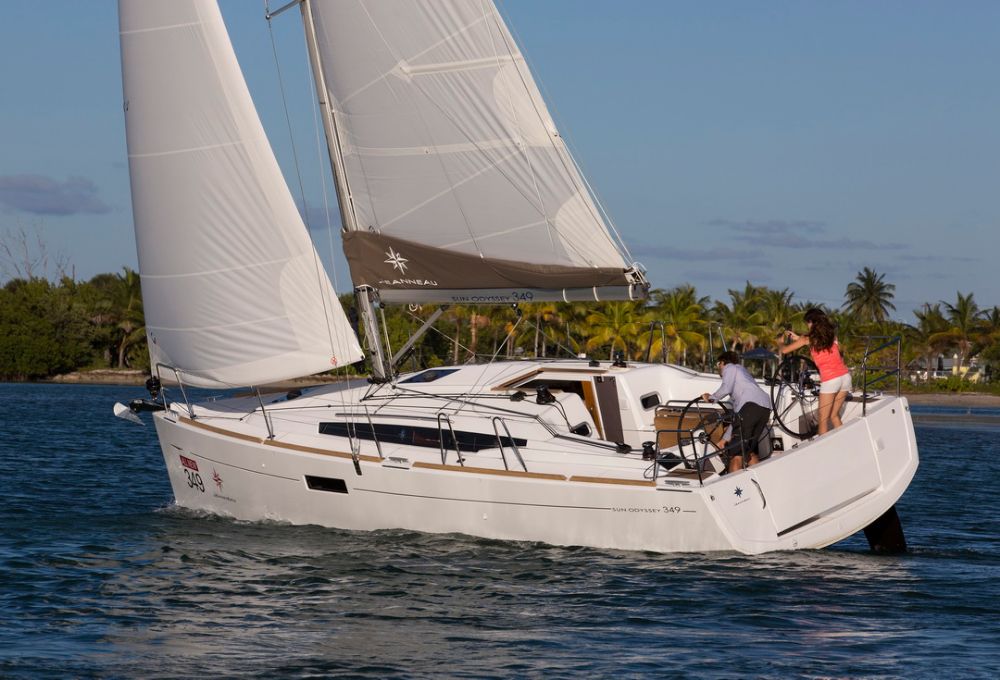
Insula Solis
Sun Odyssey 349 - 3 cab. · 2018Heiligenhafen, Germany
6 guests3 cabins10 m
€1,348 / week
+ CompareMonohullMonohull Monohull
 Monohull
 Monohull
 Monohull
 Monohull
 Monohull
 Monohull
 Monohull
Schleswig-Holstein questions
Asked and answered.
What licence do I need to charter a yacht in Schleswig-Holstein?
For a bareboat charter you need a recognised sailing qualification. In German waters most bases accept the ICC (International Certificate of Competence) or the German SBF/SKS, plus a short-range radio certificate (SRC/VHF). Requirements vary by boat and base, so send us your certificates on WhatsApp before booking and we will confirm exactly what is accepted for the yacht you want.
When is the best time to sail the western Baltic here?
The season runs May to September. July and August bring the warmest weather and most boats. Many sailors prefer late May, June and September — steady wind, long northern daylight, cooler air and quieter harbours. Water is only swimmable in high summer. Whatever the month, watch the forecast: a passing front can lift the wind to Force 6-7 and the short Baltic chop builds fast.
How much does a bareboat charter cost?
Weekly bareboat rates run from the low thousands of euros for a 30-40ft yacht in shoulder season up to more for larger boats in peak July and August weeks. On top, budget harbour fees of roughly EUR 15-35 per night, fuel (modest here), end-cleaning and a refundable deposit. Rates change by boat and week, so we quote per booking — message us on WhatsApp for a current price.
Where should I start — Heiligenhafen or Flensburg?
Heiligenhafen suits crews wanting Fehmarn, the Bay of Kiel and the Danish islands to the east, with more open water. Marina Flensburg Sonwik puts you inside the sheltered Flensburg Fjord, ideal for shorter, protected legs and quick hops across to Denmark. Both have parking, provisioning and good transport links. Tell us your crew's experience and we will suggest the better base.
Is this a good area for families and less experienced crews?
Yes. Passages are short, harbours are close together and there are almost no tides to plan around, so days stay relaxed. The Flensburg Fjord in particular is well sheltered. The catch is the weather — expect fleeces, occasional grey days and the odd blow. For families new to sailing, June or September in the fjord is the gentle option.
Do I need a passport to sail across to Denmark?
Denmark and Germany are both in the Schengen area, so there is no routine border check, but carry a passport or national ID card — crews are occasionally asked. Danish harbours around Sønderborg, Als and Ærø take euros or card, though a little Danish kroner helps at smaller quays. The crossing from the fjord is short and one of the highlights of sailing this coast.
Can I hire a skipper or take lessons?
Our fleet here is bareboat only, so you sail the boat yourselves with a qualified skipper aboard. We do not run crewed charters on this coast. If you want a skipper for handover day or a refresher, message us on WhatsApp and we will point you to a local instructor who can join you. Provisioning, fuel and shore power are all straightforward at both bases.
Where do the yachts in Schleswig-Holstein sail from?
Boats sailing Schleswig-Holstein all year — boats operate from Heiligenhafen and Marina Flensburg Sonwik. The fleet list above is live from our operator system, so it always shows what is actually available for your dates.
Bareboat or crewed in Schleswig-Holstein?
These are bareboat yachts — someone on your crew needs a recognised licence. If nobody has one, we will find you the same boat with a skipper.
How do I get a quote?
Send us your dates, your group and roughly the boat you want. Same day, we reply with real options, real prices and the honest trade-offs.
Talk to an expert
Get three options.
Charter types
Charter types in Schleswig-Holstein.
Bareboat charter
You skipper it yourself — licence required.
Schleswig-Holstein · Germany — Yacht Charter
Getting there and practical info
Hamburg is the main international gateway, roughly 1.5-2 hours by car or train from the Flensburg and Heiligenhafen areas. Kiel and Lübeck airports handle some regional traffic. Deutsche Bahn reaches Flensburg and the coast; a hire car makes moving crew and provisions easier.
Both bases have parking, chandlery and supermarkets nearby. Marinas here are well-run and English is widely spoken. The Danish harbours across the fjord and around Ærø are an easy hop and take euros or card, though carrying some Danish kroner helps at a few small quays. Message us on WhatsApp for handover times, base addresses and the current paperwork checklist before you travel.
Schleswig-Holstein
01Why sail here
It is not the Mediterranean. The water is grey-green rather than blue, and you will want a fleece even in July. What you get instead is genuine sailing: enough breeze to heel the boat, tides that are small enough to ignore, and a chain of red-brick fishing villages and marinas that still work as harbours rather than postcards. Right for people who want to sail every day; less right for those chasing guaranteed sun.
02The sailing areas and harbours
Two natural bases anchor the region. Heiligenhafen sits on the mainland opposite Fehmarn, with quick access to the island, the Danish coast and the open Bay of Kiel. Marina Flensburg Sonwik sits deep inside the Flensburg Fjord, a long protected inlet that straddles the German-Danish border.
From Heiligenhafen you reach Fehmarn, Burgstaaken and the Danish islands of Ærø and Als within a day. From Sonwik the fjord itself is the draw — Glücksburg, Sønderborg across the border, and the small harbours of Langballigau and Gelting Mole. Kiel, Laboe and the entrance to the Kiel Canal lie south. Most legs run 10-25 nautical miles, so you sail in the morning and explore ashore by mid-afternoon.
03Season and winds
The charter season runs roughly May to September, with July and August busiest. May and September are quieter and often the best sailing — cooler air, fewer boats, still plenty of daylight this far north.
Wind is the reason to come. The prevailing direction is west to south-west, typically Force 3-5, enough to make the boat work without drama. It can pipe up to Force 6-7 when a front comes through, and the western Baltic builds a short, sharp chop quickly, so watch the forecast. Fog is possible in spring and autumn. Tides are negligible — a few tens of centimetres — but wind-driven water levels matter more than the tide table, and a strong easterly can empty a harbour.
Water temperature reaches the high teens Celsius in high summer. It is swimmable in August; brisk otherwise.
04Charter types available
Our boats here are bareboat — you sail them yourself. The fleet is monohull cruising yachts suited to family and club sailing, based at Heiligenhafen and at Marina Flensburg Sonwik. Sizes run from compact 30-something footers up through the mid-40s, so there is something for a couple, a family or two crews sharing.
Bareboat means you need a competent skipper aboard and the right paperwork (see the FAQ below). We do not run skippered or crewed charters on this coast; if you want a skipper for the first day or a lesson, message us on WhatsApp and we will point you to a local instructor. Provisioning is easy — supermarkets sit near both bases — and diesel, water and shore power are standard at the marinas.
05Realistic costs
Expect weekly bareboat rates to sit in the low- to mid-thousands of euros for a 30-40ft yacht in shoulder season, rising in July and August. A larger 40-45ft boat in peak weeks costs more. Rates vary by boat, age and week, so we quote per booking — price on request via WhatsApp.
On top of the charter fee, budget for: fuel (small on this coast — passages are short and you sail most of the time), harbour fees of roughly EUR 15-35 per night depending on marina and boat length, an end-cleaning fee, and a refundable deposit or damage waiver. Provisioning for a week runs what you would spend feeding the same people at home, plus the odd harbour-side fish sandwich. There are no cruising taxes or park fees to worry about here.
06A sample week from Flensburg
Day 1 — Sonwik. Board in the afternoon, stow gear, shake down the systems, eat aboard. Short evening sail inside the fjord if the wind serves.
Day 2 — Sonwik to Sønderborg (Denmark), ~20nm. Cross the border under sail, clear the low bridge into Sønderborg's town harbour, walk the old streets. Bring passports — it is an EU internal border but carry ID.
Day 3 — Sønderborg to Ærøskøbing (Ærø), ~22nm. Open water then into one of the prettiest harbours in the Baltic, all cobbles and painted doors.
Day 4 — Ærø to Marstal or a swim stop, ~10nm. A short day. Anchor off a beach if the wind allows, or take the harbour and explore Marstal's maritime museum.
Day 5 — back toward Germany, Langballigau or Gelting Mole, ~25nm. A longer beat depending on wind. Small, friendly German harbours with a grill by the quay.
Day 6 — Glücksburg or up-fjord, ~15nm. Visit the moated castle, then work back toward base.
Day 7 — return to Sonwik. Fuel up, tidy the boat, hand back. Adjust the whole plan to the wind — that is the point.