 Monohull
Sail Alicante.
Live fleet
Monohull Monohull
 Monohull
 Monohull
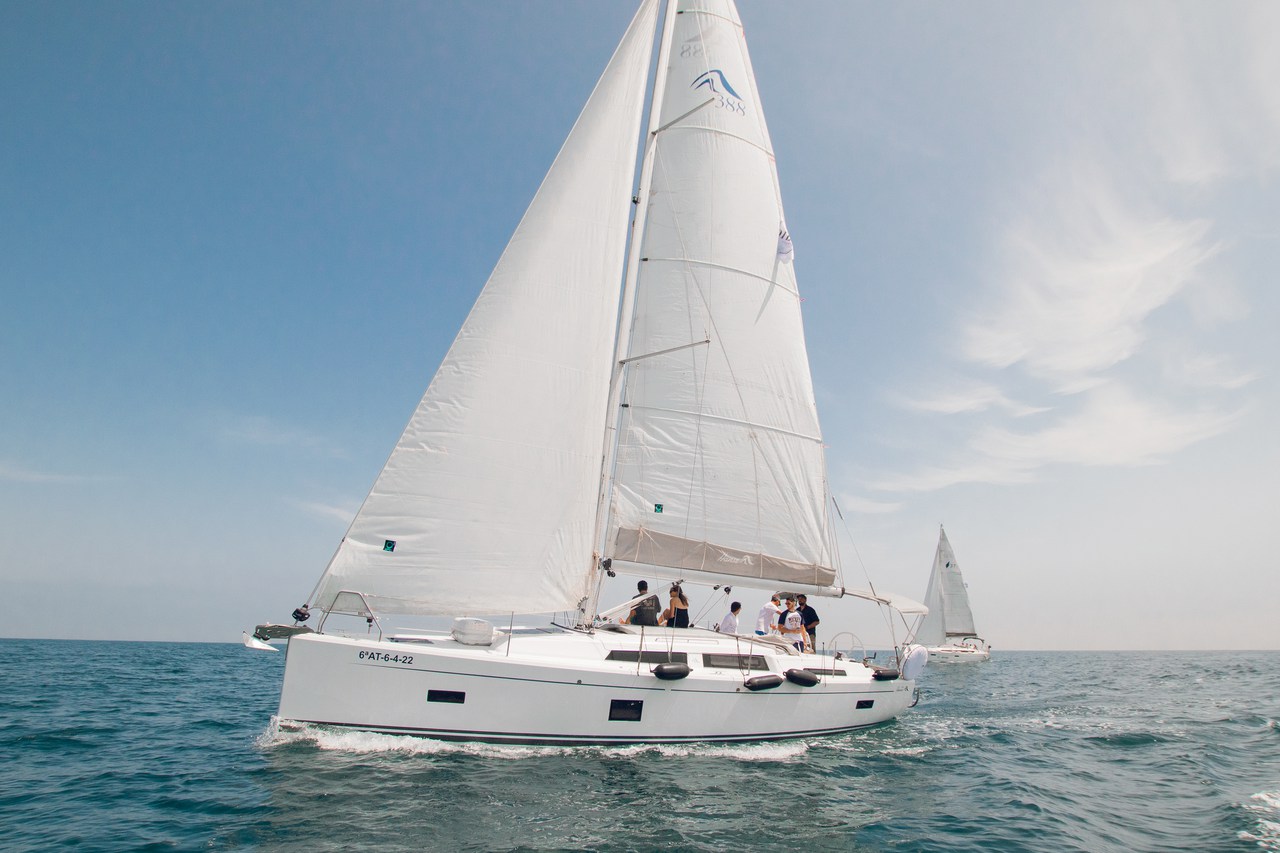 Monohull
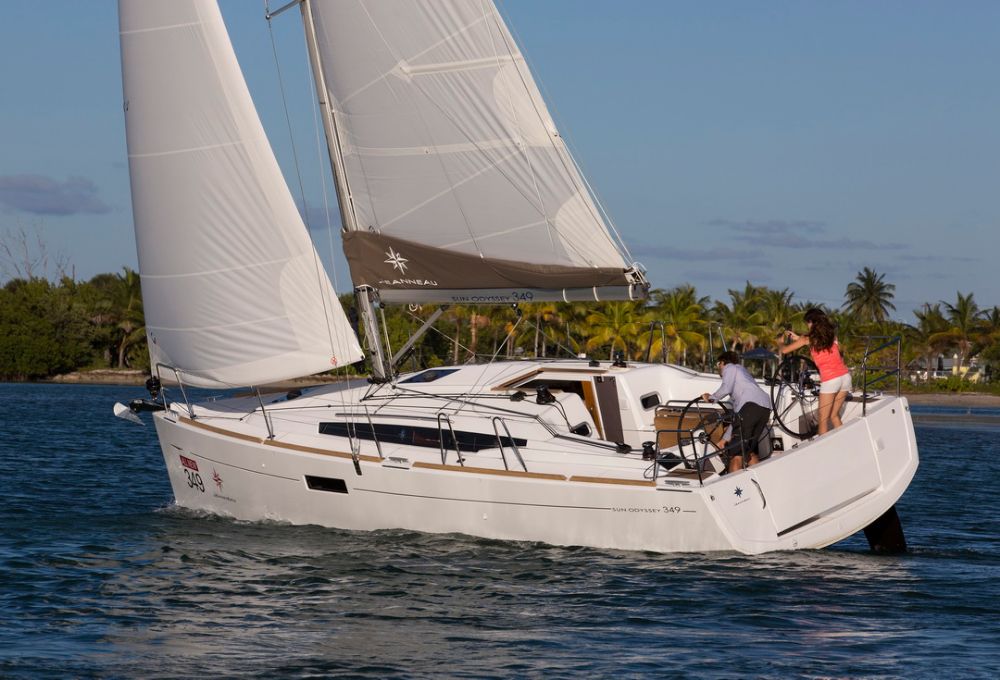 Monohull
Alicante questions
Asked and answered.
How much does a yacht charter in Alicante cost?
Bareboat charters are priced per week and depend on the boat's size, age and the season. April, May and October are the cheapest; July and August are the most expensive. On top of the base price, budget for fuel, marina fees, a final clean and a refundable security deposit. The Costa Blanca is cheaper than the Balearics or the French Riviera. Send us your dates on WhatsApp for a firm quote.
Do I need a licence to charter a yacht here?
For bareboat charter, at least one person aboard needs a recognised sailing qualification and, in Spanish waters, usually a VHF radio certificate too. An ICC or an RYA Day Skipper certificate is normally accepted, along with a crew declaration. If nobody in your group holds the right ticket, ask us about arranging a local skipper — worth doing early, as they book up in peak weeks.
When is the best time to sail the Costa Blanca?
The season runs April to October. July and August are hottest, busiest and calmest, with reliable afternoon sea breezes. Many sailors prefer the shoulder months — May, June, September and October — which stay warm enough to swim but bring steadier wind and far fewer crowds ashore. Whenever you go, watch for the easterly levante, which can bring swell and unsettled conditions.
Where do charters start?
We're based in Dénia, at Marina de Dénia in the Port of Denia, at the top of the Costa Blanca between Valencia and Alicante. It's a proper working harbour with the town, shops and restaurants within walking distance, so provisioning is easy. From Dénia you can cruise the mainland coast south toward Altea or cross to Ibiza and Formentera, which are closer here than from most of the Spanish mainland.
Is this a good area for families and first-time charterers?
Yes. The mainland coast between Dénia and Altea has short hops, sheltered coves and marinas every few miles, so you're rarely more than an hour from an anchorage. Summer conditions are gentle: light mornings, a sea breeze in the afternoon, calm nights. Skip the Ibiza crossing and stick to the coast for a relaxed week. Warm, clear water makes swimming and snorkelling straightforward for children.
How do I get to Dénia?
Fly into Alicante–Elche airport, about an hour and a quarter by road, or Valencia airport, a similar distance to the north. Both have wide, affordable flight connections across Europe. From either, take a hire car or a pre-booked transfer to Marina de Dénia. The marina sits close to the town, so once you've dropped your bags you can reach shops and restaurants on foot.
Can I sail to Ibiza and back in a week?
Yes, with a settled forecast. Ibiza and Formentera lie 55 to 65 nautical miles east of Dénia — a long day or an overnight passage each way. A typical week works the mainland coast down to Calpe or Altea, crosses to the islands mid-week, spends a day or two there, then recrosses. Only commit to the open passage in calm conditions; otherwise cruise the coast instead.
Where do the yachts in Alicante sail from?
Boats sailing Alicante all year — boats operate from Denia and Port of Denia. The fleet list above is live from our operator system, so it always shows what is actually available for your dates.
Bareboat or crewed in Alicante?
These are bareboat yachts — someone on your crew needs a recognised licence. If nobody has one, we will find you the same boat with a skipper.
How do I get a quote?
Send us your dates, your group and roughly the boat you want. Same day, we reply with real options, real prices and the honest trade-offs.
Talk to an expert
Get three options.
Charter types
Charter types in Alicante.
Bareboat charter
You skipper it yourself — licence required.
Alicante
01Why sail here
We base our Alicante-region charters out of Dénia, not Alicante city itself, and there's a reason for that. Dénia sits at the top of the Costa Blanca, roughly halfway between Valencia and Alicante, with Ibiza a day-sail off the bow. From here you get warm, clear water, a coastline that mixes cliffs and easy sand, and a shorter crossing to the Balearics than almost anywhere else on the Spanish mainland. The sailing is straightforward and forgiving, which is exactly what most people want on a summer week. If you've been put off by the crowds of the eastern Med in August, the Costa Blanca is quieter, cheaper to fly into, and easier to plan around.
02The sailing grounds and harbours
Think of the cruising area in two directions. South of Dénia the coast runs down past Xàbia (Jávea), around the Cabo de la Nao headland, to Moraira, Calpe under its great limestone rock, and on toward Altea and Benidorm. This stretch has short passages, dozens of anchorages, and marinas every few miles, so you can sail an hour and drop the hook for lunch. North of Dénia the coast flattens toward Valencia and Gandía, with longer runs and fewer coves but easy going.
The real prize is offshore. Ibiza and Formentera lie 55 to 65 nautical miles east — a long day or an overnight, depending on the wind and how you split it. Closer in, the little island of Tabarca off Santa Pola is a marine reserve with clear water and a walled village, worth the trip south. Dénia itself has a proper working harbour, a decent town within walking distance of the marina, and provisioning that doesn't require a taxi.
03Season and winds
The charter season runs roughly April to October. July and August are hottest and busiest, with the calmest, most reliable conditions — often light mornings and a sea breeze filling in during the afternoon. This afternoon thermal is the wind you'll use most: it typically builds through the day and dies at dusk, which makes for gentle sailing and calm nights at anchor.
The wind to respect is the levante, an easterly that can bring swell and murkier conditions, and the occasional stronger easterly blow in spring and autumn. Shoulder-season sailing in May, June, September and October is often the best of both worlds — warm enough to swim, breezy enough to sail properly, and far quieter ashore. Water temperature climbs into the mid-20s Celsius by high summer. Check the forecast before committing to an Ibiza crossing; you want settled conditions for the open passage.
04Charter types available
We run bareboat charters here, out of Marina de Dénia. That means you take the yacht yourselves, with your own skipper among the crew holding the required licence. Bareboat suits experienced sailors who want the freedom to set their own route and their own hours. If you'd rather have someone else handle the boat, a skipper can usually be arranged locally on request — worth asking about early, as availability tightens in peak weeks. Boats are a mix of cruising monohulls suited to couples, families and small groups. Tell us your crew size and experience over WhatsApp and we'll point you to what fits.
05Realistic costs
Bareboat charter is priced per week and varies with boat size, age and season. As a rough guide, expect the low season (April, May, October) to run well below the July–August peak, when prices are at their highest. Budget separately for fuel, marina fees on nights you don't anchor, a final clean, and the security deposit held against the boat. Marina berths along the Costa Blanca are moderate by Med standards — cheaper than the Balearics, noticeably cheaper than the French Riviera. Provisioning is inexpensive if you shop at the town supermarket rather than the marina kiosk. For a firm quote on specific dates and a specific boat, send us the details on WhatsApp — Price on request beats a made-up figure.
06A sample week
Day 1 — Dénia. Board in the afternoon, provision, sleep aboard in Marina de Dénia. Walk into town for dinner.
Day 2 — Dénia to Xàbia. A short southern hop around the coast to Xàbia (Jávea), anchoring off the beach or taking a berth. Swim, settle into the rhythm.
Day 3 — Xàbia to Calpe. Round Cabo de la Nao, the region's main headland, and sail down to Calpe under the Peñón de Ifach, a limestone rock that rises straight from the sea. Anchor nearby or berth in the marina.
Day 4 — Calpe to Moraira or Altea. Explore the coves between the two. Moraira is small and pretty; Altea has a whitewashed old town on the hill. Pick by mood.
Day 5 — the long day to Ibiza. With a settled forecast, cross to Ibiza or Formentera. Aim for an early start. Anchor off the south of Ibiza or head for Formentera's sandbanks.
Day 6 — Ibiza or Formentera. A day around the islands: clear water, quiet anchorages if you avoid the honeypots, and a run ashore if you want it.
Day 7 — back toward Dénia. Recross with the wind, break the passage at Xàbia or Moraira, and stage for an easy return.
Day 8 — Dénia. Disembark in the morning.
Shorten it: skip the crossing and cruise the mainland coast between Dénia and Altea for a relaxed week with no long passages. That's the better plan for first-timers and families.
07Getting there
Alicante–Elche airport is the main gateway, around an hour and a quarter by road from Dénia. Valencia airport is a similar distance to the north and often has good connections too. Both are served by budget and scheduled flights across Europe, which keeps travel costs down. From either airport a hire car or a pre-booked transfer gets you to Marina de Dénia; the marina is close to the town, so you can walk to shops and restaurants once you've dropped bags. Ferries run from Dénia to the Balearics if anyone in your party wants to arrive or leave separately. Right for first charterers, families, and couples after warm, easy sailing; less right for those set on long offshore distance.