 Motor Catamaran
Sail Bahamas.
Live fleet
Motor Catamaran Catamaran
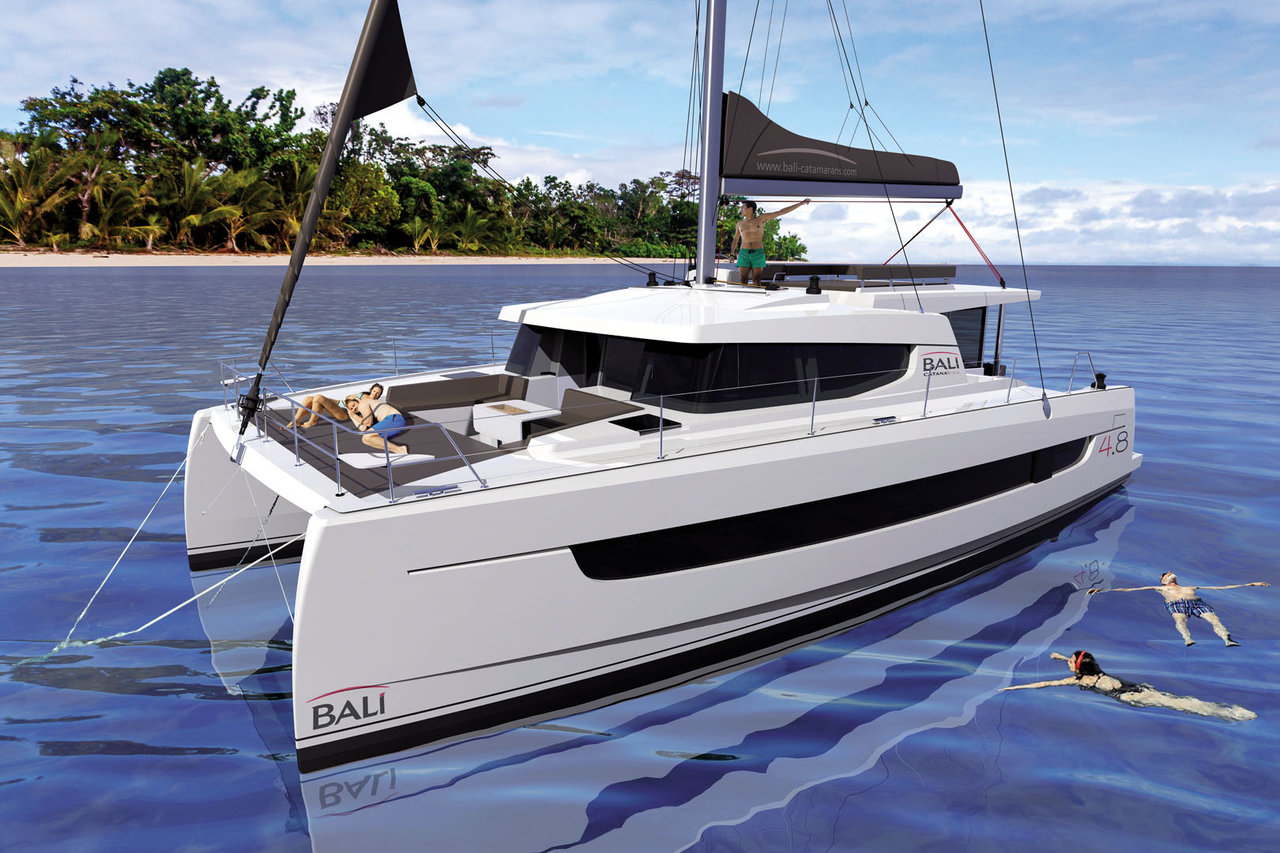 Catamaran
 Catamaran
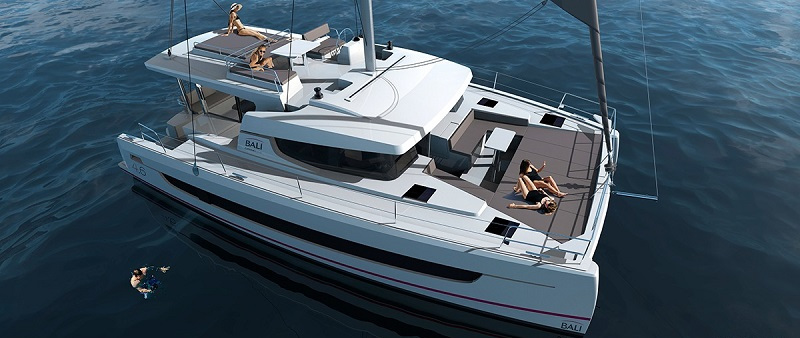 Catamaran
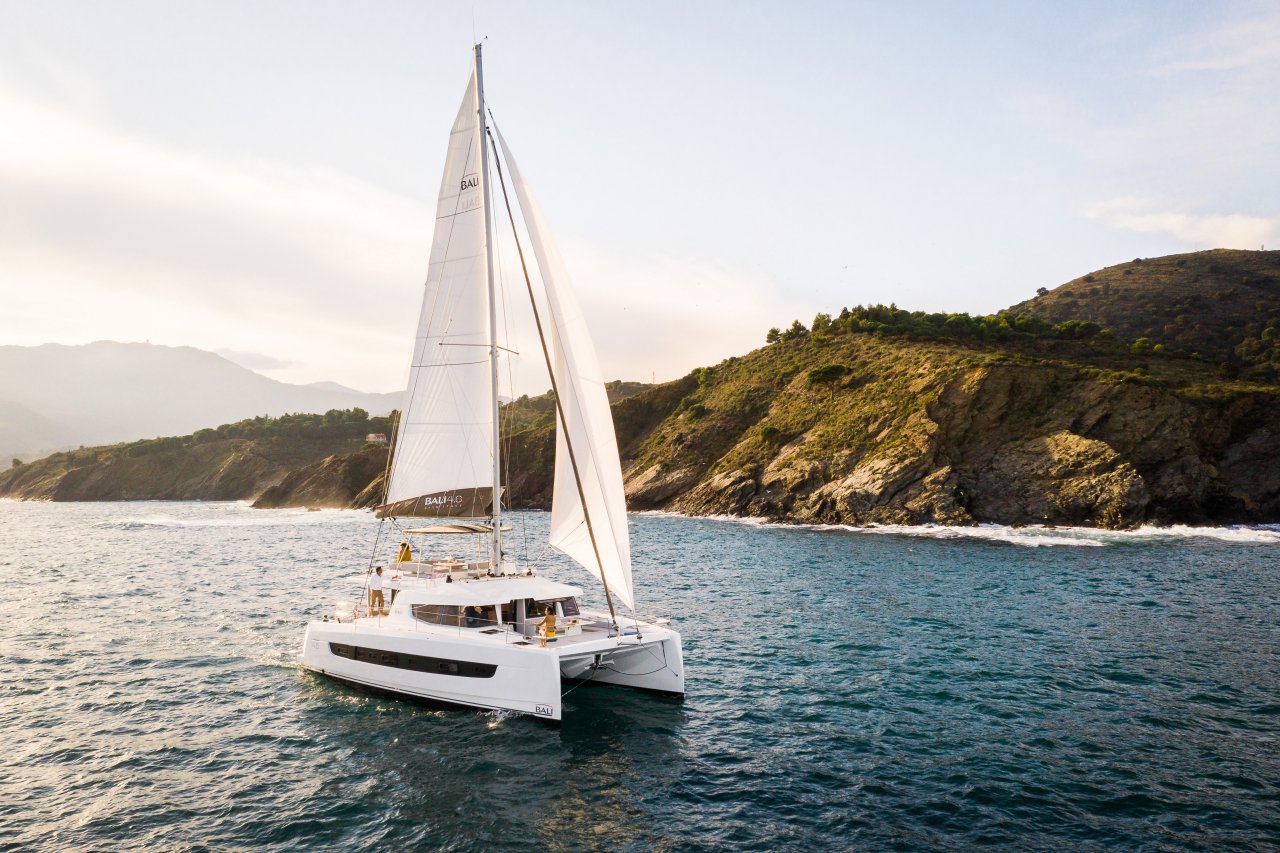 Catamaran
 Catamaran
 Catamaran
 Catamaran
Impossible Dream
Fountaine Pajot Saona 47 Maestro - 3 + 1 cab. · 2021Bahamas, Bahamas
6 guests3 cabins14 m
€6,850 / week
+ Compare Catamaran
Promises Promises
Lagoon 43 - 3 cab. · 2025Bahamas, Bahamas
6 guests3 cabins14 m
€7,650 / week
+ Compare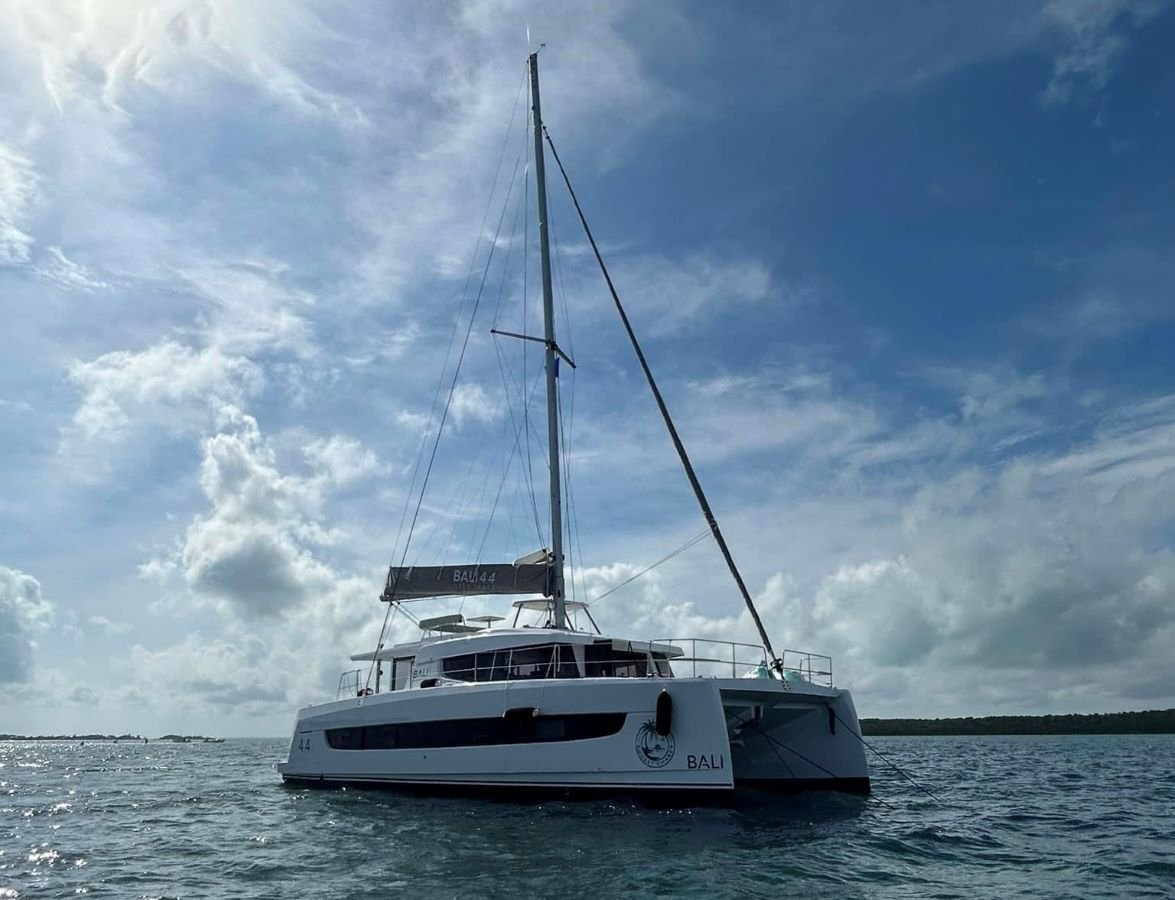 Catamaran
 Catamaran
American Honey
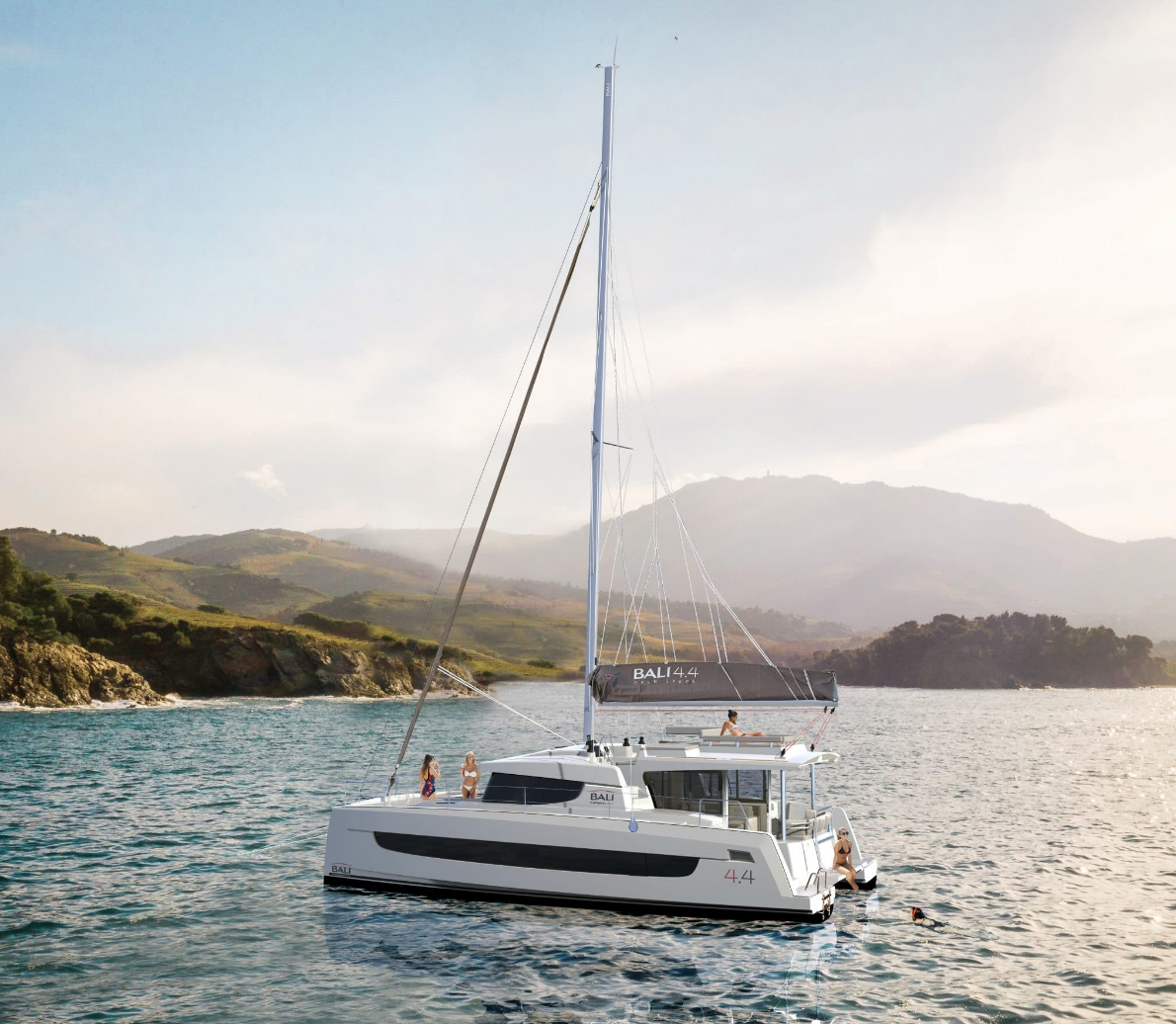
Bali 4.4 - 3 + 1 cab. · 2023Bahamas, Bahamas
6 guests3 cabins13 m
€2,200 / week
+ Compare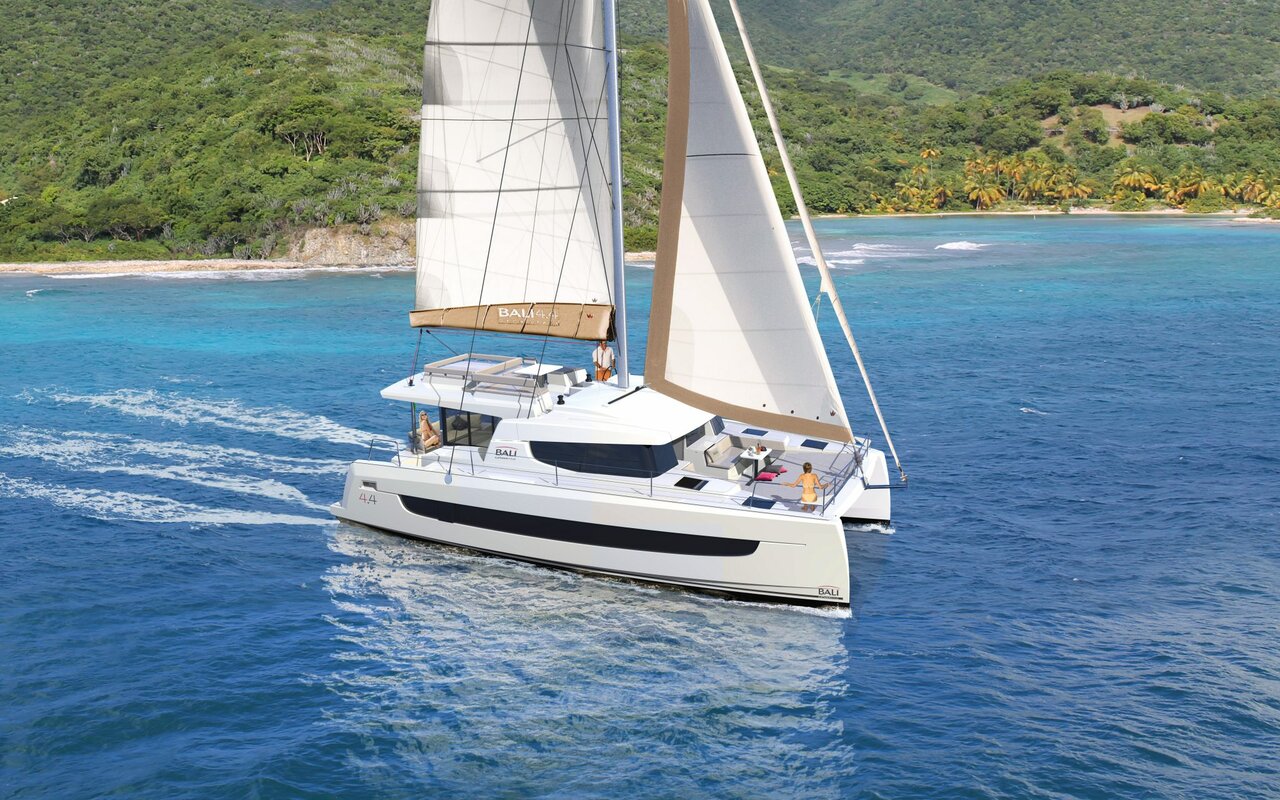 Catamaran
Got No Problems
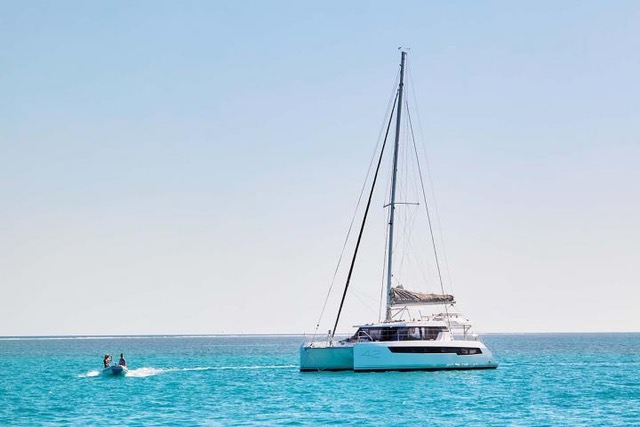
Bali 4.4 - 4 + 1 cab. · 2023Bahamas, Bahamas
8 guests4 cabins13 m
€2,200 / week
+ Compare Catamaran
 Catamaran
 Catamaran
 Catamaran
 Catamaran
 Motor Catamaran
 Catamaran
 Catamaran
 Motor Catamaran
 Motor Catamaran
 Catamaran
Seas The Day
Fountaine Pajot Isla 40 - 4 cab. · 2023Bahamas, Bahamas
8 guests4 cabins12 m
€2,200 / week
+ Compare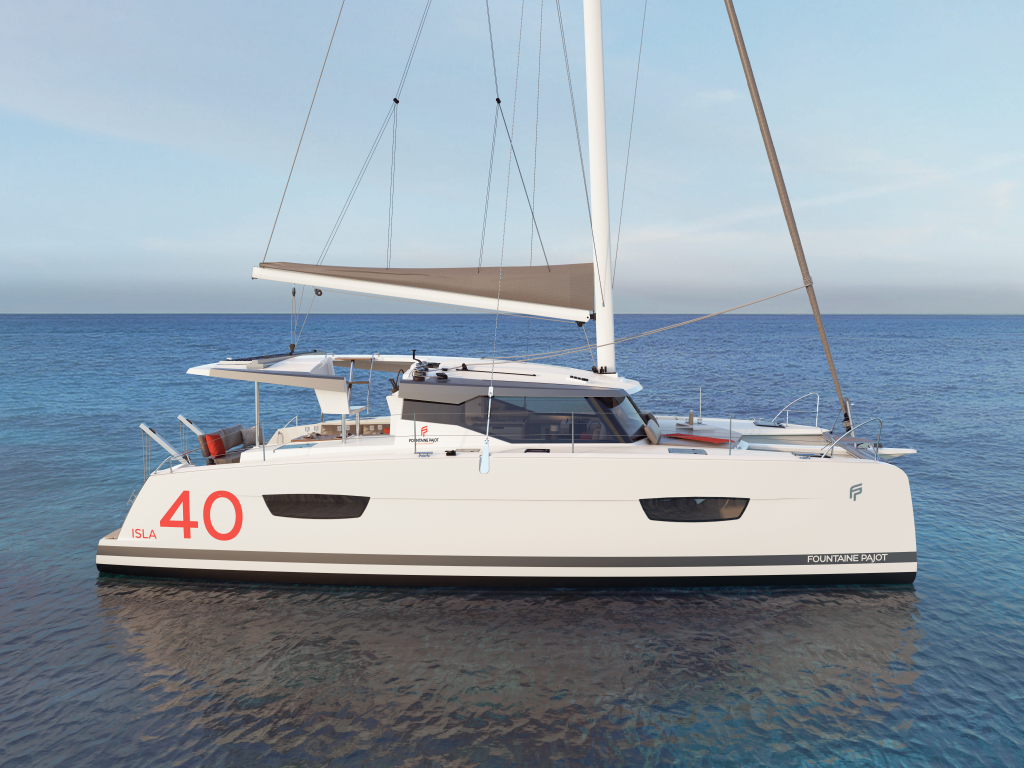 Catamaran
Dellis Rae
Fountaine Pajot Isla 40 - 3 cab. · 2022Bahamas, Bahamas
6 guests3 cabins12 m
€6,250 / week
+ Compare Catamaran
The Nauti Salesman
Excess 11 - 3 cab. · 2026Bahamas, Bahamas
6 guests3 cabins11 m
€6,250 / week
+ Compare Monohull
Bahamas questions
Asked and answered.
How much does a yacht charter in the Bahamas cost?
Weekly bareboat rates typically fall in the EUR 3,500–9,000 range depending on the boat's size, age and the week you sail — Christmas and Easter cost more than shoulder weeks. On top of that, budget for fuel, water, the cruising and fishing permits, provisioning and any dock fees. Skippered charters add a crew day-rate. Message us on WhatsApp with dates and party size for a firm quote.
Do I need a licence to charter a yacht in the Bahamas?
There is no single mandatory licence, but for a bareboat we need to see a sailing CV showing relevant recent experience, and most crews hold an ICC or equivalent. What matters most in the Bahamas is comfort with shoal-draft, eyeball navigation over shifting sand. If that is new to you, take a skipper for the first few days — it is cheaper than a grounding.
When is the best time to sail the Bahamas?
December to May, and March to May in particular. Winter brings settled 12–18 knot north-east trades, punctuated every week or so by a cold front that clocks the wind north-west for a day. Spring warms up with reliable breeze and fewer fronts. Avoid the June–November hurricane season, especially the August–October peak, when the weather is hot, light and unsettled.
Where do most Bahamas charters start?
Marsh Harbour in the Abaco Islands is the main base — it has the provisioning, fuel and airport, and puts you a day-sail or less from Hope Town, Man-O-War Cay and Great Guana Cay. Nassau, on New Providence, is the alternative if you are flying into the busier international airport or want a shorter charter closer to town.
Is the Bahamas good for a family sailing holiday?
Yes. Short hops, warm shallow water, easy anchorages and settlement docks with somewhere to eat ashore make it forgiving for families and first-time charterers. Catamarans are popular here for the space and shallow draught. Build in a weather day or two so a passing cold front doesn't force a long slog, and you have a relaxed week.
Monohull or catamaran for the Bahamas?
Both work, but the shallow draught of a catamaran is a real advantage in Bahamian waters, where you spend a lot of time in 3 to 5 metres over sand. Cats also give more deck and cabin space, which families and larger groups appreciate. Monohulls sail better to windward and cost less. If in doubt for these waters, most crews here lean towards a cat.
How do the cold fronts affect a Bahamas charter?
In winter a front sweeps down from the mainland roughly once a week: the trades give way to a hard north-west or west blow for a day or so, then settle back. It is manageable — you watch the forecast and tuck into one of the many protected harbours, such as Hope Town, until it passes. Planning a spare weather day into the week absorbs it comfortably.
Where can I sail in Bahamas?
We charter across Abaco Islands and New Providence. Each area has its own page with the live fleet for your dates.
What kind of yachts are available in Bahamas?
Bareboat if someone on your crew holds a licence, crewed if you would rather a skipper did the work. The grid above is live from our operator system and always shows what is actually free.
How do I get a quote?
Tell us your dates, your group and the area you fancy. Same day, we send three real options with honest trade-offs.
Talk to an expert
Get three options.
Bahamas
01Why sail the Bahamas
The water does the talking here. Depths of 3 to 5 metres over white sand turn the sea the colour of a swimming pool, and you read the bottom by eye rather than by chart. The Abacos in particular are a protected inland sea — the Sea of Abaco — with barrier cays to windward taking the Atlantic swell so you sail flat water in a steady breeze. Distances are short. You can weigh anchor after breakfast and be tied to a settlement dock or swinging off a beach by lunch. It suits sailors who want easy navigation, warm water, and a drink ashore at the end of the day more than they want big passages.
The trade-off is that it is shallow and tidal, and eyeball navigation takes getting used to. Sandbars move. You learn to run with the sun behind you and read the water: dark blue is deep, green is fine, brown and yellow mean turn around. Once that clicks, it is some of the most forgiving cruising in the Caribbean.
02The sailing areas
Most of our sailing is in the Abaco Islands, the chain running north-west to south-east along the Sea of Abaco. Marsh Harbour is the hub — provisioning, fuel, the airport — and from there it is a day-sail or less to Hope Town, Man-O-War Cay, Great Guana Cay and Treasure Cay. Hope Town's candy-striped lighthouse is the postcard shot, and the harbour behind it is snug and well-protected. Great Guana has the long Atlantic-side beach and a beach bar that has been there longer than most charterers have been sailing.
New Providence — Nassau and its approaches — is the other ground, busier and more built-up, with the international airport close by. It works as a start or end point, or a short charter in its own right, but the Abacos are where you go for room to move.
03Season and winds
The charter season runs roughly December to May. Winter brings the settled north-east and east trades, typically 12 to 18 knots — enough to sail properly without being a handful. The catch in winter is the cold front: every week or so a front sweeps down from the North American mainland, the wind clocks round to the north-west and west, and it blows hard for a day before settling back into the trades. You watch the forecast and tuck into a protected harbour when one comes through; the Abacos have plenty.
Summer, June to November, is hot, light and humid, and it overlaps the Atlantic hurricane season — most active August to October. We do not recommend charters in the peak of that window. Spring, March to May, is the sweet spot: warm water, reliable breeze, fewer fronts.
04Charter types
We run bareboat charters for those with the miles and the confidence to read shoal water, and skippered charters if you would rather have a local aboard who knows where the sand has shifted. Monohulls and catamarans both work here; the shallow draft of a cat is a genuine advantage in the Bahamas, and many crews prefer them for the space and the beach-friendly draught. Cabin charters — a berth at a time rather than the whole boat — come and go depending on the season.
If your navigation is rusty or you have never eyeballed a sandbank, take a skipper for the first few days at least. It is cheaper than a grounding.
05Realistic costs
Weekly bareboat rates depend on the boat, the size and the time of year, and the Christmas and Easter peaks cost more than the shoulder weeks. As a rough guide, mid-size monohulls and catamarans sit in the EUR 3,500–9,000 per week range, with larger or newer cats above that. On top of the boat, budget for fuel and water, a cruising permit, provisioning and any dock fees when you tie up rather than anchor. Skippered rates add the crew day-rate and their keep.
For a firm quote on a specific boat and week, Price on request — message us on WhatsApp with your dates and party size and we will come back with real numbers rather than a guess.
06A sample week in the Abacos
Day 1 — Board at Marsh Harbour, provision, and shake down with the short hop across to Hope Town. Pick up a mooring in the harbour, climb the lighthouse before it closes, eat ashore.
Day 2 — North to Man-O-War Cay, the old boatbuilding settlement, for sailmakers and a quiet anchorage. Snorkel the shallows.
Day 3 — Great Guana Cay. Anchor off the settlement, walk over to the Atlantic beach, lunch at the beach bar.
Day 4 — Treasure Cay and its long crescent of sand, or a quieter cay if a front is due — this is a good week to build in a weather day.
Day 5 — Back south, poking into an anchorage off one of the smaller cays for a night with no lights ashore.
Day 6 — Return leg to Hope Town or Marsh Harbour, last swim, clean the boat.
Day 7 — Disembark Marsh Harbour. Distances are short enough that this itinerary flexes easily around the wind.
07Getting there and paperwork
Most crews fly into Marsh Harbour (Abacos) or Nassau (New Providence), often connecting through a Florida hub. Clearing in requires a passport and a Bahamas cruising permit and fishing permit, arranged on arrival; the boat's paperwork and your itinerary make this straightforward. Provisioning is best done in Marsh Harbour or Nassau — the outlying cays have small stores at settlement prices, so stock up before you leave the hub.
Right for first-time Caribbean charterers, families and anyone who likes short hops and warm shallow water. Less right for crews chasing long open-water passages or big following seas — that is not what this cruising ground is for.