 Catamaran
Sail Canary Islands.
Live fleet
Catamaran Monohull
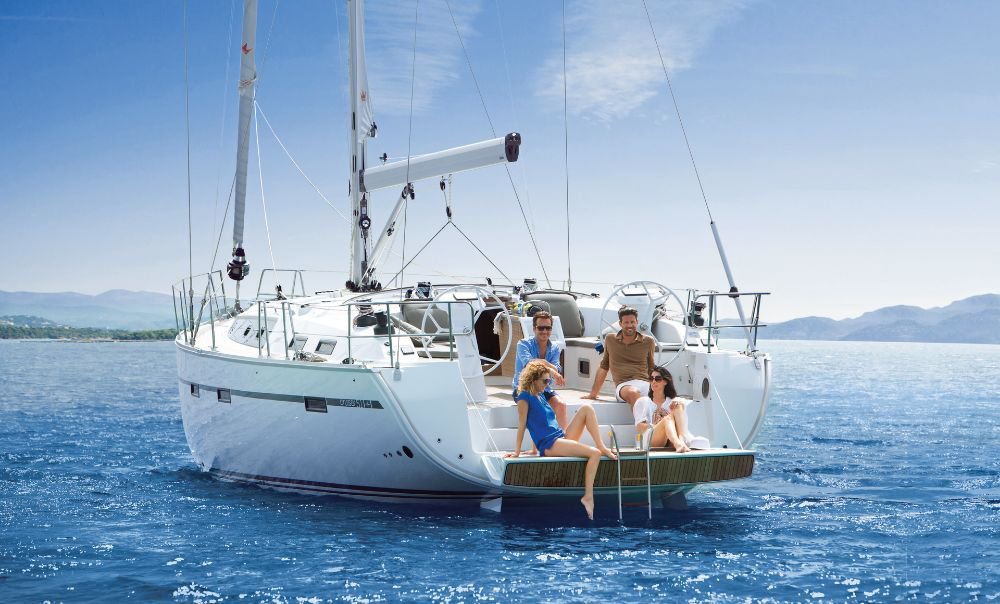 Monohull
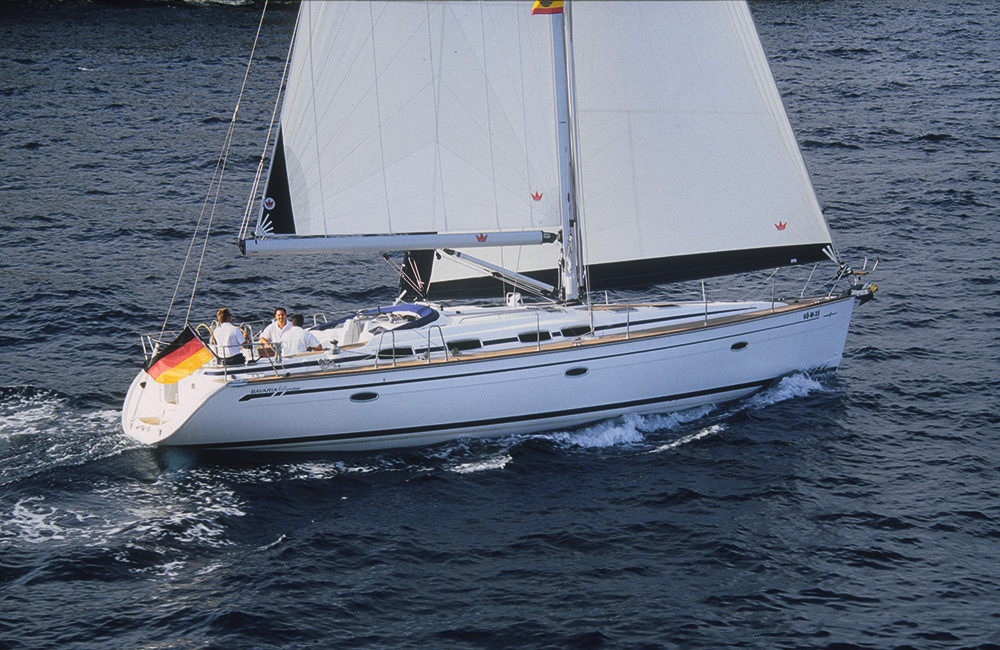 MonohullMonohull
 Monohull
 Monohull
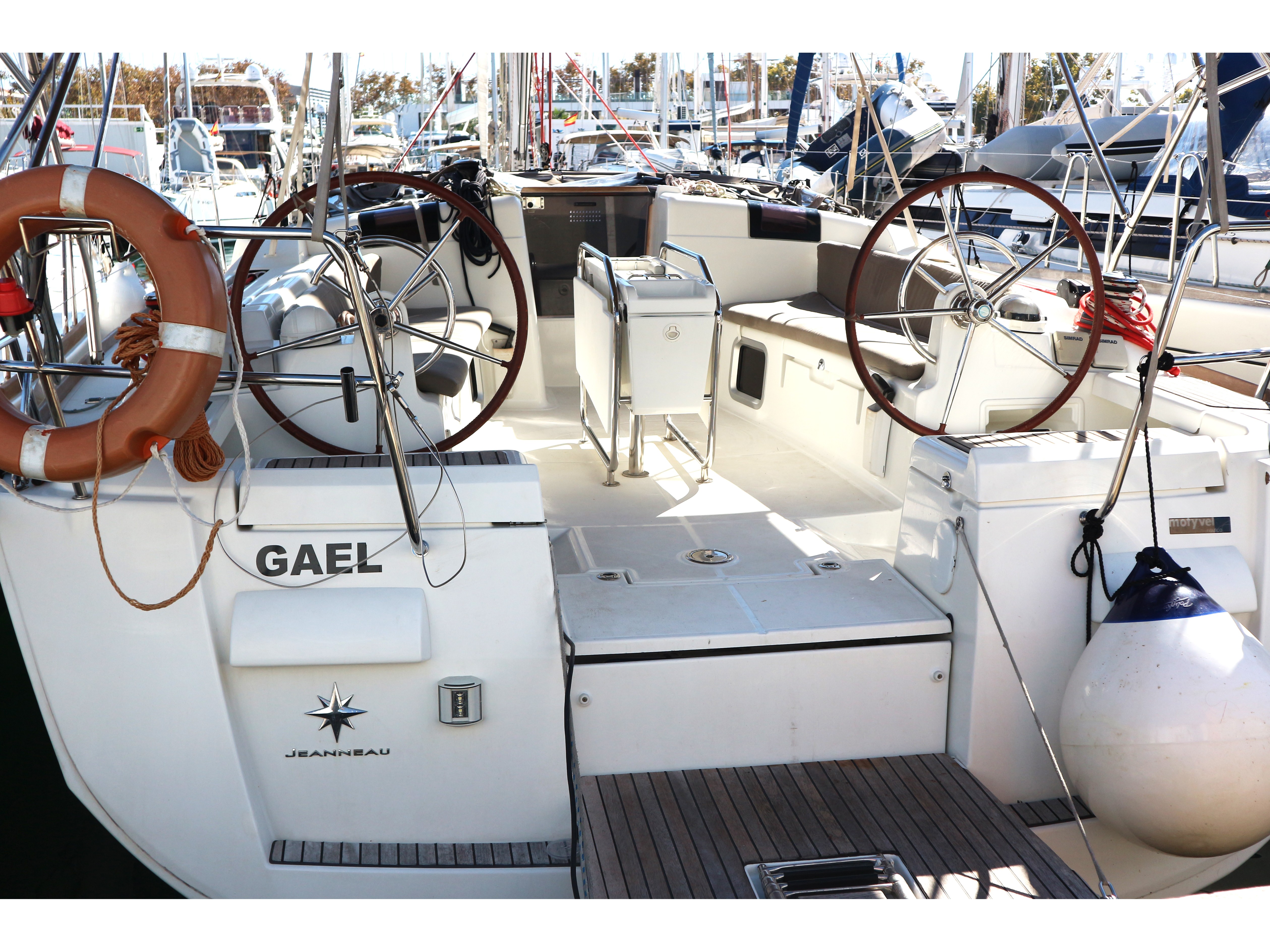 Monohull
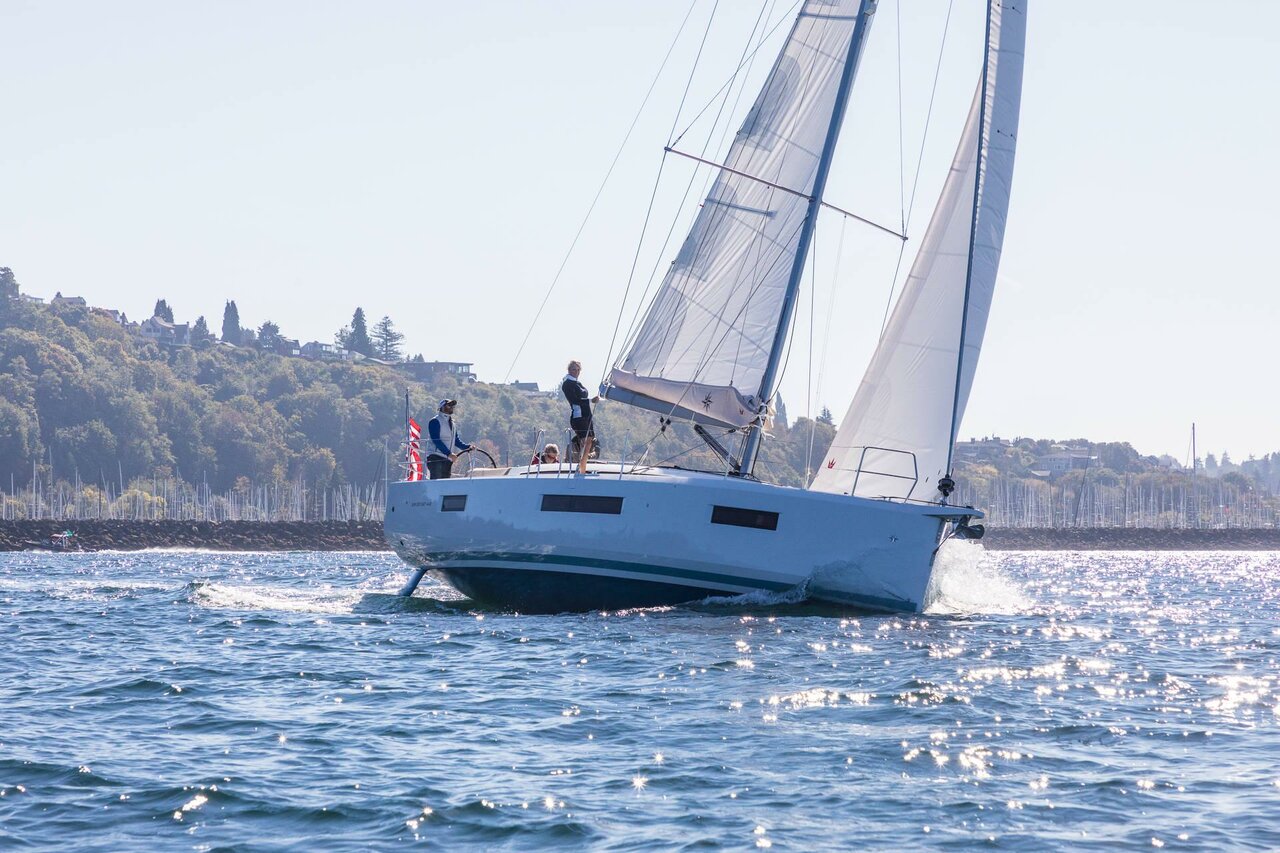 Monohull
 Monohull
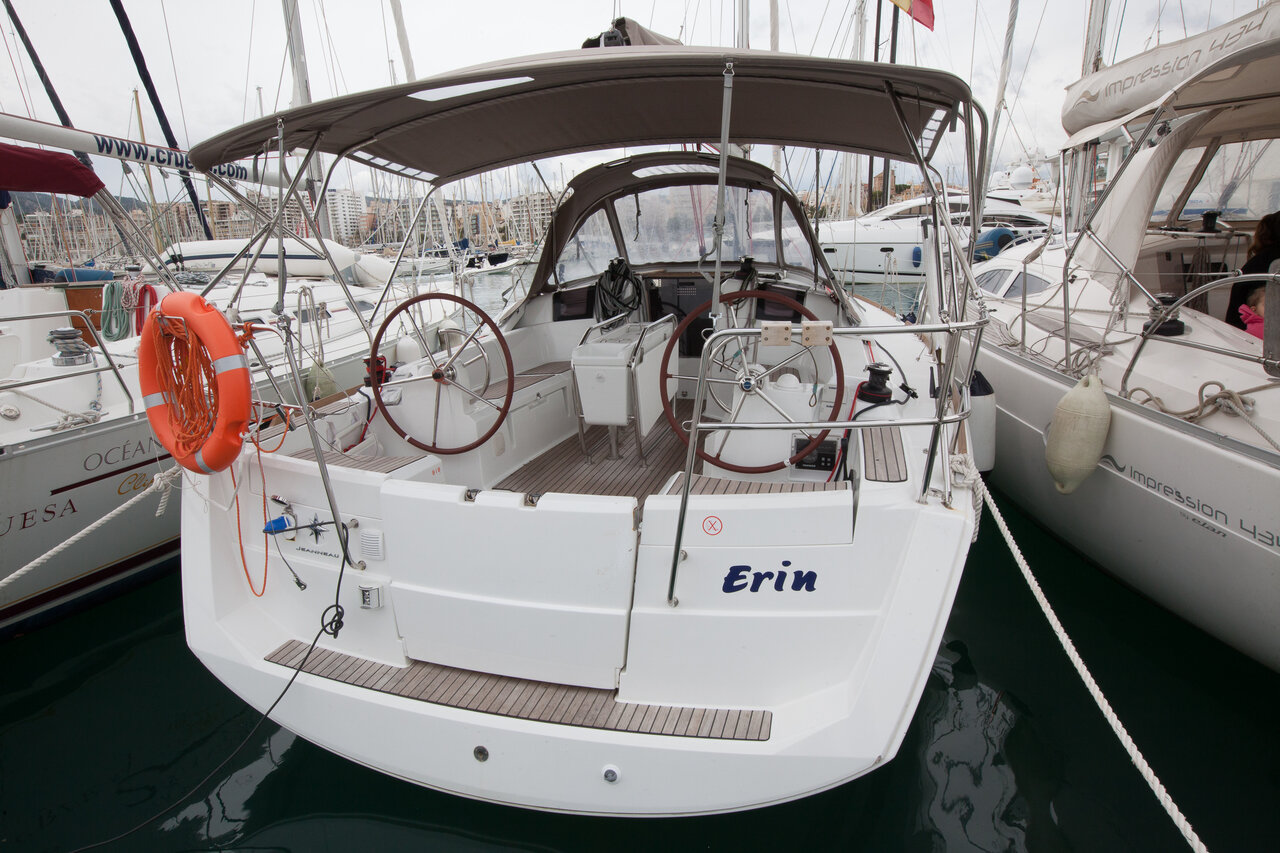 Monohull
By the cabin
Cabin cruises in Canary Islands
Scheduled crewed cruises — book by the cabin and share the yacht with a small group.

More cabin cruises
Other departures you can join, wherever you fancy sailing.
 €3,500per person
Croatia and Montenegro Cruise
Naya · crewed
Dubrovnik region, Croatia
7 days · Departs 26 Sept 2026View cabins
 €1,090per person
Modul B - Dufour 460 GL - Athi
Athi · crewed
Šibenik region, Croatia
7 days · Departs 26 Sept 2026 · 21 more datesView cabins
 €1,090per person
Modul B - Dufour 460 GL - Vellamo
Vellamo · crewed
Šibenik region, Croatia
7 days · Departs 26 Sept 2026 · 21 more datesView cabins
 €1,200per person
Sail the Aeolian Islands
Maria Louise II · crewed
Sicily, Italy
7 days · Departs 26 Sept 2026View cabins
 €5,000per person
More Package Greece
Zephyre · crewed
Ionian Islands, Greece
7 days · Departs 28 Sept 2026View cabins
 €3,000per person
Pearl of the Adriatic Cruise
Kaptan Sevket · crewed
Montenegro, Montenegro
7 days · Departs 28 Sept 2026View cabins
Canary Islands questions
Asked and answered.
How much does a yacht charter in the Canary Islands cost?
A bareboat monohull of 38–46ft runs roughly €1,800–€4,200 per week, and a 40–46ft catamaran roughly €4,000–€9,000, driven mostly by season and boat age. Add end cleaning at €150–€300, a deposit or waiver of €1,500–€3,000, fuel, and marina berthing at about €35–€90 a night. Crewed charter is priced on request. Send dates on WhatsApp for a firm number.
Do I need a licence to charter a bareboat in the Canaries?
Yes. Spain expects a recognised skipper qualification for the size of boat — an ICC or RYA Day Skipper is what most charterers hold — plus a VHF radio certificate and a competent second crew member aboard. Send scans when you enquire so we can check them against the specific yacht before you fly. If your paperwork does not cover it, take a skipper for the week instead.
When is the best time to sail the Canary Islands?
There is no closed season, which is the point of sailing here. June to September gives the most dependable north-east trades at 15–25kn, with gusts over 30kn in the acceleration zones and the busiest marinas. October to May is lighter, cooler and quieter, with winter Atlantic swell on north-west facing coasts. For steady wind and warm water without the crowds, May and October are the sweet spots.
Should we start from Tenerife or Lanzarote?
Tenerife and San Miguel Marina open the western group — La Gomera, La Palma, El Hierro — with deeper water, bigger cliffs and stronger channel winds. Lanzarote opens the eastern group: La Graciosa, Lobos and Fuerteventura, with shorter hops and better anchorages. First-timers and mixed-ability crews usually get more from the east. Sailors who want proper Atlantic legs should start in Tenerife.
Is a Canaries charter suitable for families and first-timers?
It works well with the right base and boat. Choose the eastern group, take a catamaran, and keep legs under 20nm so nobody spends four hours beating. The trades are steady rather than gusty once you are clear of the island corners, and the water stays swimmable through the winter. If it is a first charter, book a skipper for the week — the acceleration zones are the local knowledge you are paying for.
Do you anchor overnight or stay in marinas?
Mostly marinas. The coast is steep-to, depth falls away fast, and Atlantic swell wraps the north-west corners, so few bays hold overnight in comfort. Papagayo, Playa Francesa off La Graciosa and Isla de Lobos are the ones that work in settled weather, and they are usually lunch or afternoon stops. Budget €35–€90 a night for berthing a 45ft and book ahead at the small harbours.
Can we visit several islands in one week?
Comfortably three or four, provided you stay in one group. From south Tenerife a week covers La Gomera and the west coast without rushing; from Lanzarote you can take in Lobos, Fuerteventura and La Graciosa. Crossing between the groups means a 55nm leg to Gran Canaria and an upwind return, which eats two days of a seven-day charter. Ten days makes that route sensible.
Where do the yachts in Canary Islands sail from?
Boats sailing Canary Islands all year — boats operate from Tenerife and Lanzarote. The fleet list above is live from our operator system, so it always shows what is actually available for your dates.
Bareboat or crewed in Canary Islands?
Both. Bareboat if someone on your crew holds a licence, crewed if you would rather a skipper did the work. Tell us your experience level and we will match you.
How do I get a quote?
Send us your dates, your group and roughly the boat you want. Same day, we reply with real options, real prices and the honest trade-offs.
Talk to an expert
Get three options.
Charter types
Charter types in Canary Islands.
Bareboat charter
You skipper it yourself — licence required.
Crewed charter
Skipper and crew do the work — you live aboard.
Cabin charter
Book a cabin, not the whole boat.
Canary Islands · Spain — Yacht Charter
Getting there and practical notes
Tenerife South (TFS) is 15 minutes from San Miguel Marina. Arrecife (ACE) is about 25 minutes from Playa Blanca and Rubicón. Fuerteventura (FUE) and Gran Canaria (LPA) both take direct flights too. From the UK and northern Europe it is a 4 to 4.5 hour flight, and the schedule holds up in winter.
The islands keep the same clock as the UK, one hour behind mainland Spain. Inter-island ferries are frequent if you want to fly home from a different island than you started on.
Check-in is usually 17:00 on the changeover day, hand-back 09:00. For bareboat, bring your skipper qualification (ICC or equivalent) and a VHF radio certificate, plus a competent second crew member. Message us on WhatsApp with dates, crew number and which group you fancy, and we will come back with what is free and what it costs.
Canary Islands
01Why sail here
At 6am in San Miguel the breeze comes off the land and the water is 20°C in February. That is the argument for the Canaries in one line: Atlantic sailing at 28°N that does not shut down for winter. We sail here in the months when Croatia and Greece are on the hard.
The trade wind does most of the work. Islands sit 10 to 30nm apart, so passages are half-days rather than deliveries. The scenery is volcanic instead of pine-fringed — black sand, lava coast, and a 3,718m peak visible from three islands away.
02The two cruising grounds
The archipelago splits into two practical charter areas. Pick one per week; trying to do both turns the holiday into a delivery.
Western group — Tenerife, La Gomera, La Palma, El Hierro. Deep water, tall cliffs, the strongest acceleration zones. Weeks usually start from San Miguel Marina or another south Tenerife harbour. San Miguel to San Sebastián de La Gomera is about 25nm.
Eastern group — Lanzarote, Fuerteventura, La Graciosa and Isla de Lobos, with Gran Canaria as a longer leg. Shorter hops, more sand, better anchorages. Playa Blanca to Corralejo across the Bocayna strait is roughly 12nm.
Crossing between the groups — Tenerife to Gran Canaria is around 55nm — is a full day, and the return is upwind. Most weeks stay put in one group.
03Harbours and anchorages
Be clear about this before you book: the Canaries are a marina cruising ground. The coast is steep-to, depth drops past 100m within a mile, and Atlantic swell wraps the north-west corners. You will sleep on a pontoon most nights.
Harbours worth planning around: San Sebastián de La Gomera, Valle Gran Rey, Los Gigantes under 600m cliffs (small, book ahead), Santa Cruz de La Palma. In the east: Rubicón and Puerto Calero on Lanzarote, Arrecife, and Caleta del Sebo on La Graciosa — shallow, tight, worth the effort.
Anchorages that work in settled weather: Playa Francesa off La Graciosa, Papagayo on Lanzarote's south coast, Isla de Lobos as a day stop, and the bay at Los Cristianos. Treat them as lunch stops, and check the swell forecast rather than the wind forecast.
04Season, winds and swell
Sailing runs all twelve months here. What changes is the character, not the availability.
June to September. North-east trades at their most reliable, typically 15–25kn, gusting past 30kn in the acceleration zones off island corners and through the Bocayna strait. Hot, dry, and the busiest marinas of the year.
October to May. Lighter and more variable, often 8–18kn, with north-west Atlantic swell through the winter and the occasional southerly system. Sea temperature sits around 18–20°C at its coldest.
Calima. Saharan dust on an easterly wind, possible in any month. Visibility drops, the sky turns beige for a day or three. Not dangerous, but it flattens the view.
One local habit worth learning: Teide throws a long wind shadow over south Tenerife. You can motor out of a calm lee and meet 25kn two miles offshore. Reef before you leave the shelter, not after.
05Charter types
Bareboat monohull, 38–46ft. The standard Canaries week. Enough boat for the acceleration zones, small enough for Caleta del Sebo and Los Gigantes.
Bareboat catamaran, 40–46ft. Steadier for families and non-sailing crew, and easier alongside in the bigger marinas. Berth fees are higher, sometimes by half again.
Skippered. Your own boat with a local skipper aboard. The sensible choice for a first Atlantic week, and the fastest way to learn where the wind funnels.
Crewed. Skipper and hostess, catering aboard. Price on request.
Boats move between the eastern and western grounds through the year, so the list available for a Lanzarote week is not the same list as a Tenerife week. Send us the dates on WhatsApp and we will tell you what is actually there.
06What it costs
Ranges, not quotes. Season, boat age and berth choice move the number more than anything else.
Bareboat monohull 38–46ft: roughly €1,800–€4,200 per week
Bareboat catamaran 40–46ft: roughly €4,000–€9,000 per week
Skipper: about €200–€260 per day, plus their food
Crewed charter: price on request
Budget separately for end cleaning (€150–€300), a security deposit or insurance waiver (€1,500–€3,000), fuel (€80–€200 a week — you will motor more than you expect out of the lees), and marina berthing at roughly €35–€90 per night for a 45ft in season. Provisioning runs €120–€180 per person per week if you shop ashore and cook aboard.
One quirk: the Canaries sit outside the EU VAT area, so local IGIC appears on invoices instead of mainland Spanish IVA. The tax line looks different to a Balearics quote.
07A week from San Miguel — sample route
Day 1. Board late afternoon, briefing, short hop to Las Galletas or the bay at Los Cristianos. 6nm. Eat aboard.
Day 2. Cross to San Sebastián de La Gomera, 25nm. The middle third of the channel accelerates — expect more wind than the forecast. Whale and dolphin corridor: hold your distance and keep speed down.
Day 3. South coast of La Gomera to Playa de Santiago, 12nm, or press on to Valle Gran Rey, 22nm.
Day 4. Day off the boat. Hire a car for the laurel forest at Garajonay, or walk one of the barrancos down to the water.
Day 5. Back along the Gomera coast and north across to Tenerife, 30–35nm, aiming for Los Gigantes or an anchorage at El Puertito.
Day 6. Under the cliffs at first light, then down the west coast to Playa Paraíso or Puerto Colón, 15–20nm.
Day 7. Short leg back to San Miguel, 12nm, alongside by early afternoon for fuel and hand-back.
In the east, the same week runs Rubicón, Lobos, Corralejo, up to La Graciosa and back — fewer miles, more anchoring.