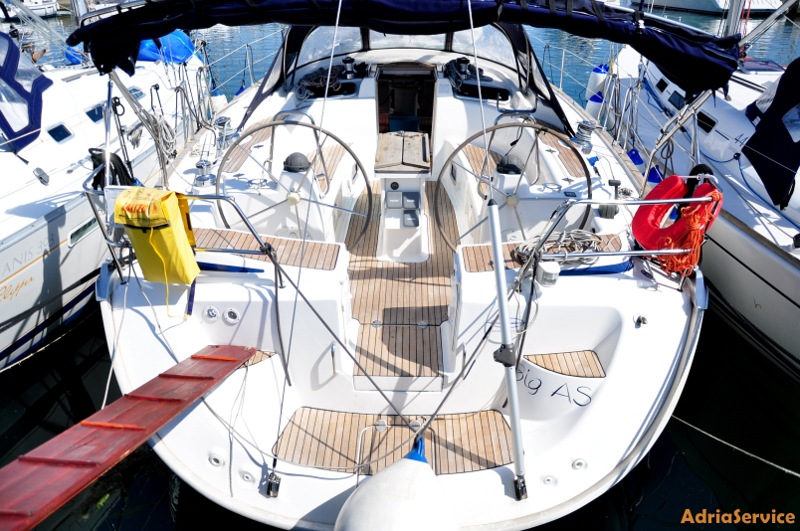
 Monohull
Sail Slovenia.
Live fleet
Monohull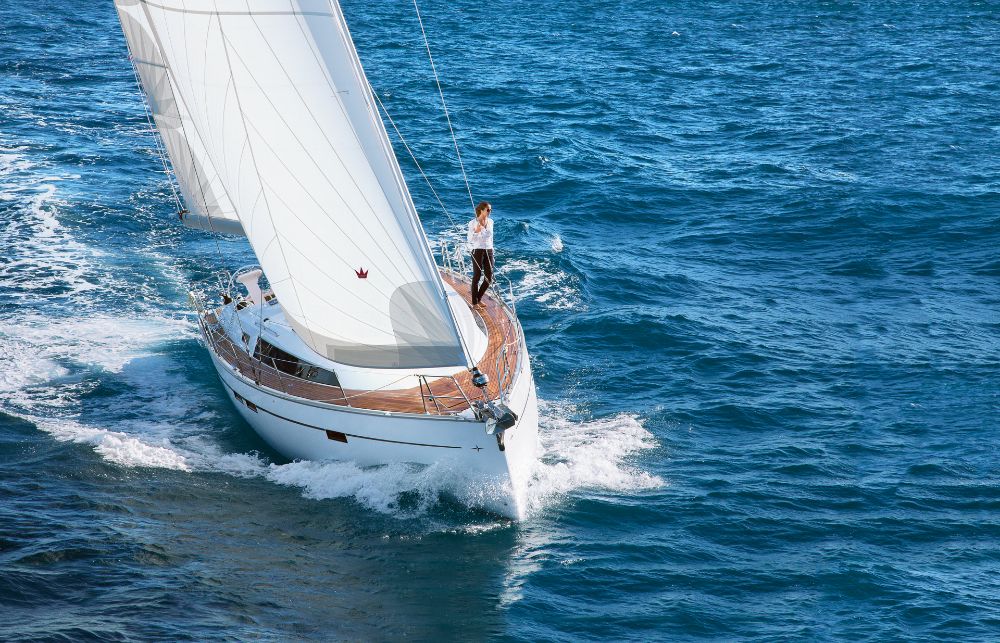 Monohull
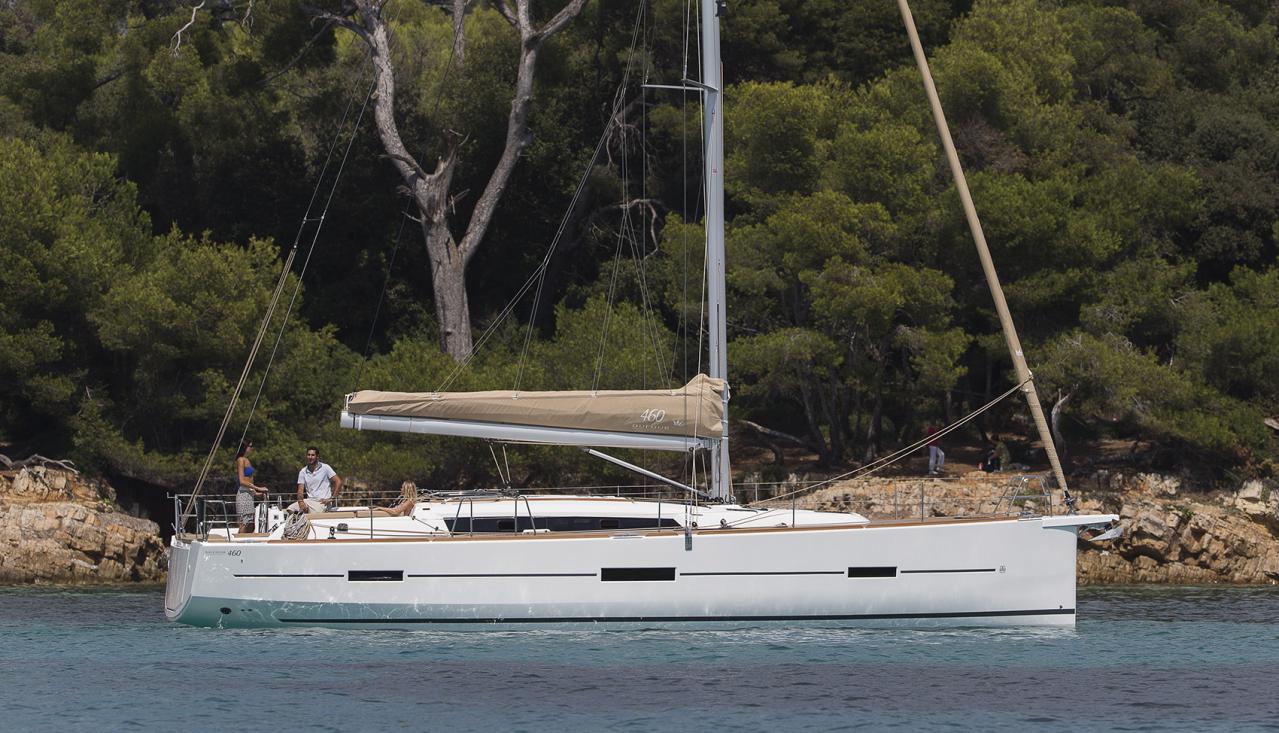 Monohull
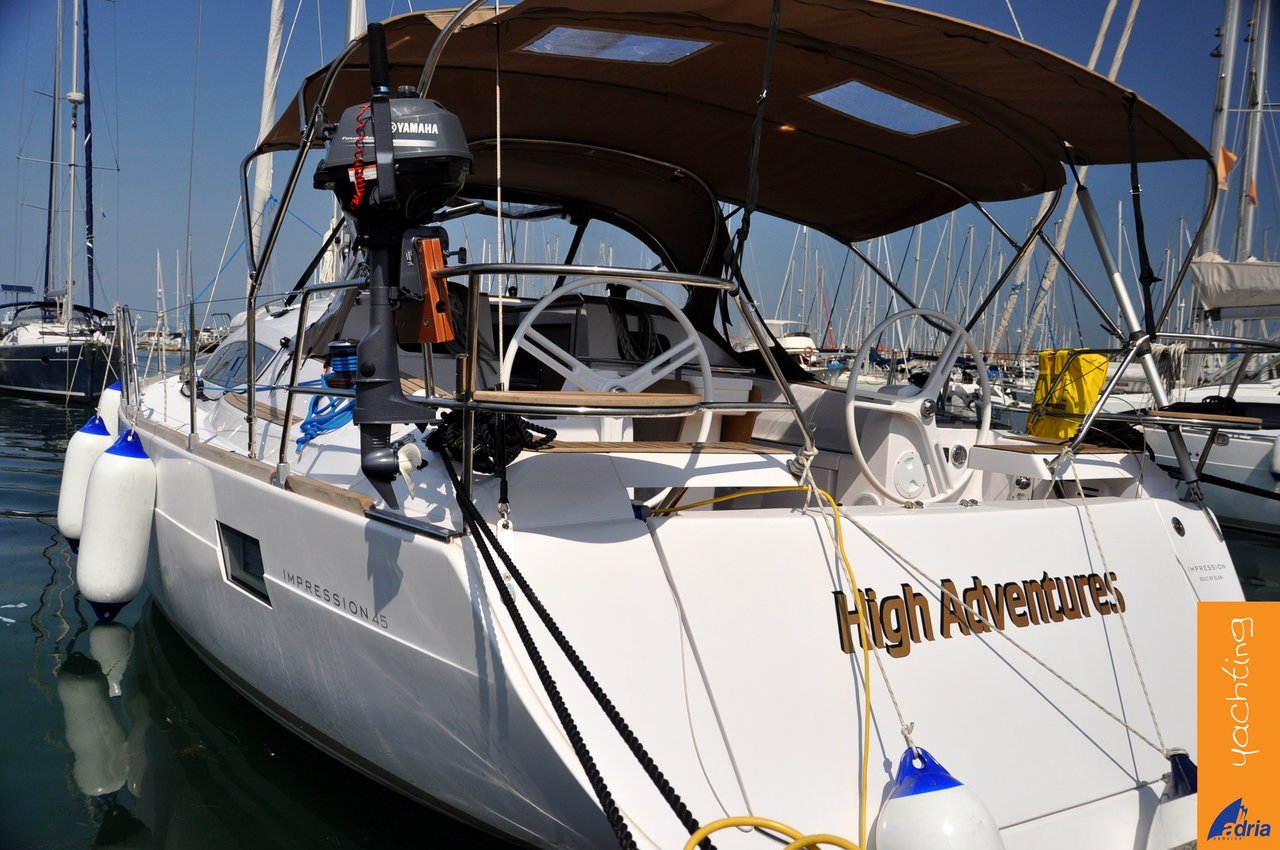 Monohull
 Monohull
 Monohull
 Monohull
 Monohull
 Monohull
 Monohull
 Monohull
 Monohull
 Monohull
 Monohull
 Catamaran
 Monohull
 Monohull
 Monohull
 Monohull
 Monohull
 Monohull
 Monohull
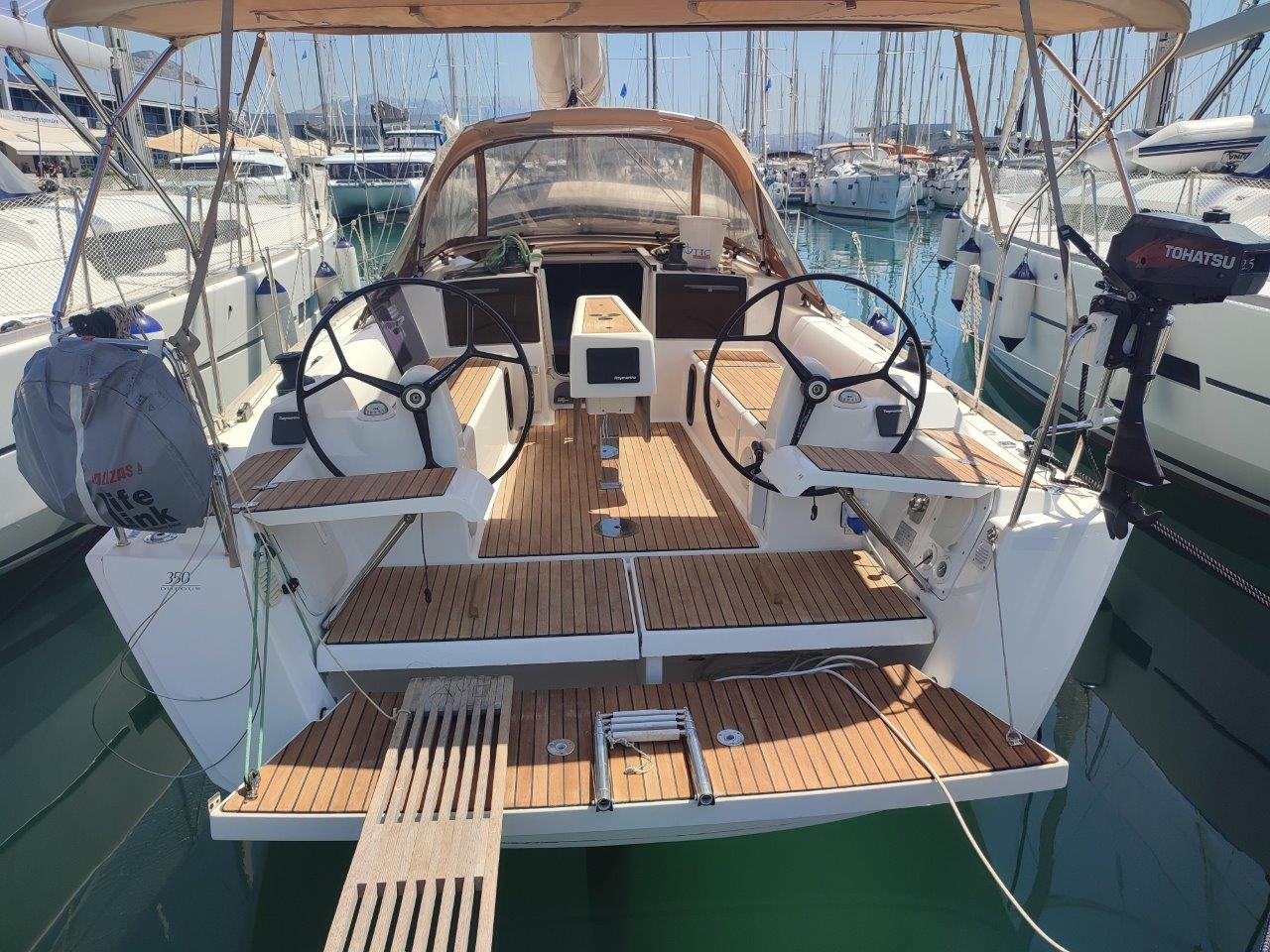 Monohull
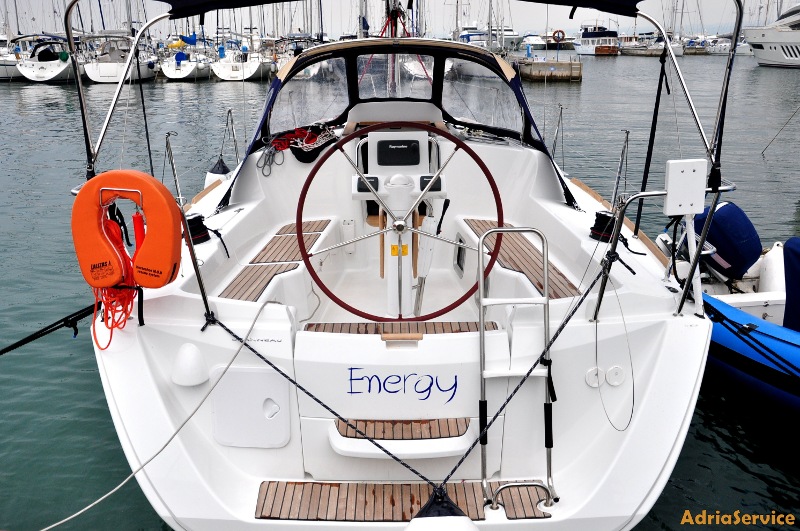 Monohull
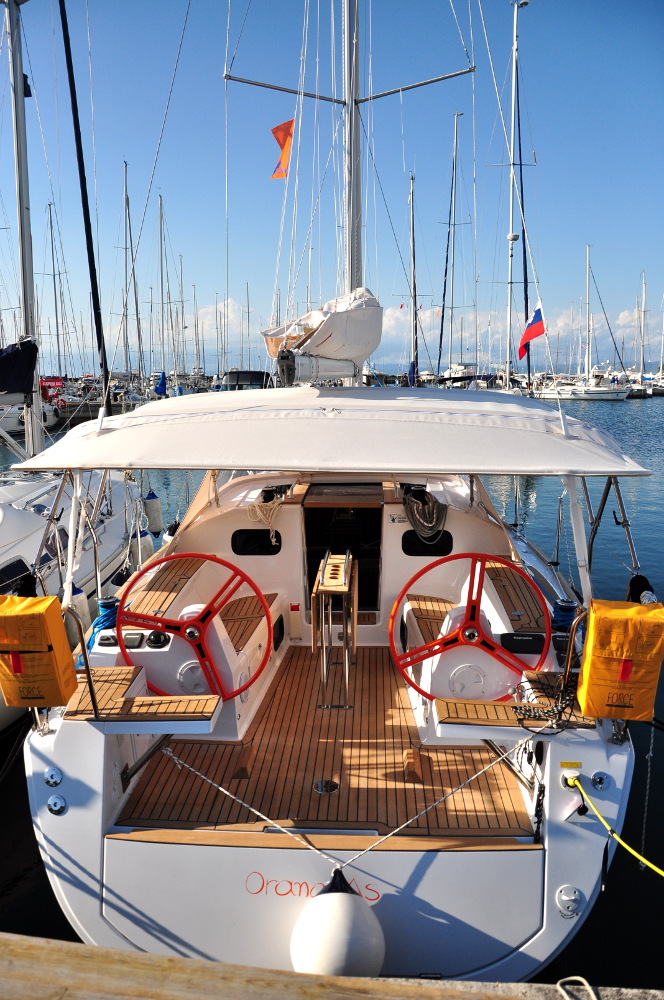 Monohull
Slovenia questions
Asked and answered.
How much does a yacht charter in Slovenia cost?
Slovenia is one of the cheaper Adriatic bases. A bareboat monohull runs a few thousand euros a week, rising with boat size and high-summer dates. On top of the base fee, budget for fuel (small — distances are short), a final clean, tourist tax and any berths away from home port. A skipper is per day plus food. Send us your dates on WhatsApp for a real quote.
Do I need a licence to charter a bareboat in Slovenia?
Yes. For bareboat you'll need a recognised sailing qualification — an ICC, RYA Day Skipper or national equivalent — plus a VHF radio certificate, and the paperwork checked at handover. If you don't hold a licence or don't know the northern Adriatic, take a skippered charter; a local skipper also reads the bora and handles the Italy and Croatia border crossings for you.
When is the best time to sail in Slovenia?
June and September are the pick — warm water, steadier air and fewer crowds than the July–August peak. The season runs roughly May to September. High summer brings a gentle north-west afternoon thermal (the maestral) and glassy mornings. In spring and autumn watch for the bora, a cold north-easterly that can arrive hard and fast off the Karst.
Where do charters start in Slovenia?
From one of three harbours in Primorska, the Slovenian coast. Koper is the transport hub with good rail and airport links but a working-port feel. Izola is a compact fishing town between the two. Piran is the walled Venetian old town most people want to see, with deep water off the point. Tell us your priorities and we'll base you accordingly.
Is Slovenia good for a family sailing holiday?
Yes. The distances are short, the summer winds are gentle, and every harbour is walkable with restaurants, swimming and old towns close to the dock. You're rarely far from a berth, which suits families who don't want long passages or open water. Take a skipper if the adults would rather not stand watch or manage the border crossings into Italy and Croatia.
Can I sail from Slovenia into Croatia or Italy?
Yes, and it's part of what makes this coast worth it. Trieste and the Italian lagoon ports are a short crossing north; Croatian Istria — Savudrija, Umag, Rovinj — is a reach to the south. It's a three-country cruising ground. Carry passports and the boat's papers, and clear in and out properly at each border. It's routine, but it does eat a few hours.
Where can I sail in Slovenia?
We charter across Primorska. Each area has its own page with the live fleet for your dates.
What kind of yachts are available in Slovenia?
Bareboat if someone on your crew holds a licence, crewed if you would rather a skipper did the work. The grid above is live from our operator system and always shows what is actually free.
How do I get a quote?
Tell us your dates, your group and the area you fancy. Same day, we send three real options with honest trade-offs.
Talk to an expert
Get three options.
Slovenia
01Why sail Slovenia
Slovenia's coast is short — 46km from the Italian border to Croatia — and that's the honest starting point. This is not a week of island-hopping. It's a compact stretch of the northern Adriatic with three working harbours, a Venetian old town at Piran, and easy hops into Italian and Croatian waters within a day's sail. We rate it as a base rather than a destination in itself: berth in Slovenia, then range out to Trieste, Grado, the Istrian ports at Umag and Rovinj, or the offshore reefs. The water is greener than the southern Adriatic, the marinas are calm, and the whole coast is walkable. Right for first charterers, families, and anyone who wants a short crossing to Croatian Istria without the long delivery. Less right for those chasing distance or a dozen anchorages a week.
02The sailing area — Primorska
Everything happens in Primorska, the Slovenian littoral. Three marinas anchor the coast. Koper is the commercial and rail hub — big port, good transport links, less charm at the quay. Izola sits between Koper and Piran, a fishing town with a compact marina and a decent restaurant strip. Piran is the one you'll want to see: a walled Venetian town on a spit, marble square, no cars in the centre, deep water off the point. From any of the three you're an hour or two from the Italian ports across the Gulf of Trieste, and a short reach south to Savudrija and Umag on the Croatian side. Distances are small, so a week here is about slow days and long lunches ashore, not passage-making.
03Season and winds
The sailing season runs roughly May to September, with June and September the pick — warm water, thinner crowds, and steadier air than the July–August peak. The northern Adriatic runs two named winds. The bora blows from the north-east, cold and gusty, funnelling down off the Karst; it's a winter and shoulder-season wind and can arrive hard and fast, so watch the forecast in spring and autumn. The jugo comes from the south-east, warm and wet, building sea over a longer fetch. In high summer the dominant pattern is a gentle afternoon thermal — the maestral — filling from the north-west by early afternoon and dying at dusk. Mornings are often glassy. It's forgiving sailing, which is part of why this coast suits people building confidence.
04What you can charter
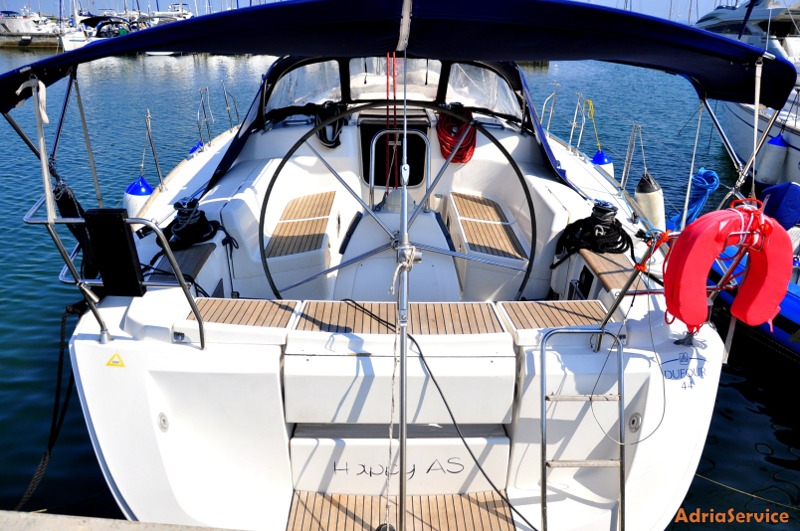
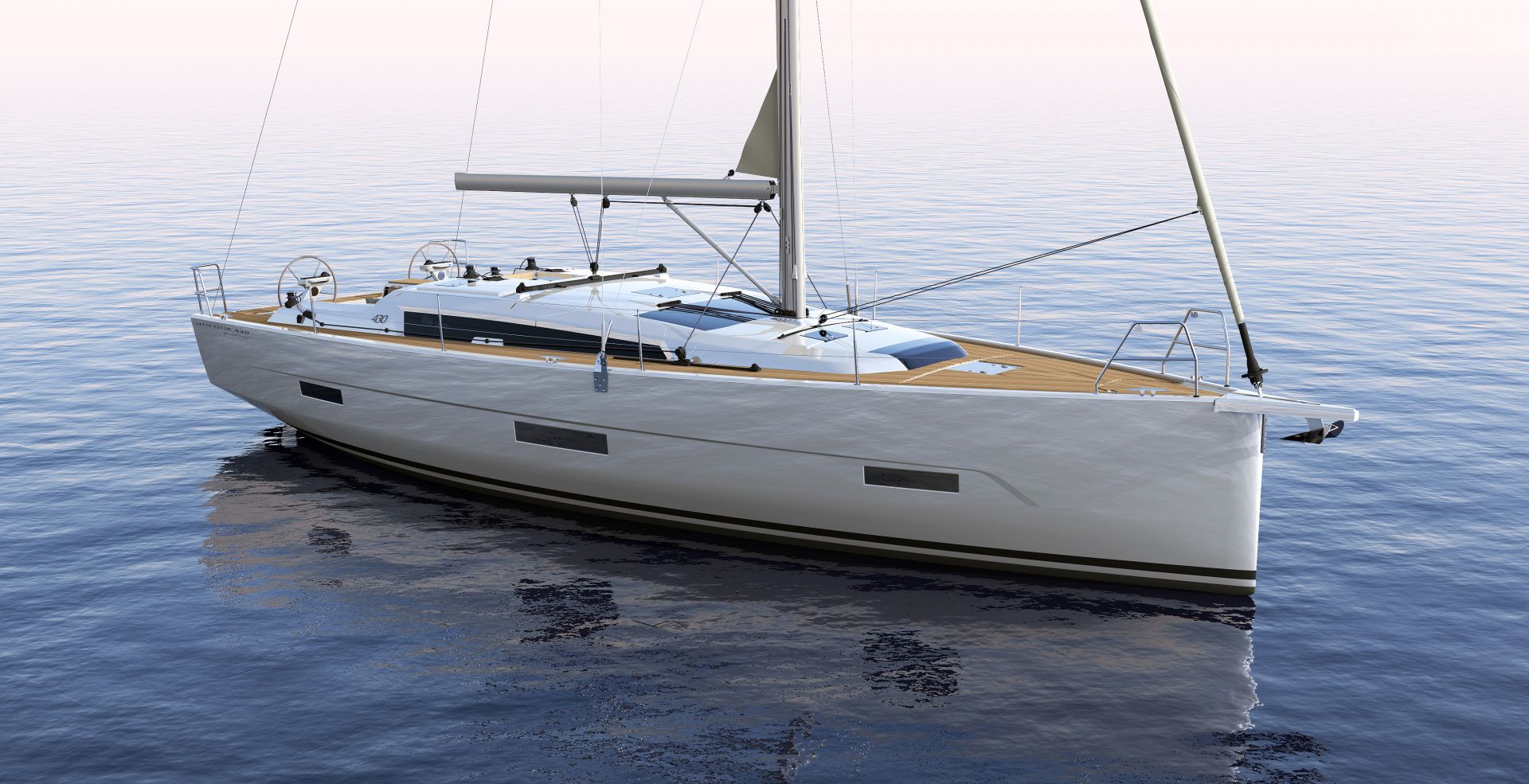
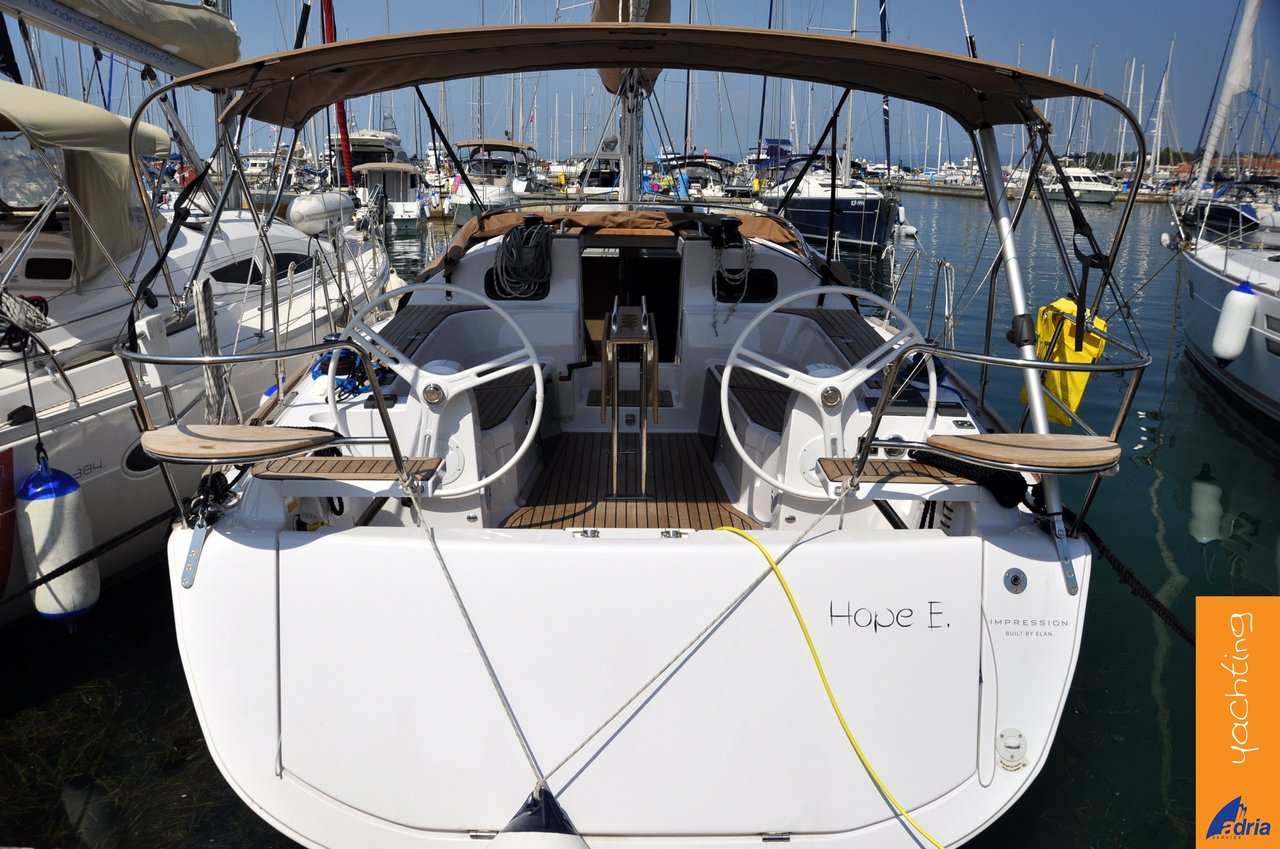
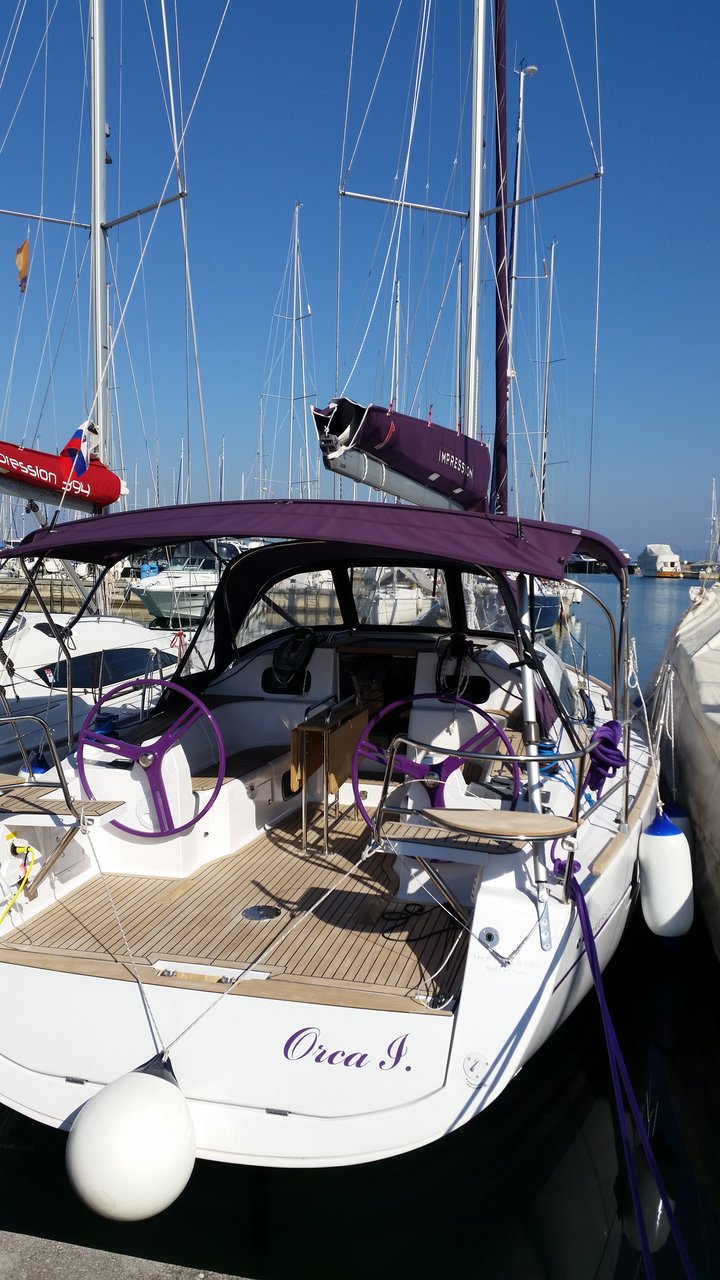
The fleet here is monohull bareboat territory — production cruisers in the 35–50ft range, the kind of boat that's easy to berth stern-to and comfortable for a family or two couples. Skippered charter is available if you'd rather not hold a licence or don't know the waters; a local skipper also earns their keep reading the bora and the border crossings. Catamarans are thinner on the ground this far north than in Croatia proper, so if you want two hulls, ask early. Half-day and day sails out of Piran and Izola suit anyone short on time or testing the water before a full week.
05What it costs
Slovenia sits at the affordable end of the Adriatic. A bareboat monohull in the low-to-mid seasons runs a few thousand euros a week; high-summer weeks and larger boats climb from there. Add fuel (small — the distances are short), marina fees if you berth outside your home port, tourist tax, and a final clean. A skipper is charged per day plus their food. Because boat, size and week vary so much, we quote Price on request rather than post a figure that goes stale. Message us on WhatsApp with your dates and party size and we'll send real numbers.
06A sample week
Day 1 — Koper or Izola. Board in the afternoon, provision, sleep at the dock. Short shakedown sail if the maestral's still up.
Day 2 — Piran. A gentle two-hour hop west. Berth off the old town, walk the walls, eat fish on the square. Deep water right up to the marina.
Day 3 — Trieste or Grado (Italy). Cross the gulf north. Trieste for the grand Habsburg waterfront and coffee; Grado for the lagoon and quieter berths. Carry passports — you're changing countries.
Day 4 — Savudrija / Umag (Croatia). Reach south into Istria. Croatia's easy to clear here and the Istrian ports add a second country's cooking to the week.
Day 5 — Rovinj or Novigrad. Push a little further down Istria if the wind serves, or dawdle back north. Rovinj's old town rivals Piran and rewards the extra miles.
Day 6 — Izola. Work back toward home base. Anchor for a swim off the coast in the afternoon lull, then a last night in the fishing-town marina.
Day 7 — Home port. Short morning sail back to Koper or wherever you started for the handover. Keep this loose — the bora can rearrange any of the above, and crossing borders eats time.
07Getting there
The coast is small and well-connected. Trieste airport (Italy) is closest, under an hour by road to Koper. Ljubljana is about 90 minutes to two hours. Venice and Pula are both realistic alternatives, each within a couple of hours. Koper is on the rail network, so trains from Ljubljana are an option if you're arriving overland. Once you're on the water, remember this is a three-country cruising ground — carry passports and the boat's papers, and clear in and out properly when you cross to Italy or Croatia. It's straightforward, but not something to skip.