 Monohull
Greece bareboat charter.
Yacht charter Greece: two winds, two moods — Ionian calm to the west, Cyclades meltemi to the east. Base stats, routes and honest season notes inside.
Available now
Yachts for your Greece week.
Live availability — every boat here is bookable for your dates. Hand-picked, vetted, clear all-in pricing.
Monohull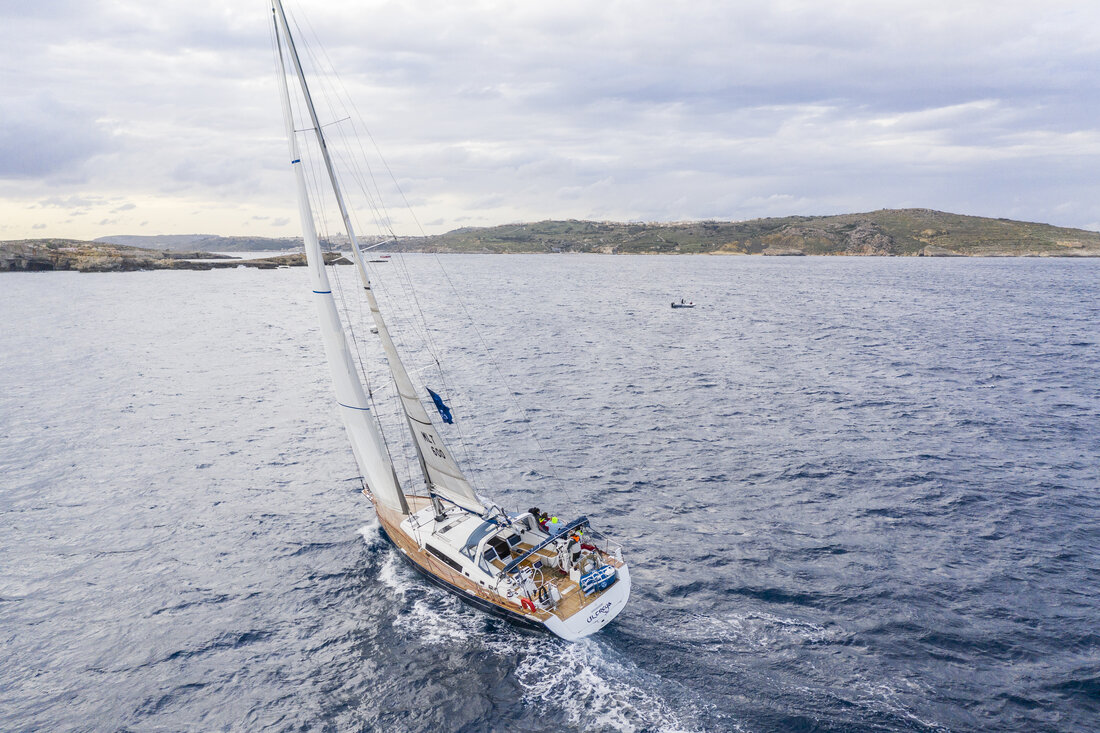 Monohull
 Monohull
 Monohull
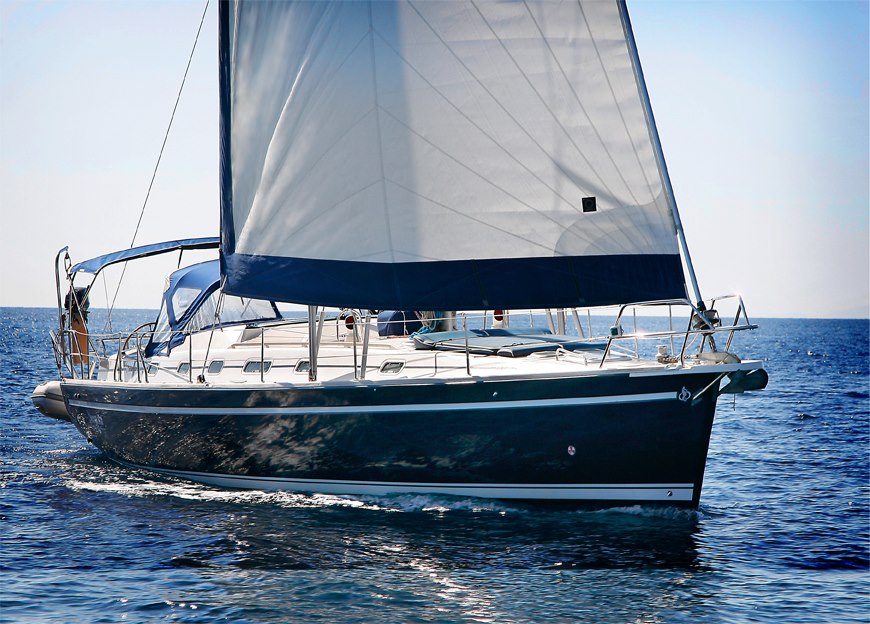 Monohull
 Monohull
Greece questions
Asked and answered.
How much does a yacht charter in Greece cost?
It depends on boat, size, season and area. A monohull is cheapest in May, June, September and October, and steepest in July and August; catamarans cost well above monohulls of the same length. On top of the base fee, budget for fuel, the end-of-charter clean, mooring in town and an optional skipper. Send us your dates and crew size on WhatsApp for a real range on boats free for those dates — price on request.
Do I need a licence to charter a bareboat in Greece?
Yes. Greek authorities require the skipper to hold a recognised sailing qualification, and for many boats a VHF radio certificate as well. A second competent crew member is often expected to be named. If you don't hold a licence, or you'd rather not skipper, take a skippered charter — a local aboard who knows the anchorages and the forecast, which is especially worth it in the Cyclades.
When is the best time to sail Greece?
June and September are the sweet spots: warm water, settled weather and fewer boats. July and August are hot and busy, and in the Cyclades the meltemi can hold Force 5–7 for days — fine for experienced crews, hard work for beginners. The Ionian stays gentle all summer. Spring and autumn bring emptier quays and lower rates, with more variable weather and the odd blow.
Where should first-timers or families start?
The Ionian around Lefkas and Corfu, or the Saronic out of Athens. Both offer short hops, sheltered water, little swell and a taverna at almost every stop — you can plan the week around lunch swims. The meltemi rarely bothers the Ionian, so the sailing stays relaxed. Flotillas run in these grounds too, which is the gentlest way in if it's your first Greek charter.
What is the meltemi and does it affect my charter?
The meltemi is a dry northerly that funnels down the Aegean in high summer, mainly July and August. It can blow Force 5–7 for days and makes the exposed Cycladic passages demanding — you plan around it with bail-out anchorages in mind. It barely reaches the Ionian, where the summer breeze is a gentle midday north-westerly. If you want calm sailing in peak season, sail the west, not the east.
How do I get to the charter base?
For Athens, the Saronic and Peloponese, fly into Athens and transfer to Alimos or Lavrio. For the Ionian, Preveza serves Lefkas, Corfu the north, Kefalonia the south. The Cyclades run through Athens or seasonal flights to Mykonos and Santorini; the Dodecanese through Rhodes or Kos. Most bases are 30–90 minutes from their airport. Handover is usually Saturday, boarding mid-afternoon.
Can I sail Greece on a catamaran?
Yes, and they're the first boats to book out. Catamarans suit families and groups wanting space, shallow draught for tucking into bays, and a steadier platform at anchor. They cost well above a monohull of the same length, and demand for July and August is high — reserve early. Message us on WhatsApp with your dates and crew size and we'll show you what's free.
Greece
Bareboat Charter in Greece.
## Why sail Greece
Greece is two sailing countries wearing one flag. To the west, the Ionian: green islands, short hops, water that goes flat by breakfast, tavernas a stern-line away. To the east, the Aegean: bare Cycladic rock, a wind that gets up every afternoon in high summer, and the kind of passage-making that rewards a crew that knows what it's doing. You can spend a week never sailing more than 12 miles between anchorages, or you can point a bow into the meltemi and earn your dinner. Both are Greece. Pick the side that matches your crew, not the postcard.
## The sailing areas
The **Ionian** — around Corfu, Lefkas, Kefalonia and Zakynthos — is the beginners' and families' ground. Distances are short, the swell rarely builds, and you can plan a week by lunch stops. The **Athens area, Saronic and Peloponese** ground is the most-chartered in the country: quick to reach from the airport, sheltered water, Aegina and Hydra within a day's sail, and Poros as a reliable turnaround.
East and south, the **Cyclades** — Paros, Naxos, Mykonos, Santorini — are open, dramatic and exposed. This is where the meltemi lives. The **Dodecanese** — Rhodes, Kos, Symi, Leros — sit close to the Turkish coast and mix Byzantine harbours with sheltered bays; a strong option in shoulder season. North, the **Sporades** around Skiathos and Volos are green, quiet and underrated. **Northern Greece and the Aegean** and **East Macedonia and Thrace** round it out for crews who want emptier water.
## Season and winds
The charter season runs roughly May to October. **June and September** are the sweet spots: warm water, settled weather, fewer boats. **July and August** are hot, busy and — crucially in the Cyclades — windy. The **meltemi** is a dry northerly that funnels down the Aegean in high summer; it can hold Force 5–7 for days and shuts down the exposed Cycladic passages for less experienced crews. Plan Aegean summers with bail-out anchorages in mind.
The **Ionian** is far kinder. The prevailing summer breeze there is the *maïstro*, a gentle north-westerly that fills in around midday and dies at dusk — sail in the afternoon, anchor for a swim, dine ashore. Spring and autumn bring more variable weather and the odd blow, but also empty quays and cheaper rates. Water is swimmable from late May into October.
## Charter types
Most of the fleet is **bareboat** — you and your crew, no professional aboard — spread across monohulls and catamarans from small cruisers up to larger 50-footers. If you'd rather not skipper, **skippered charters** put a local aboard who knows the anchorages and the forecast; the best reason to take one in the Cyclades is meltemi local knowledge. **Cabin charters** — booking a berth rather than the whole boat — suit solo travellers and couples. **Flotillas**, where a lead boat shepherds a group, remain the gentlest way into Greek sailing for first-timers, especially in the Ionian.
Catamarans book out first for families and groups wanting space and shallow draught. If you want one for July or August, reserve early.
## Costs
A bareboat monohull in the shoulder season starts lower and climbs steeply into August; catamarans sit well above monohulls of the same length. Rather than quote figures that go stale, we give you a real range on the boats actually free for your dates. **Price on request** via WhatsApp — send us crew size, dates and preferred area and we'll come back with options.
Budget beyond the charter fee for: fuel (you pay for what you burn), the end-of-charter clean, an optional skipper if you take one, and mooring. Many Ionian anchorages are free; town quays and marinas charge, and Cycladic marinas in season are not cheap. Provisioning a week aboard is comfortably cheaper than eating ashore every night — the tavernas are the treat, not the obligation.
## A sample Ionian week
**Day 1 — Lefkas.** Board in the afternoon, provision, short hop to Nidri or Tranquil Bay to settle in. **Day 2 — Meganisi.** Round into Vathi or one of the fingered bays; swim, walk to a hillside taverna. **Day 3 — Kastos or Kalamos.** Quiet islands, stern-to on the quay, one taverna, no traffic. **Day 4 — Fiskardo, Kefalonia.** The prettiest harbour on the route and the busiest — arrive early or anchor off. **Day 5 — Sivota, Lefkas.** A landlocked bay ringed with tavernas; easy night. **Day 6 — Vathi, Ithaca.** Homer's island; grab a lunch swim off Gidaki. **Day 7 — back toward Lefkas** for the canal timing and an early handover. Short days, warm nights, no passage over about 20 miles.
## Getting there
For the Saronic and Athens ground, fly into **Athens (ATH)** and transfer to the marinas at Alimos or Lavrio. For the Ionian, **Preveza (PVK)** serves Lefkas, **Corfu (CFU)** the north, and **Kefalonia (EFL)** the south. The Cyclades run through **Athens** or seasonal flights to **Mykonos** and **Santorini**; the Dodecanese through **Rhodes (RHO)** or **Kos (KGS)**. Most bases sit within 30–90 minutes of their airport.
Bring the paperwork: EU-style photo ID or passport, and the skipper's sailing qualification plus (for many charters) a VHF certificate. Handover is usually Saturday, boarding mid-afternoon, off by morning at the end. Right for first charterers and families on the Ionian and Saronic; the Cyclades in summer suit crews comfortable in a fresh breeze.
Bareboat Charter
Sailing it yourself — licences, navigation and anchorages
Bareboat means you skipper. You'll need a recognised licence (ICC + VHF, RYA Day Skipper or ASA 104+) and a confident hand aboard — if no one on the crew is qualified, take the same yacht skippered and our captain drives.
We brief you on the local navigation: the channels and headlands that funnel the wind, where to anchor versus take a mooring, provisioning ports, and the best first-timer route versus the longer run for experienced crews.