 Monohull
Sail Tuscany.
Live fleet
Monohull Monohull
 Monohull
 Monohull
 Monohull
 Monohull
 Monohull
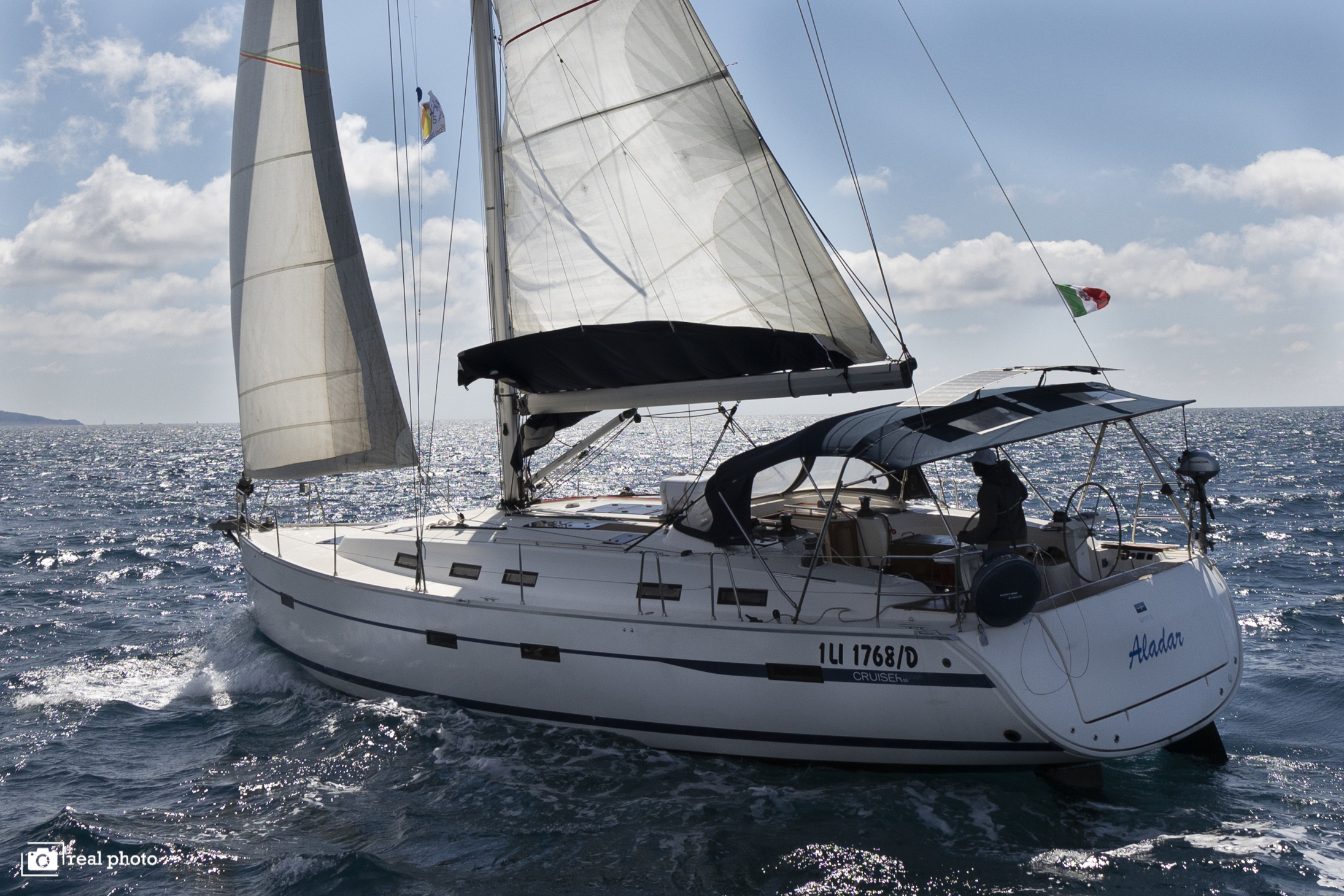 Monohull
 Monohull
Santa Maria Novella
Dufour 520 GL - 4. cab · 2018Porto di Cecina, Italy
10 guests4 cabins15 m
€4,000 / week
+ Compare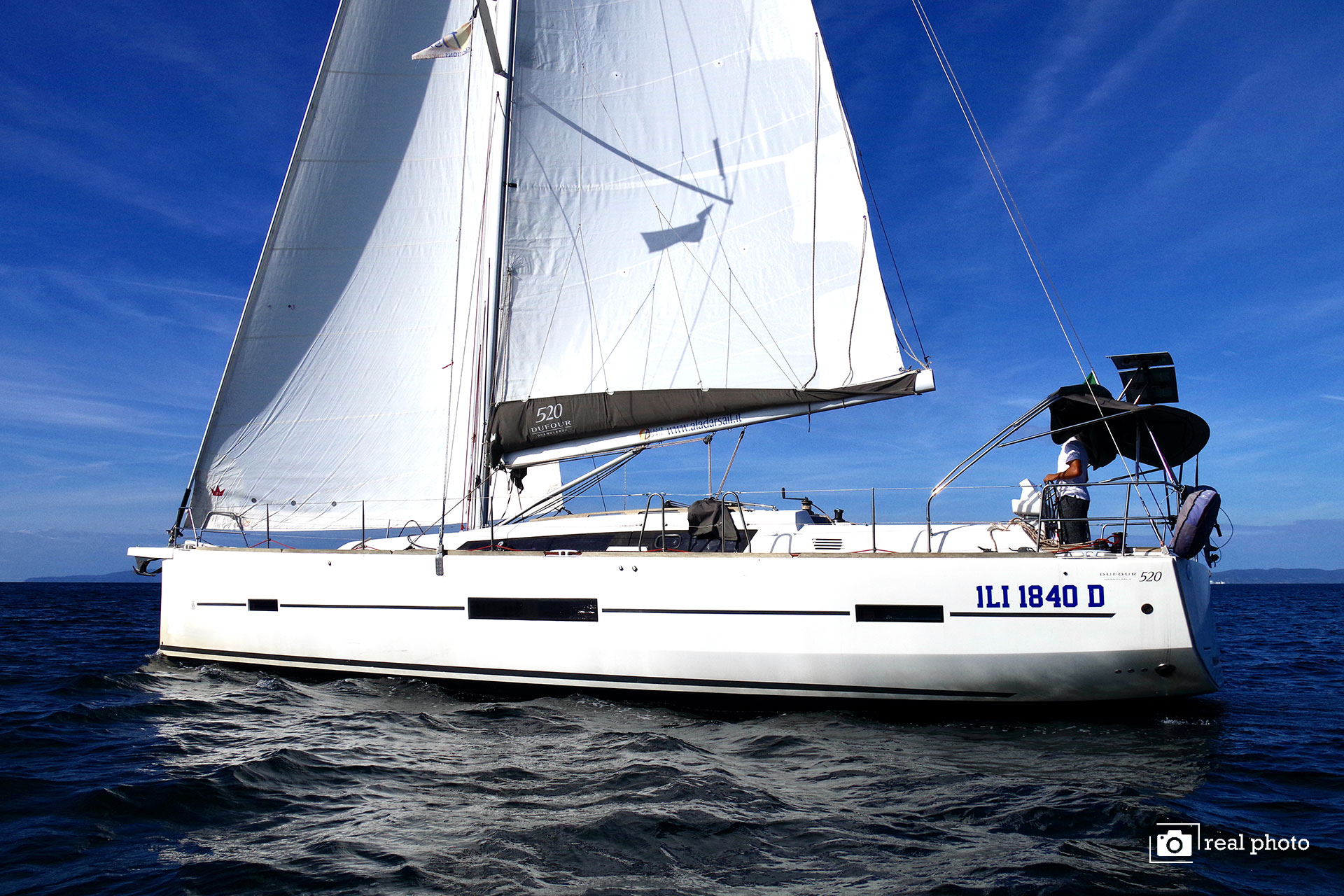 Monohull
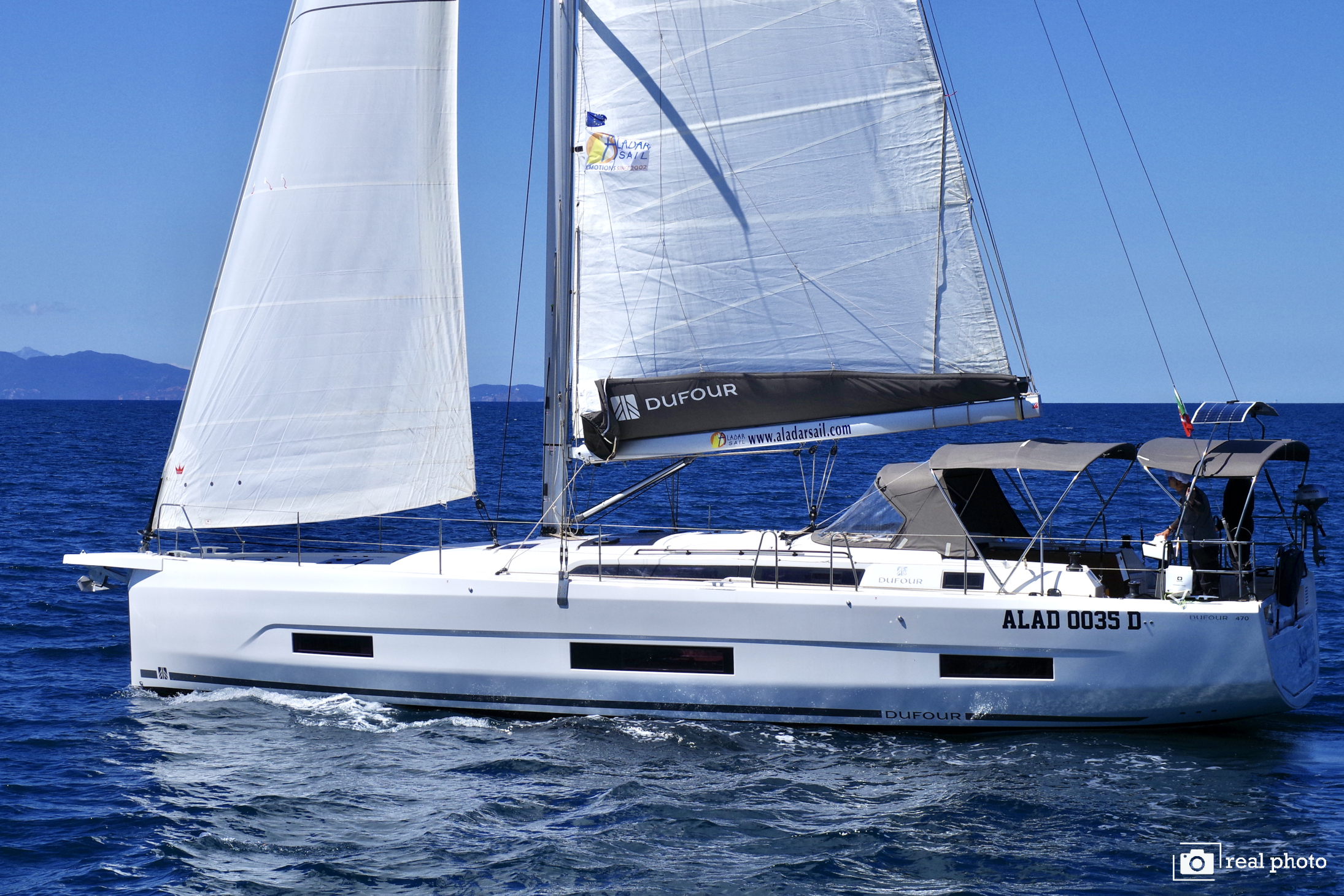 Monohull
 Monohull
 Catamaran
 Catamaran
 Monohull
 Monohull
 Monohull
 Monohull
 Monohull
 Monohull
 Monohull
 Monohull
 Catamaran
 Monohull
 Monohull
 Monohull
 Monohull
 Monohull
 Catamaran
 Catamaran
 Monohull
 Monohull
 Monohull
 Monohull
 Monohull
 Monohull
 Monohull
 Monohull
 MonohullMonohull
 Monohull
 Monohull
 Monohull
 Monohull
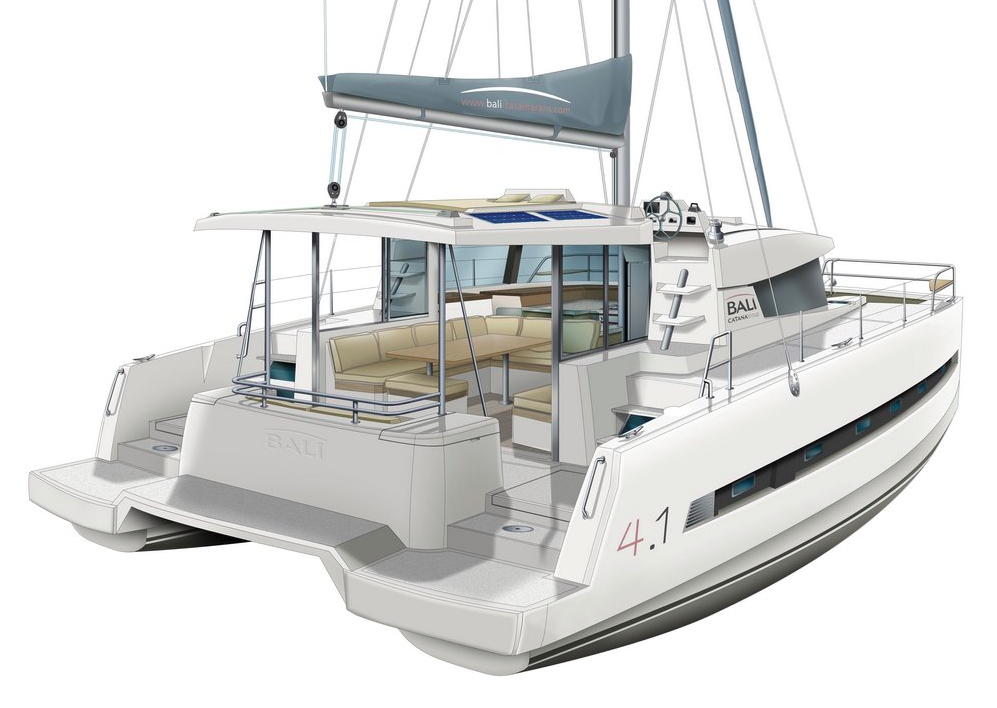 Catamaran
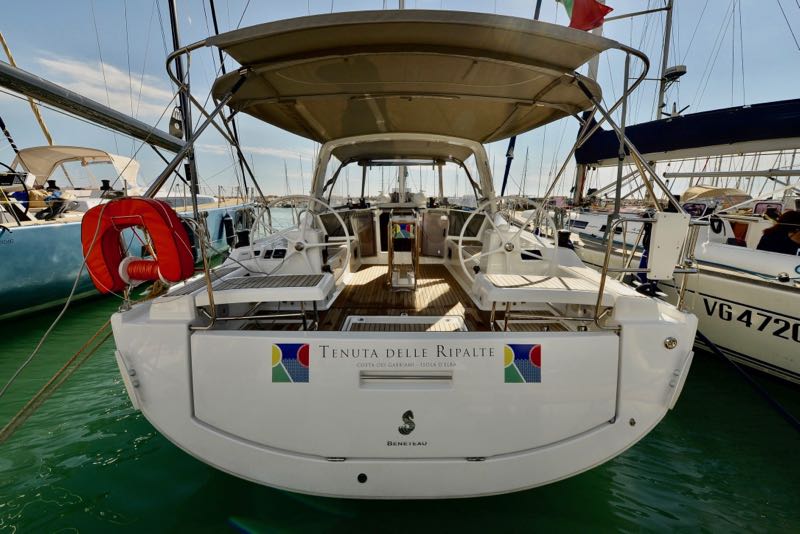 Monohull
Tenuta delle Ripalte
Oceanis 41.1 · 2018Porto di Cecina, Italy
8 guests3 cabins12 m
€2,400 / week
+ Compare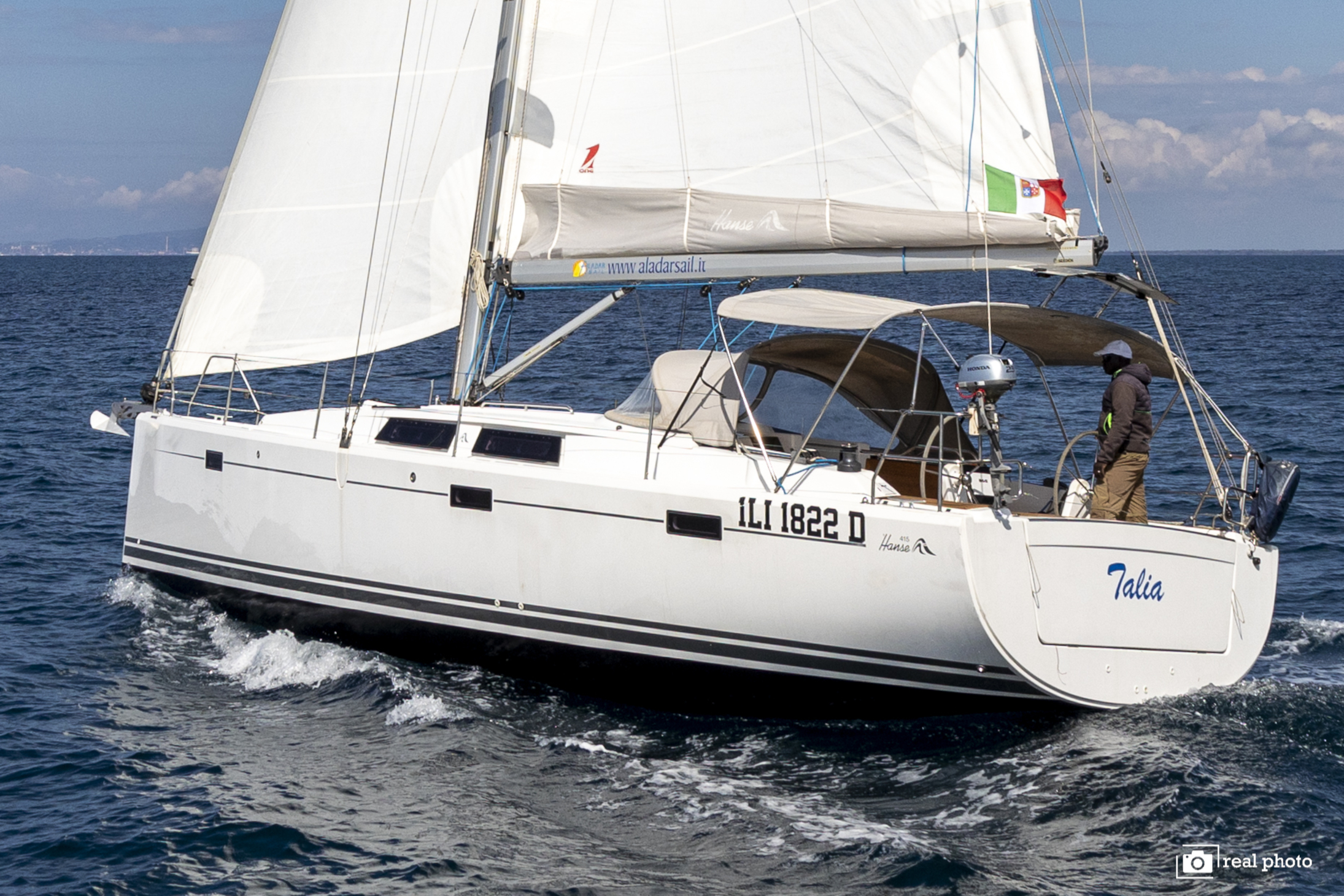 Monohull
 Monohull
Tuscany questions
Asked and answered.
How much does a yacht charter in Tuscany cost?
A bareboat week costs less in the May–June and September–October shoulders and more at the July–August peak. Smaller monohulls sit at the bottom of the range, larger yachts and catamarans at the top. On top of the base fee, budget for fuel, marina nights, end cleaning and a security deposit. We quote a live figure for your exact dates and boat on request — message us on WhatsApp.
Do I need a licence to charter a bareboat in Tuscany?
Yes. Italy requires the skipper to hold a recognised sailing qualification — an ICC, RYA certificate or national equivalent — plus a VHF radio operator's certificate. You'll also complete a skipper's declaration and sailing CV at check-in. If your paperwork is borderline, tell us before you book and we'll confirm what's accepted, or arrange a skipper for the first day.
When is the best time to sail Tuscany?
June and September are the pick: warm water, settled winds around 8–15 knots and fewer boats than August. July and August are hot and busy, with the popular Elba anchorages filling by mid-afternoon. May and October are quieter and cheaper but the weather is less certain. Avoid the August peak if you can — the sailing is the same, the crowds aren't.
Where do charters start?
The main bases are around the Gulf of Follonica — Marina di Scarlino and Punta Ala — with additional harbours at Marina di San Vincenzo, Porto di Cecina and Piombino up and down the coast. All put you within an easy 20-mile day sail of Elba and the rest of the Tuscan Archipelago. We confirm your exact marina when you book.
Is Tuscany good for a first bareboat charter or for families?
Yes to both. Distances are short, navigation is straightforward and summer winds are usually light to moderate — a forgiving ground for a first skipper. There are calm coves for swimming and plenty of harbours to duck into. For families we'd suggest a catamaran for the deck space and shallow draft. If you'd like a skipper for the first day to learn the waters, ask us.
Can I sail to the Tuscan islands, and are there restrictions?
Elba, Capraia and Giglio are all within reach and welcome visiting yachts. Pianosa and Montecristo are protected marine reserves with landing and anchoring restrictions, so check the current rules before planning a stop there. The mistral can build in the exposed western channels, so watch the forecast before committing to a Capraia or Giglio leg.
How do I get to the Tuscan coast?
Fly into Pisa or Florence, both under two hours from the coast; Rome Fiumicino is a longer transfer south. From Pisa it's a straightforward drive down the coast road, or take the Tyrrhenian line train to Follonica or Cecina and a short taxi to the marina. Aim for a morning arrival on your check-in day so you have time to provision before sailing.
Where do the yachts in Tuscany sail from?
Boats sailing Tuscany all year — boats operate from Marina di Scarlino - Follonica, Marina di San Vincenzo Toscana, Porto di Cecina, Punta Ala and Piombino - Marina Arcipelago Toscano. The fleet list above is live from our operator system, so it always shows what is actually available for your dates.
Bareboat or crewed in Tuscany?
These are bareboat yachts — someone on your crew needs a recognised licence. If nobody has one, we will find you the same boat with a skipper.
How do I get a quote?
Send us your dates, your group and roughly the boat you want. Same day, we reply with real options, real prices and the honest trade-offs.
Talk to an expert
Get three options.
Charter types
Charter types in Tuscany.
Bareboat charter
You skipper it yourself — licence required.
Tuscany
01Why sail Tuscany
Most people come to Tuscany for hill towns and wine. We come for the water between the coast and the islands. From the marinas around Scarlino and Punta Ala you look out at the Tuscan Archipelago — Elba the big one, then Capraia, Pianosa, Giglio and Montecristo scattered across a stretch of the Tyrrhenian that stays sailable and unhurried for most of the season.
The draw here is variety inside short distances. You can be at anchor off Elba by lunchtime, swimming in clear water over sand, and back on the mainland for a proper dinner. The winds are gentle enough for a first bareboat week but there's open water to the islands if you want it. It suits sailors who like a real destination at the end of a passage rather than one long crossing.
02Sailing areas and harbours
The usual base is the Gulf of Follonica, with marinas at Marina di Scarlino, Punta Ala, and further up and down the coast at Marina di San Vincenzo, Porto di Cecina and Piombino. Piombino is the ferry gateway to Elba, so the channel there sees traffic — plan your crossings around it rather than through it.
Elba is the centre of gravity. Portoferraio has a big protected harbour and Napoleon's old town above it; the south and west coasts hide coves like Fetovaia and Cavoli with water the colour of a swimming pool. Capraia, further out, is quieter and wilder — a single harbour town and good walking. Giglio, to the south, rewards the longer leg with a walled hilltop and clear anchorages. Pianosa and Montecristo are protected reserves with landing restrictions, so check the current rules before you plan a stop.
Distances are forgiving. Scarlino to Elba is roughly 20 nautical miles, an easy day sail. You rarely need to push.
03Season and winds
The charter season runs broadly May to October. June and September are the sweet spot: warm water, settled weather, fewer boats than the August peak. July and August are busy and hot, and the popular Elba anchorages fill early — arrive by mid-afternoon if you want a spot.
Winds are typically light to moderate, often 8–15 knots in summer, with sea breezes building through the afternoon and dropping in the evening. The mistral can push down from the north-west and kick up the exposed western channels, so keep an eye on the forecast before committing to a Capraia or Giglio leg. This is not a heavy-air ground most weeks — good news for newer skippers, less so if you're chasing 25 knots on the beam.
04Charter types
We run bareboat here — you take the boat and you're the skipper. That's the format that fits these waters: short hops, straightforward navigation, and plenty of harbours to duck into. Crewed and skippered options aren't part of the Tuscan fleet at present; if you'd like a skipper for the first day to learn the ground, ask us on WhatsApp and we'll tell you what's possible.
Monohulls dominate the fleet, with catamarans available for families and groups who want deck space and shallower draft for the coves. Boats range from compact 30-something-footers up to larger yachts for two families sharing.
05Costs
As a rough guide, a bareboat week in the shoulder months starts lower and climbs into the peak of July and August. Smaller monohulls sit at the bottom of the range; larger yachts and catamarans at the top. Rather than quote a figure that goes stale, we give you a live price for your dates and boat — price on request via WhatsApp.
Budget separately for fuel (light, given the short distances), marina fees on nights you don't anchor, the end cleaning fee, and the security deposit or damage waiver. Tuscan marinas are well run and priced accordingly — a berth at Portoferraio in August costs more than a quiet mainland harbour. Provisioning is easy and good; the local markets are worth the trip ashore on their own.
06A sample week
Day 1 — Board at Scarlino or Punta Ala in the afternoon, provision, sleep aboard. Short shakedown sail if the wind allows.
Day 2 — Cross to Elba, around 20 miles. Anchor off the south coast — Fetovaia or Cavoli — and swim before finding a harbour for the night.
Day 3 — Round to Portoferraio. Walk the old town, restock, eat well on the quay.
Day 4 — Long leg out to Capraia if the forecast is kind. Quiet harbour, good walking, fewer boats.
Day 5 — Back towards Elba's north or east coast, an easy sail with the afternoon breeze. Anchor and swim.
Day 6 — South towards Giglio if you want the miles, or a slow day among Elba's coves if you don't.
Day 7 — Return leg to the mainland, timing the Piombino channel to stay clear of the ferries. Last night at anchor or in the home marina.
Day 8 — Disembark in the morning.
Adjust freely — the archipelago gives you room to do less rather than more, which is usually the right call.
07Getting there
The practical airports are Pisa and Florence, both under two hours by car or train to the coast. Rome Fiumicino is a longer transfer south. From Pisa it's a straightforward drive down the coast road to Scarlino, Punta Ala or San Vincenzo. Trains run down the Tyrrhenian line to Follonica and Cecina, and a short taxi finishes the trip to the marina.
Check-in is usually mid-afternoon on the Saturday, so a morning flight lands you aboard with time to provision. Bring your sailing licence and radio certificate — Italy expects them. If you're driving in during peak summer, parking near the marinas fills up, so ask us in advance and we'll point you to the right lot.