 Motor Yacht
Sail Montenegro.
Live fleet
Motor Yacht Gulet
GuletSadri Usta 1
Sadri Usta 1 · 2005Porto Montenegro, Montenegro
16 guests6 cabins32 m
€32,000 / week
+ Compare Gulet
GuletKaptan Sevket
Kaptan Sevket · 2003Porto Montenegro, Montenegro
12 guests6 cabins29 m
€24,000 / week
+ Compare Catamaran
 Monohull
 Monohull
 Monohull
 Monohull
 Monohull
 Monohull
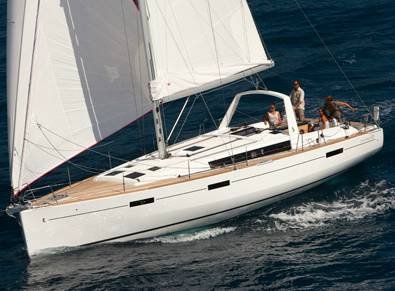 Monohull
 Monohull
 Catamaran
 Catamaran
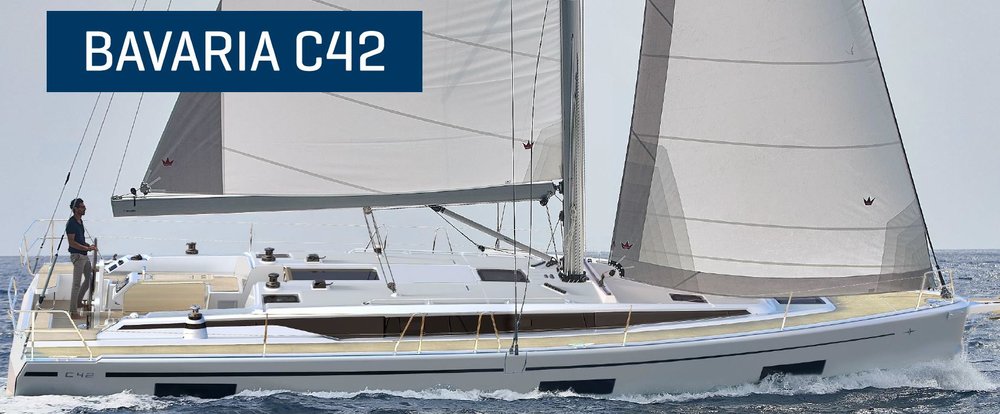 Monohull
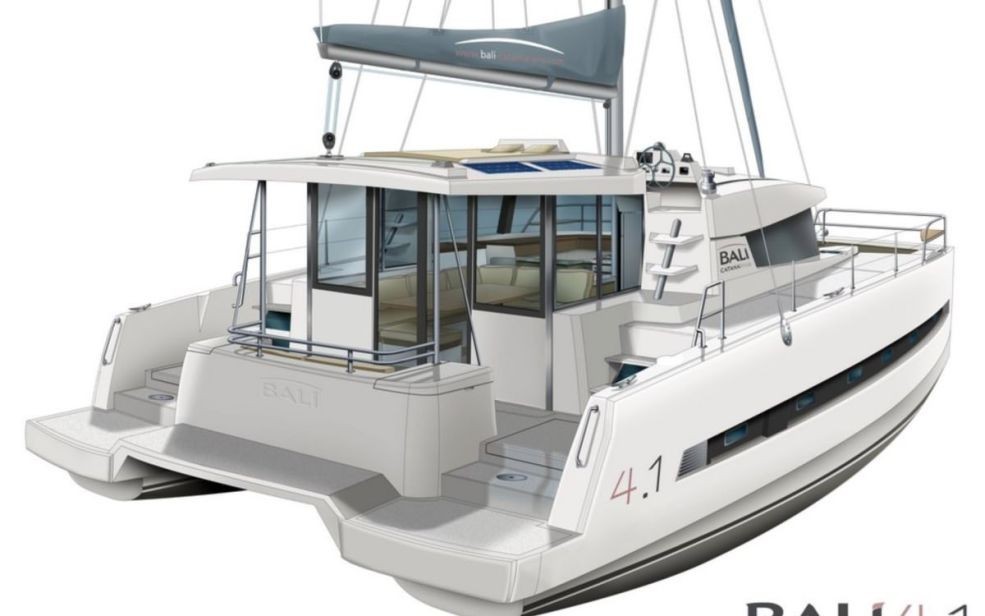 Catamaran
 Catamaran
 Monohull
 Catamaran
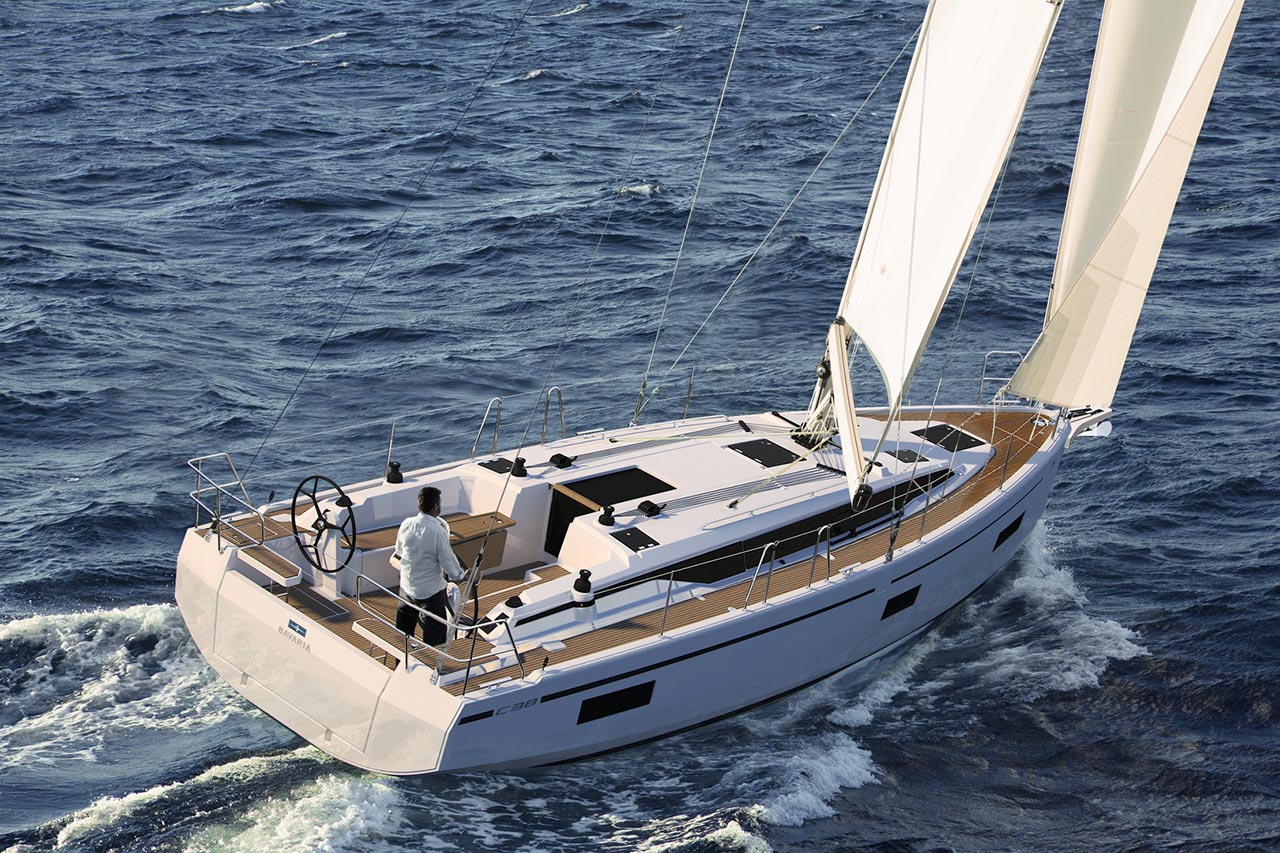 Monohull
By the cabin
Cabin cruises in Montenegro
Scheduled crewed cruises — book by the cabin and share the yacht with a small group.

More cabin cruises
Other departures you can join, wherever you fancy sailing.
 €3,500per person
Croatia and Montenegro Cruise
Naya · crewed
Dubrovnik region, Croatia
7 days · Departs 26 Sept 2026View cabins
 €1,090per person
Modul B - Dufour 460 GL - Athi
Athi · crewed
Šibenik region, Croatia
7 days · Departs 26 Sept 2026 · 21 more datesView cabins
 €1,090per person
Modul B - Dufour 460 GL - Vellamo
Vellamo · crewed
Šibenik region, Croatia
7 days · Departs 26 Sept 2026 · 21 more datesView cabins
 €1,200per person
Sail the Aeolian Islands
Maria Louise II · crewed
Sicily, Italy
7 days · Departs 26 Sept 2026View cabins
 €5,000per person
More Package Greece
Zephyre · crewed
Ionian Islands, Greece
7 days · Departs 28 Sept 2026View cabins
 €1,090per person
Modul A - Aventura 37 - Ankolina
Ankolina · crewed
Šibenik region, Croatia
7 days · Departs 3 Oct 2026 · 2 more datesView cabins
Montenegro questions
Asked and answered.
How much does a yacht charter in Montenegro cost?
As a rough guide, bareboat monohulls in the 40 to 45ft range run from around EUR 2,500 to 5,000 per week, with August at the top end. Catamarans typically start near EUR 5,000. Add a skipper at roughly EUR 180 to 220 per day. Marina fees, fuel, cleaning and tourist tax are extra. For a firm quote on a specific yacht and week, message us on WhatsApp — price on request.
Do I need a licence to charter a bareboat in Montenegro?
Yes. For a bareboat you'll need a recognised sailing qualification (ICC, RYA Day Skipper or equivalent) and usually a VHF radio certificate, plus some logged experience. The Bay of Kotor is forgiving and well-marked, so it suits competent crews. If you don't hold a licence or want an easier week, take a skippered charter — a local skipper handles the paperwork and the Verige narrows traffic.
When is the best time to sail Montenegro?
June and September are the sweet spot: warm water, thinner crowds and more reliable sailing breeze from the afternoon maestral. July and August are hot and calm inside the bay — great for swimming, quieter on wind, and busiest in Kotor and Budva. May and October are cooler shoulder months with the chance of the gusty bora. The season runs roughly May to October.
Where do charters start in Montenegro?
Most charters begin at Porto Montenegro in Tivat, a deep, well-run marina with fuel, chandlery and the airport ten minutes away. It sits inside the Bay of Kotor, so you get sheltered water for a shakedown before heading out through the Verige narrows to the open coast. Kotor town is an alternative base at the head of the inner bay, though berthing there is tighter in season.
Is Montenegro good for a family sailing holiday?
Yes. The Bay of Kotor gives flat, sheltered water and short hops between anchorages, so nobody's stuck on a long passage. Swimming stops off Perast, Rose and Sveti Stefan are easy, and the towns are walkable. Catamarans work well for families with their space and shallow draft. If you'd rather not manage the boat yourself, a skippered charter frees you up to focus on the crew.
How do I get to Montenegro for a charter?
Tivat airport is ten minutes from Porto Montenegro and takes seasonal European flights. Dubrovnik in Croatia is the larger hub, about a 90-minute drive with a land border crossing — allow for queues in summer. Podgorica is a further inland option. Montenegro uses the euro but sits outside Schengen, so bring your passport for the border. The marina handles the crew list and vignette.
Where can I sail in Montenegro?
We charter across Montenegro. Each area has its own page with the live fleet for your dates.
What kind of yachts are available in Montenegro?
Bareboat if someone on your crew holds a licence, crewed if you would rather a skipper did the work. The grid above is live from our operator system and always shows what is actually free.
How do I get a quote?
Tell us your dates, your group and the area you fancy. Same day, we send three real options with honest trade-offs.
Talk to an expert
Get three options.
Montenegro — Yacht Charter
Arriving and practical notes
Tivat airport is ten minutes from Porto Montenegro and takes seasonal flights from across Europe. Dubrovnik airport in Croatia is the bigger hub, about a 90-minute drive with a land border crossing — factor queue time in summer. Podgorica, the capital, is a further option inland.
Montenegro uses the euro despite being outside the EU, which keeps things simple. It is outside Schengen, so bring your passport for the crossing. Charter formalities are straightforward — the marina handles the crew list and vignette. English is widely spoken around the coast. One honest caveat: Kotor and Budva both take cruise ships and coach tours in peak summer, so the towns are busiest midday — sail out, come back for evenings, and you'll dodge most of it.
Montenegro
01Why sail Montenegro
Montenegro packs a lot of coast into a short country. The Bay of Kotor cuts 15 nautical miles inland, walled by mountains that drop straight into deep water — the closest thing the Mediterranean has to a fjord. Sail past Perast at first light and the water is glass, the church islets sit mid-channel, and the karst above still holds cloud. Outside the bay the open Adriatic runs south past Budva and Sveti Stefan toward the Albanian border. It's compact enough to sail in a week without long deliveries, and quieter than Croatia one border north.
We rate it for the contrast: sheltered flat-water sailing inside the bay, then real coastal passages once you clear the Verige narrows. You get both in the same charter.
02The sailing areas and harbours
Everything starts in the Bay of Kotor. Porto Montenegro at Tivat is the main base — a deep, well-run marina with fuel, chandlery and an airport ten minutes away. Kotor town sits at the head of the inner bay, walls rising behind the quay; it's a fine overnight but gets tight in season. Perast, halfway in, has no proper marina but you can anchor off the two islets, Gospa od Škrpjela and Sveti Đorđe.
Clear the Verige narrows — 300m wide, watch the ferry traffic — and you're in the outer bay past Herceg Novi, then the open sea. South of the entrance lie Budva's old town harbour, the anchorage below Sveti Stefan, and Bar further down for those wanting distance. Total cruising coast is short, maybe 40 miles end to end, so plan for exploring rather than covering ground.
03Season and winds
The season runs roughly May to October. July and August are hot, busy and reliably calm inside the bay — good for swimming, less good if you want wind. June and September are the sweet spot: warm water, thinner crowds, more sailing breeze.
Winds here are local and mountain-driven. Inside the bay the katabatic effect means mornings are often flat and thermals fill in by midday. The maestral, a north-westerly sea breeze, is the workhorse of summer afternoons on the open coast — usually 10 to 18 knots. Watch for the bora, a cold northeasterly that funnels down off the mountains; it's rare in high summer but can be strong and gusty in shoulder season. The jugo, a wet southerly, brings the swell. None of this is Aegean meltemi — Montenegro is a gentler wind picture, which suits less experienced crews.
04Charter types available
We run bareboat and skippered charters here, sail and catamaran. Bareboat suits crews with a licence and bay experience — the Kotor waters are forgiving and well-marked. Skippered is the easy option if you'd rather not deal with the Verige traffic or the paperwork, and a local skipper knows the anchorages that don't show on the chart. Catamarans work well for families and for the flat inner-bay water, though berthing in Kotor's old harbour is tighter for a wide beam. Crewed charters with a cook are available on the larger yachts. Half-day and sunset sails out of Tivat are an option for shorter stays — message us on WhatsApp with dates and crew size.
05Realistic costs
Montenegro sits at the mid-to-upper end of Adriatic pricing — cheaper than the Balearics, broadly level with Croatia. As a rough guide, a bareboat monohull in the 40 to 45ft range runs from around EUR 2,500 to 5,000 per week depending on age, size and season, with August at the top. Catamarans start higher, typically EUR 5,000 upward. Add a skipper at roughly EUR 180 to 220 per day plus their food.
Budget separately for marina fees (Porto Montenegro and Kotor are not cheap in season), fuel, a final clean, and the tourist tax. Provisioning is reasonable in the Tivat and Kotor supermarkets. For exact rates on a specific yacht and week, price on request — send us the dates.
06A sample week
Day 1 — Board at Porto Montenegro, Tivat. Provision, sort paperwork, short shakedown sail across to anchor off Rose on the Luštica peninsula.
Day 2 — Out through the Verige narrows to the open coast. Sail south to Budva, berth in the old harbour or anchor nearby, walk the walls.
Day 3 — Down to Sveti Stefan, anchor off the causeway for lunch and a swim, then a longer leg if the maestral fills.
Day 4 — Turn back north, overnight at Herceg Novi in the outer bay — good market, easy quay.
Day 5 — Back through Verige into the inner bay. Anchor off Perast, dinghy to the islet church, dinner ashore.
Day 6 — Short hop to Kotor, moor under the walls, climb to the fortress at dusk before the day-trippers.
Day 7 — Gentle morning sail back to Tivat, refuel, hand back. It's an unhurried week by design — the distances are short, so the point is the anchorages, not the miles.