 Motor Catamaran
Sail Abaco Islands.
Live fleet
Motor Catamaran Catamaran
 Catamaran
 Catamaran
 Catamaran
 Catamaran
 Catamaran
 Catamaran
 Catamaran
Impossible Dream
Fountaine Pajot Saona 47 Maestro - 3 + 1 cab. · 2021Bahamas, Bahamas
6 guests3 cabins14 m
€6,850 / week
+ Compare Catamaran
Promises Promises
Lagoon 43 - 3 cab. · 2025Bahamas, Bahamas
6 guests3 cabins14 m
€7,650 / week
+ Compare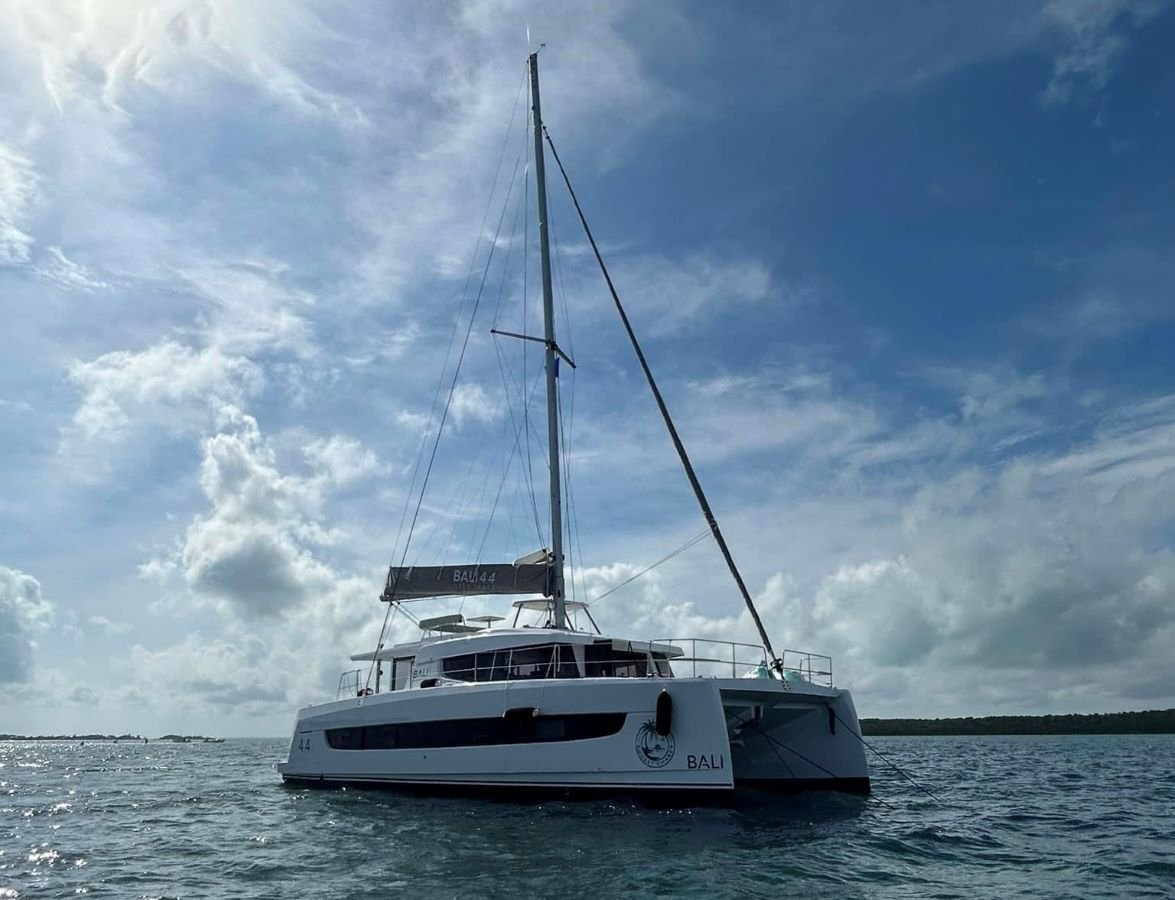 Catamaran
 Catamaran
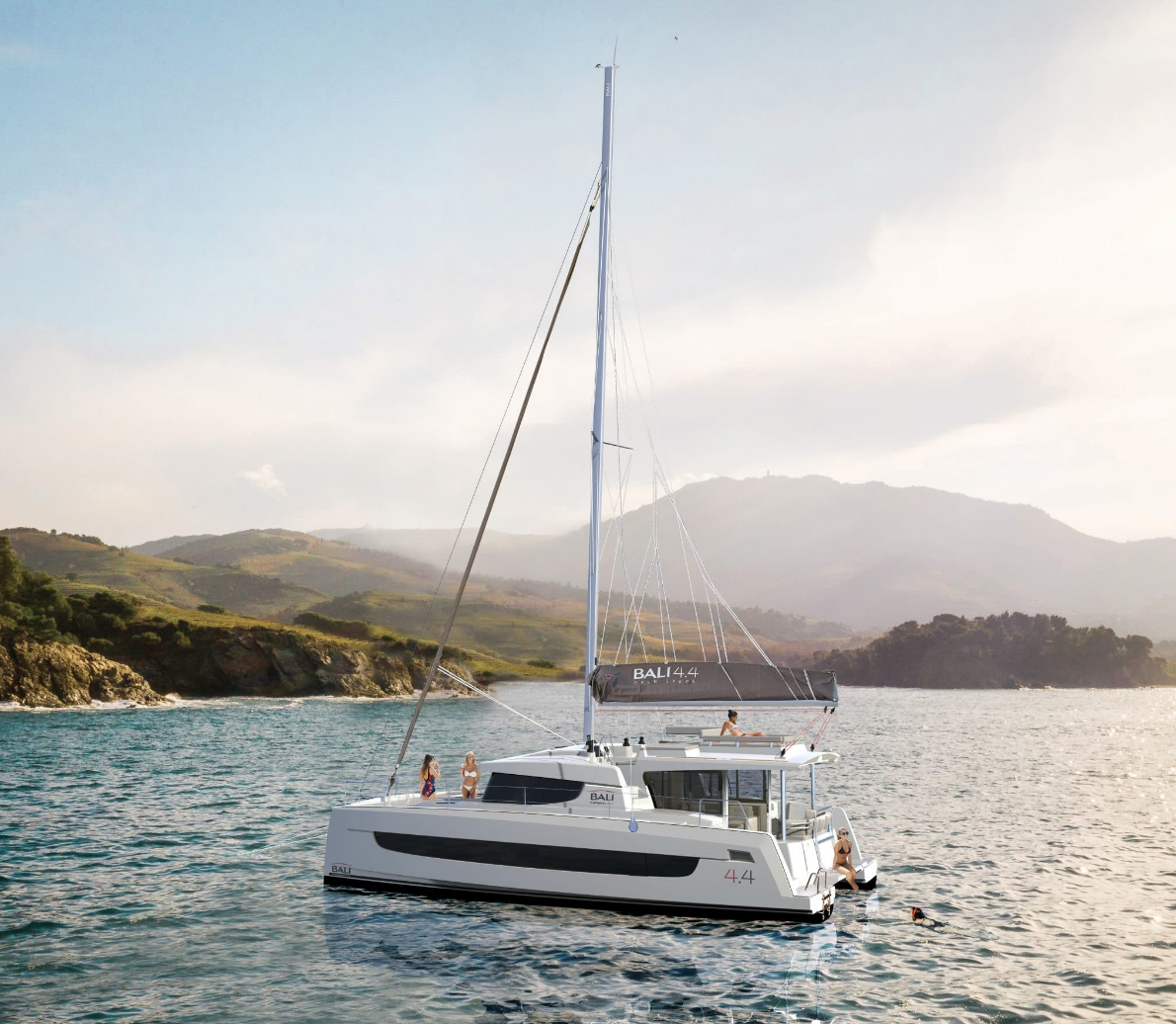
American Honey
Bali 4.4 - 3 + 1 cab. · 2023Bahamas, Bahamas
6 guests3 cabins13 m
€2,200 / week
+ Compare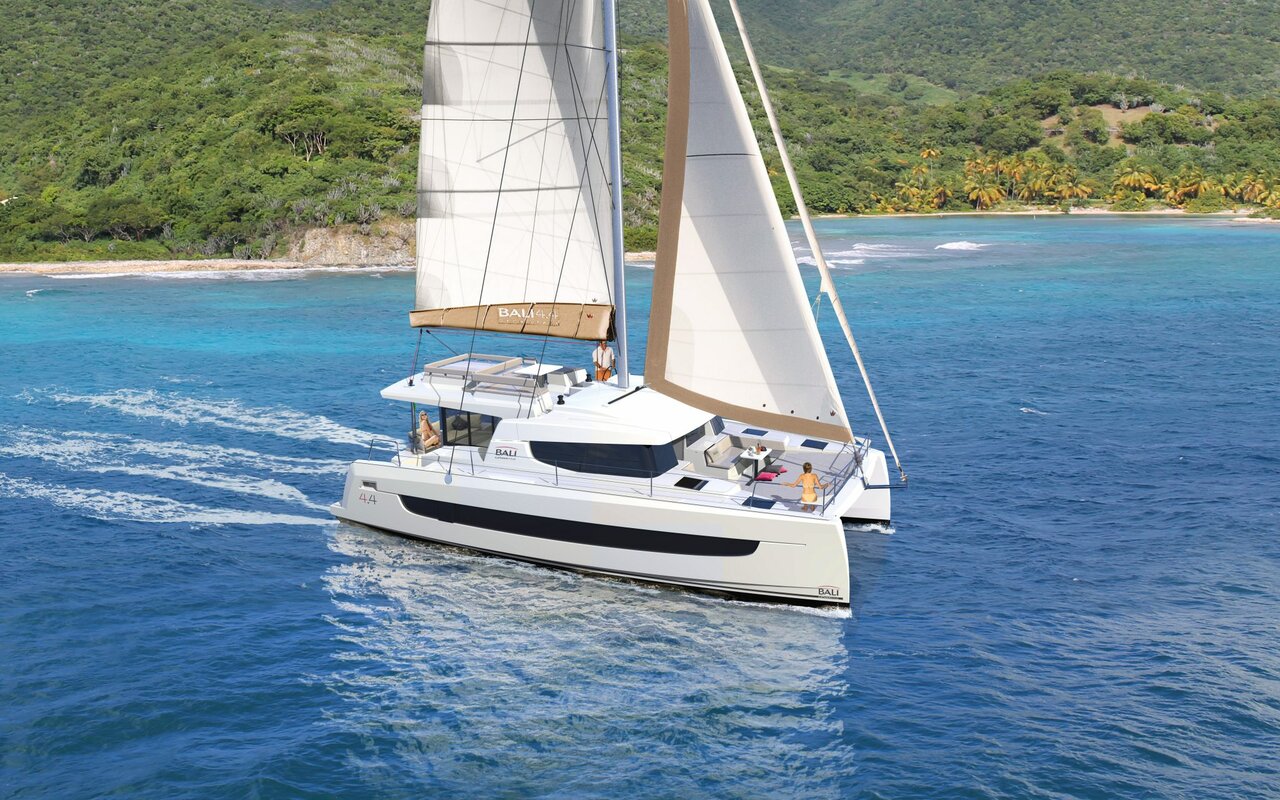 Catamaran
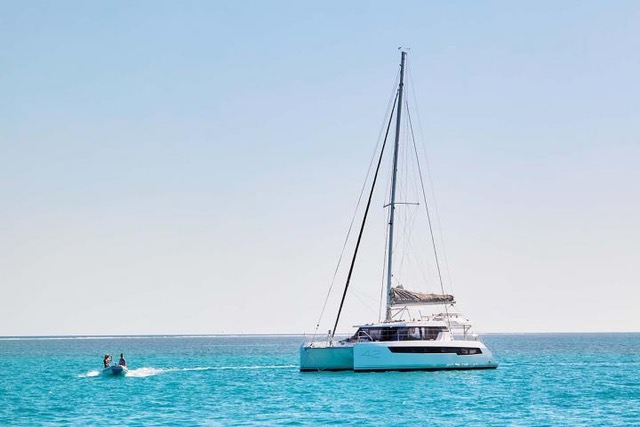
Got No Problems
Bali 4.4 - 4 + 1 cab. · 2023Bahamas, Bahamas
8 guests4 cabins13 m
€2,200 / week
+ Compare Catamaran
 Catamaran
 Catamaran
 Catamaran
 Motor Catamaran
 Catamaran
 Catamaran
 Motor Catamaran
 Motor Catamaran
 Catamaran
Seas The Day
Fountaine Pajot Isla 40 - 4 cab. · 2023Bahamas, Bahamas
8 guests4 cabins12 m
€2,200 / week
+ Compare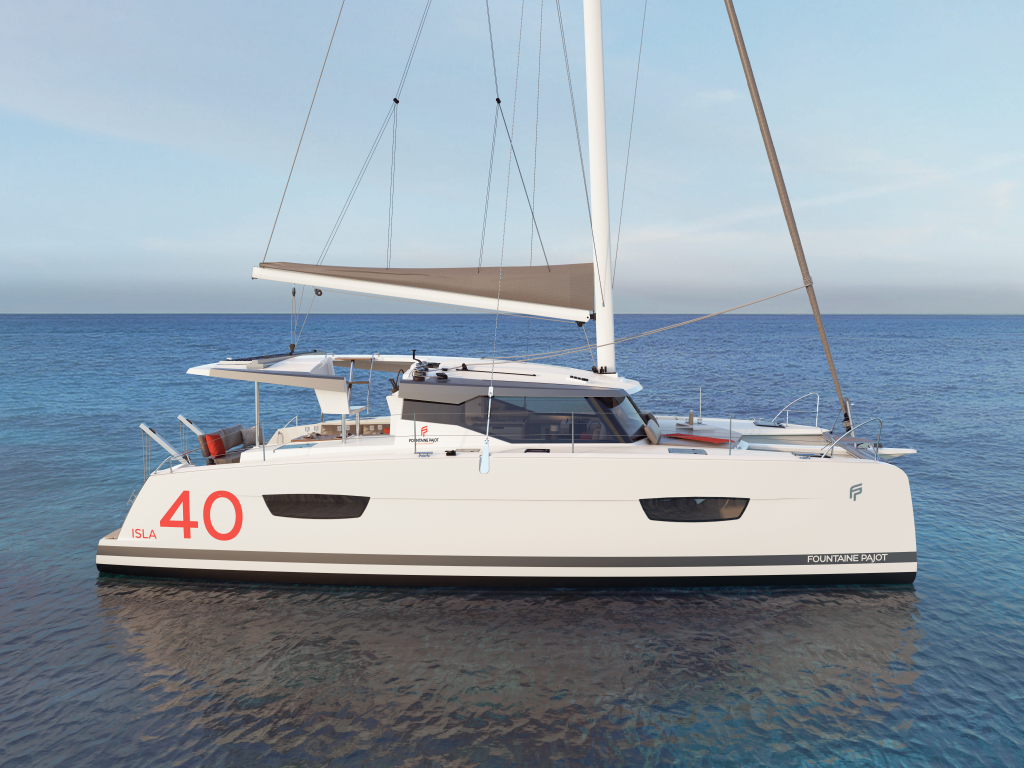 Catamaran
Dellis Rae
Fountaine Pajot Isla 40 - 3 cab. · 2022Bahamas, Bahamas
6 guests3 cabins12 m
€6,250 / week
+ Compare Catamaran
The Nauti Salesman
Excess 11 - 3 cab. · 2026Bahamas, Bahamas
6 guests3 cabins11 m
€6,250 / week
+ Compare Monohull
Abaco Islands questions
Asked and answered.
How much does a yacht charter in the Abacos cost?
As a guide, a 40–45ft catamaran runs roughly €7,000–14,000 a week bareboat, and a 40–45ft monohull €3,500–7,000, before extras. Peak weeks are Christmas, New Year and February to April. Add Bahamian VAT, end cleaning, moorings at around €25–35 a night, and provisioning at €40–70 per person per day. Send us dates on WhatsApp and we will quote the exact boat rather than a range.
Do I need a sailing licence to charter a bareboat in the Bahamas?
The Bahamas does not require a formal licence for a bareboat charter. The charter company does. You will be asked for a sailing CV listing recent boats, sizes and cruising grounds, and many bases want an RYA Day Skipper, ASA certification or equivalent for insurance. If your paperwork is thin, we can usually place a skipper aboard — ask before booking, not after.
When is the best time to sail Abaco?
February to April is the most settled: steady trades, warm days, fewer cold fronts. November to May is the broad season. December to March gives good sailing but a front every five to ten days, with 20–30kt clocking through north-west to north for a day. June to November is hurricane season, peaking August to October — hot, humid and worth watching the forecast closely.
Where do charters start, and how do I get there?
Weeks start at Boat Harbour Marina in Marsh Harbour on Great Abaco. Fly into Marsh Harbour (MHH) on a short hop from Fort Lauderdale, West Palm Beach, Miami or Nassau. Treasure Cay (TCB) is an alternative, about 30 minutes by road. From Europe, plan an overnight in Florida on the way out — the connections rarely line up the same day.
Is Abaco good for families and first-time charterers?
It is one of the easier places to learn. Legs are 6–12nm, the water inside the barrier cays is 2–4m and flat, and there is a harbour or an anchorage every few miles. Swimming and snorkelling are the daily rhythm rather than long passages. The two things to teach the crew early: reading depth by water colour, and the tide gates at Hope Town and Little Harbour.
What is the Whale Cay Passage and should I be worried about it?
It is a short leg out into the Atlantic to get round a shoal bar between Great Guana and Green Turtle Cay, because the inside route is too shallow for most charter boats. In settled conditions it is a 30-minute hop. When ocean swell meets outgoing tide it breaks heavily — a rage — and you simply wait a day. Check it before you commit, every time.
Can we charter during hurricane season?
Yachts sail from Marsh Harbour all year, and June to November is quieter and cheaper. It is also hot, humid and prone to afternoon thunderstorms, with the statistical peak from August to October. If you go then, take travel insurance that covers named storms, keep the plan flexible, and expect the base to move or cancel a week if a system develops. Ask us about current cancellation terms on WhatsApp.
Where do the yachts in Abaco Islands sail from?
Boats sailing Abaco Islands all year — boats operate from Bahamas. The fleet list above is live from our operator system, so it always shows what is actually available for your dates.
Bareboat or crewed in Abaco Islands?
These are bareboat yachts — someone on your crew needs a recognised licence. If nobody has one, we will find you the same boat with a skipper.
How do I get a quote?
Send us your dates, your group and roughly the boat you want. Same day, we reply with real options, real prices and the honest trade-offs.
Talk to an expert
Get three options.
Charter types
Charter types in Abaco Islands.
Bareboat charter
You skipper it yourself — licence required.
Abaco Islands
01Why sail here
The Sea of Abaco is a shallow strip of protected water roughly 20 miles long, held between the low mainland of Great Abaco and a chain of barrier cays. Depths run 2–4m over white sand. The Atlantic swell breaks on the reef outside and arrives inside as almost nothing.
Hops are short. Most legs are 6–12nm, so you sail in the morning and swim by lunch. Harbours sit close enough that a bad forecast costs you an afternoon rather than a week.
The settlements are old and small — clapboard houses on stilts, yards that still build wooden dinghies, roads wide enough for a golf cart and not much else. Hurricane Dorian tore through here and the rebuild is still visible: new roofs, thin treelines, docks missing planks. Locals will tell you that themselves before you ask.
02The cays and the harbours
Marsh Harbour is the hub. Boat Harbour Marina sits on the south side of town, ten minutes from the supermarket and the airport, and it is where most weeks begin and end.
Hope Town on Elbow Cay is 6nm across. Moorings only inside the harbour, no anchoring, and the entrance carries about 1.5m at low water — check your draft before you commit. The candy-striped lighthouse still burns kerosene and you can climb it.
Man-O-War Cay is a boatbuilding island and a dry one: no alcohol sold ashore. Great Guana Cay has a long Atlantic beach on its ocean side and easy anchoring at Fisher's Bay. South, Little Harbour has a bronze foundry, a beach bar, and a bar across the entrance carrying near 1.1m at low water, so go in on a rising tide. Sandy Cay reef nearby is the best snorkel in the Sea of Abaco.
North of the Whale, Green Turtle Cay gives you New Plymouth, Black Sound and White Sound — shallow entrances, quiet water — and Treasure Cay has a beach worth the detour.
03Season, wind and the fronts
East to south-east trades, usually 10–20kt. November to May is the sailing season and February to April is the settled end of it.
From December to March, cold fronts come through every five to ten days. The wind backs south-west, then clocks hard through north-west and north at 20–30kt for a day or so before settling into the north-east. That matters here because few harbours shelter from every direction. You do not sit out a front — you move for it, and the passage plan follows the wind clock.
January and February nights can drop to around 15°C. Bring a fleece; people are always surprised.
Hurricane season runs 1 June to 30 November, with the peak from August to October. Boats sail from here all year, but summer means heat, afternoon thunderstorms and watching the tropical forecast daily.
04What sails from here
The fleet at Marsh Harbour is bareboat, and it sails all year rather than seasonally.
Catamarans dominate for a reason: draft. A cat drawing 1.1–1.2m gets into Hope Town, Little Harbour and Black Sound on most states of tide. A monohull drawing 1.8–2m is limited at low water and you will plan around the tide table more than you expect. If you want the shallow corners, take the cat.
Crewed yachts do not sail from this base. If you want a skipper aboard for the week, message us on WhatsApp before you book — it is arranged case by case and depends on the week, not guaranteed.
05What it costs
Ranges below are indicative for a week, bareboat, before extras. Peak is Christmas, New Year and February to April.
38–45ft monohull: €3,500–7,000
45–50ft monohull: €5,500–10,000
40–45ft catamaran: €7,000–14,000
46–52ft catamaran: €11,000–22,000
On top: end cleaning, Bahamian VAT on the charter fee, and the cruising permit, which the base handles. Mooring balls run about €25–35 a night in Hope Town and White Sound. Marina berths are charged by the foot. Fuel is a small line — you motor little here.
Provisioning is the number people underestimate. Almost everything is imported, so budget €40–70 per person per day for the boat, and expect restaurant mains ashore around €25–40. Security deposit or damage waiver: price on request, as it varies by boat.
06A week, day by day
Day 1 — Briefing at Boat Harbour Marina, provision in Marsh Harbour, then 6nm across to Hope Town. Pick up a mooring, climb the lighthouse before it closes.
Day 2 — Down inside Elbow Cay to Tahiti Beach for lunch, out through Tilloo Cut, then 12nm to Little Harbour. Time the bar for rising water.
Day 3 — Snorkel Sandy Cay reef, then back north to anchor off Tilloo or Lynyard Cay. Empty water, no lights ashore.
Day 4 — Man-O-War Cay for the sail loft and the boatyards, then 8nm to Fisher's Bay on Great Guana. Walk over to the ocean beach.
Day 5 — The Whale Cay Passage, in settled conditions and good light, then into White Sound on Green Turtle Cay.
Day 6 — New Plymouth in the morning, Treasure Cay beach in the afternoon, back through the Whale before the sea builds.
Day 7 — Easy 10nm reach to Marsh Harbour, fuel, hand back.
The Whale is the one piece to respect. It is a short outside leg into the Atlantic to get round a shoal bar, and when swell meets an outgoing tide it breaks — locals call it a rage. Wait a day if it is running. Nobody minds.
07Getting there and clearing in
Fly to Marsh Harbour (MHH). Direct hops from Fort Lauderdale, West Palm Beach, Miami and Nassau are short and frequent. From Europe you will almost always overnight in Florida on the way out — build that into the plan rather than fighting it.
Treasure Cay (TCB) also works and is around 30 minutes by road from Marsh Harbour.
Immigration and customs happen at the airport. US dollars are accepted everywhere at parity with the Bahamian dollar. Ferries connect Marsh Harbour to the main cays, which is useful if flights slip and you need to meet the boat.
08Who this suits
Right for families, first-time bareboat charterers and anyone who wants short passages, warm shallow water and a harbour every few miles. Right for snorkelling, less right for diving that needs depth.
Less right for distance sailors — the water is protected and the legs are brief, which is the point, but you will not get an ocean passage out of it. And if you charter between December and March, come willing to change plan when a front arrives.
Questions on boats, dates or draft: WhatsApp is the fastest way to reach us.