 Monohull
Sail United States Virgin Islands.
Live fleet
Monohull Catamaran
Mastermind
Bali 5.4 - 5 + 2 cab · 2024Marina Port Ibiza, Spain
12 guests5 cabins17 m
€16,700 / week
+ Compare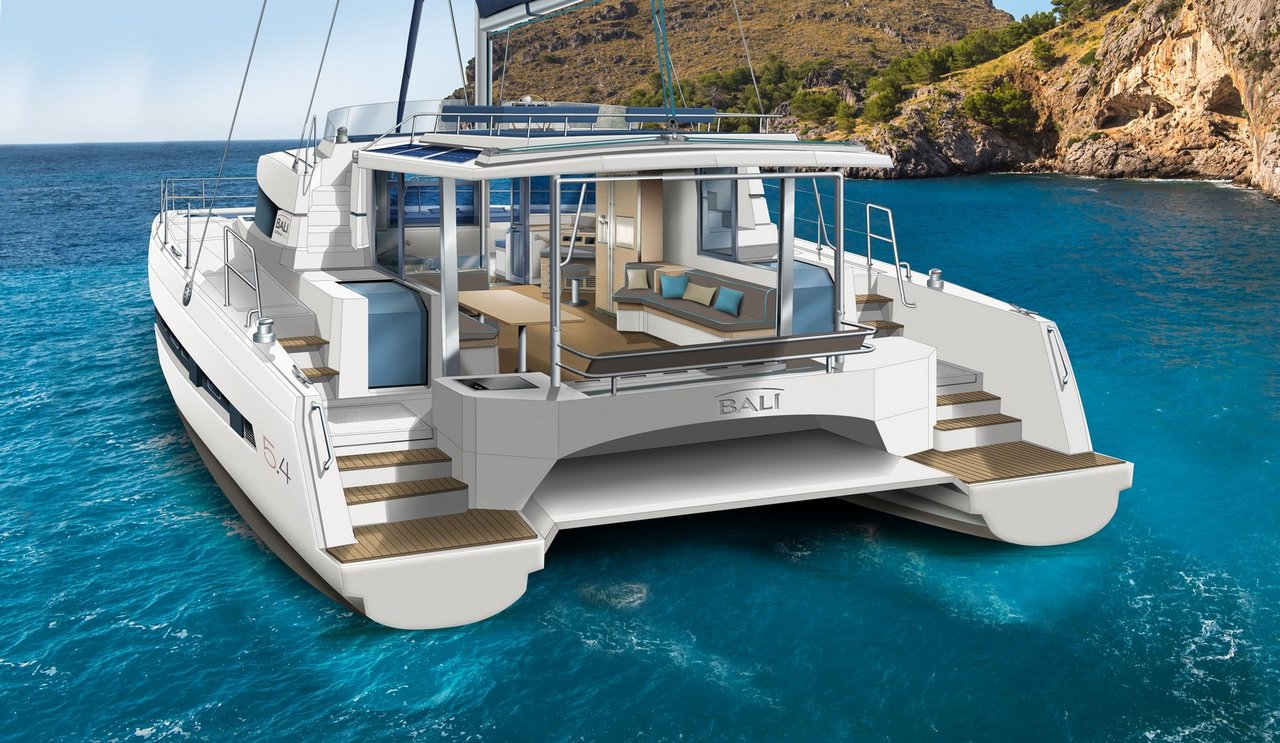 Catamaran
Sea Breeze
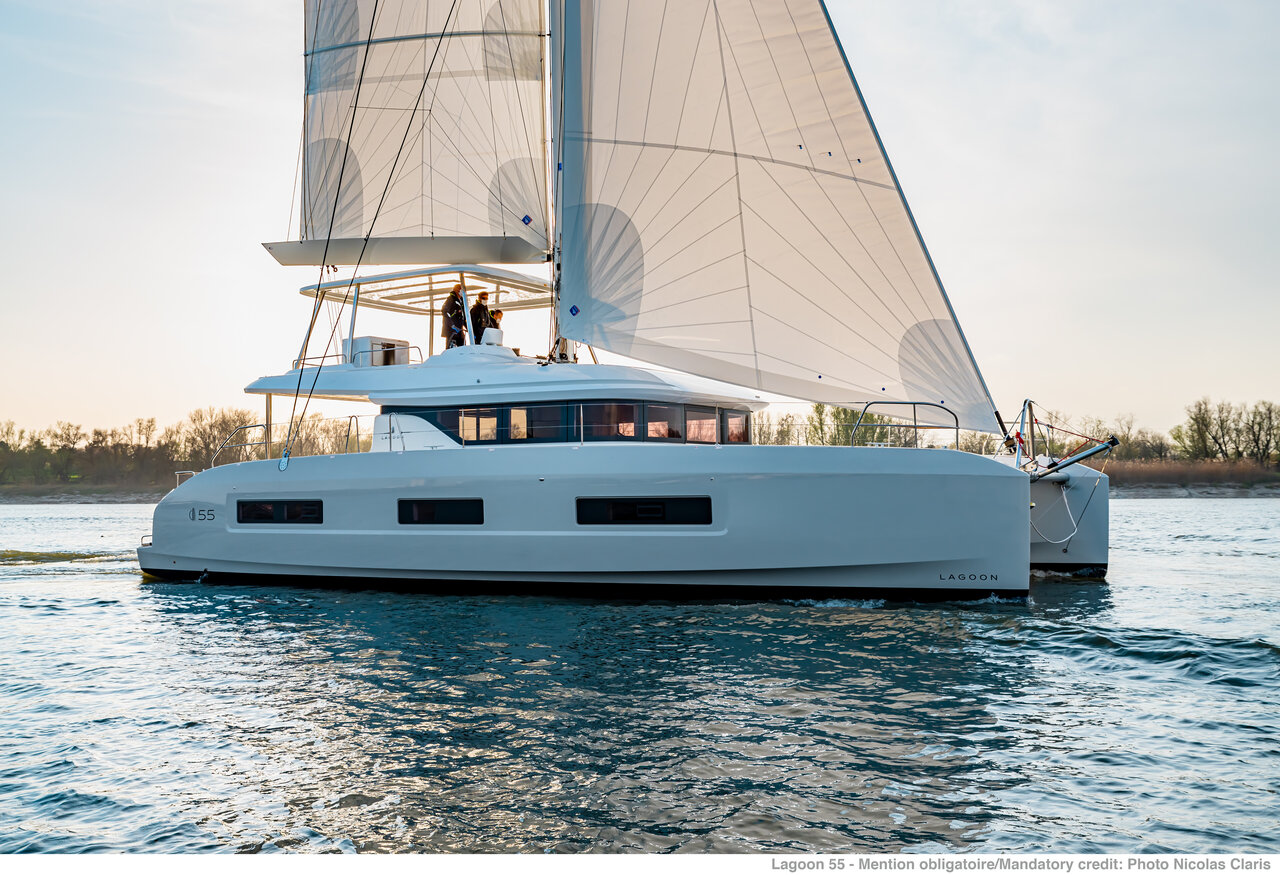
Bali 5.4 - 6 + 2 cab. · 2023BVI, British Virgin Islands
14 guests6 cabins17 m
€21,000 / week
+ Compare Monohull
 Catamaran
 Monohull
 Monohull
 Monohull
Steel Away
Dufour 530 - 4 cab. · 2022BVI, British Virgin Islands
8 guests4 cabins16 m
€5,700 / week
+ Compare Monohull
Fat Bottom Girl
Dufour 530 - 4 + 1 cab. · 2021BVI, British Virgin Islands
9 guests4 cabins16 m
€6,300 / week
+ Compare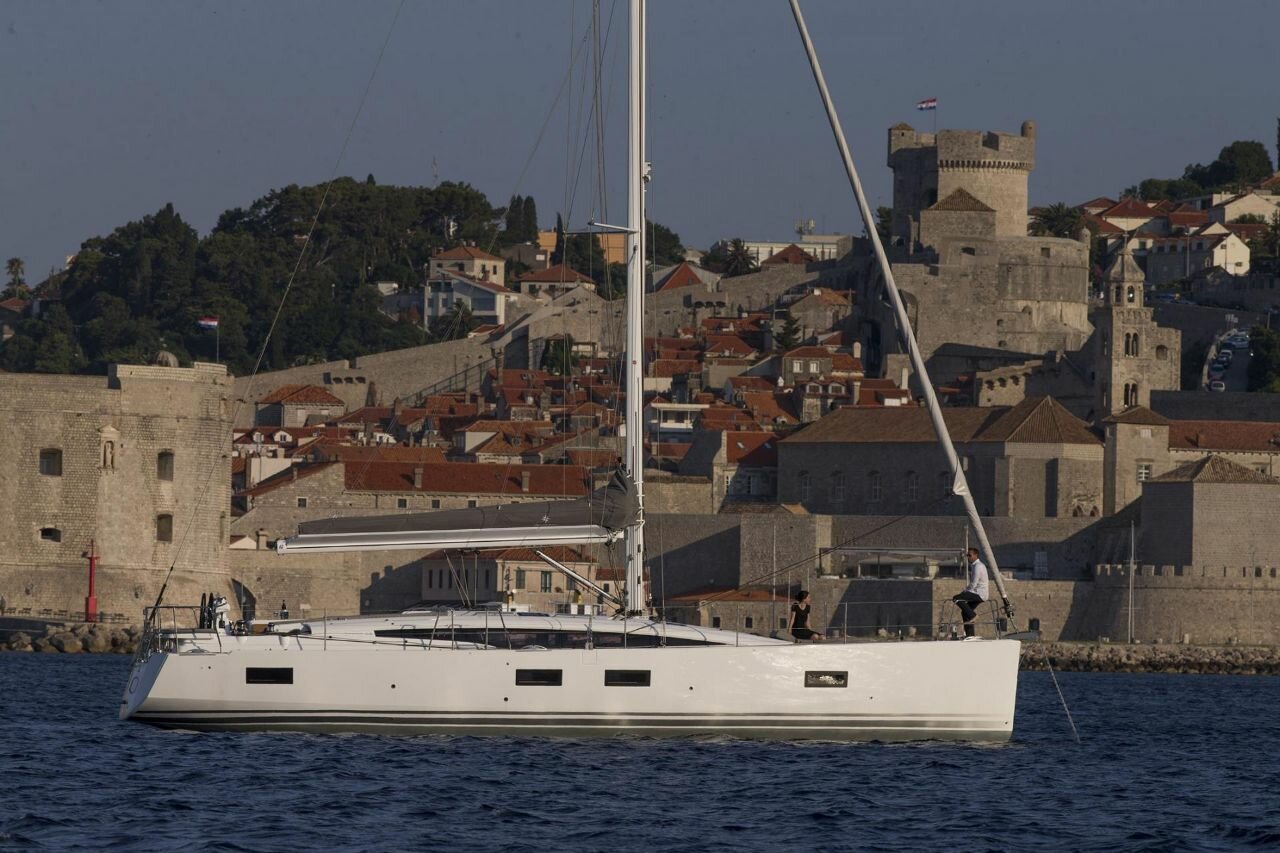 Monohull
Silvergirl
Jeanneau 54 - 3 cab. · 2019BVI, British Virgin Islands
6 guests3 cabins16 m
€5,800 / week
+ Compare Monohull
Sunday Girl
Oceanis 51.1 · 2024BVI, British Virgin Islands
10 guests4 cabins16 m
€1,499 / week
+ Compare Catamaran
Sea Runner II
Lagoon 52 - 5 + 1 cab. · 2019BVI, British Virgin Islands
11 guests5 cabins16 m
€13,870 / week
+ Compare Monohull
 Catamaran
 Catamaran
Crude Escape
Fountaine Pajot Aura 51 - 6 cab · 2026BVI, British Virgin Islands
12 guests6 cabins16 m
€15,000 / week
+ Compare Catamaran
Last Mango
Fountaine Pajot Aura 51 · 2026BVI, British Virgin Islands
8 guests4 cabins16 m
€13,500 / week
+ CompareCatamaran Catamaran
 Catamaran
 Catamaran
 Catamaran
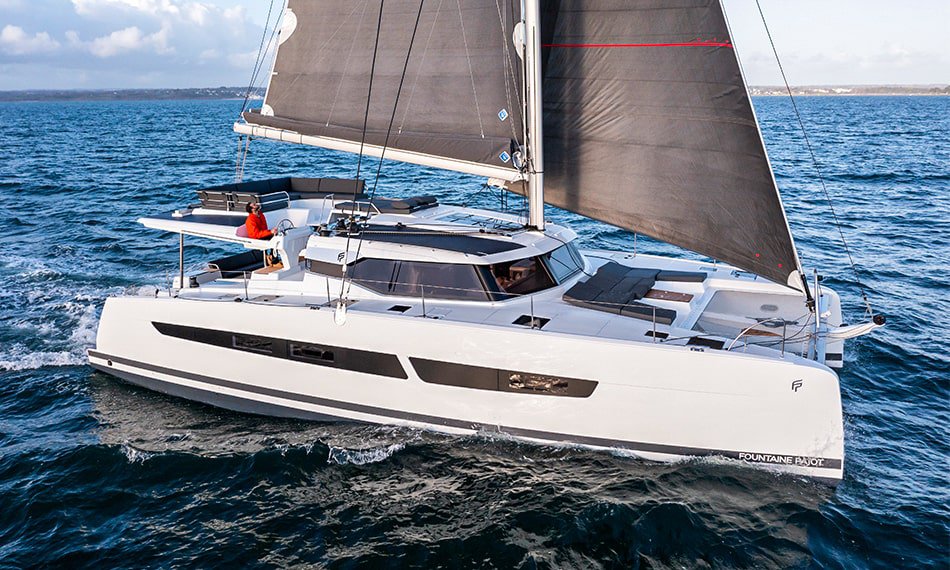
Big Big Plans
Fountaine Pajot Aura 51 · 2024BVI, British Virgin Islands
13 guests5 cabins16 m
€14,000 / week
+ Compare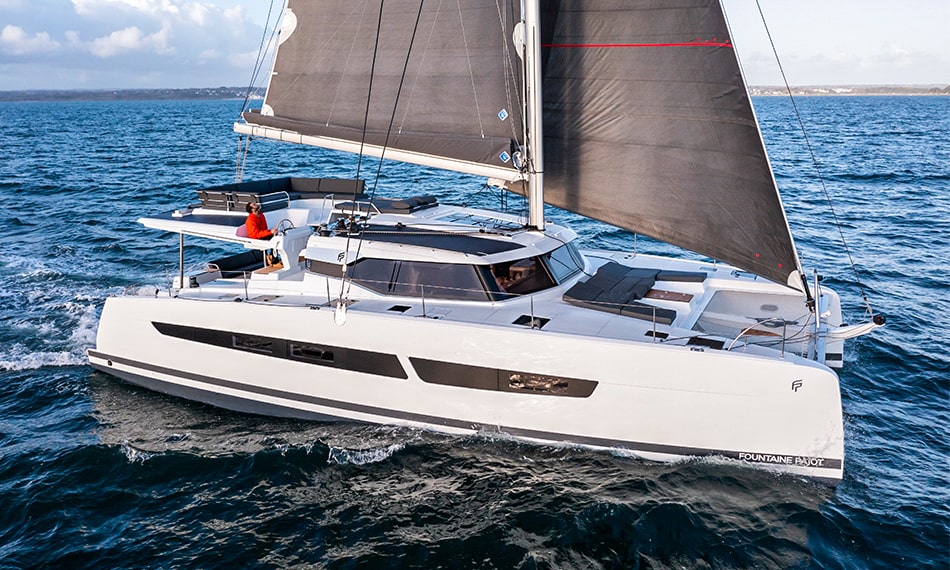 Catamaran
 Catamaran
Carrie Lee
Fountaine Pajot Aura 51 · 2023BVI, British Virgin Islands
10 guests5 cabins16 m
€14,500 / week
+ Compare Catamaran
 Catamaran
What's left
Fountaine Pajot Aura 51 - 6 cab · 2023BVI, British Virgin Islands
12 guests6 cabins16 m
€15,000 / week
+ Compare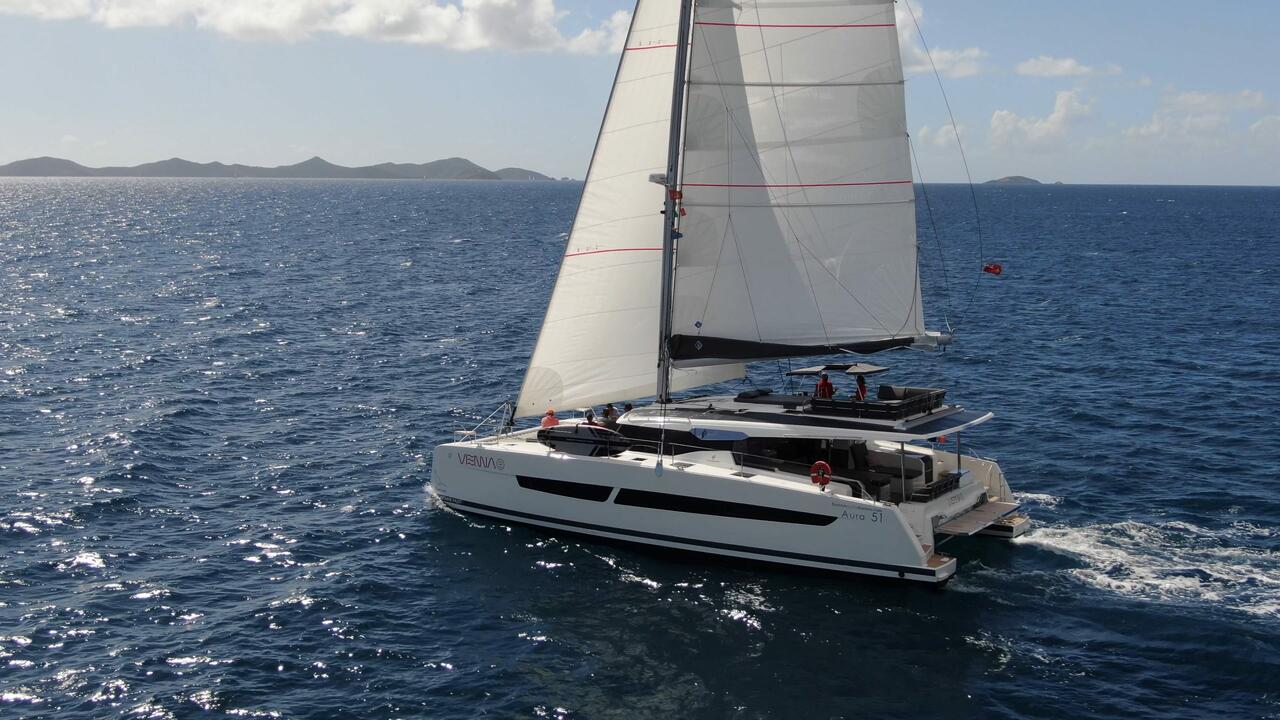 Catamaran
 Catamaran
Slinky Malinki
Lagoon 51 - 6 + 1 cab. · 2025BVI, British Virgin Islands
13 guests6 cabins15 m
€2,599 / week
+ Compare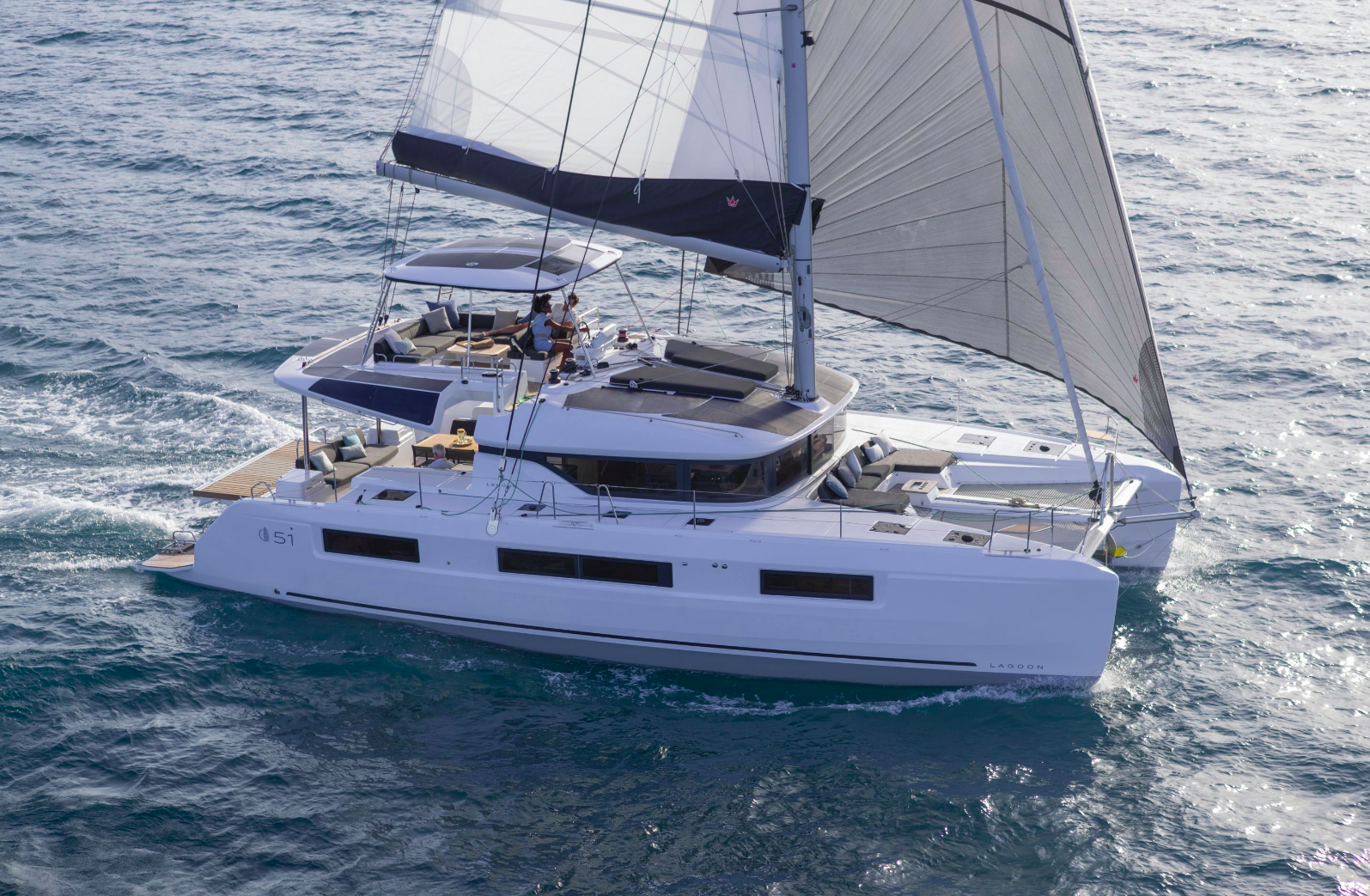 Catamaran
 Catamaran
 Catamaran
 Monohull
 Motor Catamaran
 Monohull
Reventador 2
Dufour 470 - 4 cab. · 2024BVI, British Virgin Islands
8 guests4 cabins15 m
€5,050 / week
+ Compare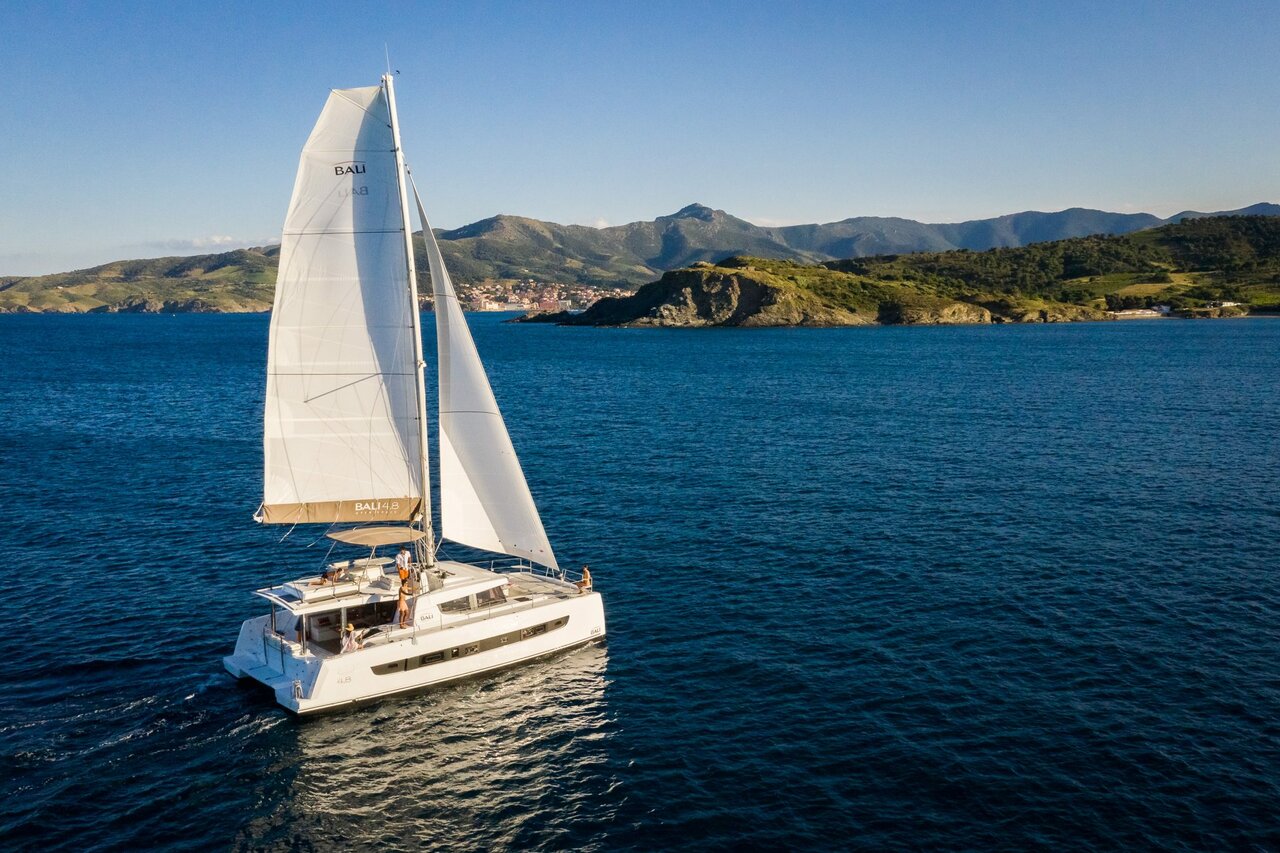 Catamaran
CattyShack
Bali 4.8 - 5 + 1 cab · 2023BVI, British Virgin Islands
11 guests5 cabins15 m
€13,200 / week
+ Compare Monohull
 Monohull
Knot Online
Dufour 470 - 3 cab. · 2022BVI, British Virgin Islands
6 guests3 cabins15 m
€5,100 / week
+ Compare Monohull
Shandy Breeze
Dufour 470 - 3 cab. · 2022BVI, British Virgin Islands
6 guests3 cabins15 m
€5,100 / week
+ Compare Catamaran
 Catamaran
 Catamaran
Singing Winds
Fountaine Pajot Saba 50 - 5 cab. · 2019BVI, British Virgin Islands
11 guests5 cabins15 m
€11,000 / week
+ Compare Catamaran
Soleil Rae
Fountaine Pajot Saba 50 - 5 + 2 cab. · 2019BVI, British Virgin Islands
11 guests5 cabins15 m
€14,000 / week
+ Compare Catamaran
 Catamaran
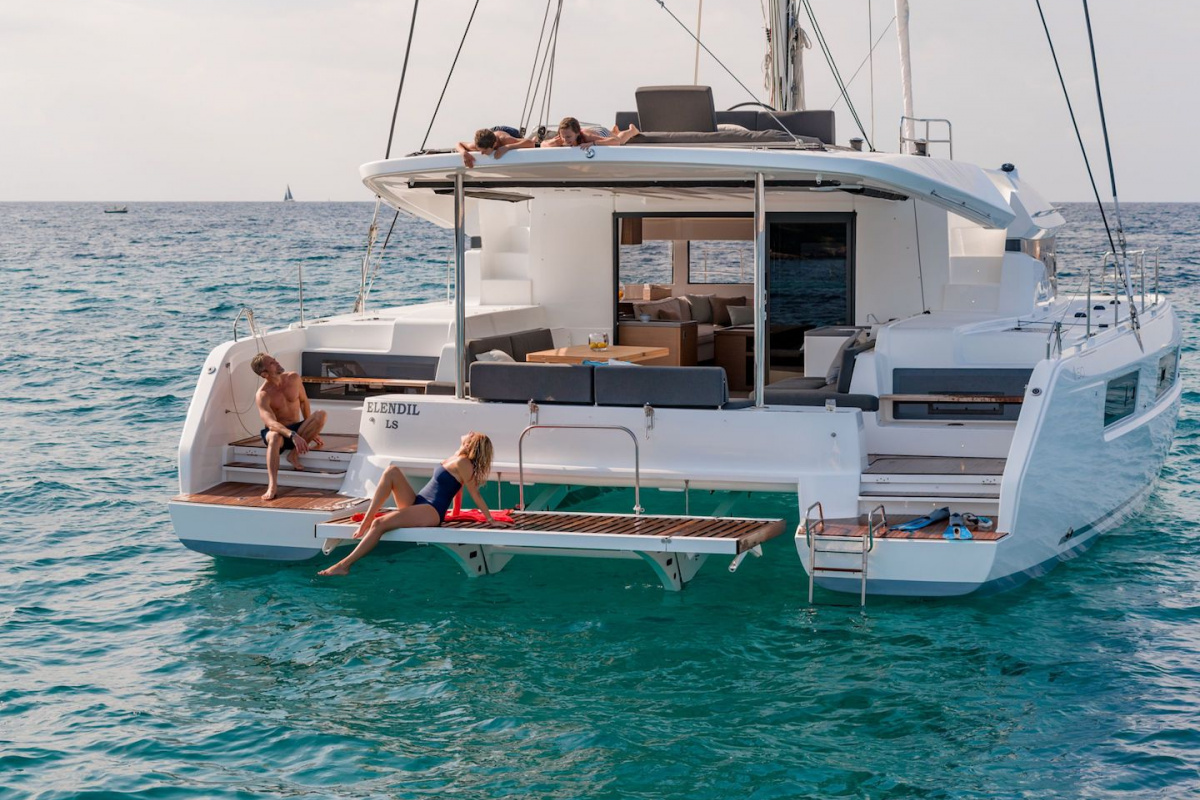 Catamaran
Out of the Blue
Lagoon 50 - 6 + 1 cab. · 2019BVI, British Virgin Islands
13 guests6 cabins15 m
€13,500 / week
+ Compare Monohull
 Monohull
 Catamaran
Long Layover
Fountaine Pajot FP 48 Quintet 5 · 2026St. Thomas, United States Virgin Islands
10 guests5 cabins14 m
€12,000 / week
+ Compare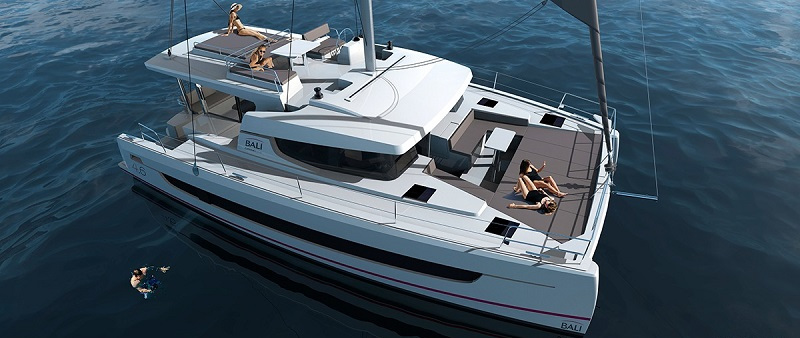 Catamaran
Cancelli del Cielo
Bali 4.6 - 4 + 1 cab. · 2024BVI, British Virgin Islands
11 guests4 cabins14 m
€9,000 / week
+ CompareUnited States Virgin Islands questions
Asked and answered.
How much does a yacht charter in the US Virgin Islands cost?
It depends on boat size, monohull versus catamaran, and whether you take crew. A bareboat week runs at the lower end; a crewed catamaran with captain and cook is a larger budget. Add fuel, provisioning, national-park mooring fees and crew gratuity on top. Christmas and New Year weeks carry a premium. Send us your dates and boat preference on WhatsApp and we'll give a firm price rather than a guess.
Do I need a licence to charter a bareboat here?
For a bareboat you'll need to show sailing experience and, in most cases, a recognised certification such as an ASA or RYA qualification alongside a sailing CV. The USVI don't impose a government skipper's licence, but the boat comes with its own requirements. If you don't hold a certificate or want the local knowledge, take a crewed charter with a captain aboard and leave the navigation to them.
When is the best time to sail the US Virgin Islands?
December through April is the settled dry season, with steady 15-to-20-knot north-east trades and low humidity. It's also the busiest, so mooring balls fill early in the popular St John bays. May and June are quieter with lighter air. Avoid July to November — that's hurricane season, when many boats stand down and insurance terms change.
Where do most charters start?
St Thomas is the usual base. Fly into Cyril E. King airport (STT), taxi to the charter bases around Charlotte Amalie or the east end, provision, and sail east into the channel between the islands. From there St John is an hour or two away and the national park anchorages open up quickly. St Croix is a longer passage south for those who want it.
Is the US Virgin Islands good for a family charter?
Yes. The hops between anchorages are short, the water is warm and clear, and the national-park bays on St John have mooring balls and calm swimming with turtles in the sea-grass. Catamarans give you deck space and a stable platform at anchor. Keep to the island lee where the seas stay flat, move in the mornings before the balls fill, and the sailing stays easy.
Can I sail across to the British Virgin Islands?
You can, and many boats do — the BVI are next door and the sailing is superb. But it's an international border: carry passports, clear customs both ways, and check your charter agreement allows the crossing, as some bareboat contracts restrict it. Build the customs stop into your day rather than treating it as a quick hop, and tell us in advance if you plan to cross.
Bareboat or crewed — which should I choose?
Bareboat suits certificated skippers comfortable with mooring-ball pick-ups and short crossings; the anchorages get crowded, so boat-handling matters. Crewed puts a captain aboard who knows which bays clear out and where the good reef sits, and a captain-and-cook set-up takes provisioning and cooking off your plate. Message us on WhatsApp with your crew's experience and we'll steer you the right way.
Where can I sail in United States Virgin Islands?
We charter across US- Virgin Islands. Each area has its own page with the live fleet for your dates.
What kind of yachts are available in United States Virgin Islands?
Bareboat if someone on your crew holds a licence, crewed if you would rather a skipper did the work. The grid above is live from our operator system and always shows what is actually free.
How do I get a quote?
Tell us your dates, your group and the area you fancy. Same day, we send three real options with honest trade-offs.
Talk to an expert
Get three options.
United States Virgin Islands
01Why sail here
The US Virgin Islands sit at the top of the Lesser Antilles, three main islands and a scatter of cays inside easy reach of each other. St Thomas and St John are close enough that you can leave Charlotte Amalie after breakfast and be anchored off a beach in the national park by lunch. St Croix sits further south, a 40-mile passage that filters out the day-trippers. The trades blow steady from the east most of the year, the water runs clear and warm, and the navigation is line-of-sight — you can usually see where you're going. It suits sailors who want reliable wind without long ocean passages, and families who'd rather short hops than grinding sea miles.
02The sailing grounds
Most charters run out of St Thomas and work east into the channel between the islands. St John is the highlight: two-thirds of it is national park, so the north-shore bays — Maho, Francis, Waterlemon Cay — stay green and undeveloped, with mooring balls instead of anchoring in the sea-grass. Coral Bay on St John's south-east corner is a working sailors' anchorage, a place to fill water and drink rum rather than pose. Off the west end, Water Island and the reefs around Buck Island give you snorkelling a short reach from town. St Croix is the outlier — a proper overnight passage south, quieter, with the Buck Island reef monument off its north coast. The British Virgin Islands are next door and many boats cross over, but that's a border and a customs stop, so plan for it.
03Season and winds
The sailing season runs roughly December through April, the dry months, when the north-east trades sit at 15 to 20 knots and the humidity drops. This is the settled window and also the busy one — mooring balls in the popular St John bays fill early in high season, so it pays to move in the morning. May and June are quieter and still good, with lighter air. July through November is hurricane season: many boats and crews stand down, insurance terms change, and we'd steer you away from booking a summer week unless you know exactly what you're doing. The trades ease and back around in shoulder months, but the underlying pattern — wind from the east, seas building outside the island lee — holds all season.
04Charter types
We run both bareboat and crewed charters here. Bareboat suits certificated skippers comfortable with mooring-ball pick-ups and short channel crossings — the ground is forgiving but the anchorages get crowded, so boat-handling matters. Crewed charters put a captain aboard who knows which bays clear out by afternoon and where the good reef is; a captain-and-cook set-up is common on the larger catamarans and takes the provisioning and cooking off your hands. Catamarans dominate the local fleet — shallow draft, deck space, and stable at anchor — but there are monohulls for those who want them. If you're unsure which way to go, tell us your crew's experience over WhatsApp and we'll match the boat.
05What it costs
Costs vary with boat size, monohull versus catamaran, and whether you take crew. A bareboat monohull week sits at the lower end; a crewed catamaran with captain and cook is a different budget entirely. On top of the base charter fee, budget for fuel, provisioning, national-park mooring fees, and end-of-charter gratuity if you carry crew. Peak weeks over Christmas and New Year carry a premium and book far ahead. Rather than quote a figure that goes stale, we give a firm price once we know your dates, boat and crew preference — message us on WhatsApp with those three and we'll come back with a real number. Price on request for the crewed catamarans.
06A sample week
Day 1 — Board at St Thomas, provision, and shake down with a short sail to Christmas Cove off Great St James for the first night's swim. Day 2 — Cross into St John, pick up a ball at Maho or Francis Bay inside the national park; snorkel the sea-grass turtles. Day 3 — Round to Waterlemon Cay for the reef, then east to Coral Bay for a night at anchor and dinner ashore. Day 4 — If you've cleared the paperwork, hop across to the BVI for Jost Van Dyke; otherwise work the south St John coast. Day 5 — Back west, anchor off Water Island or Honeymoon Bay near town. Day 6 — A longer reach out to Buck Island or a lazy day at Lindqvist Beach. Day 7 — Short sail back to base, fuel and hand over. It's a loop with slack in it — you can cut passages if the trades pipe up.
07Getting there
Fly into Cyril E. King airport on St Thomas (STT); it takes direct flights from several US mainland hubs and connections through San Juan. There's no passport control between the US mainland and the USVI, which simplifies arrival for American guests — but you'll want proof of citizenship. From the airport it's a short taxi to the charter bases around Charlotte Amalie and the east end. If you plan to cross to the British Virgin Islands, carry passports and clear customs both ways. The islands drive on the left, which surprises people. Provisioning is straightforward on St Thomas; stock up before you leave town, as the anchorages have little more than a beach bar.