 Catamaran
Sail Phuket.
Live fleet
Catamaran Motor Yacht
 Catamaran
Electric E-Motion
Island Spirit 525E · 2026Phuket, Thailand
12 guests5 cabins16 m
€9,490 / week
+ Compare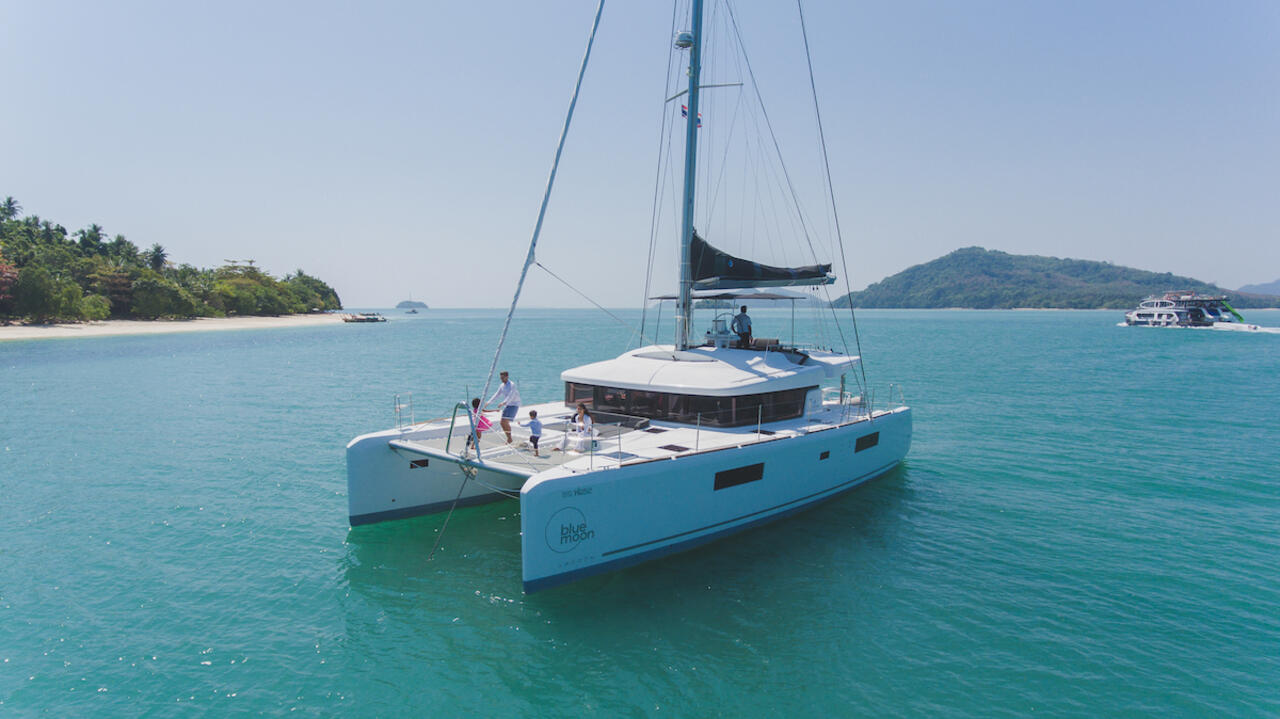 Catamaran
 Catamaran
 Catamaran
 Catamaran
 Catamaran
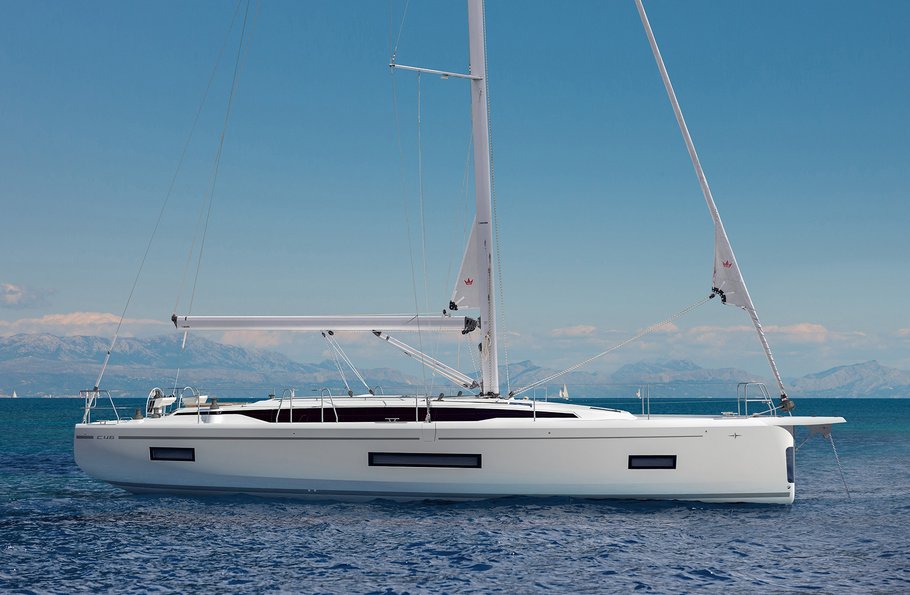 Monohull
 Monohull
 Monohull
 MonohullMonohull
 Catamaran
 Catamaran
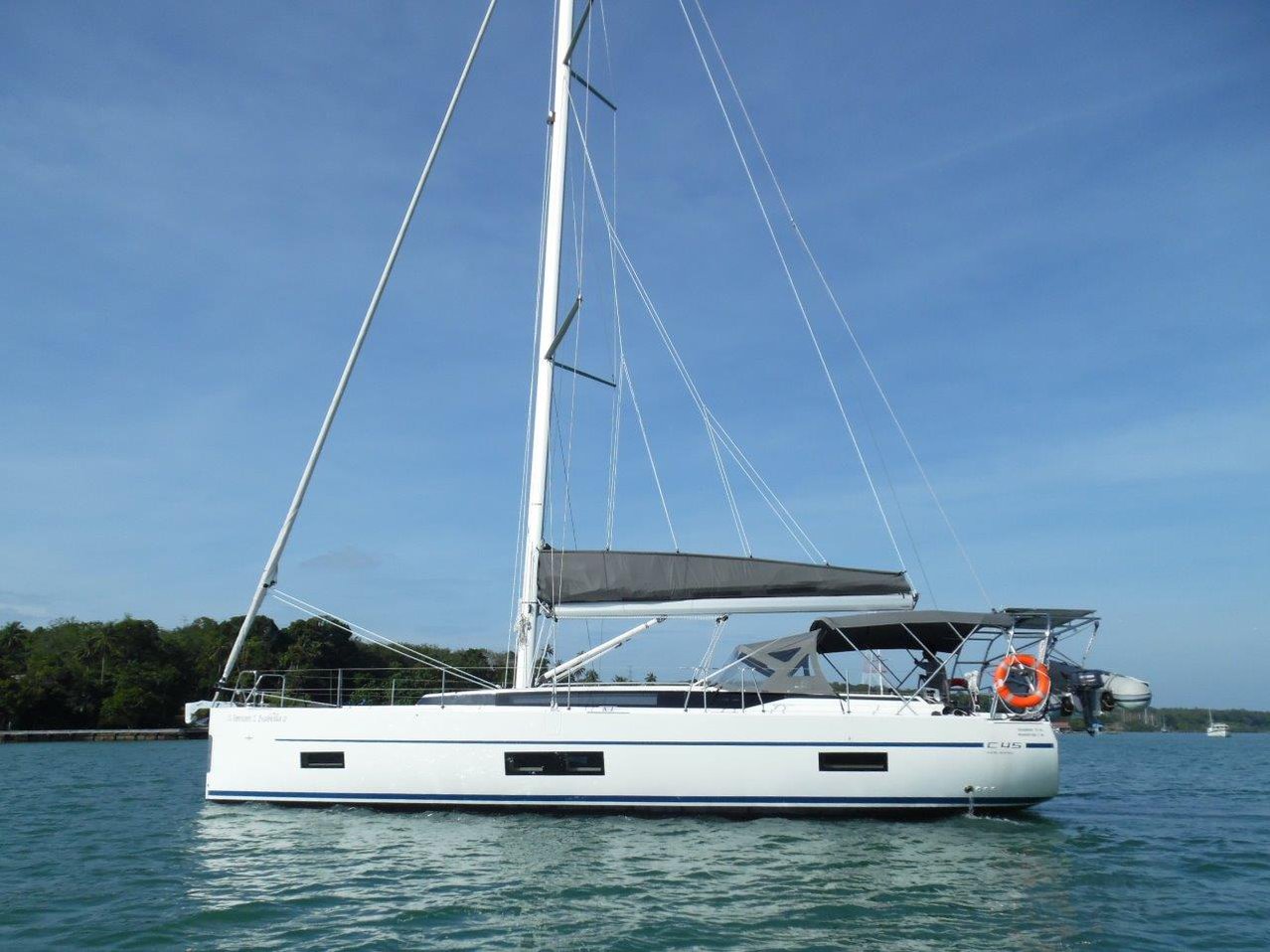 Monohull
 Catamaran
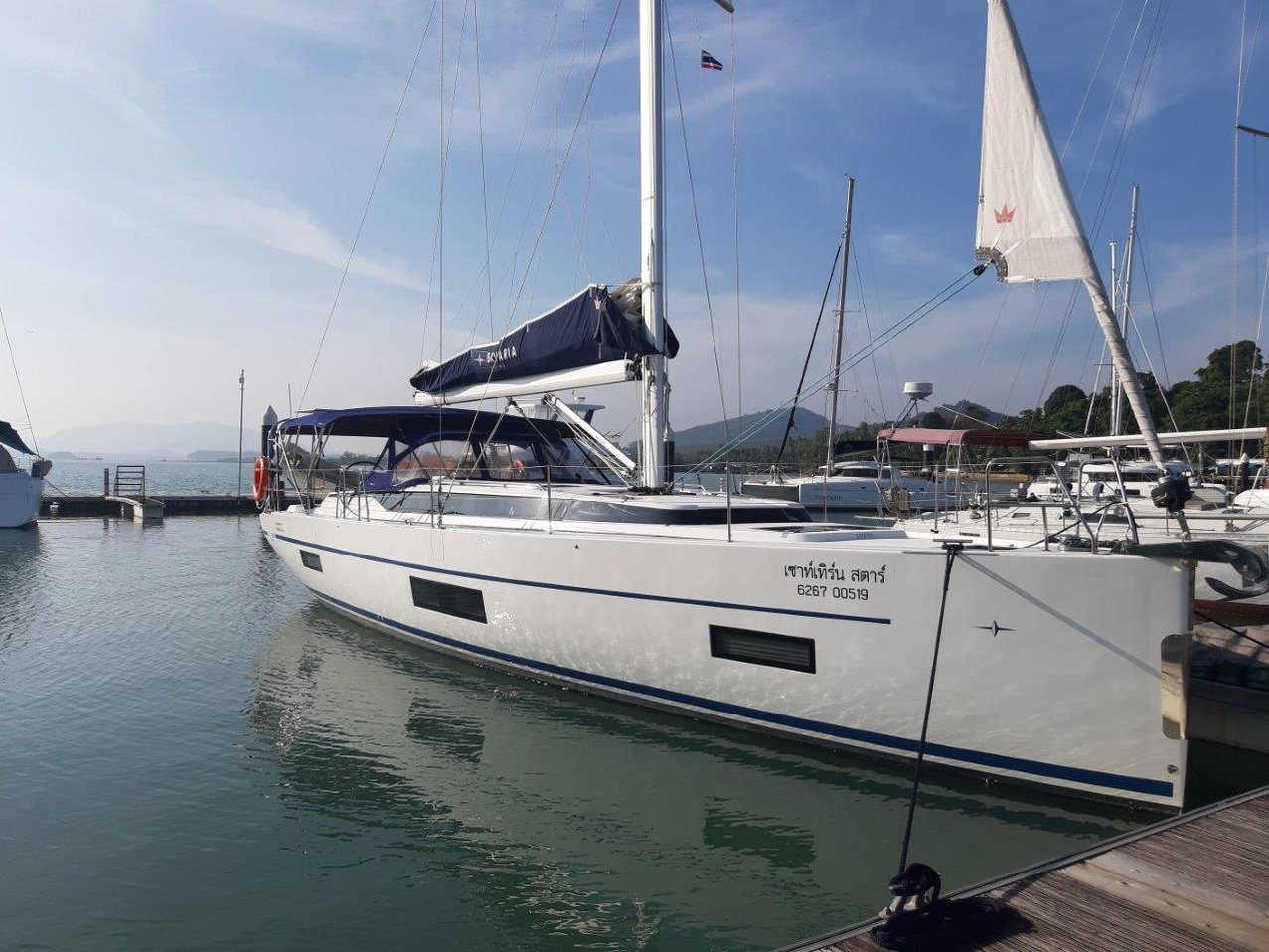 Monohull
 Monohull
 Catamaran
 Catamaran
 Catamaran
 Catamaran
Cloud Dancer 2
Lagoon 43 - 4 + 1 cab. · 2025Phuket, Thailand
11 guests4 cabins14 m
€900 / week
+ Compare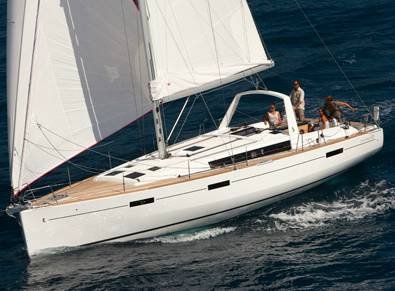 Monohull
 Catamaran
 Catamaran
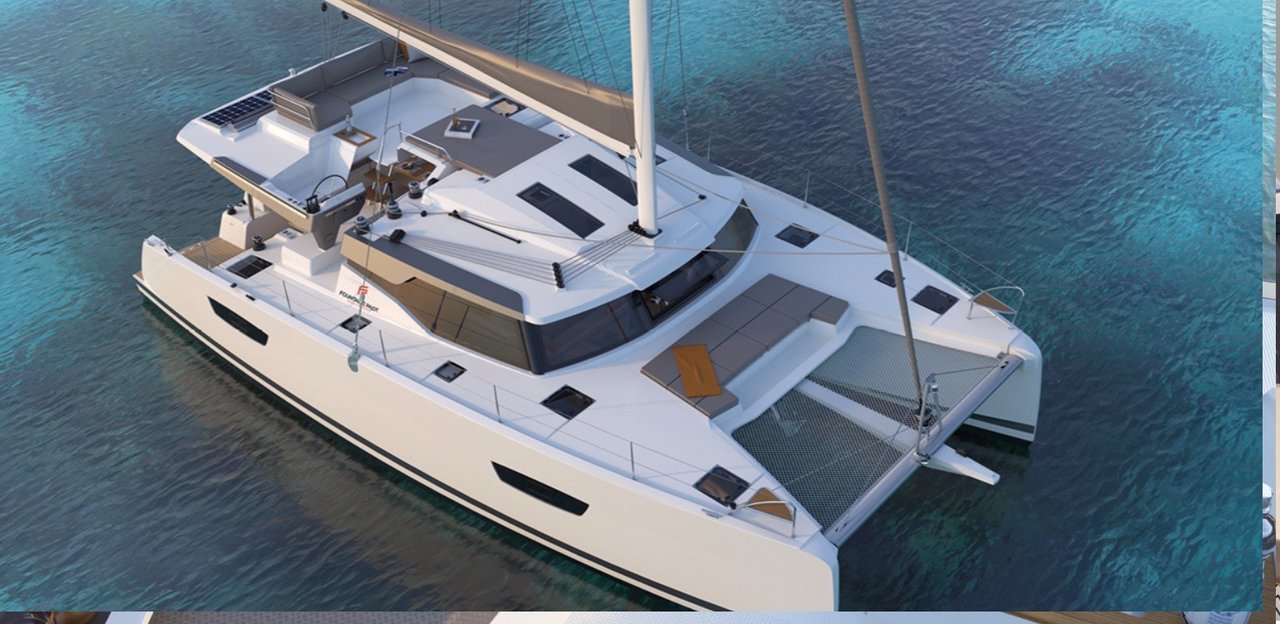
Chammak Challo
Fountaine Pajot Elba 45 - 3 + 2 cab. · 2024Phuket, Thailand
8 guests3 cabins13 m
€5,801 / week
+ Compare Catamaran
 Catamaran
 Monohull
 Catamaran
 Catamaran
Thai Thunder
Lagoon 42 - 4 + 2 cab. · 2021Phuket, Thailand
11 guests4 cabins13 m
€4,556 / week
+ Compare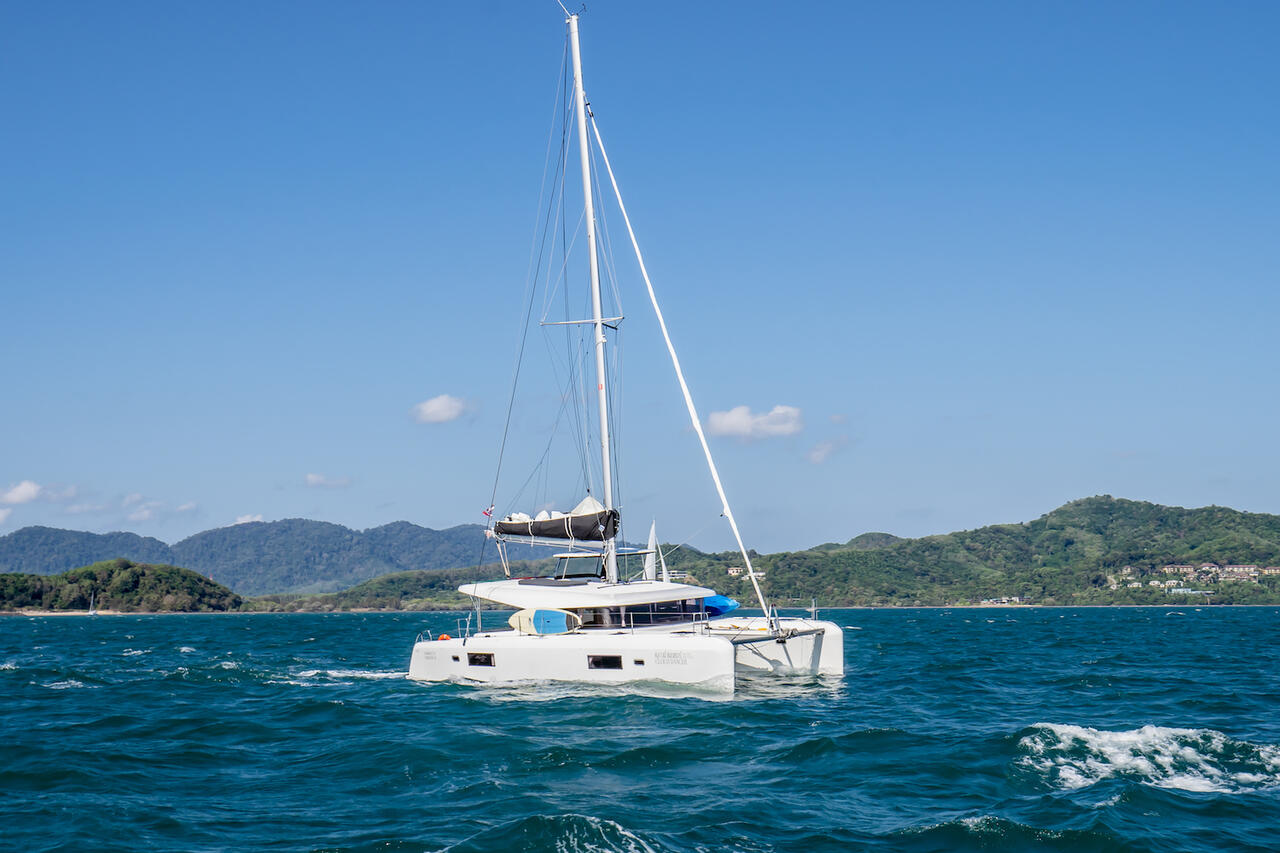 Catamaran
 Catamaran
 Catamaran
 Catamaran
 Catamaran
 Catamaran
 Monohull
 Monohull
 Monohull
 Catamaran
 Catamaran
 Catamaran
 Catamaran
 Monohull
 Catamaran
 Catamaran
 Catamaran
Phuket questions
Asked and answered.
How much does a yacht charter in Phuket cost?
It depends on boat size, type, and season. A week's bareboat on a mid-size monohull typically sits in the low-to-mid four-figure EUR range, with larger catamarans higher and peak season (December to February) dearer than the shoulder months. Crewed charters add crew and provisioning. Fuel, marina fees, and national-park entry are extra. We'll send an exact price for your dates and party on request — just message us on WhatsApp.
When is the best time to sail Phuket?
November to April, during the north-east monsoon, when winds are light-to-moderate, seas flat, and weather settled. December to February is the driest and most reliable window if you want dependable sun and calm anchorages. From May the south-west monsoon brings rain, swell on the west coast, and gustier conditions, so most charters pause or stay on the sheltered east side.
Do I need a licence to charter bareboat in Phuket?
For bareboat you'll need a recognised sailing qualification (an ICC, RYA Day Skipper or equivalent is the usual expectation) plus some real sailing experience — the grounds are forgiving, but tides in Phang Nga Bay matter for the hongs. If you don't hold a licence or would rather not skipper, we can arrange a skipper-only hire or a fully crewed boat. Tell us your experience on WhatsApp and we'll match the right option.
Where do charters start from in Phuket?
We base boats at marinas on Phuket's north-east coast — Yacht Haven and Ao Po Grand up near the Phang Nga entrance, and Royal Phuket Marina further south. Ao Po and Yacht Haven put you closest to Phang Nga Bay, saving an hour on your first day. All have fuel, water, and provisioning nearby, with airport transfers of 30 to 50 minutes.
Is Phuket good for a family sailing holiday?
Yes. The November-to-April season gives you flat water, short hops between islands, and sheltered anchorages — easy conditions for children and anyone new to sailing. There's plenty to do off the boat: snorkelling at the Racha islands, kayaking into the hongs of Phang Nga, and beaches to walk. A crewed charter or catamaran works well for families who want deck space and local knowledge without skippering.
How far are the main sailing spots from the marinas?
Distances are short. From the north-east marinas you can be inside Phang Nga Bay within an hour or two. The Racha islands sit an hour or two south of Phuket, and Ko Phi Phi is a longer half-day run. You're rarely more than 20 to 30 nautical miles between anchorages, which makes for relaxed passages and time to stop and swim.
Can I sail to Ko Phi Phi and Maya Bay on a charter?
Yes — Ko Phi Phi is a popular longer leg, roughly a half-day sail south of Phuket. Maya Bay is worth it, but it's busy with day-tripper boats, so time your visit for late afternoon when the crowds thin. Check current park rules and any entry fees before you go, as access to Maya Bay has changed in recent years. From Phi Phi you can push on to Ko Lanta or the Trang islands with more time.
Where do the yachts in Phuket sail from?
Boats sailing Phuket all year — boats operate from Phuket. The fleet list above is live from our operator system, so it always shows what is actually available for your dates.
Bareboat or crewed in Phuket?
Both. Bareboat if someone on your crew holds a licence, crewed if you would rather a skipper did the work. Tell us your experience level and we will match you.
How do I get a quote?
Send us your dates, your group and roughly the boat you want. Same day, we reply with real options, real prices and the honest trade-offs.
Talk to an expert
Get three options.
Charter types
Charter types in Phuket.
Bareboat charter
You skipper it yourself — licence required.
Crewed charter
Skipper and crew do the work — you live aboard.
Phuket
01Why sail here
Phuket is the practical gateway to the Andaman Sea. From the marinas on the island's north-east coast you're a short hop from Phang Nga Bay's limestone karsts, the reefs off the Racha islands, and the longer run down to Ko Phi Phi. The water runs jade-green in the shallows and deep blue past the drop-offs. Mornings are quiet — the longtails start their engines around seven — and the sailing is mostly flat-water reaching between islands you can see from the cockpit. This is not a place for serious distance sailing. It's a place for short passages, good anchorages, and getting off the boat to snorkel or walk a beach before the day-tripper boats arrive.
02The sailing grounds
Most charters work three areas. Phang Nga Bay, to the north-east, is the headline: sheer limestone towers rising straight out of shallow water, hidden lagoons (hongs) you reach through sea caves at the right tide, and calm, protected anchorages. It's busy with tour boats by mid-morning, so anchor early and move on. The southern islands — Racha Yai, Racha Noi, and Ko Hae (Coral Island) — sit an hour or two south of Phuket and offer clearer water and better snorkelling than the bay. Ko Phi Phi and beyond is the longer game: Maya Bay, the Phi Phi group, and on to Ko Lanta or the Trang islands if you have the time. Distances are modest — you're rarely more than 20 to 30 nautical miles between anchorages.
03Harbours and marinas
We base boats at four marinas on Phuket's east coast: Yacht Haven and Ao Po Grand up in the north-east near the Phang Nga entrance, and Royal Phuket Marina further south. Ao Po and Yacht Haven put you closest to the bay, which shaves an hour off day one. All three have fuel, water, and provisioning within reach, and airport transfers run 30 to 50 minutes depending on which marina you start from. Once you're out cruising, anchoring is the norm — there are few marinas among the islands, so you'll be on the hook most nights, often in company with a handful of other boats rather than alone.
04Season and winds
The sailing season runs November to April, the north-east monsoon. Expect light-to-moderate winds, flat seas, and long stretches of settled weather — good for first-timers and families. December to February is the driest and most reliable. From May the south-west monsoon brings rain, swell on the west coast, and stronger, gustier conditions; many charters pause or move to the sheltered east side. If you want dependable sun and calm water, book inside the December-to-March window. Wind is usually a bonus rather than the point here — plan on some motoring between islands on the quiet days, and enjoy the reaching when it fills in.
05Charter types
We run both bareboat and crewed charters out of Phuket. Bareboat suits skippers with the relevant sailing qualifications and some warm-water, tidal-anchoring experience — the grounds are forgiving, but tides in Phang Nga matter for the hongs. If you'd rather not skipper, we can arrange a skipper-only hire or a fully crewed boat with a cook. Crewed charters are the easy choice for families, groups new to sailing, or anyone who wants the local knowledge that saves you from arriving at Maya Bay behind 40 tour boats. Monohulls and catamarans are both available; catamarans are popular here for the shallow draft and deck space at anchor.
06What it costs
Charter prices swing with boat size, age, catamaran versus monohull, and season — peak (December to February) runs higher than the shoulder months. As a rough guide, a week's bareboat sits in the low-to-mid four-figure EUR range for a mid-size monohull and climbs from there for larger catamarans; crewed charters add crew and provisioning on top. Budget separately for fuel, marina fees at either end, the national-park entry fees for Phang Nga and Phi Phi, and food if you're self-catering. Rather than quote a figure that goes stale, we'll send a proper price for your dates and boat on request — message us on WhatsApp with your week and party size.
07A sample week
Day 1 — Board at Ao Po or Yacht Haven, provision, short sail to an anchorage inside Phang Nga Bay. Day 2 — Explore the hongs by dinghy or kayak at the right tide; anchor early before the tour boats. Day 3 — Work south toward the Racha islands; snorkel the clearer water off Racha Yai. Day 4 — Long-ish run to Ko Phi Phi; time your Maya Bay visit for late afternoon when the crowds thin. Day 5 — Quiet anchorage in the Phi Phi group, swim and walk ashore. Day 6 — Sail back north, stopping at Ko Hae for a last snorkel. Day 7 — Return to the marina, refuel, hand back. Adjust freely — the beauty of these grounds is short hops and plenty of choice.
08Getting there
Fly into Phuket International (HKT), well served by direct and one-stop routes from Europe, the Gulf, and across Asia. Transfers to the north-east marinas take 30 to 50 minutes by road. Most nationalities get a visa exemption or visa-on-arrival for tourist stays — check your own rules before you travel, as they change. Bring reef-safe sunscreen, a rash vest for the midday sun, and cash for the small island stops and park fees. Right for first charterers, families, and anyone who wants warm-water cruising with easy passages; less right for sailors chasing wind and long offshore legs.
Phuket · Thailand
Top 10 things to do in Phuket
The ten stops worth planning a charter week around — ranked.
Koh Phi Phi Don
The Andaman's celebrity island, a half-day's sail from Phuket and at its best met from the water. Ton Sai Bay brings the cliffs, the crowds and the nightlife; the quieter bays on the north and east coasts keep the night at anchor calm. Swim early, before the day fleet arrives — and stay after it leaves.
The Racha Islands
Due south of Phuket, the Rachas are the clear-water mark of the week — coral reefs you snorkel straight off the transom and the visibility the day boats chase every morning. Overnight in Kon Kare Bay on Racha Yai and the island quietens to itself once the last speedboat leaves.
Phang Nga Bay & James Bond Island
A drowned karst landscape of limestone towers rising sheer from jade-green water — the signature scenery of a charter out of Phuket. Drift past Khao Phing Kan, the needle of rock the world knows as James Bond Island, then thread on into the mangrove channels the tour boats never reach.
Koh Hong & its hidden lagoon
The best-loved anchorage in Phang Nga Bay: a cliff-ringed island concealing a lagoon you slip into by kayak when the tide allows. Anchor in the sheltered water between Koh Hong and its neighbours for a first night afloat with the karsts fading to silhouettes.
Railay Beach & the Krabi coast
Walled off from the mainland by jungle cliffs, Railay is reachable only from the water — which hands a charter crew the best seats. Anchor off Railay West or Phra Nang Beach beneath the climbers' limestone, with the resorts and longtails of Ao Nang a short hop up the coast.
Koh Yao Noi & Koh Yao Yai
The two quiet islands mid-bay between Phuket and Krabi, still running on rubber trees, rice and fishing boats. Their east-side anchorages give calm nights and a slower Thailand — cycle the village lanes, then eat where the catch comes ashore.
Koh Rang Yai
A small, casuarina-fringed island minutes from Phuket's east-coast marinas — the classic final anchorage of the week. Drop the hook for one last long swim and an unhurried hand-back morning.
Koh Lanta
The far mark for crews who push south beyond Phi Phi: long, low-key beaches running down the west coast and an old town of teak stilt houses standing over the water on the east. Worth the extra miles when the week allows.
Maya Bay & Koh Phi Phi Leh
Phi Phi's uninhabited little sister is a ring of cliffs hiding Maya Bay — the cove the film made famous — and the jade pool of Pileh Lagoon. Park rules on entry and anchoring shift with the seasons, so time your visit early, before the day fleet crosses from Phuket.
Koh Panyee stilt village
A Muslim fishing village built entirely on stilts beneath a limestone tower in Phang Nga Bay. Tie up for lunch at the floating restaurants and wander lanes that have never seen a car — the classic midday stop on the Phang Nga leg.