 Motor Yacht
Turkey bareboat charter.
Yacht charter Turkey: sail the Gulf of Gökova and the Datça peninsula from Bodmarum and Göcek — warm meltemi, deep bays, pine-backed anchorages.
Available now
Yachts for your Turkey week.
Live availability — every boat here is bookable for your dates. Hand-picked, vetted, clear all-in pricing.
Motor Yacht Motor Yacht
 Monohull
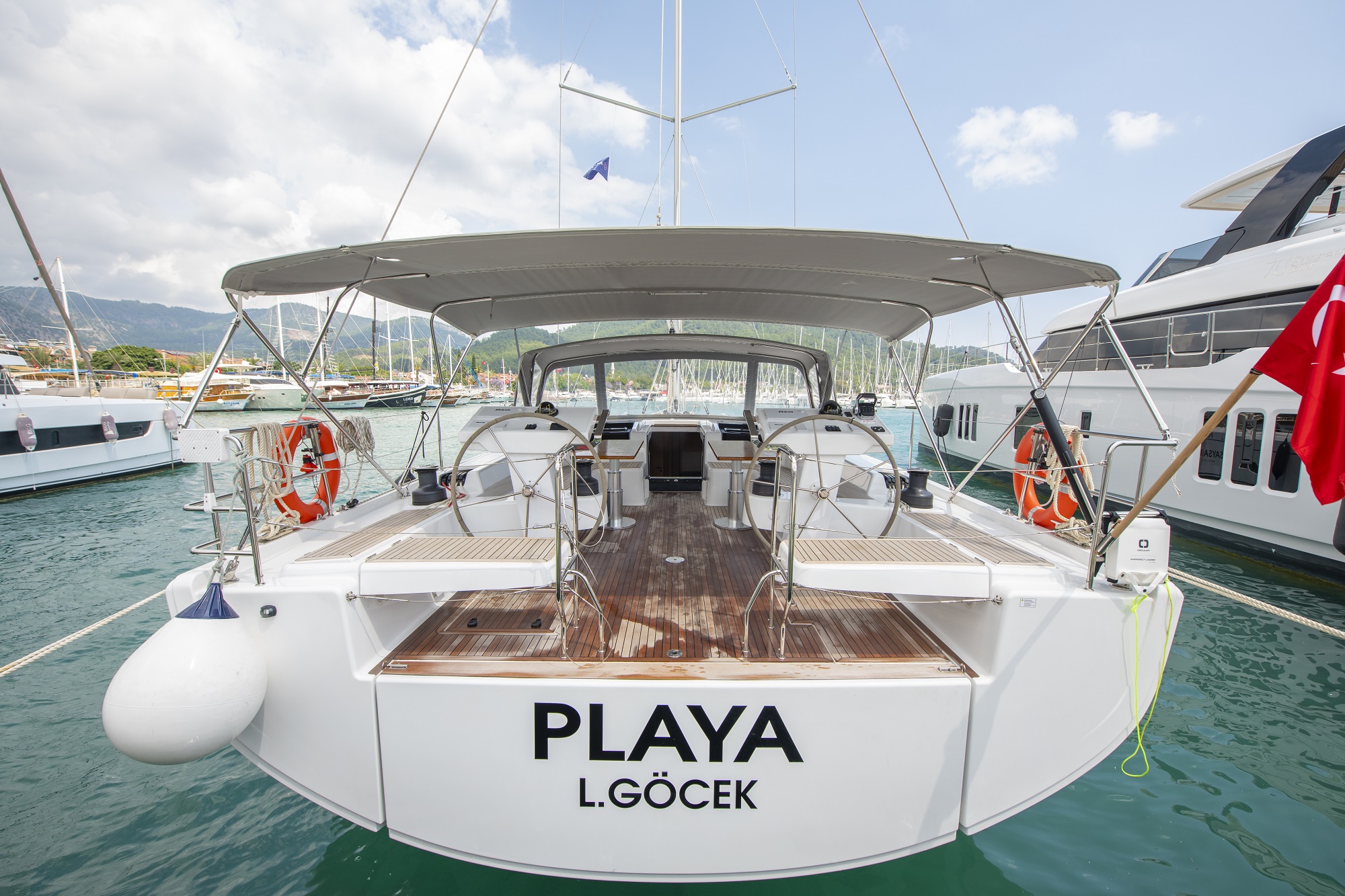 Monohull
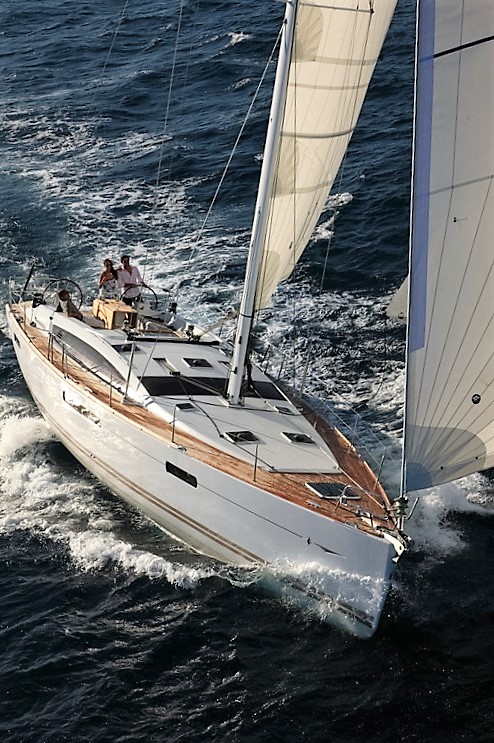 Monohull
 Monohull
Turkey questions
Asked and answered.
How much does a yacht charter in Turkey cost?
Boats are priced per week by size, age and season. A mid-size bareboat monohull in the shoulder months typically falls in the €2,500–€5,000 range; newer catamarans and August dates cost more. On top of the boat, budget for fuel, marina fees, the transit log, an end-of-charter clean and a refundable deposit. A skipper adds roughly €180–€220 a day. Message us on WhatsApp for a firm quote.
Do I need a licence to charter a yacht in Turkey?
For bareboat you need a recognised sailing qualification — an ICC, RYA Day Skipper or equivalent — plus VHF and often a short sailing CV for the boat. If you don't hold a certificate, or you'd rather not manage the paperwork and anchorages, book skippered and a local captain comes aboard. Requirements can vary by boat, so send us your certificates and we'll confirm before you commit.
When is the best time to sail Turkey?
May, June, September and early October are the sweet spots — warm water, comfortable heat, and meltemi wind that's strong enough to sail but sheltered inside the gulfs. July and August are hottest and busiest, with the strongest afternoon breeze on exposed passages. The season runs May to October; autumn stays warm well into October with the occasional thunderstorm.
Where should I start a charter in Turkey?
Göcek is the easiest base — a natural harbour with twelve islands, flat water and short hops, ideal for a first bareboat or a relaxed family week. Bodrum and Marmaris are the busier towns with more boats and nightlife, and they open onto the Gulf of Gökova and the Datça peninsula. Dalaman airport serves Göcek and Marmaris; Bodrum-Milas serves Bodrum.
Is Turkey good for a family sailing holiday?
Yes. The gulfs around Göcek and Gökova are sheltered, the passages are short, and there's warm swimming off the boat at almost every anchorage. Many bays have jetty restaurants where you tie stern-to and step ashore for dinner. Catamarans give more deck space and a stable platform for kids. If you'd rather not skipper, book with a captain and spend the days swimming rather than sailing.
What kind of boats can I charter in Turkey?
Monohulls from around 40 to 50ft suit most groups and families, and catamarans are widely available for extra space and shallow-draft anchoring. Turkey's own speciality is the gulet — a traditional wooden motor-sailer chartered fully crewed with a cook aboard, which runs more like a floating hotel than a sailing trip. Tell us your crew size and whether you want to sail or be looked after, and we'll match a boat.
Do I need a visa to visit Turkey for a charter?
Most visitors enter visa-free or with an e-visa bought online before travelling — the exact rule depends on your passport, so check your own nationality as requirements change. Your charter base handles the boat's transit log and cruising paperwork on arrival; you just bring passports, sailing certificates and a crew list. Dalaman and Bodrum-Milas are the main arrival airports with summer connections across Europe.
Turkey
Bareboat Charter in Turkey.
## Why sail Turkey
The Turkish coast is a run of deep, sheltered gulfs with pine forest coming right down to the water and Lycian ruins on the headlands. You anchor off a beach for lunch, tie the stern line to a tree in a bay with no road access, and eat gözleme at a jetty restaurant that only opens for boats. The water is warm from May onward and clear enough to see your anchor set at 8m. It's less busy than the neighbouring Greek islands, the harbours are cheaper, and the run of bays between Bodrum and Göcek gives you weeks of sailing without ever leaving flat water for long. Right for first charterers, families, and anyone who wants swimming-off-the-boat over passage-making.
## The sailing areas and harbours
Most charters run out of the southwest corner. The **Gulf of Gökova**, west of Bodrum, is a long protected inlet with English Harbour, Seven Islands, and Longoz among its anchorages — sheltered, wooded, no swell. South of that the **Datça peninsula** splits the Gökova from the Hisarönü gulf, with the town of Datça and the ruins at Knidos on the tip. Further east, **Göcek** and its twelve islands sit inside a natural harbour that barely feels the open sea, which makes it the easiest cruising ground on the coast. **Bodrum** itself is the main charter town, busy and marina-heavy, with the castle over the harbour. Marmaris is the other big base further south. Between them you get quiet stern-to bays, town quays, and a handful of proper marinas for provisioning.
## Season and winds
The season runs **May to October**. The prevailing summer wind is the **meltemi**, the same north-westerly that blows across the Aegean, but the gulfs shelter you from the worst of it — inside Gökova and around Göcek it's usually a manageable Force 3 to 5 that fills in through the afternoon and drops at night. July and August are hottest, busiest, and windiest; expect 30-plus degrees and afternoon breeze that can gust hard on exposed passages. **May, June, September and early October** are the better months — warm water, lighter crowds, wind you can plan around. Mornings are often calm, so many crews motor early and sail the afternoon. Autumn brings the odd thunderstorm but stays warm well into October.
## Charter types available
You can book **bareboat** if you hold a recognised sailing qualification, **skippered** with a local captain who knows the anchorages, or **cabin charter** where you take a berth on a shared boat. Monohulls dominate the fleet — comfortable 40 to 50-footers suit most families and groups — and catamarans are widely available for those who want space, shallow draft, and stable decks for swimming. Gulets, the traditional wooden motor-sailers, are a Turkish speciality and run as fully crewed charters with a cook aboard; they're a different kind of holiday, more floating hotel than sailing trip. For a first bareboat, the Göcek gulf is the softest place to start.
## Realistic costs
Boat hire is quoted per week and varies with size, age and season. As a rough guide, a mid-size bareboat monohull in shoulder season sits in the **€2,500–€5,000** range per week; newer catamarans and peak-August dates run well above that. Skippered charter adds roughly **€180–€220 per day** for the captain plus their food. Budget separately for fuel, marina and harbour fees, the end-of-charter clean, and a security deposit held against the boat. Turkey also charges a transit log and cruising fees for foreign-flagged charters. Provisioning is cheap by Mediterranean standards. For a firm quote on a specific boat and week, message us on WhatsApp — **price on request** for anything we haven't listed.
## A sample week from Göcek
**Day 1** — Board at Göcek, provision, and motor to Boynuz Bükü or one of the Twelve Islands for a first-night anchorage and swim. **Day 2** — Sail down to Wall Bay (Tersane) with its old shipyard ruins; stern-to a jetty restaurant. **Day 3** — Cross to Ekincik and take a river-boat trip up the Dalyan delta to the rock tombs and Iztuzu beach. **Day 4** — Long sail west toward the Gulf of Gökova; anchor at English Harbour, a landlocked bay with a beach bar. **Day 5** — Seven Islands and Longoz — tree-lined, calm, good for a lazy day. **Day 6** — Work back east, stopping at Bedri Rahmi bay for the painted rock. **Day 7** — Final anchorage near Göcek, swim, and return to base the morning of Day 8. Distances are short; you'll motor the calm mornings and sail the afternoon breeze.
## Getting there
Most crews fly into **Dalaman** for Göcek and Marmaris, or **Bodrum-Milas** for the Gökova and Bodrum bases. Both have summer connections from across Europe; transfers to the marinas take 20 minutes to an hour. Most nationalities enter Turkey visa-free or with an e-visa bought online before travel — check your own passport rules, as they change. The charter base handles the transit log and paperwork on arrival. Bring your sailing certificates and the crew list for a bareboat. Provisioning is easy from marina supermarkets, and there are ATMs and chandlers at all the main bases.
Bareboat Charter
Sailing it yourself — licences, navigation and anchorages
Bareboat means you skipper. You'll need a recognised licence (ICC + VHF, RYA Day Skipper or ASA 104+) and a confident hand aboard — if no one on the crew is qualified, take the same yacht skippered and our captain drives.
We brief you on the local navigation: the channels and headlands that funnel the wind, where to anchor versus take a mooring, provisioning ports, and the best first-timer route versus the longer run for experienced crews.