 Motor Yacht
Sail Dubrovnik region.
Live fleet
Motor Yacht Motor Yacht
M/S Ad Astra
M/S Ad Astra · 2026ACI Marina Split, Croatia
12 guests6 cabins52 m
€115,000 / week
+ Compare Motor Yacht
 Motor Yacht
 Motor Yacht
 Motor Yacht
Black Swan
MY Custom Black Swan · 2018ACI Marina Split, Croatia
20 guests10 cabins49 m
€135,000 / week
+ Compare Motor Yacht
 Monohull
 Gulet
Gulet Gulet
Gulet Monohull
 Monohull
M/S Aurum Sky
MS Custom Aurum Sky · 2020ACI Marina Split, Croatia
12 guests6 cabins44 m
€79,000 / week
+ Compare Gulet
Gulet Motor Yacht
 Gulet
Gulet Gulet
Gulet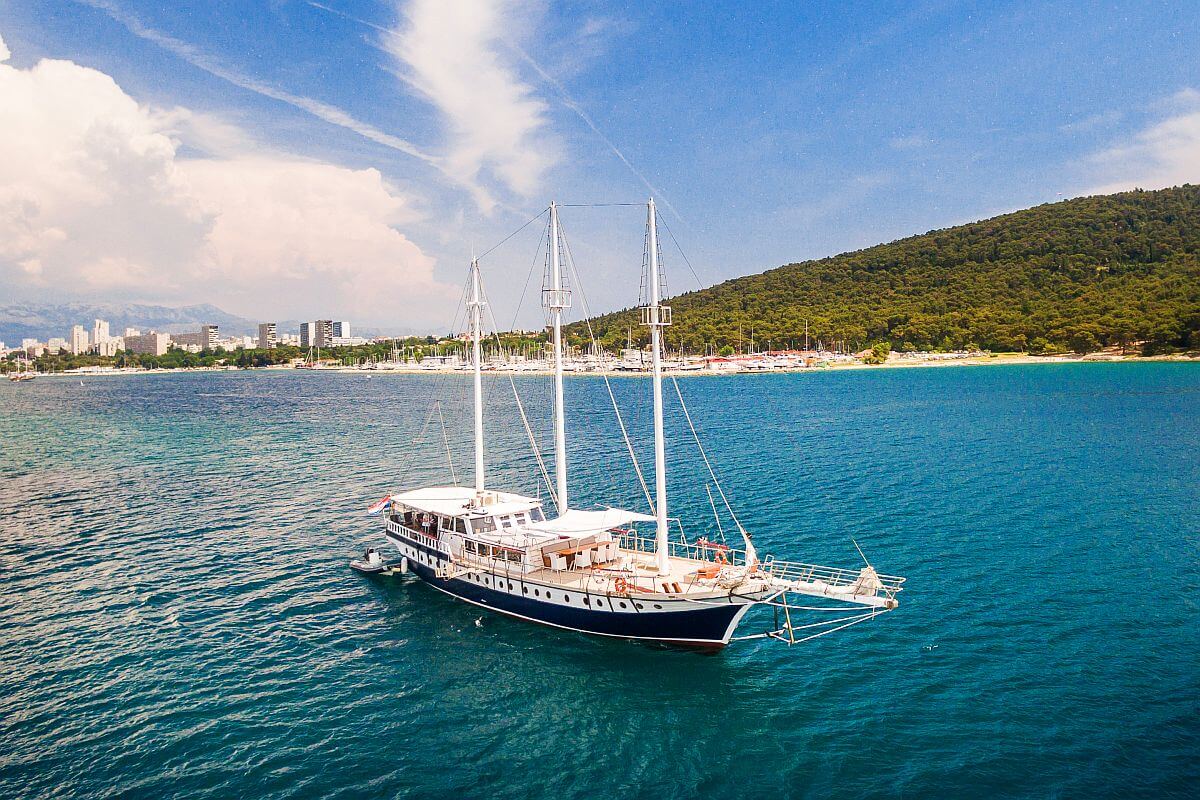 Gulet
Gulet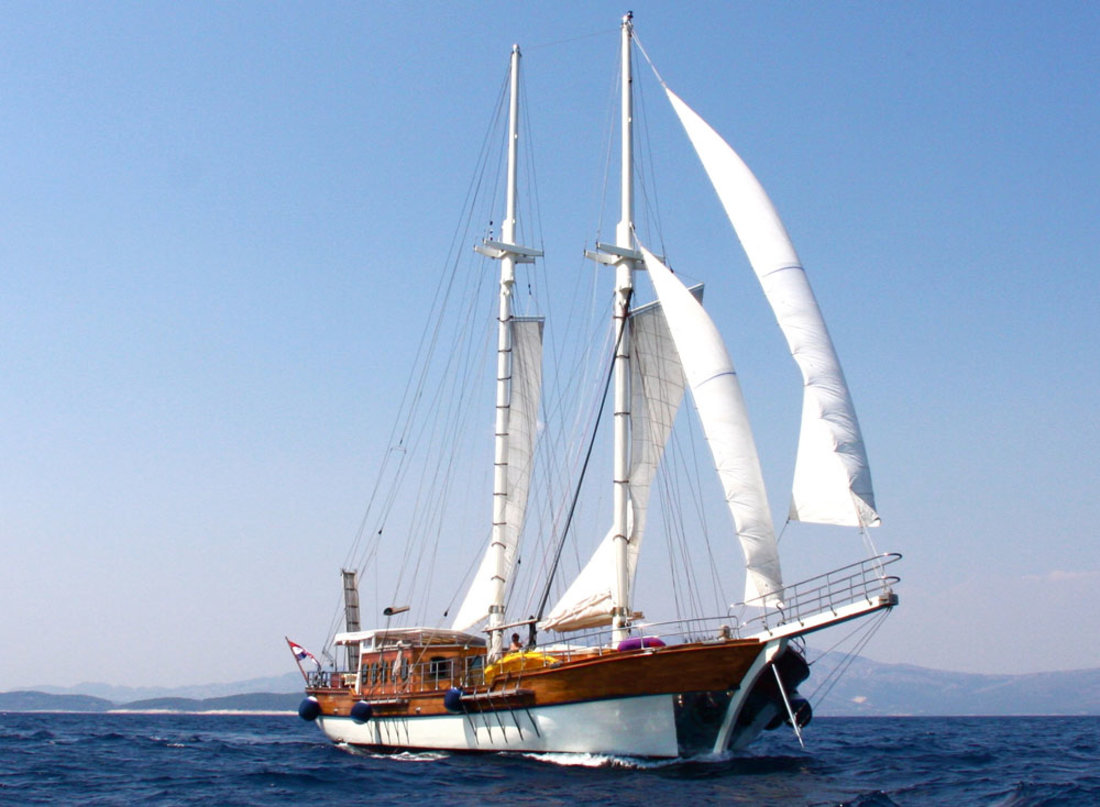 Gulet
Gulet Gulet
GuletPhoenix Bronze
Phoenix Bronze · 2008Luka Kaštel Stari, Croatia
12 guests6 cabins31 m
€21,900 / week
+ Compare Gulet
Gulet Gulet
Gulet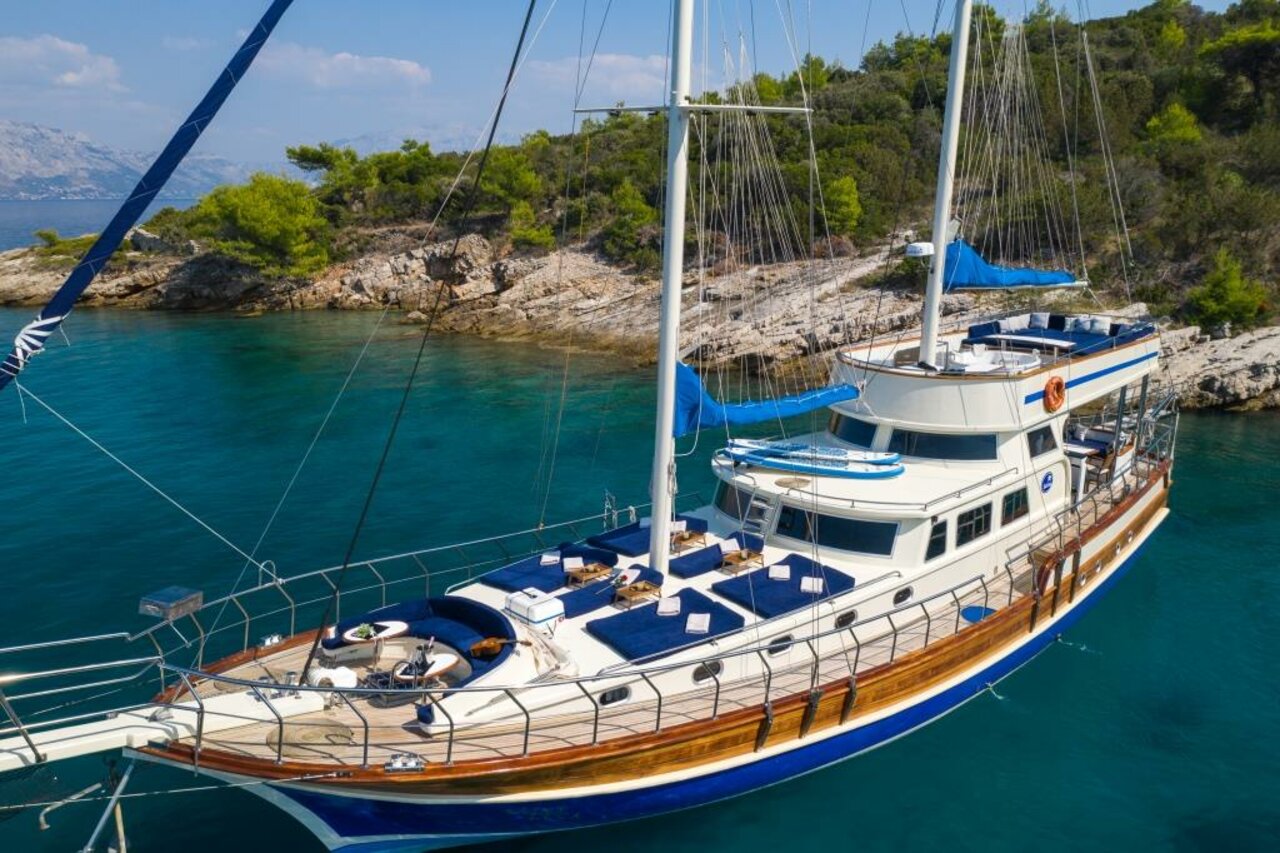 Gulet
Gulet Gulet
Gulet Gulet
Gulet Gulet
Gulet Gulet
Gulet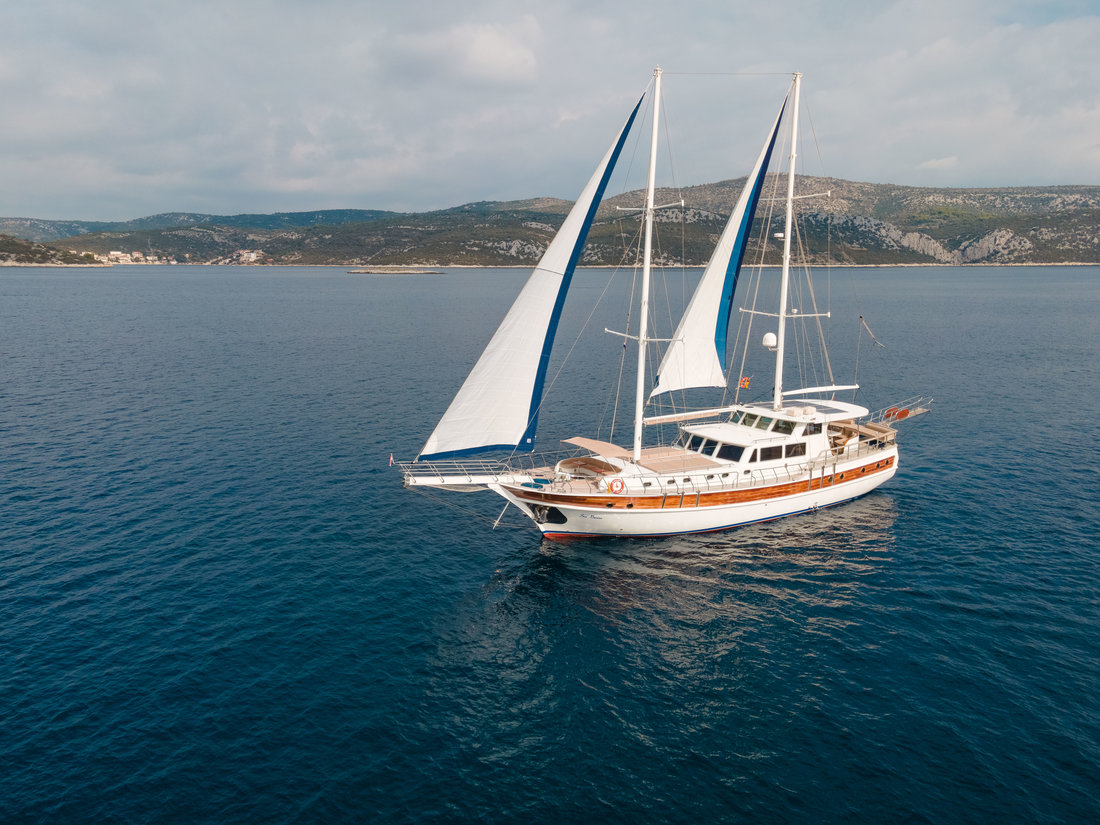 Gulet
Gulet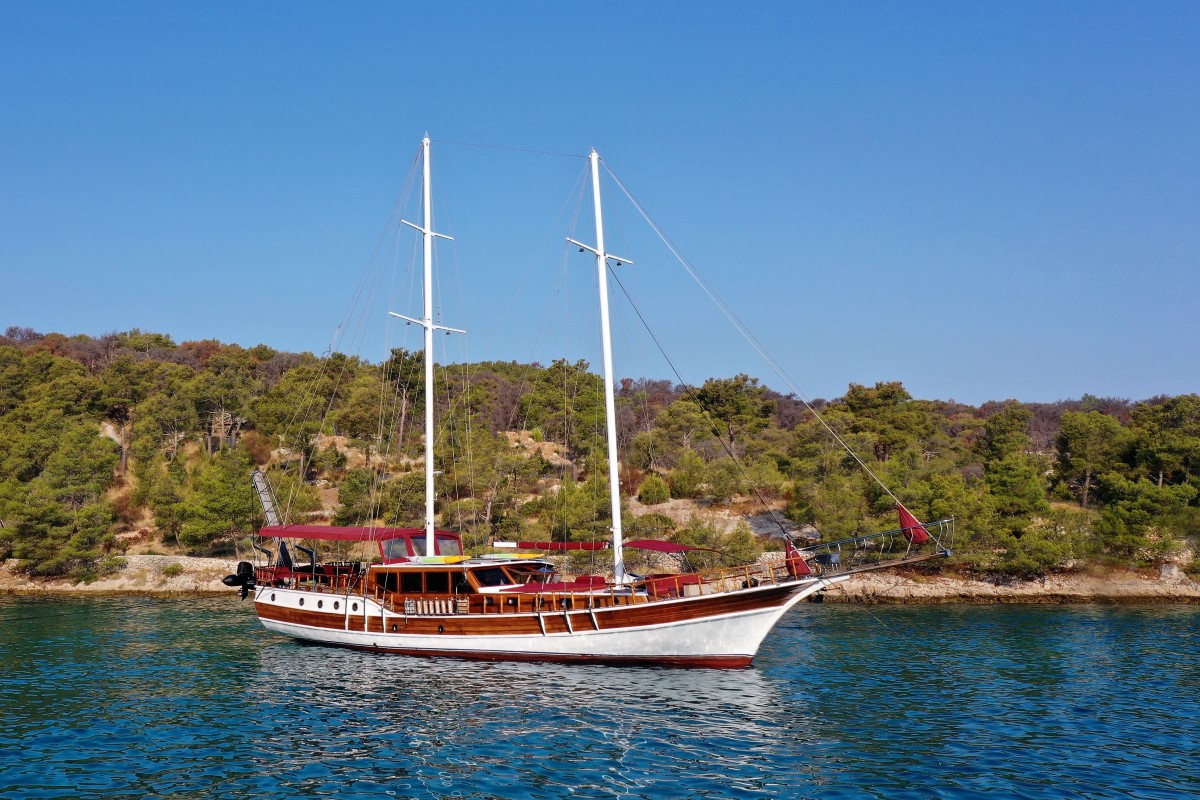 Gulet
Gulet Gulet
Gulet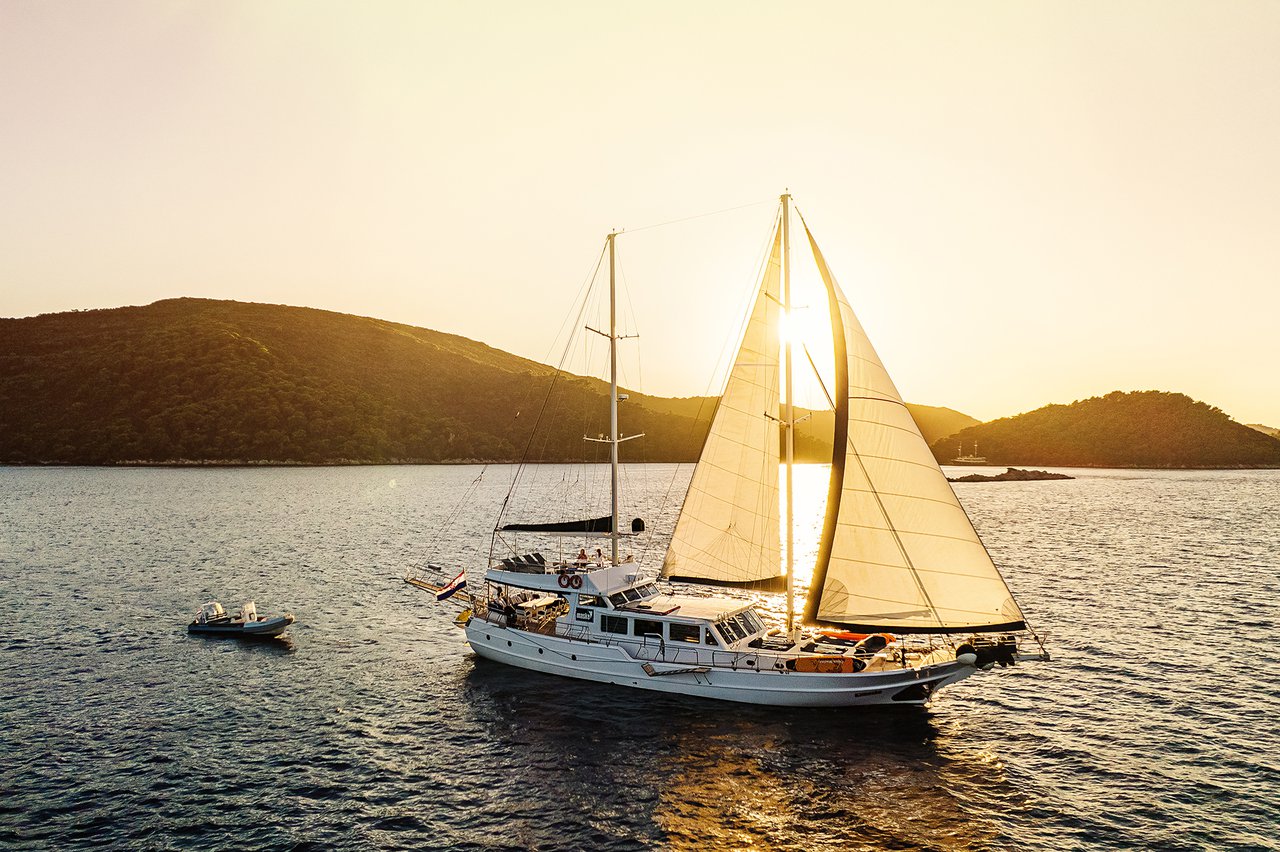 Gulet
Gulet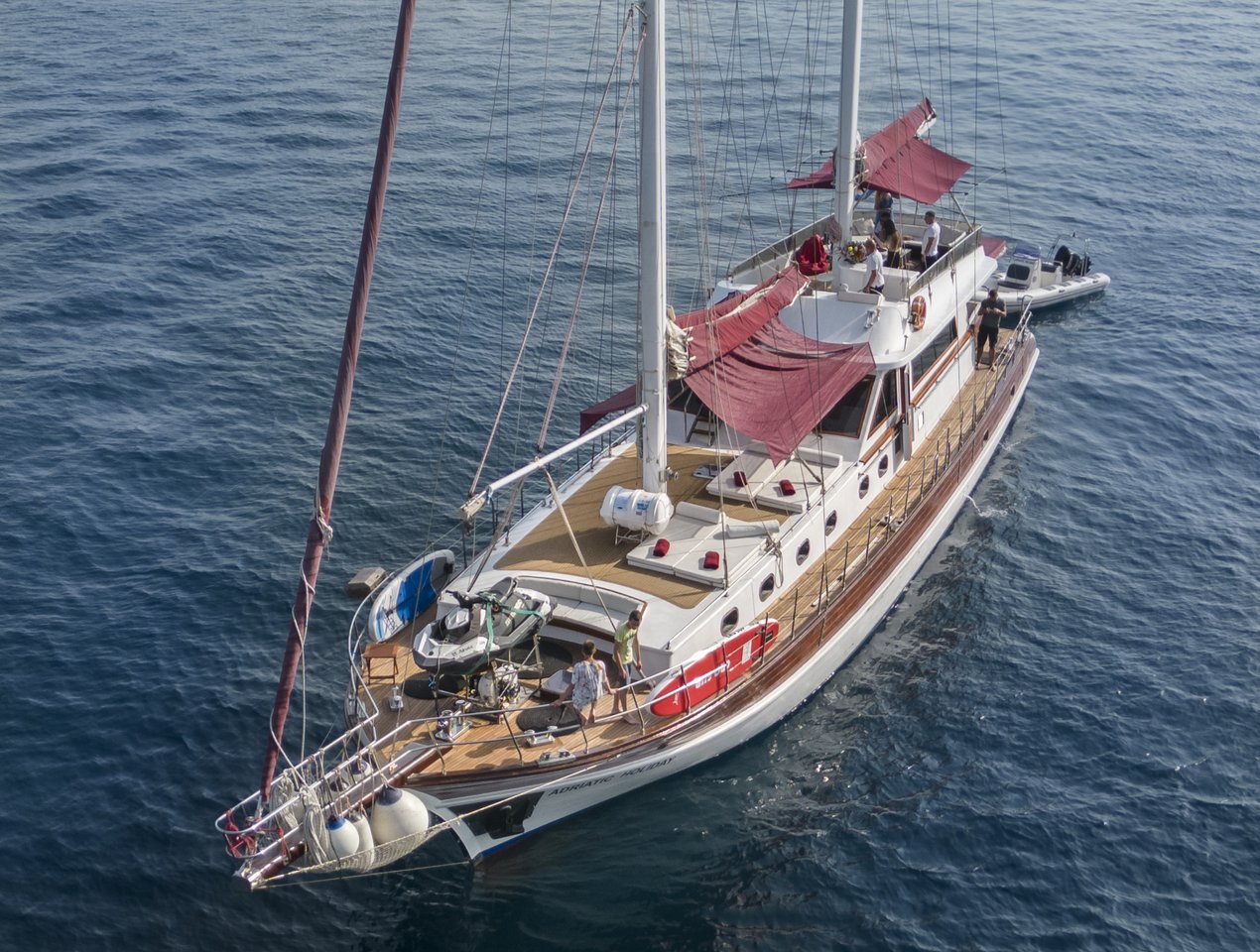 Gulet
GuletAdriatic Holiday
Adriatic Holiday · 2008Srebreno, Croatia
10 guests5 cabins27 m
€19,000 / week
+ Compare Gulet
Gulet Gulet
Gulet Gulet
Gulet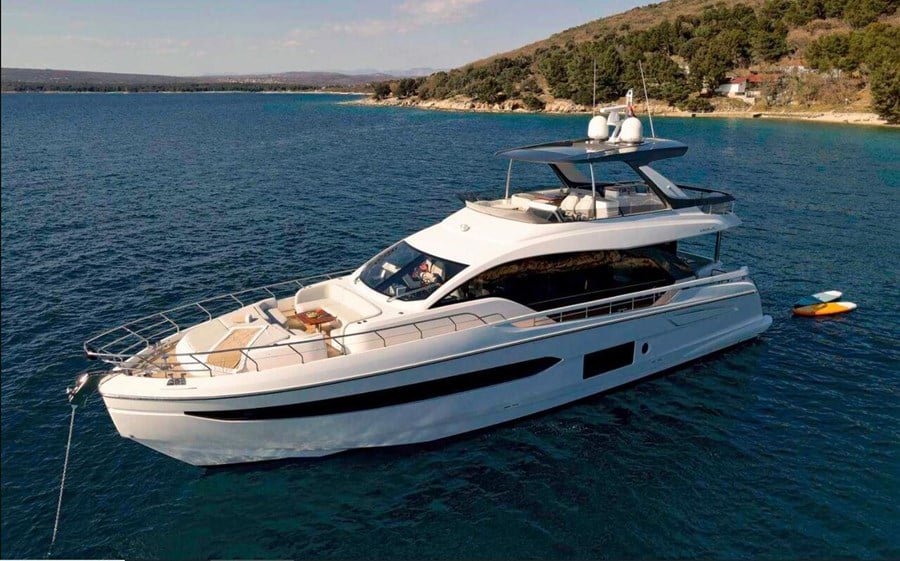 Motor Yacht
Concord's 6 ex. OMR Group
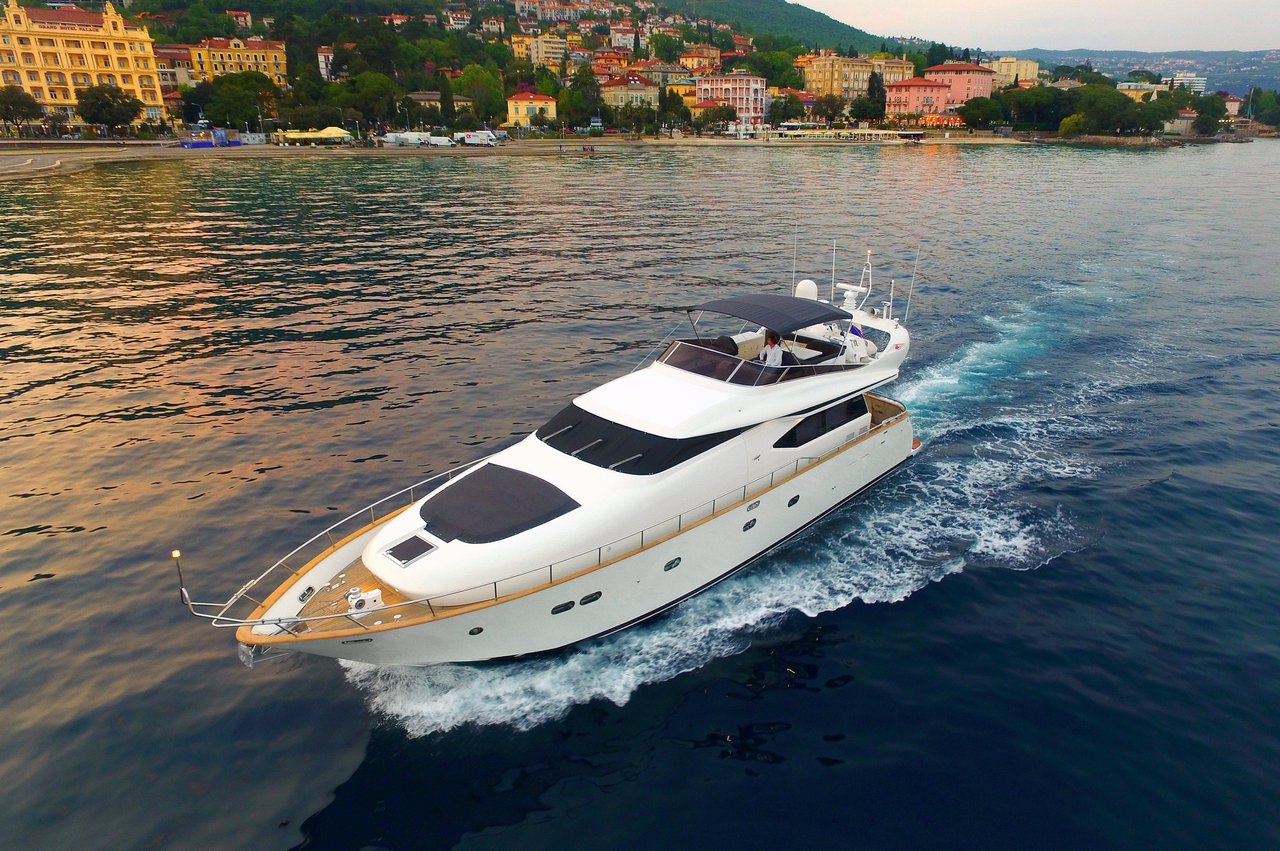
Azimut 78 Fly - 4 + 1 cab. · 2021Marina Lav - Podstrana, Croatia
8 guests4 cabins24 m
€51,924 / week
+ Compare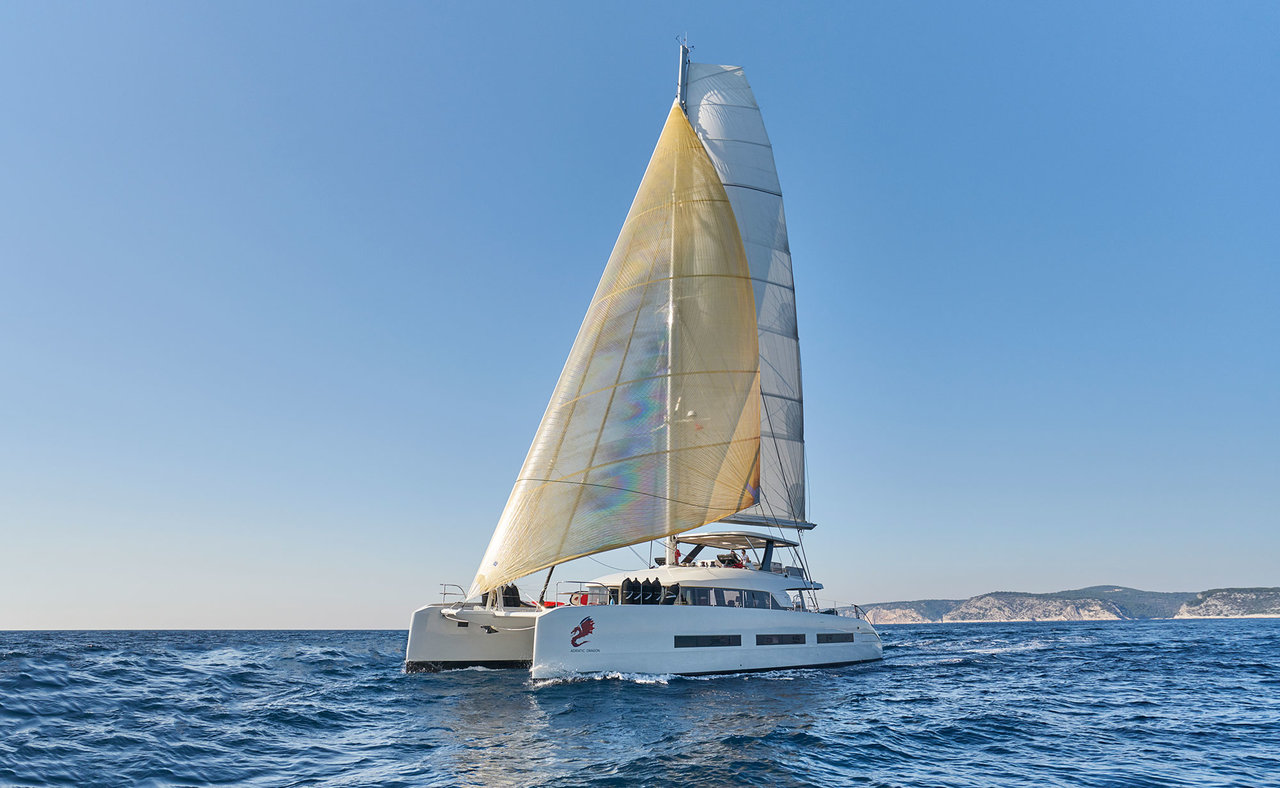 Catamaran
 Monohull
 Gulet
Gulet Motor Catamaran
 Motor Yacht
 Catamaran
TriWing Endor
Lagoon Sixty 5 · 2024Marina Kastela, Croatia
8 guests4 cabins20 m
€42,800 / week
+ Compare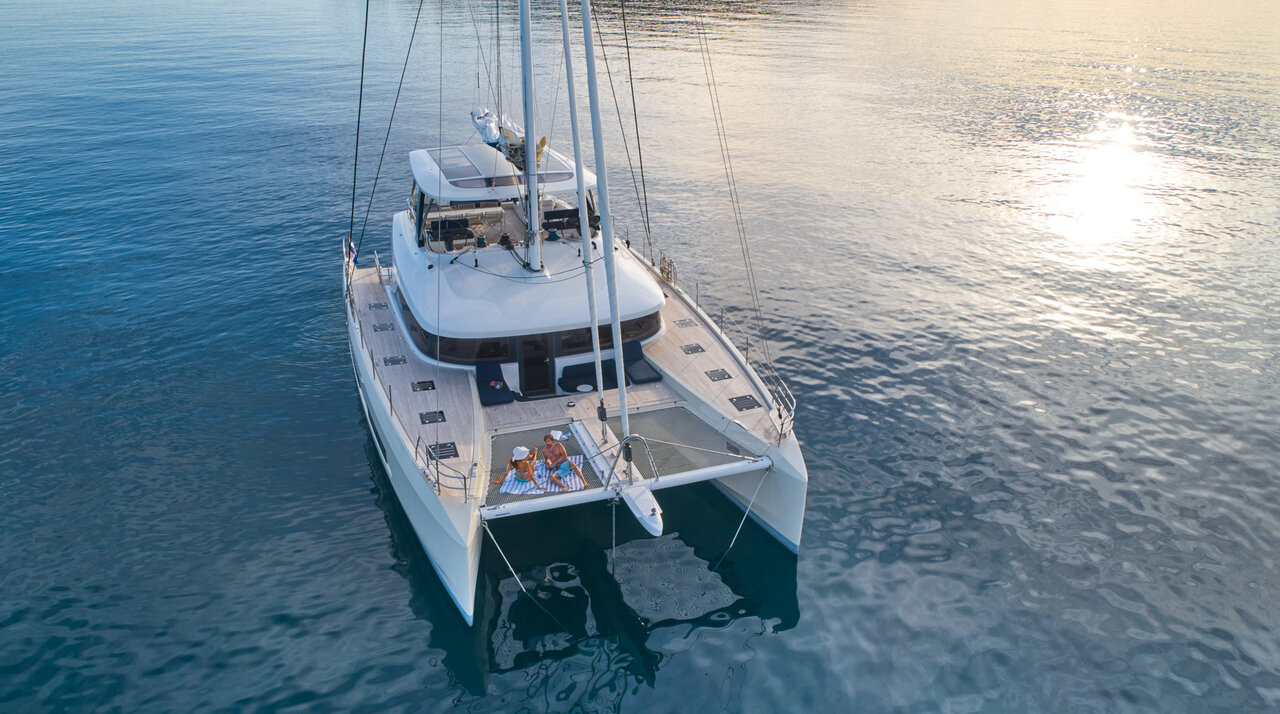 Catamaran
 Motor Yacht
Princess M
Azimut Magellano 66 · 2025Marina Lav - Podstrana, Croatia
10 guests4 cabins20 m
€28,815 / week
+ Compare Motor Catamaran
 Catamaran
 Catamaran
Princess Karla
Lagoon 60 - 4 + 2 cab. · 2025Marina Kastela, Croatia
10 guests4 cabins20 m
€23,200 / week
+ Compare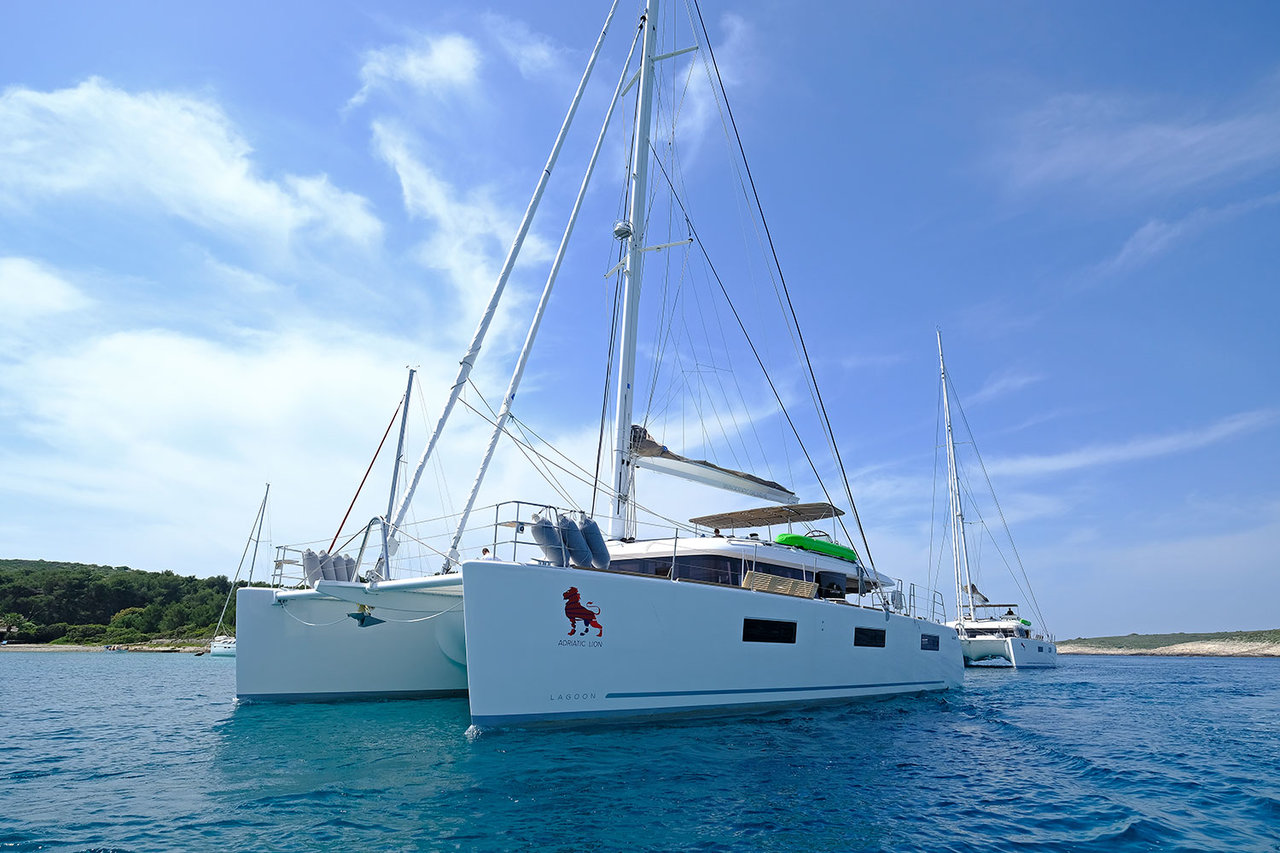 Catamaran
Adriatic Lion
Lagoon 620 - 6 + 2 cab. · 2018Split, Croatia
13 guests5 cabins19 m
€20,700 / week
+ Compare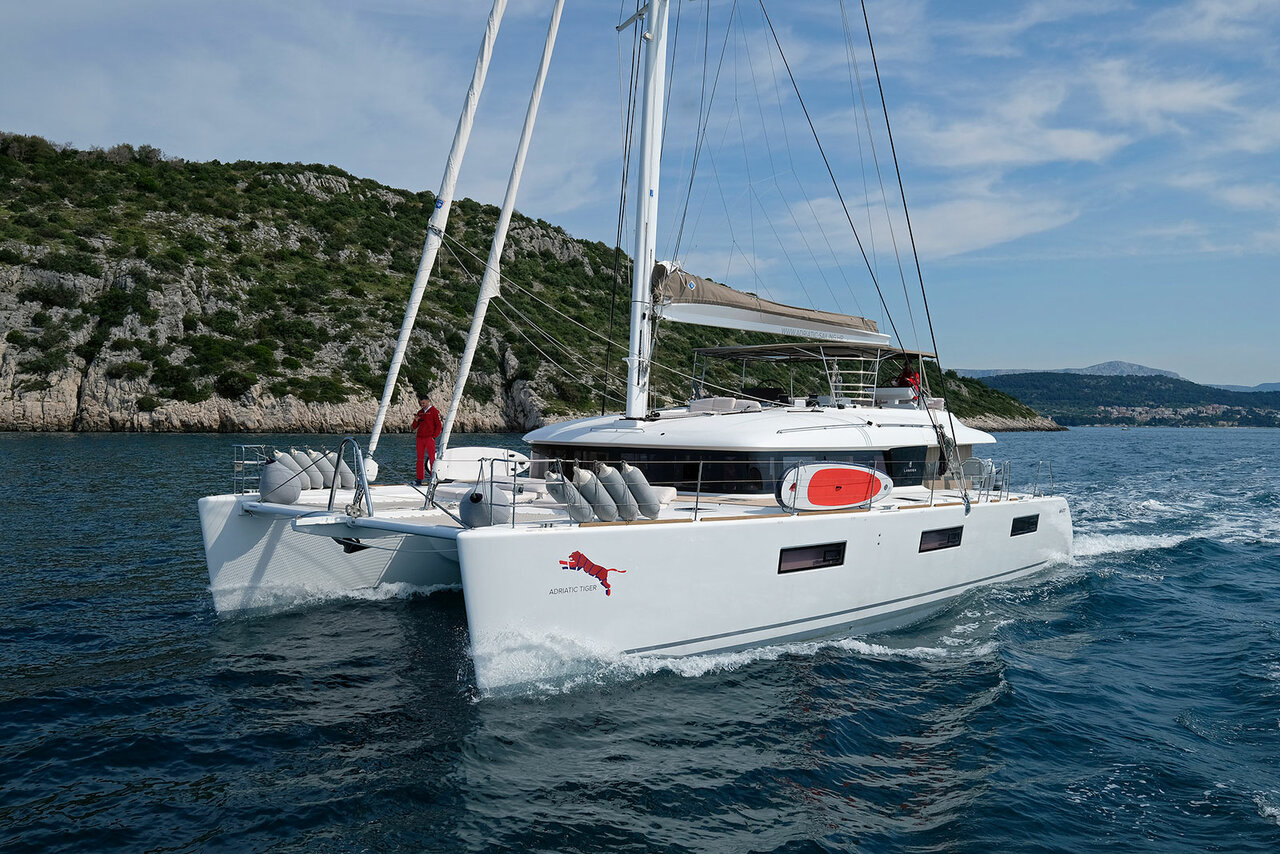 Catamaran
Adriatic Tiger
Lagoon 620 - 5 + 2 cab. · 2018Split, Croatia
10 guests5 cabins19 m
€20,700 / week
+ CompareBy the cabin
Cabin cruises in Dubrovnik
Scheduled crewed cruises — book by the cabin and share the yacht with a small group.
Dubrovnik

More cabin cruises
Other departures you can join, wherever you fancy sailing.
 €1,090per person
Modul B - Dufour 460 GL - Athi
Athi · crewed
Šibenik region, Croatia
7 days · Departs 26 Sept 2026 · 21 more datesView cabins
 €1,090per person
Modul B - Dufour 460 GL - Vellamo
Vellamo · crewed
Šibenik region, Croatia
7 days · Departs 26 Sept 2026 · 21 more datesView cabins
 €1,200per person
Sail the Aeolian Islands
Maria Louise II · crewed
Sicily, Italy
7 days · Departs 26 Sept 2026View cabins
 €5,000per person
More Package Greece
Zephyre · crewed
Ionian Islands, Greece
7 days · Departs 28 Sept 2026View cabins
 €3,000per person
Pearl of the Adriatic Cruise
Kaptan Sevket · crewed
Montenegro, Montenegro
7 days · Departs 28 Sept 2026View cabins
 €1,090per person
Modul A - Aventura 37 - Ankolina
Ankolina · crewed
Šibenik region, Croatia
7 days · Departs 3 Oct 2026 · 2 more datesView cabins
Dubrovnik region questions
Asked and answered.
How much does a yacht charter in Dubrovnik cost?
For a 40-45ft bareboat monohull, expect roughly €1,800-3,500 a week outside peak and €3,000-6,500 in July and August. Catamarans of similar size run €4,000-11,000. Crewed yachts are price on request. Budget separately for berths at €60-160 a night in season, fuel, end cleaning, tourist tax and the deposit. Send your dates on WhatsApp and we will quote against boats that are actually free.
Do I need a licence to bareboat charter in Croatia?
Yes. The named skipper must hold a sailing certificate Croatia recognises — an ICC or RYA Day Skipper is the usual route — plus a VHF short-range radio certificate. Both are checked at hand-over and can be asked for by the harbourmaster or coastguard, in original form rather than as photos on a phone. Without them, take a skipper for the week.
When is the best time to sail from Dubrovnik?
May, June and September. The maestral is more reliable than in midsummer, the water is warm enough from June, and the island quays are not full by 4pm. July and August are hot, light on wind and crowded in the old town. April and October are quieter and cheaper, with a higher chance of jugo and rain.
Where do charters actually start?
Most weeks begin at ACI Marina Dubrovnik in Komolac, 2nm up the Rijeka Dubrovačka inlet and about 6km from the old town — sheltered, with fuel, water and lazy lines. Some boats hand over at Gruž town port and a few at Srebreno in Župa Dubrovačka. We confirm the exact marina and berth with your documents before you fly.
Does it work for families with young children?
The Elafiti make it work. Koločep, Lopud and Šipan are 8-14nm out, so nobody sits on a rail for 6 hours, and Šunj on Lopud is sand with shallow water. Take a skipper if the adults are rusty — it turns the sailing into something you can do while keeping an eye on children. Guardrail netting and pilot berths on request.
Can we sail from Dubrovnik to Montenegro?
Yes, and it costs the best part of two days. You clear out of Croatia at Cavtat or Gruž, clear into Montenegro at Zelenika, then repeat the process coming back. There is paperwork, there are fees, and the crew list has to be agreed in advance. Kotor earns its place on a 10-day charter. On 7 days we would sail west instead.
Bareboat, skippered or crewed — which should we book?
Bareboat if your certificate is current and you have berthed stern-to before. Skippered if the crew is new, the forecast looks like jugo, or you would rather not lose an afternoon to a Med moor. Crewed if you want the cooking and the route handled. A skipper costs from about €200 a day plus food, and needs a cabin or a saloon bunk.
Where do the yachts in Dubrovnik region sail from?
Boats sailing Dubrovnik region all year — boats operate from Dubrovnik and Srebreno. The fleet list above is live from our operator system, so it always shows what is actually available for your dates.
Bareboat or crewed in Dubrovnik region?
Both. Bareboat if someone on your crew holds a licence, crewed if you would rather a skipper did the work. Tell us your experience level and we will match you.
How do I get a quote?
Send us your dates, your group and roughly the boat you want. Same day, we reply with real options, real prices and the honest trade-offs.
Talk to an expert
Get three options.
Charter types
Charter types in Dubrovnik region.
Dubrovnik region
01Why sail from Dubrovnik
The water in the Ombla inlet is flat and green at 7am, and the only sound at the Komolac pontoons is halyards and a coffee machine. Twenty minutes later you are under the Franjo Tuđman bridge with the open Adriatic ahead and the first island already in sight.
That is the case for starting here. The Elafiti sit within 2 hours of the dock, Mljet is a comfortable day, and Korčula and Lastovo fit inside a week without long deliveries. Depths are generous, tides are negligible, and most of the pilotage is line-of-sight.
The honest half: the old town is heaving from June to early September, and cruise-ship days make it worse. Berths and restaurants cost more here than further north. We think the sailing grounds justify it, but go in knowing what August looks like.
02The sailing grounds
The Elafiti — Koločep, Lopud and Šipan lie 8-14nm out. Car-free, pine and cypress, a couple of quays and plenty of anchorages. Šunj on Lopud is sand, which is rare on this coast.
Mljet — around 30nm west. The national park at the north-west end holds two saltwater lakes and a Benedictine monastery on an islet in the larger one. Buoys at Polače and Pomena; the park ticket is bought aboard.
Pelješac and Ston — the mainland side. Trstenik and Žuljana for a quiet night, Ston behind its 5km of walls, oyster beds in the shallows off Mali Ston.
Korčula — about 45nm, a walled town on a spur, with real current running in the Pelješac channel alongside it. Book the town quay ahead in summer or take the bay to the west.
Lastovo — 50nm, the furthest out and the quietest of them. Skrivena Luka and Zaklopatica.
South — Cavtat is 8nm and makes an easy first or last night. Montenegro is reachable, but it means clearing out and back in.
03Where the week starts, and where you tie up
Most charters here begin at ACI Marina Dubrovnik at Komolac, 2nm up the Rijeka Dubrovačka from Gruž: lazy lines, fuel dock, water and power, and shelter from everything including bura. It sits 6km from the old town, so budget a taxi each way.
Some boats hand over at Gruž town port, and a few at Srebreno in Župa Dubrovačka on the airport side of the city.
Out on the islands, expect three kinds of night. A town quay with a harbourmaster collecting fees — Korčula, Šipanska Luka, Polače. A national park buoy at Mljet. Or a konoba mooring, where the buoy costs nothing if you eat ashore: Okuklje, Prožura, Pomena and Šipan all work this way, and the buoys go early in August. Anchoring is straightforward on sand and weed in 5-12m, though swinging room is tight in most of the good bays.
04Season and winds
The main charter season runs April to the end of October, and boats sail from Dubrovnik through the winter too — those weeks are simply a different proposition.
Maestral is the summer engine: a north-westerly sea breeze that fills in around midday and blows 10-18 knots until early evening. Mornings are often glassy, so plan to motor the first hour and sail the afternoon.
Bura comes off the mountains from the north-east — dry, cold, gusty, with a short steep sea. Here it belongs to spring, autumn and winter rather than midsummer, but it can double its forecast strength through the gaps in the hills.
Jugo is the south-easterly: humid, wet, slow to build and slow to leave, pushing swell up the coast over a day or two. More common outside high summer, and the reason exposed quays turn uncomfortable.
Water is around 19°C in May and 25-26°C in August. July and August are hot, busy and light on wind. May, June and September give you the better sailing.
05What you can charter
Bareboat — you take the boat and you are the skipper. Monohulls from roughly 35ft to 50ft, plus catamarans. Choice is widest May to September, and boats move between bases through the year, so what matters is what is free on your dates rather than any brochure list.
Skippered — your own charter with our skipper aboard. Worth it if the crew is new, the forecast says jugo, or nobody fancies going stern-to in a crosswind in front of an audience.
Crewed — skipper and hostess, or full crew: cooking, berthing and the route handled around you. Boats and rates vary week to week, so we quote against live availability rather than a list.
Cabin charter is the exception out of Dubrovnik rather than the rule. Ask, and we will tell you honestly whether it exists for your dates.
06What it costs
Ranges, not quotes. The number moves with the week, the age of the boat and how far ahead you book.
Bareboat monohull, 40-45ft: roughly €1,800-3,500 a week in the shoulder months, €3,000-6,500 in peak weeks.
Bareboat catamaran, 42-47ft: roughly €4,000-11,000 a week across the same spread.
Crewed yachts: price on request. Too much depends on the boat and the crew for a range to mean anything.
Then the extras people forget. Skipper from about €200 a day plus their food and a berth. Marina fees of €60-160 a night for a 45ft boat in season. Fuel of €150-300 a week depending on how much you motor. End cleaning, tourist tax, transit log, Mljet park tickets, and either a security deposit held on a card or a waiver premium in place of it.
Send your dates on WhatsApp and we will come back with real numbers against real boats.
07A week out of Komolac
Saturday — hand-over in the late afternoon. Provision at the Gruž market or the supermarket near the marina, sleep aboard, leave early.
Sunday — Šipanska Luka, 12nm. Long, deep harbour, easy quay, and a swim off the boat before lunch.
Monday — Polače on Mljet, 18nm. Take a buoy, then walk or cycle to the lakes and the islet monastery.
Tuesday — round to Pomena, or push east to Okuklje, a pocket bay with a handful of konobas and no road worth the name.
Wednesday — Korčula, 25nm across the channel. Mind the current between the island and Pelješac. Town quay if you booked it, the bay to the west if not.
Thursday — Lumbarda, or back to the mainland for Trstenik and oysters at Mali Ston if the forecast is kind.
Friday — Lopud or Koločep, 20-30nm east. Last night within easy reach of base.
Saturday — 90 minutes up the inlet, fuel on the way in, boat back by 09:00.
About 130nm over the week, nothing over 30nm in a day. Right for first-time charterers and families; less right for crews who want long passages.
08Getting there
Dubrovnik airport (DBV) sits 20km south-east of the city at Čilipi. It is 30-40 minutes by road to Komolac, longer if you land mid-afternoon in high summer. Direct flights from most of northern Europe run through the season and thin out over winter, when Zagreb connections carry the traffic.
Split is the fallback, but it is a 3.5-hour drive, so it only makes sense on price. Tivat looks closer on the map and is slower in practice because of the border.
Arrive the day before if you can. A late flight and an evening hand-over make a poor first night, and the provisioning shops shut earlier than you expect.
Bring passports for everyone aboard, and the skipper's certificate and radio ticket as originals. Tell us in advance if you plan to cross into Montenegro.
Dubrovnik region · Croatia
Top 10 things to do in Dubrovnik region
The ten stops worth planning a charter week around — ranked.
The Elaphiti Islands
A car-free scatter of green islands starting an hour's sail from the Dubrovnik marinas — Koločep, Lopud and Šipan, the classic first and last nights of a week afloat. Moor on Šipanska Luka's old harbour wall, swim off pine-backed coves, and let the pace drop the moment the city slips astern.
Dubrovnik Old Town & the City Walls
The Adriatic's most famous walled city is your home port — and the approach under sail, stone ramparts rising straight from the sea, beats any coach-tour arrival. Walk the full two-kilometre circuit of the walls on boarding day or hand-back morning, before the cruise-ship crowds land.
Mljet National Park & the salt lakes
The greenest island in the Adriatic, and the stop sailors plan the week around. Pick up a buoy at Polače or Pomena, cycle through Aleppo pine forest to the two saltwater lakes, and swim out toward the islet where a twelfth-century monastery sits in the middle of the water.
Korčula Town
A perfectly preserved walled town jutting into the channel on its own peninsula — the Adriatic's second-most photogenic after Dubrovnik itself. Berth below the ramparts, snorkel off the monastery islet of Badija in the afternoon, and finish with a glass of Grk from the Lumbarda vineyards.
Lastovo
Croatia's remotest inhabited island, a nature-park archipelago of forty-six islets that stays almost completely dark after sunset. Take a buoy in Zaklopatica or anchor in the near-enclosed Skrivena Luka — the 'hidden harbour' — and eat metres from where the fishing boats land.
Mount Srđ
The bare ridge behind Dubrovnik, 412 metres straight up from the water, with the whole cruising ground laid out below — the walls, Lokrum, and the Elaphiti chain trailing off to the northwest. Ride the cable car up before you cast off and read your week's route from above.
Kayak & swim beneath the walls
From the water, Dubrovnik's ramparts feel twice the size. Paddle the circuit below the fortifications at golden hour, duck into the hidden sea cave at Betina, and cool off with a swim under Fort Lovrijenac — an evening well spent while the yacht waits in the marina.
Ston & the Pelješac wine coast
The Pelješac peninsula is Croatia's big-red wine country, and its sheltered south shore makes a natural overnight on the way back from Korčula. Anchor off Trstenik among the vineyards, then walk the medieval walls of Ston — the longest fortification in Europe — above the famous oyster beds.
Šunj Bay, Lopud
A rarity on this coast: a genuinely sandy bay, shallow and turquoise, cut into the southeast corner of car-free Lopud. Sheltered from everything but a southerly, it is the swim stop of the Elaphitis — drop the hook for a long afternoon and stay for the evening quiet.
Dinner in a konoba
The southern islands hide some of the best family taverns in the Adriatic — grills behind the harbour on Šipan, lobster houses on Lastovo's buoys, wine cellars above Lumbarda. Order the black risotto and whatever came off the boat that morning, and settle in; nobody hurries a konoba dinner.