 Monohull
Sail Catalonia.
Live fleet
Monohull Monohull
 Catamaran
 Monohull
 Catamaran
 Monohull
 Monohull
 Monohull
 Monohull
Catalonia questions
Asked and answered.
How much does a yacht charter in Catalonia cost?
For a 38 to 45ft bareboat monohull, expect roughly €2,000 to €3,500 a week in April, May, June, late September and October, and €3,500 to €7,000 in mid-July and August. Catamarans and yachts over 50ft are price on request. On top of the charter fee, budget for visitor berths at €50 to €150 a night, fuel, end cleaning and a refundable deposit.
Do I need a licence to charter a bareboat in Spain?
Yes. Spain requires the skipper to hold a recognised certificate of competence — an ICC, RYA Day Skipper or a national equivalent — plus a VHF radio operator's licence. Bring the physical documents, not photos, and a short sailing CV covering boat sizes and areas you have handled. If your paperwork sits in a grey area, send it to us on WhatsApp before you book and we will check it against the base's requirements.
When is the best time to sail the Costa Brava?
May, June, September and early October. The water is warm enough to swim, the afternoon garbí sea breeze gives a reliable 10 to 15 knots, and coves like Aiguablava and Tamariu still have space to anchor. July and August are hot and busy — marinas fill, Cadaqués is packed, and prices peak. Outside April to October the tramuntana blows harder and more often, which limits what you can plan.
Should we start from Barcelona or Empuriabrava?
Empuriabrava if you want the rock-and-cove sailing of the Costa Brava — Cap de Creus is 12 miles from the berth and the whole week runs on short legs. Barcelona if you want a city at one end of the trip and are happy to sail south toward Sitges and Vilanova, which is flatter, sandier coast. Port Mataró is the middle option: close to Barcelona airport, quieter turnaround, and the Costa Brava within a day's sail.
Is Catalonia a good first charter, and does it work with children?
It works well for both. Passages are usually 10 to 25 nautical miles, so nobody is stuck aboard all day, harbours are well marked, and there is help within VHF range. Sandy anchorages in the Golf de Roses are calm and shallow, and the Medes islands give older children real snorkelling. The catch is the tramuntana: when it blows, stay in port and plan a land day rather than pushing north.
Can we sail to the Balearics in a week?
Not comfortably. Barcelona to Mallorca is around 110 to 120 nautical miles of open water, so you are committing to an overnight each way and losing two of your seven days to passage-making. Most bases also restrict where bareboats may go. If a Balearic crossing is the point of the trip, ask us on WhatsApp — a ten-day or two-week booking, or a charter starting in the islands, makes far more sense.
Are the yachts here bareboat or crewed?
Bareboat. The yachts sailing from the Catalan bases run all year and none of them come with permanent crew, which is why skipper certification is required for everyone booking. If you would like a skipper for the week, or just for the first two days while you get used to the boat and the coast, message us on WhatsApp and we will confirm what that base can arrange and what it adds to the price.
Where do the yachts in Catalonia sail from?
Boats sailing Catalonia all year — boats operate from Marina d'Empuriabrava, Port Olímpic de Barcelona, Port Mataró and Real Club Nautico de Barcelona. The fleet list above is live from our operator system, so it always shows what is actually available for your dates.
Bareboat or crewed in Catalonia?
These are bareboat yachts — someone on your crew needs a recognised licence. If nobody has one, we will find you the same boat with a skipper.
How do I get a quote?
Send us your dates, your group and roughly the boat you want. Same day, we reply with real options, real prices and the honest trade-offs.
Talk to an expert
Get three options.
Charter types
Charter types in Catalonia.
Bareboat charter
You skipper it yourself — licence required.
Catalonia
01Why sail here
Two coastlines in one charter. North of the Golf de Roses the Costa Brava is rock — pine-topped headlands, water that turns from green to deep blue over 10m, coves you can only reach by boat. South of Blanes the land flattens into beach towns and then Barcelona, where you berth a ten-minute walk from the old city. Legs are short, mostly 10 to 25 nautical miles, so the pattern of the week is sail in the morning, anchor and swim after lunch, eat ashore. That suits crews who want the boat to be transport and shade rather than an endurance test. It suits distance sailors less: if you want 60-mile days you will spend the week going back and forth.
02The sailing grounds
The headline ground is Cap de Creus, the rocky headland where the Pyrenees run into the sea. Round it in settled weather and you get Cadaqués, whitewashed and steep, with a bay that is open to the east and rolly when the llevant blows. North of the cape sit Port de la Selva and Llançà, quieter and closer to the French border. South, the Golf de Roses is a long sandy bay — easy, shallow, good for a first night. Below it the coast turns rock again at Begur: Aiguablava, Tamariu, Sa Tuna, Illa Roja. The Illes Medes off L'Estartit are a marine reserve with buoys instead of anchoring and the best snorkelling on this coast. From Barcelona southward you have Sitges, Vilanova and, further on, Tarragona.
03Harbours and marinas
We work from four bases. Marina d'Empuriabrava sits at the top of the Golf de Roses inside a canal network — the entrance is straightforward in anything but strong easterlies, and it puts Cap de Creus 12 miles from the berth. Port Olímpic de Barcelona and Real Club Nautico de Barcelona both put you in the city itself: Olímpic beside the beach at Barceloneta, the Reial Club Nàutic inside the commercial harbour behind the breakwater. Port Mataró is 30km up the coast from Barcelona, less busy on a Saturday, and often the easier turnaround if you would rather not start a charter in city traffic. Visitor berths along the Costa Brava fill from mid-July; call ahead on VHF or book the night before.
04Season, winds and weather
April to October is the practical sailing season, with May, June, September and early October the best of it — warm, quieter harbours, water at 20 to 24C by late summer. The wind to understand is the tramuntana, a hard, dry northerly that funnels off the Pyrenees into the Golf de Roses and around Cap de Creus. It is most frequent from autumn through spring, can reach 40 knots, and it flattens plans for a day or two at a time. In summer the working breeze is the garbí, a south-westerly sea breeze that fills in early afternoon at 10 to 15 knots and dies at dusk. The llevant, an easterly, brings swell straight into east-facing coves and most of the rain. August is hot, crowded and expensive; we will say so rather than sell you into it.
05What you can charter
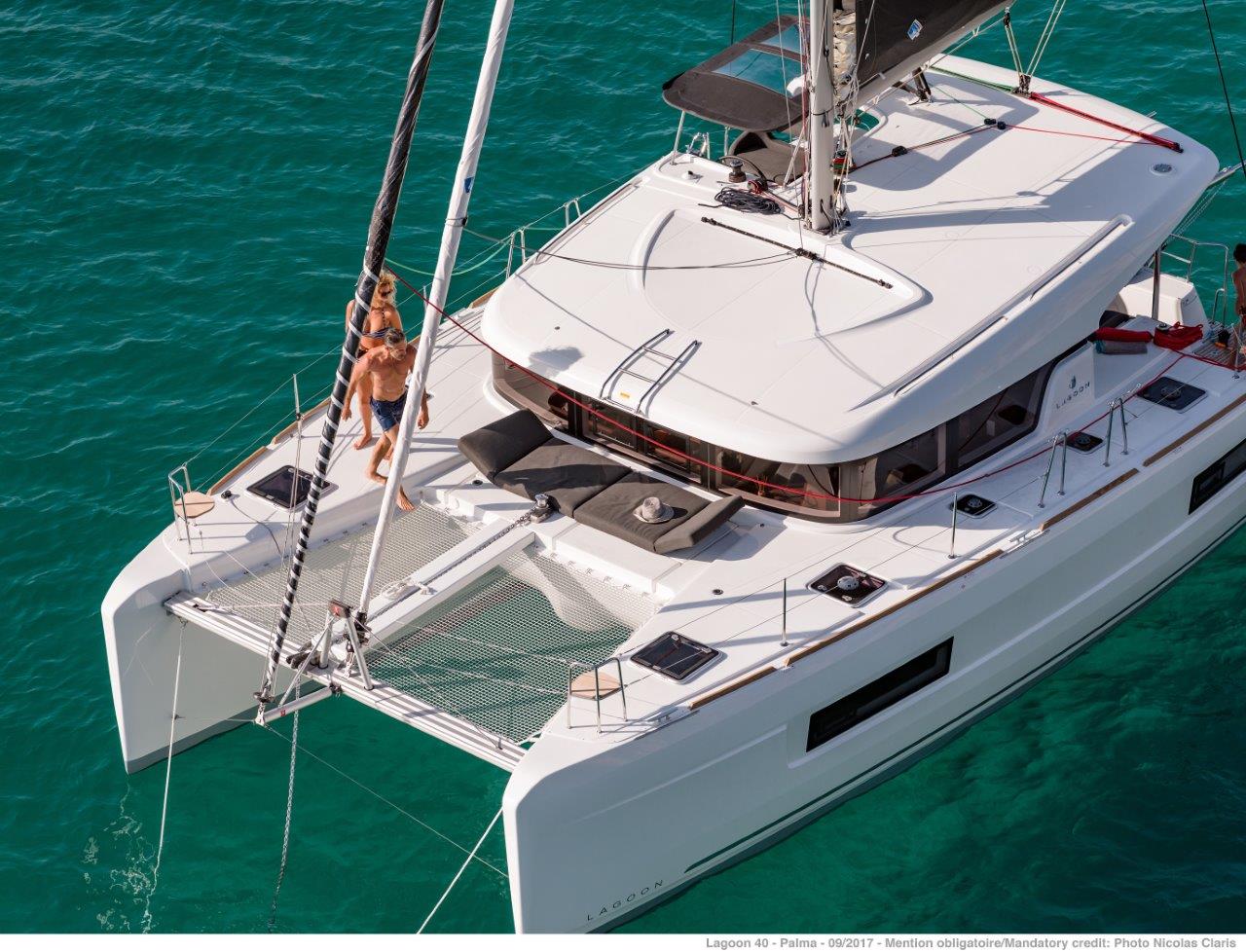
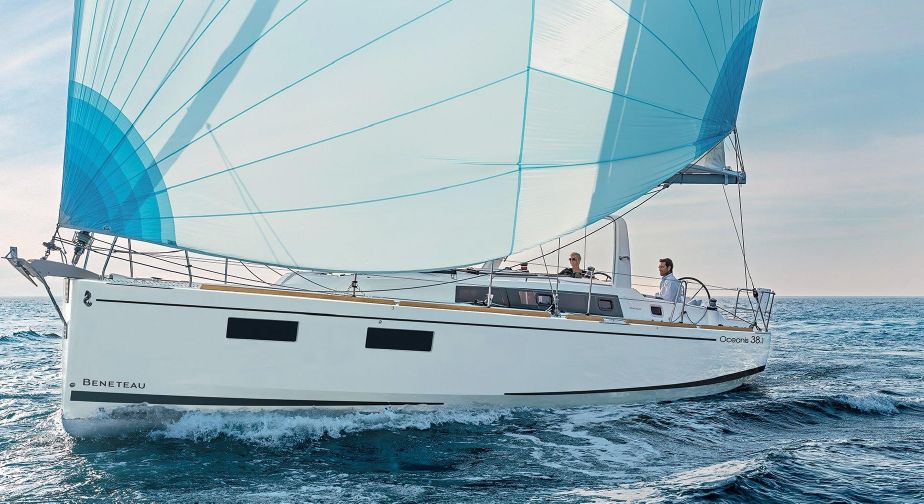
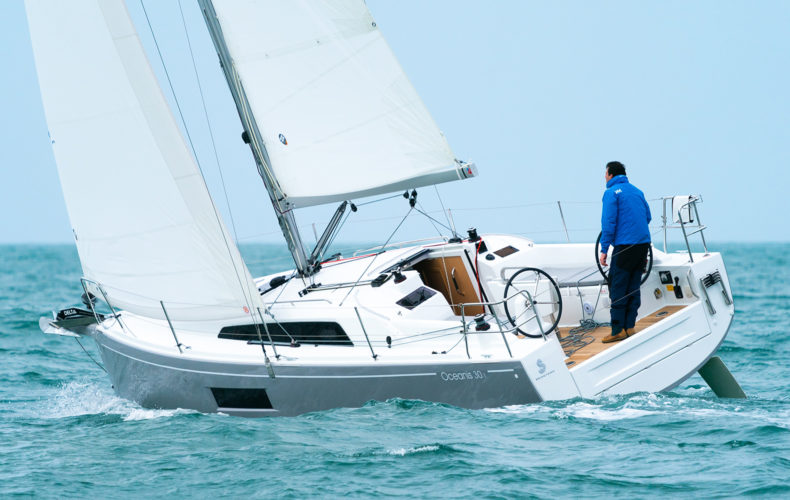
The fleet sailing from Catalan bases runs all year, and it is bareboat only — no crewed yachts on this coast. That means monohulls in the 35 to 50ft range, mostly production cruisers, plus catamarans in the same size band. Bareboat is the right fit here because the passages are short, the harbours are well marked and there is almost nowhere you have to be at a particular hour. If you want a skipper aboard for the first days, or for the whole week, message us on WhatsApp before you book and we will tell you what can be arranged from that base — we would rather set that up in advance than have you arrive hoping.
06What it costs
Ranges, not promises, and always confirm against a live quote. A 38 to 45ft monohull in the shoulder months — April, May, June, late September, October — typically runs €2,000 to €3,500 for the week. The same boat in mid-July and August moves to €3,500 to €7,000 depending on age and size. Catamarans and anything over 50ft: price on request. Budget separately for visitor berths at €50 to €150 a night on the Costa Brava in summer and more in Barcelona, fuel at €100 to €250 for a normal week of short hops, end cleaning of €150 to €350, and a security deposit of €2,000 to €5,000 held on a card unless you take a damage waiver.
07A week from Empuriabrava
Day 1 — Board late afternoon, provision, motor out and anchor off Cala Montjoi, 7nm. Short first leg on purpose.
Day 2 — Round Cap de Creus to Cadaqués, 12nm. Go early; the wind builds at the cape. Buoys and anchorage in the bay, dinner ashore.
Day 3 — North around the cape to Port de la Selva, 10nm, with a stop at Cala Tavallera. Quiet harbour, good bakery.
Day 4 — The long leg south to the Illes Medes and L'Estartit, about 25nm. Pick up a reserve mooring, snorkel the walls, berth in L'Estartit or anchor south of the islands.
Day 5 — Down to Aiguablava or Tamariu, 12nm of the best coast on the trip. Anchor on sand, not on seagrass.
Day 6 — Palamós or Sant Feliu de Guíxols, 8 to 15nm. Fish market at Palamós, fuel and water before the run home.
Day 7 — Back north to Empuriabrava, roughly 30nm. Leave at first light and take the wind on the nose early rather than late.
08Getting there
Barcelona El Prat is the arrival airport for everything on this coast. For the Barcelona and Mataró bases it is a 20 to 45 minute transfer. For Empuriabrava, allow around two hours by road, or take the train to Figueres and a taxi for the last 15km. Girona airport is closer to the Costa Brava bases and worth checking if you are flying from within Europe. Bring skipper certification and a VHF licence for every charter, plus passports for the crew list. Provision in Figueres or Roses before boarding at Empuriabrava — the marina shops are small and Sunday closing is real. Questions before you commit: WhatsApp is the fastest way to reach us.