 Monohull
Sail Chesapeake Bay.
Live fleet
Monohull Monohull
 Catamaran
 Motor Catamaran
 Monohull
 Monohull
 Catamaran
 Monohull
 Monohull
 Monohull
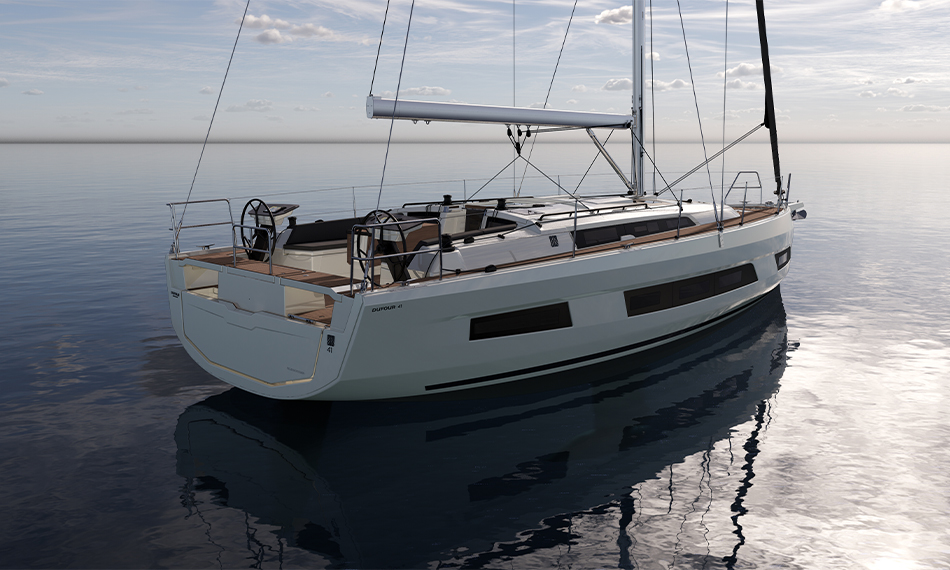
Break of Dawn
Dufour 41 - 3 cab. · 2025St. Thomas, United States Virgin Islands
6 guests3 cabins13 m
€4,500 / week
+ Compare Motor Yacht
 Catamaran
Serenity Now
Fountaine Pajot Astrea 42 Maestro · 2024BVI, British Virgin Islands
6 guests3 cabins12 m
€7,000 / week
+ Compare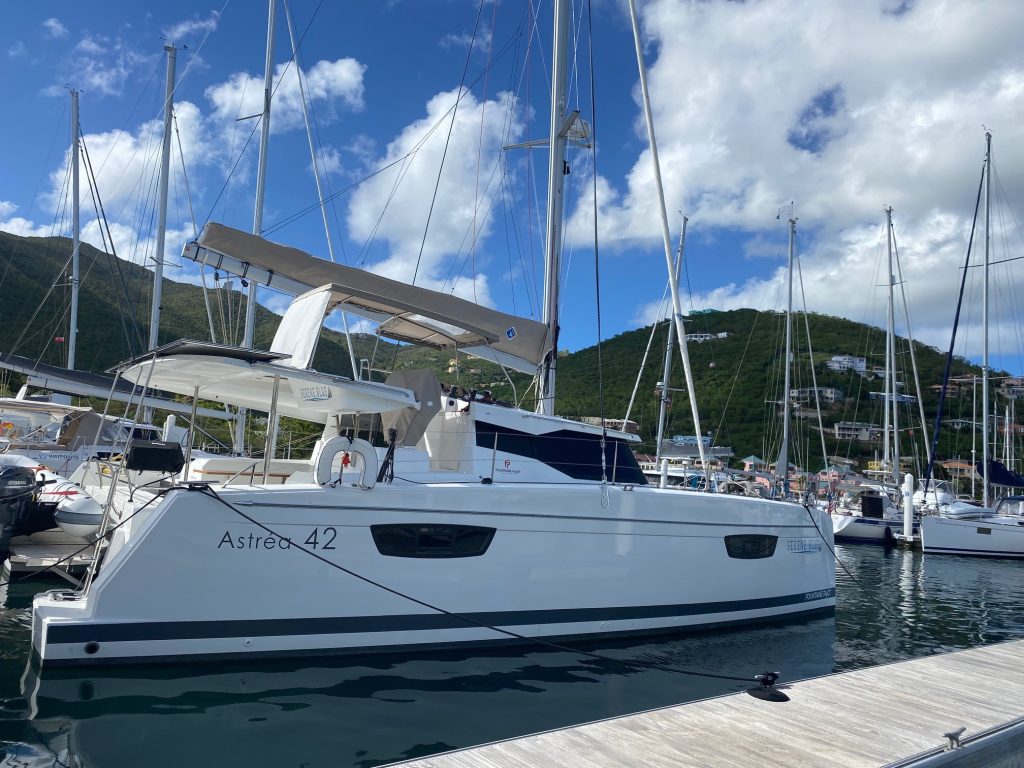 Catamaran
Serene Blue
Fountaine Pajot Astrea 42 Maestro · 2021Annapolis, USA
6 guests3 cabins12 m
€7,000 / week
+ Compare Catamaran
Second Wind
Fountaine Pajot Isla 40 - 3 cab. · 2022Annapolis, USA
6 guests3 cabins12 m
€7,200 / week
+ Compare Monohull
Chesapeake Bay questions
Asked and answered.
How much does a yacht charter on the Chesapeake Bay cost?
Bareboat weeks vary by boat size, season and length of charter. Mid-size monohulls typically fall in the low-to-mid four figures EUR per week, with catamarans and larger boats above that. Add fuel, any marina nights, a security deposit or damage waiver, provisioning and end cleaning. Anchoring in the bay's free creeks keeps costs down. Price on request for exact figures — message us on WhatsApp with your dates.
Do I need a licence to charter a yacht on the Chesapeake?
No formal sailing licence is legally required to bareboat charter in US waters. We will, however, ask for a sailing résumé — the boats you've handled, where, and in what conditions — before handing over. The Chesapeake's short hops and protected water make it forgiving, but you're still the skipper. If your experience is thin, a hired captain for the first day or two to learn the marks is easy to arrange.
When is the best time to sail the Chesapeake Bay?
May, June, September and October are the sweet spots — steady 10 to 15 knot breezes, comfortable temperatures and thinner traffic. September and October add warm water and autumn crab feasts. July and August are hot and humid, above 30°C, with light morning air and fast-building afternoon thunderstorms. Late summer and early autumn carry hurricane risk, so we keep routes flexible through that window.
Where do charters start on the Chesapeake?
We're based in Annapolis, which is the natural hub for the middle bay — well connected, well stocked for provisioning, and ringed by anchorages you can reach in an afternoon. From the city dock you're a short bay crossing from the Eastern Shore's best towns and creeks. It's about 45 minutes from Baltimore/Washington International airport and roughly an hour from the Washington DC airports.
Is the Chesapeake good for a family sailing holiday?
Yes. The protected water, small tides and short distances between anchorages suit families and first-time charter skippers well. You rarely sail more than a few hours to the next creek, and there's plenty ashore — St Michaels' maritime museum, chain ferries, small towns and crab shacks. Summer water is warm enough to swim off the stern. Bring insect repellent for the evenings and keep an eye on afternoon storms.
Bareboat or crewed on the Chesapeake?
Our Annapolis fleet is bareboat, and the bay's forgiving conditions make it one of the better places to skipper yourself. If you'd rather ease in, we can arrange a hired captain for the first day or two to teach you the local marks and the bay crossing, then leave you to it. Provisioning is straightforward from Annapolis and the Eastern Shore towns. Message us on WhatsApp to sort the details.
Where do the yachts in Chesapeake Bay sail from?
Boats sailing Chesapeake Bay all year — boats operate from Annapolis. The fleet list above is live from our operator system, so it always shows what is actually available for your dates.
Bareboat or crewed in Chesapeake Bay?
These are bareboat yachts — someone on your crew needs a recognised licence. If nobody has one, we will find you the same boat with a skipper.
How do I get a quote?
Send us your dates, your group and roughly the boat you want. Same day, we reply with real options, real prices and the honest trade-offs.
Talk to an expert
Get three options.
Charter types
Charter types in Chesapeake Bay.
Bareboat charter
You skipper it yourself — licence required.
Chesapeake Bay · USA — Yacht Charter
Getting there and practical notes
Annapolis sits about 45 minutes from Baltimore/Washington International (BWI) and roughly an hour from the three Washington DC airports depending on traffic. From Europe you'll connect through a major US hub; from within North America it's straightforward. A hire car or a pre-booked transfer covers the last leg — there's no direct train to the dock.
US entry needs the usual: check whether you require an ESTA or a visa well ahead, and don't leave it to the week before. No specific sailing licence is required to bareboat charter in US waters, but we'll ask for a résumé of your sailing experience before we hand over a boat. Bring polarised sunglasses for reading the shoal water, insect repellent for summer evenings, and a light layer for cool spring and autumn mornings. Chesapeake water is soft, brackish and warm in summer — good for a swim off the stern, though visibility is low, so it's not a snorkelling bay. Message us on WhatsApp to talk dates, boats and crossings.
Chesapeake Bay
01Why sail the Chesapeake
The Chesapeake is the largest estuary in the United States, and it sails nothing like open ocean. This is protected water — 200 miles of it, north to south — fed by more rivers than you'll count in a week. You anchor in creeks named for the families who farmed the banks 300 years ago. Waterfronts smell of Old Bay and diesel at dawn. The wind is friendly more often than not, the tides small, and the next harbour is rarely more than a few hours off. We sail out of Annapolis, which is the sensible base: it's the sailing capital of the mid-Atlantic, well connected, and ringed by anchorages you can reach in an afternoon. Right for cruising sailors who like short hops, gunkholing, and a cold beer on the quay. Less right if you're after big-water passages and 20-knot reaching all day.
02The sailing areas and harbours
Most charters work the middle bay, and there's enough here for a fortnight without repeating yourself. From Annapolis, the Eastern Shore is the classic run: cross the bay and duck into the Wye River, St Michaels, or the Choptank. St Michaels is a proper maritime town with a working harbour and a museum you'll actually want to visit. Oxford, across the Tred Avon, is quieter — a chain ferry, a couple of yards, and little else. South of there, the Solomons sits at the mouth of the Patuxent, a natural hurricane hole with room to swing.
North of Annapolis you've got the Magothy and the Chester River, both good for a night away without committing to a bay crossing. Rock Hall on the Eastern Shore is an easy target — flat water, a straightforward entrance, and skipjacks still working out of it. The whole point of the Chesapeake is the creeks: you nose in past the last marker, drop the hook in eight feet, and there's nobody. Charts and a decent depth sounder matter more here than sail trim.
03Season, winds and weather
The Chesapeake season runs roughly April to November, and the shoulders are the best of it. May and June bring settled southerlies of 10 to 15 knots and water still cool enough to keep the crowds honest. September and October are our pick — steady breeze, warm water, thinning traffic, and the first crab feasts of the autumn haul.
July and August are hot and humid, often above 30°C, with light morning air that fills in from the south by afternoon. Thunderstorms build fast on summer afternoons; watch the western sky and be ready to reef or duck in. The bay is shallow and short-fetched, so it kicks up an uncomfortable chop quickly when wind opposes tide, but seas lie down as fast as they rise. Tidal range is small — a foot or two in most of the middle bay — so it's current, not vertical range, you plan around. Late season carries hurricane risk; we watch the forecasts and keep routes flexible in August and September.
04Charter types available
Our Annapolis fleet is bareboat. You take the boat, you're the skipper, and the bay's short hops and forgiving water make it one of the better places to charter without a hired crew. Boats run the usual range of cruising monohulls and some catamarans, sized for couples up to a full crew of friends or family. If you'd rather not skipper the whole week, a hired captain for the first day or two — to learn the local marks and the crossing — can be arranged on request. Provisioning is easy: Annapolis has everything, and most Eastern Shore towns have a market within a dinghy ride. Message us on WhatsApp with your dates and crew and we'll match a boat.
05Realistic costs
Bareboat rates depend on the boat, the length of charter, and the time of year — shoulder-season weeks cost less than peak July and August. As a guide, expect mid-size monohull weeks in the low-to-mid four figures EUR, with catamarans and larger boats above that. Price on request for exact figures against your dates.
Budget on top for fuel (you'll motor more than you'd think in light summer air), marina fees when you don't anchor — many Chesapeake creeks are free to lie in — a security deposit or damage waiver, provisioning, and the end-of-charter cleaning. Anchoring most nights keeps the trip cheap; a week of marinas adds up fast. A hired captain, if you want one, is an extra daily rate. We'll give you a full breakdown before you commit — no surprises at handover.
06A sample week
Day 1 — Annapolis. Board in the afternoon, stow the shopping, sleep aboard. Walk the city dock and eat crab.
Day 2 — Annapolis to the Wye River. Cross the bay under the Bay Bridge and feel your way up the Wye East. Anchor off Wye Island; nobody around but the herons.
Day 3 — Wye to St Michaels. Short hop down and into the Miles River. Town dock or anchor in the harbour. Maritime museum, a walk, an early dinner.
Day 4 — St Michaels to Oxford. Round Tilghman Point and up the Tred Avon. Take the chain ferry across for the novelty. Quiet night on the hook.
Day 5 — Oxford to the Solomons. Longer leg south and west across the bay to the Patuxent. Good anchorage, a boatyard town, and shelter if the weather turns.
Day 6 — Solomons to Rock Hall or back north. Beam-reach north with the prevailing southerly. Pick a creek on the Eastern Shore for the last night.
Day 7 — Back to Annapolis. Morning sail home, tidy the boat, hand her back. Adjust all of it for wind — the Chesapeake rewards flexibility.