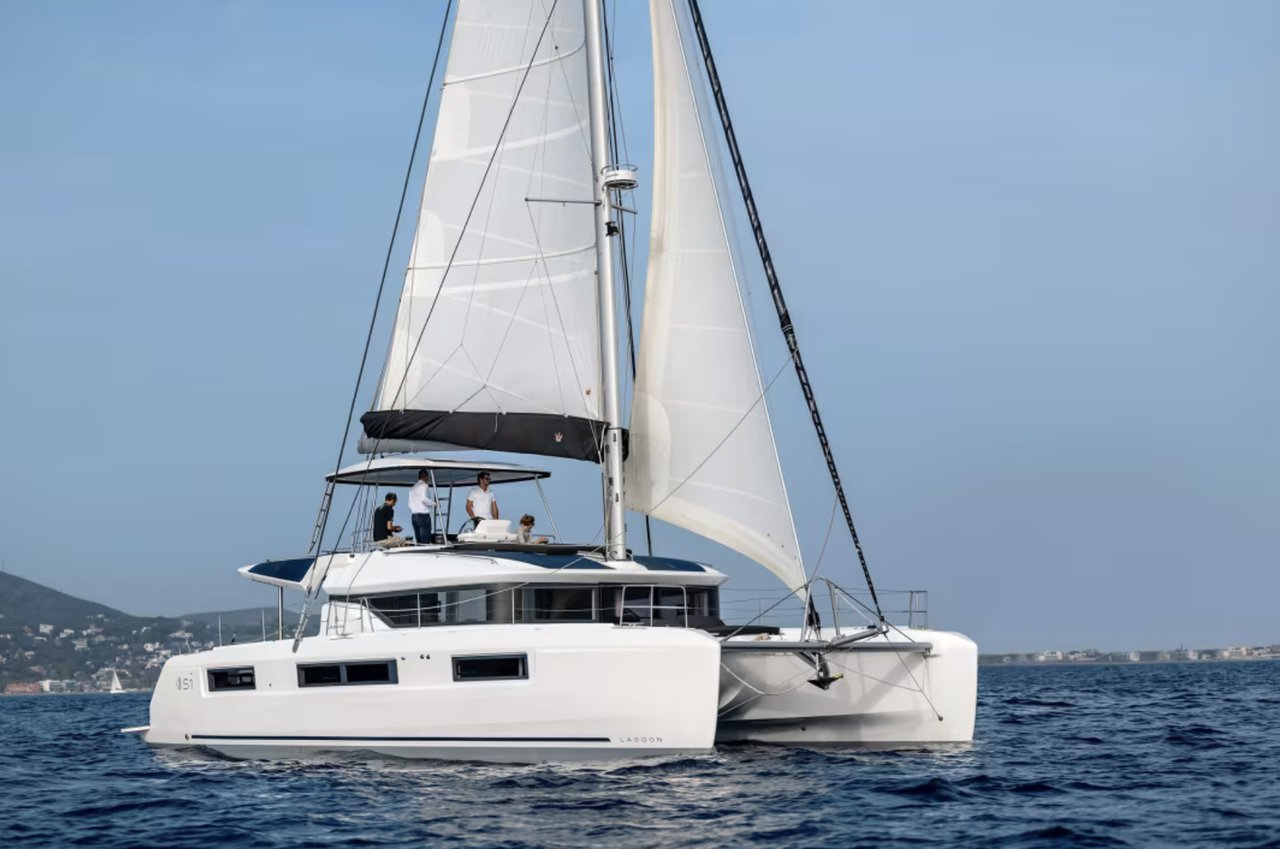
 Catamaran
Sail Norway.
Live fleet
Catamaran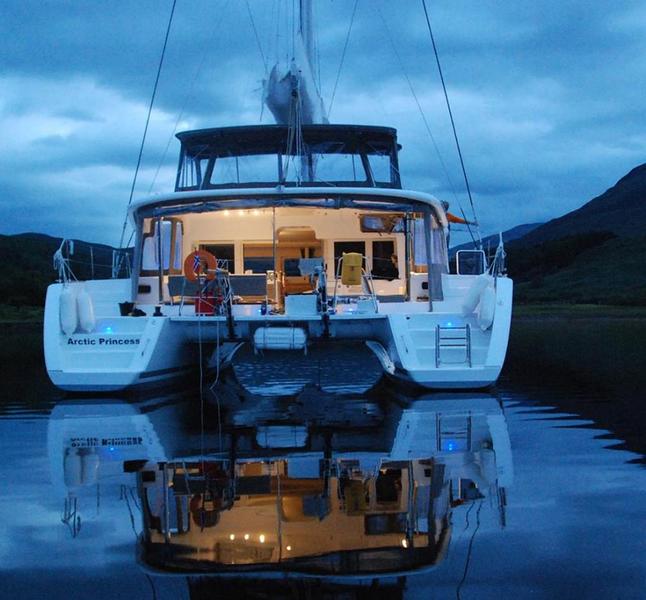 Catamaran
 Motor Yacht
 Motor Yacht
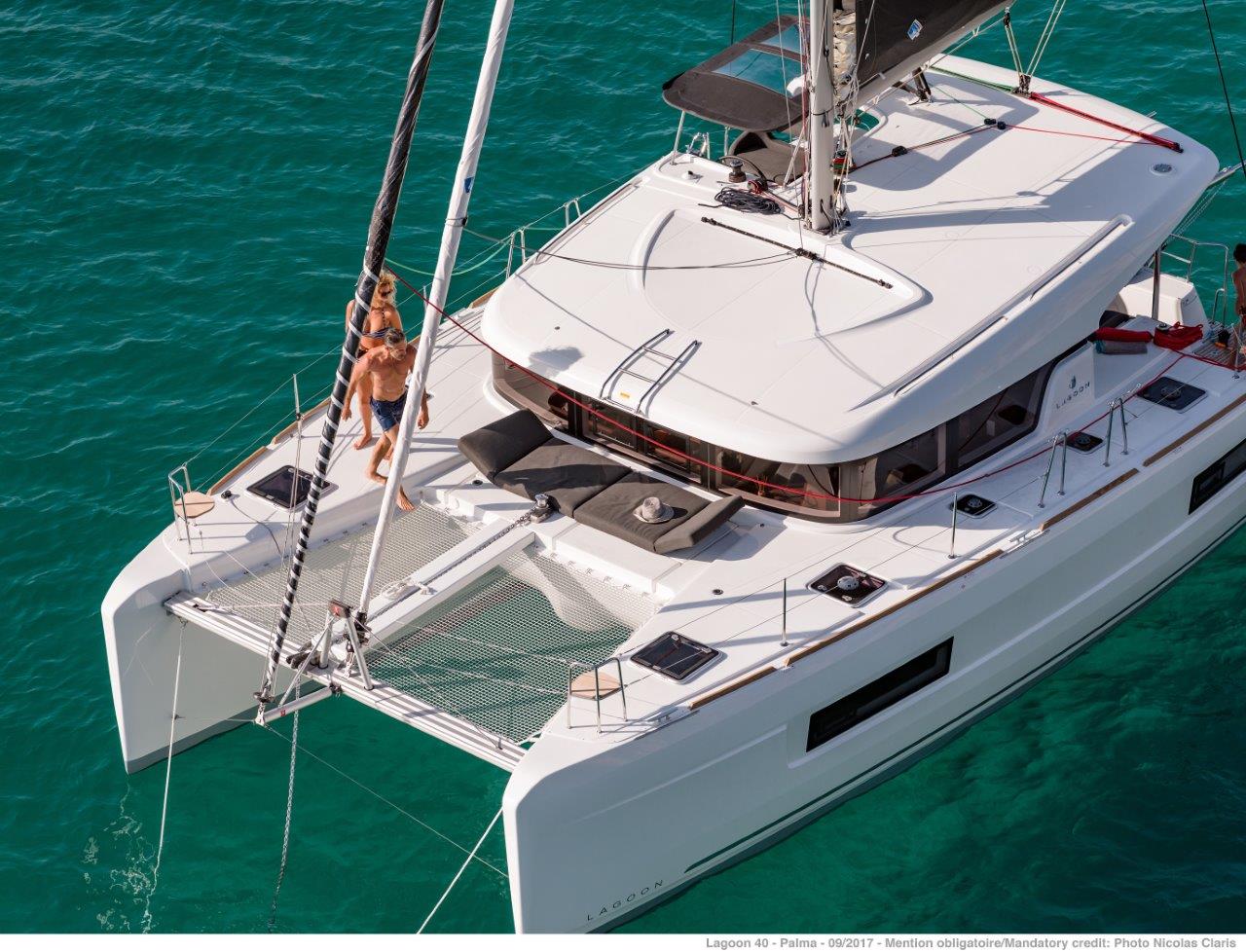 Catamaran
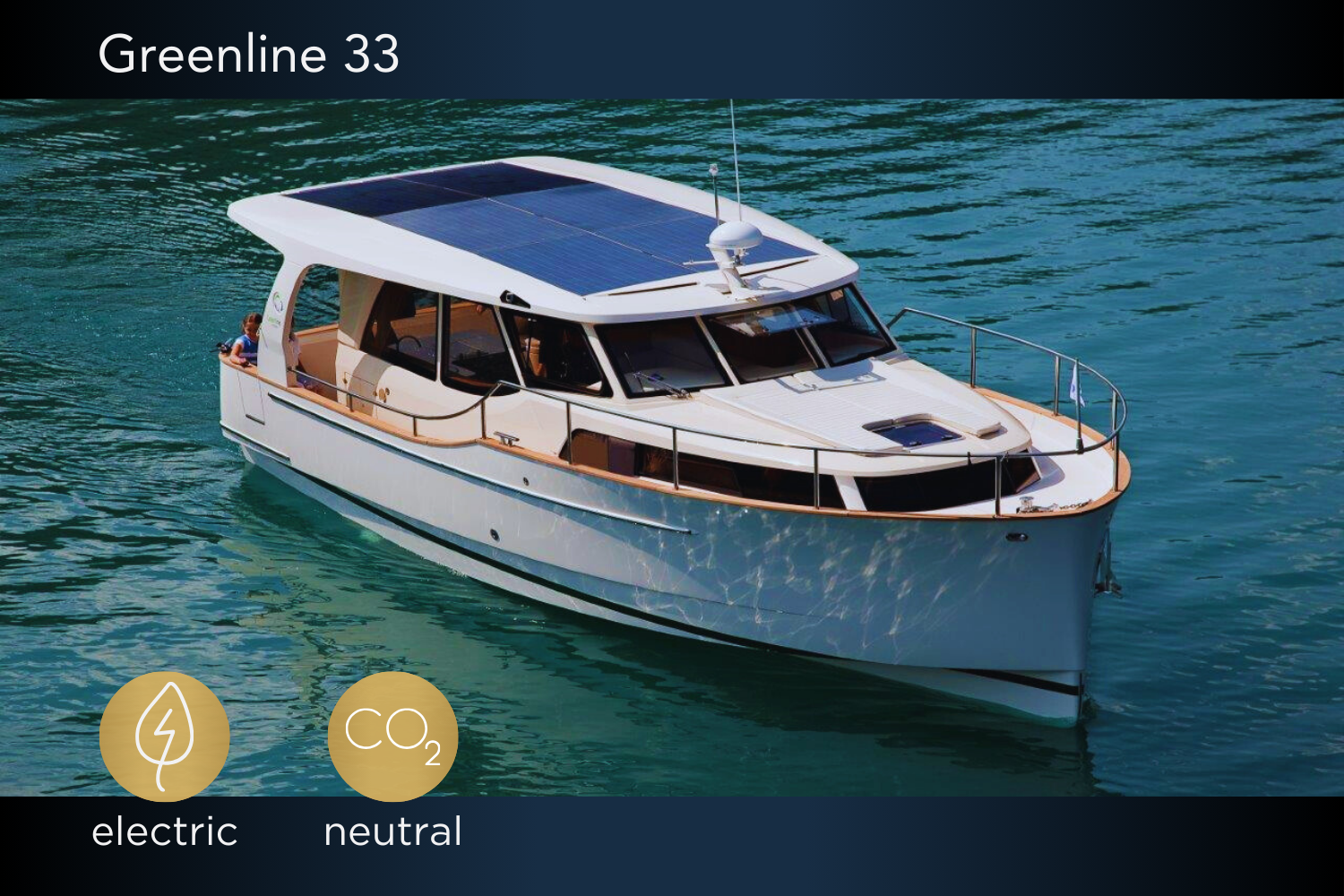 Motor Yacht
 Motor Yacht
Norway questions
Asked and answered.
How much does a yacht charter in Norway cost?
Norway runs above Mediterranean charter prices, driven by a short summer season, higher marina and fuel costs, and pricier provisioning. Rates depend heavily on boat size, region, and whether you take a skipper. We quote price on request rather than a headline figure, so you get a real number for your dates. Budget separately for flights, guest-harbour fees, diesel, and food.
When is the best time to sail Norway?
June through August is the reliable window. The Oslofjord skerries in the south work from late May into early September, with light-to-moderate summer breezes. In the north around Troms, June and July bring the midnight sun and 24-hour daylight, though winds are more variable and fjord gusts can be strong. Cold water and cool air stay the rule even in high summer.
Do I need a licence to charter a yacht in Norway?
For bareboat charter you'll need to show sailing competence and a recognised certificate, plus genuine sea time — the northern fjords in particular demand cold-water pilotage and tidal awareness. If you don't hold the right qualifications or the local experience, take a skippered charter. A local skipper is the sensible choice for a first trip in Troms. Message us on WhatsApp and we'll advise on what your crew needs.
Where do charters start in Norway?
We run from two regions. In the south, boats are based around Tønsberg in Vestfold og Telemark, on the western Oslofjord — reachable in about 90 minutes from Oslo airport. In the north, we start from around Tromsø in Troms og Finnmark, flying into Tromsø airport. The south gives sheltered skerry sailing; the north gives big fjord scenery. Both are covered by our fleet.
Is Norway good for a family sailing holiday?
The Oslofjord skerries in the south suit families well: short hops, flat sheltered water, dense island cruising, and small harbours you can walk into. The northern Troms fjords are more demanding and better for experienced crews or a skippered trip. Either way, pack warm layers for everyone — the water is cold even in July, so this is a holiday for sailing and shore walks more than swimming.
What's the difference between the southern and northern sailing areas?
The Oslofjord grounds in Vestfold og Telemark are gentle: a tight belt of rock islands, short distances, easy shelter, and light summer winds — ideal for first-timers. The Troms og Finnmark fjords in the north are bigger, quieter, and more serious, with steep mountains, katabatic gusts, tidal streams, and midnight-sun daylight. Choose the south for relaxed island-hopping, the north for scale and remoteness.
Can I swim while sailing in Norway?
You can, but the sea stays cold all summer — single-figure Celsius water is normal even in July, colder in the north. Plenty of people take a quick dip off the skerries in the south on a warm day, more as a dare than a routine. Bring a wetsuit if swimming matters to you. This is cold-water sailing: the appeal is the water and the light, not the beach.
Where can I sail in Norway?
We charter across Vestfold og Telemark and Troms og Finnmark. Each area has its own page with the live fleet for your dates.
What kind of yachts are available in Norway?
Bareboat if someone on your crew holds a licence, crewed if you would rather a skipper did the work. The grid above is live from our operator system and always shows what is actually free.
How do I get a quote?
Tell us your dates, your group and the area you fancy. Same day, we send three real options with honest trade-offs.
Talk to an expert
Get three options.
Norway — Yacht Charter
Getting there and practical notes
For the southern grounds, fly into Oslo (OSL) and transfer down to Tønsberg — about 90 minutes by train or road. For the north, fly to Tromsø (TOS), which has direct connections from Oslo and several European hubs in summer. Norway sits outside the euro (the krone is the currency), so factor exchange, and card payment is near-universal. Bring proper layers even in July — waterproofs, fleece, warm hat — because cold-water sailing is cold whatever the calendar says. Daylight in the north means you can sail late; use it, but still log rest. Message us on WhatsApp to check availability, talk through skipper options, or match a boat to your crew's experience.
Norway
01Why sail here
Norway gives you two sailing worlds on one coast. In the south, the Oslofjord and the Vestfold and Telemark skerries offer flat water, close-set islands, and short hops between wooden-house harbours. Far north, the waters off Troms and Finnmark run past fjords that cut straight into snow-topped rock, with sea eagles overhead and the sun barely setting in June. It is cold-water sailing done properly: you dress for it, you plan for weather, and you get anchorages most charter grounds can't match. This isn't a place for lazy heat. It's for people who like the sailing itself.
02The sailing areas
We run boats from two regions. Vestfold og Telemark, on the western shore of the Oslofjord, is the gentler ground. The skerry belt from Tønsberg down toward Kragerø is dense with rock islands, narrow leads, and small guest harbours where you tie stern-to and walk into town. Distances are short, shelter is everywhere, and the water flattens out fast when the breeze drops. It suits first-timers and families.
Troms og Finnmark, up around Tromsø, is the serious end. Here you sail deep fjord systems — Ullsfjord, Balsfjord, the sounds around Kvaløya — under mountains that stay white into summer. Anchorages are big, quiet, and often empty. You need to read the weather and the tide, but the reward is scale you don't forget.
03Season and winds
The Norwegian season is short and clear. Plan to sail June through August; shoulder weeks in late May and early September work in the south but get marginal in the north. In the Oslofjord skerries, summer brings light-to-moderate winds, often 5–15 knots, with sea breezes building through the afternoon and calm mornings. Fog is occasional, not constant.
Up in Troms, June and July give you the midnight sun — genuinely 24-hour daylight, which changes how you plan a passage since there's no dark to beat. Winds are more variable and fjord katabatic effects are real: a fjord can funnel a strong gust down off the mountains with little warning. Water is cold year-round, single figures Celsius even in high summer, so a swim is a dare rather than a habit. Check the marine forecast every morning and don't push weather windows in the north.
04Charter types
We offer bareboat and skippered charters across both regions. Bareboat suits experienced crews comfortable with cold-water pilotage, tidal streams in the north, and stern-to mooring; you'll want real sea time and the right certificate. Skippered charter is the sensible choice if you don't know these waters — a local skipper knows which fjord arm holds shelter when the forecast turns and where the quiet anchorages are. For the Troms fjords in particular, we'd point most crews toward a skipper for at least a first trip. Provisioning is straightforward from Tromsø and the larger Oslofjord towns. Crew and skipper details on request.
05Realistic costs
Norway is not a budget charter country. Boat hire, marina fees, fuel, and provisioning all sit above Mediterranean levels, and the short season keeps demand tight in July. As a rough guide, weekly bareboat rates and skippered packages vary widely by boat size and region — price on request, and we'll give you a real figure rather than a headline one. Budget separately for guest-harbour fees (typically modest per night in the south), diesel, and provisions, which run higher than you'd expect at Norwegian shop prices. Flights into Oslo or Tromsø are the other real cost; book early for summer.
06A sample week — the Oslofjord skerries
Day 1: Board at Tønsberg, provision, short shakedown sail out into the skerry belt, anchor for the first night among the rocks.
Day 2: Work south through the leads toward Sandefjord, stern-to in the guest harbour, walk the town in the evening light.
Day 3: Longer leg down toward the Kragerø archipelago, threading the narrow channels; anchor in a sheltered cove.
Day 4: Explore the Kragerø islands slowly — swim if you're brave, row ashore, find a quiet quay.
Day 5: Turn north, day-sail with the afternoon breeze, overnight at a small guest harbour.
Day 6: Island-hop back through the skerries, plenty of short tacks, anchor for the last night out.
Day 7: Morning sail back to Tønsberg, hand the boat back by midday. The northern Troms week runs on the same rhythm but with bigger legs and fjord anchorages — we'll build it around the forecast.