 Catamaran
Sunday Kinga
Leopard 48 - 4 + 2 cab. · 2016Zanzibar, Tanzania
10 guests4 cabins15 m
€5,200 / week
+ CompareLive fleet
Catamaran Catamaran
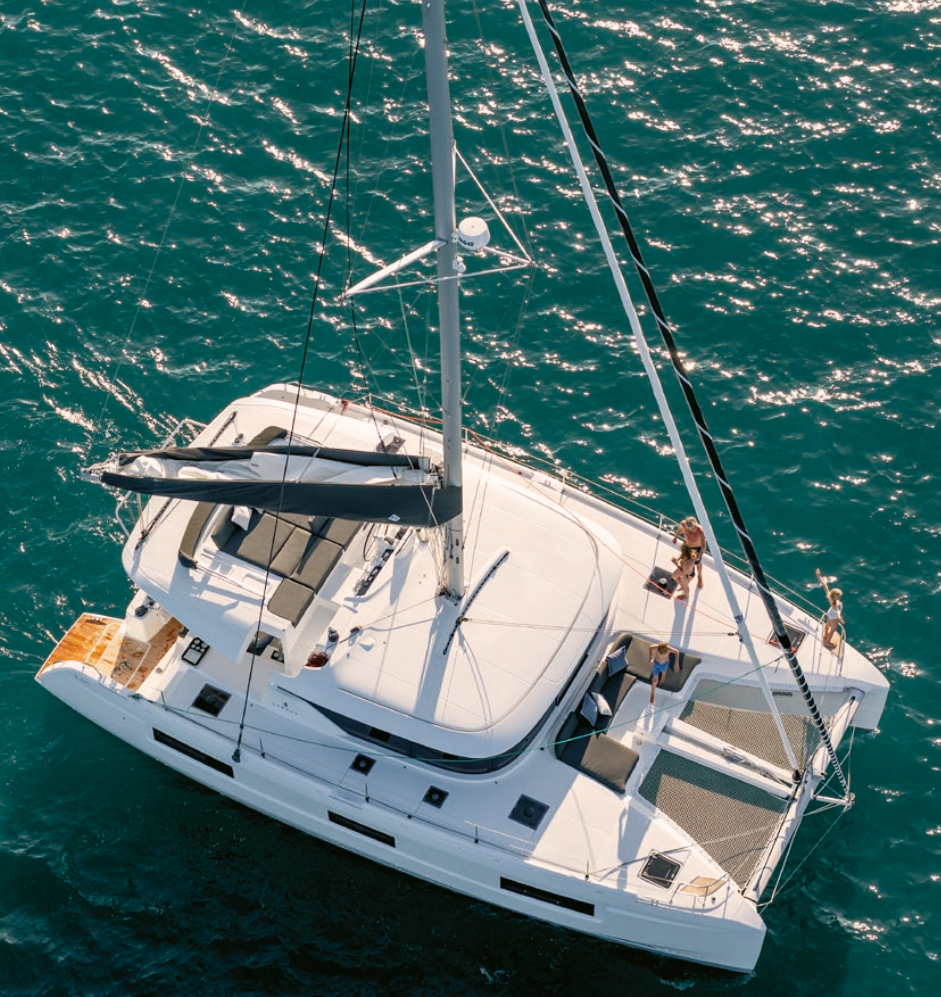 Catamaran
 Catamaran
 Catamaran
Tanzania questions
Zanzibar sits in the mid-to-upper range for the region — long flights and imported provisions push costs up, but water time is good value. Crewed catamaran weeks are the norm. Figures shift with boat, season and crew, so we quote price on request. Budget separately for marine park fees, fuel, provisioning and crew tips. Message us on WhatsApp with your dates and group size for a full all-in quote.
Two windows work best. June to October, during the south-east kusi monsoon, gives steady 15-20 knot afternoons and the best sailing. December to February, in the lighter north-east kaskazi, brings calmer, warmer water and the clearest snorkelling. Avoid April and May — the long rains bring squalls and cut visibility. November's shorter rains are a coin toss. Sea and air both sit near 28-30°C year round.
For crewed charters, no — the skipper holds the qualifications and knows the reefs and sandbanks, which matters more here than in most grounds. If you want to bareboat, you will need a recognised sailing certificate and, realistically, reef-reading confidence, since the channels and drying banks aren't forgiving. Bareboat availability is thin, so ask us early on WhatsApp what suits your experience and dates.
Stone Town on Unguja, the main island, is the usual base. It is a working port with a UNESCO old quarter, market provisioning and a 20-minute transfer from Zanzibar's airport (ZNZ). From there the cruising runs north to Nungwi and Mnemba atoll or south to the Menai Bay sandbanks. Some charters can arrange alternative pick-ups — check with us on WhatsApp when you book.
Yes. Short sailing legs of two to four hours mean you sail in the morning and swim by lunch. The water is warm year round, the snorkelling off Mnemba is gentle and full of fish, and sandbanks that surface at low tide make natural safe playgrounds. Crewed charters take the navigation worry off you entirely. Bring reef shoes and strong sun cover — the equatorial sun is fierce.
Most nationalities do. You can apply for an eVisa online ahead of travel or get a visa on arrival — both are straightforward, but the eVisa saves you the airport queue. Bring US dollars in newer notes for fees and general use; they're accepted widely alongside the Tanzanian shilling. Check your own country's requirements before you fly, as rules change.
Most people do. It is a long way to come, so pairing a Zanzibar charter with a mainland safari — the Serengeti, Ngorongoro or the southern parks — makes the trip worth the flights. Fly via Dar es Salaam or Kilimanjaro (JRO) for the mainland leg, then across to Zanzibar for the water. Do the safari first and let the sailing be your wind-down. We can point you toward timings that work.
We charter across Zanzibar. Each area has its own page with the live fleet for your dates.
Bareboat if someone on your crew holds a licence, crewed if you would rather a skipper did the work. The grid above is live from our operator system and always shows what is actually free.
Tell us your dates, your group and the area you fancy. Same day, we send three real options with honest trade-offs.
Talk to an expert
Tanzania here means Zanzibar — the archipelago off the Swahili coast where the water runs from milky jade over the reefs to deep indigo in the channels. You sail past dhows that still carry cargo under lateen sail, anchor off sandbars that surface at low tide and vanish at high, and smell cloves on the wind coming off Unguja. It is warm-water sailing on steady trade winds, with short hops between islands and long stretches of empty reef. Fewer boats than the Med, more silence at anchor. Right for warm-water cruisers and snorkellers; less right for anyone chasing big-mileage passage sailing.
Zanzibar is the one sailing ground, and it is enough. The main island, Unguja, gives you Stone Town as a base — a working port with a UNESCO old quarter, chandlery of a sort, and provisioning. From there the cruising fans out: north to Nungwi and the Mnemba atoll off the north-east coast, where the snorkelling is the best in the archipelago; south to the Menai Bay sandbanks and the mangrove creeks around Fumba. Pemba, further north, is wilder and deeper — steep-to reefs, strong tidal streams, and drift dives for those who want them. Distances are short. Most legs are two to four hours, so you sail in the morning and swim by lunch.
Two monsoons set the calendar. The kaskazi (north-east monsoon) blows roughly December to March — lighter, warmer, with flat seas and the clearest water. The kusi (south-east monsoon) runs June to September — stronger and steadier, 15-20 knots most afternoons, better sailing but choppier anchorages on exposed east coasts. Between them sit the rains: the long rains around April-May and shorter rains in November. We avoid April and May; visibility drops, and squalls come through fast. The sweet spots are June-October for wind and December-February for calm, warm water. Air and sea both sit near 28-30°C most of the year.
Most charters here run crewed, and for good reason: local knowledge of the tidal sandbanks, reef passes and shifting channels matters more than it does in the Med. A skipper who knows where the Menai Bay banks dry out is worth having. Bareboat is possible for experienced crews with the right paperwork and reef-reading confidence, but it is not the norm and availability is thin. Catamarans dominate the fleet — shallow draft suits the sandbanks and lagoons — with some monohulls for those who prefer to heel. Cabin charters, where you book a berth on a shared boat, come and go seasonally. Ask on WhatsApp what is running for your dates.
Zanzibar is not a budget charter ground — flights are long and provisioning imports a lot — but the water time is good value. A crewed catamaran week runs in the mid-to-upper range for the region; exact figures move with boat, season and crew, so price on request. Budget separately for: national park and marine conservation fees (Mnemba and Menai Bay both charge landing/entry fees per person per day), fuel, and provisioning, which is cheaper if you buy fresh at Stone Town market and pricier for imported goods. Tipping the crew is customary. We quote all-in where we can so you are not surprised at the dock.
Day 1 — Board at Stone Town. Provision at the market, walk the old quarter, sail out to Bawe or Chapwani for the first night at anchor, close enough to see the town lights.
Day 2 — North along the west coast to Nungwi. Long lazy leg on the beam. Anchor off the beach; the dhow-builders still work the shore here.
Day 3 — Cross to Mnemba atoll on the north-east corner. The snorkelling is the reason you came — reef fish thick over hard coral, turtles on the sandy patches. Marine park fee applies.
Day 4 — Work back down and around toward the east, or hop the channel toward Pemba if the wind and your paperwork allow. Quieter anchorages, deeper water.
Day 5 — South to Menai Bay. Sandbanks that surface at low water make natural lunch stops with nothing but sand and sea around you. Mangrove creeks nearby for the dinghy.
Day 6 — Fumba and the Menai Bay islets. Dolphins work these waters in the mornings. Last full day at anchor.
Day 7 — Short sail back up to Stone Town, disembark. Time it for the tide.
Fly into Abeid Amani Karume International (ZNZ) on Zanzibar direct, or via Dar es Salaam (DAR) with a short hop or ferry across. Most European routes connect through the Gulf, Nairobi or Addis. Visas are required for most nationalities — an eVisa or visa-on-arrival, both straightforward but sort the eVisa ahead to skip the queue. Bring US dollars in newer notes; they are widely accepted alongside the shilling. Transfers from ZNZ to Stone Town harbour take about 20 minutes. It is a long way to come, so most people pair the charter with a mainland safari before or after.
Warm-water sailors, snorkellers and divers, and anyone who wants short days on the water and long ones at anchor. Families do well here — sheltered swimming, short legs, warm sea. It suits people happy to hand reef navigation to a crew who knows the banks. It suits less well those who want to rack up passage miles or expect Mediterranean marina infrastructure at every stop. Come for the water and the quiet, not the nightlife.