 Catamaran
Sail Hvar.
Live fleet
Catamaran Catamaran
 Monohull
 Monohull
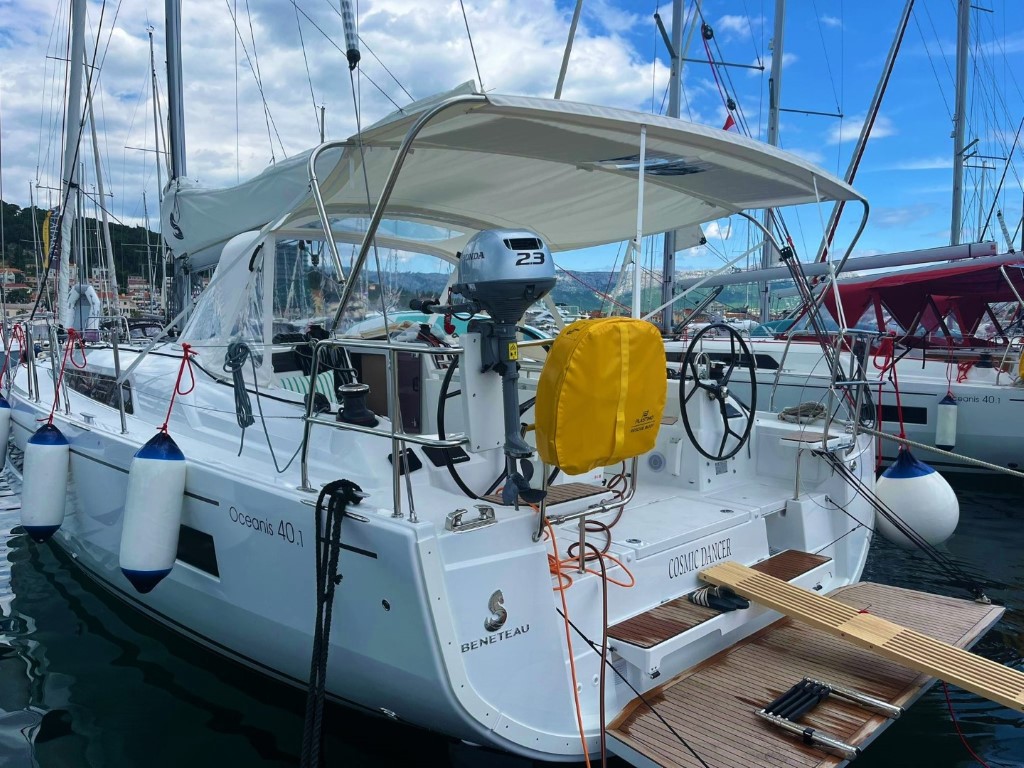
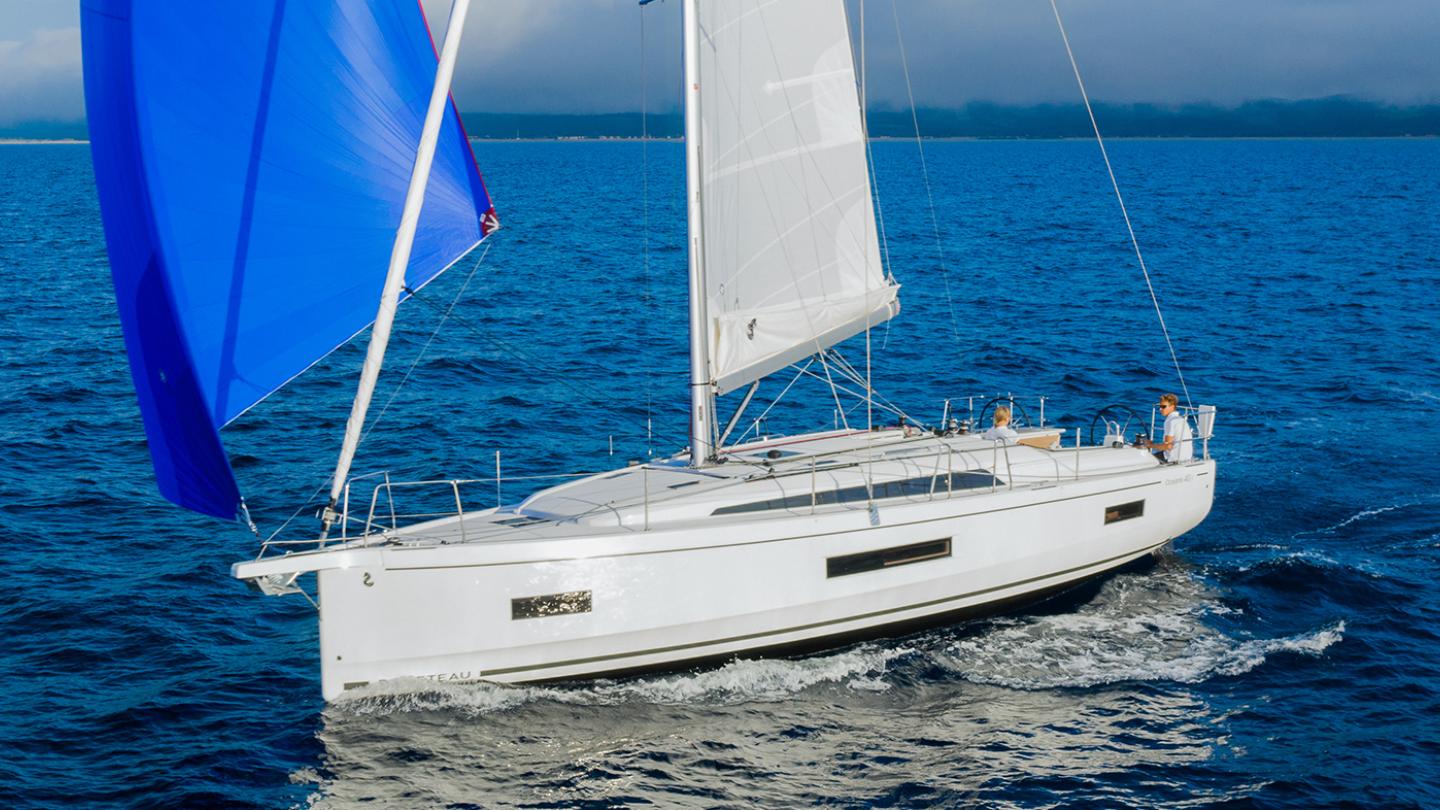
Cosmic Dancer
Oceanis 40.1 - 3 cab. · 2023ACI Marina Split, Croatia
8 guests3 cabins13 m
€2,000 / week
+ Compare Catamaran
 Catamaran
 Catamaran
 Monohull
 Catamaran
 Catamaran
 Catamaran
 Catamaran
 Catamaran
 CatamaranCatamaran
 Monohull
 Monohull
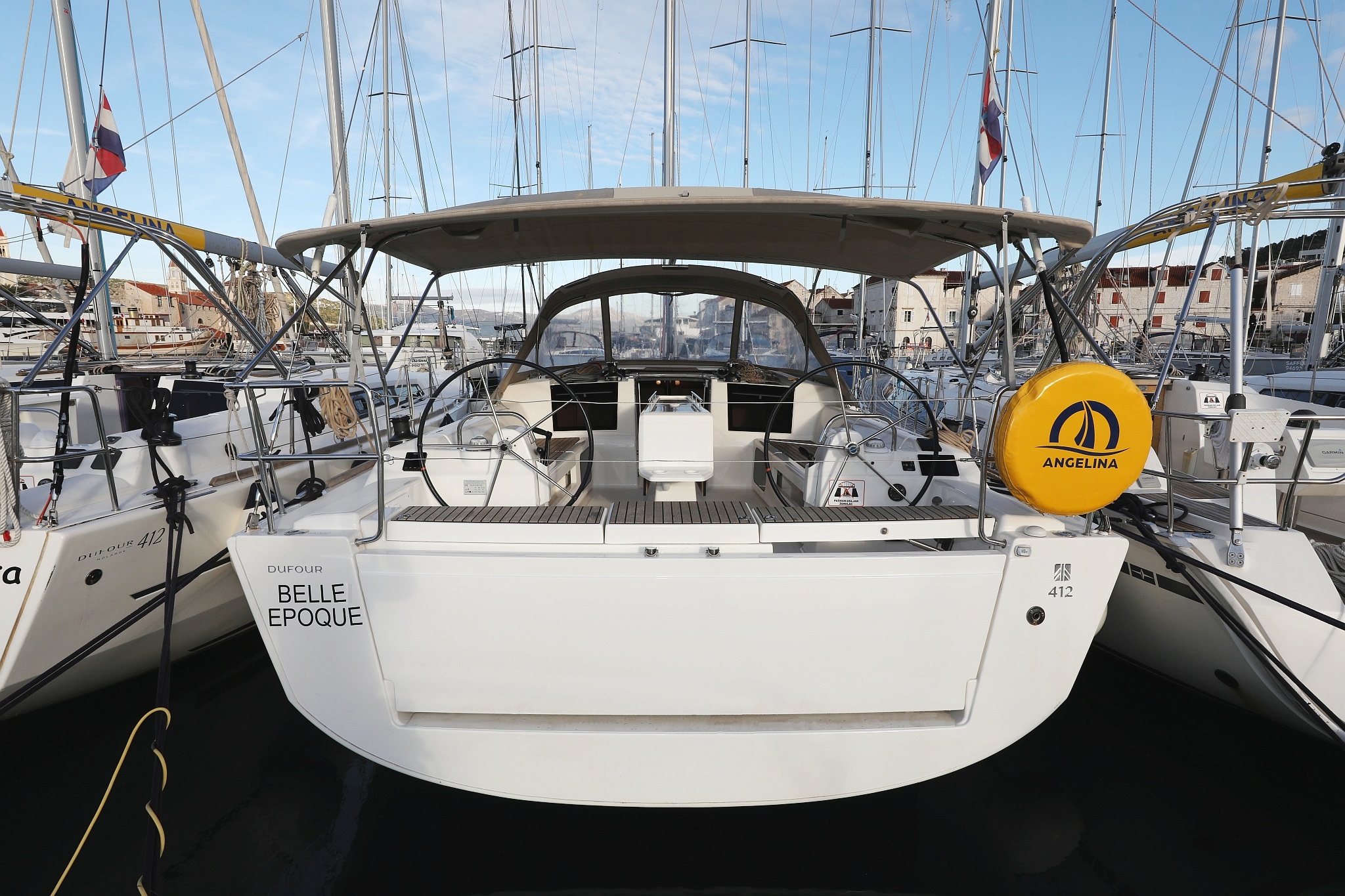
Belle Epoque
Dufour 412 GL · 2021ACI Marina Trogir, Croatia
8 guests3 cabins13 m
€2,300 / week
+ Compare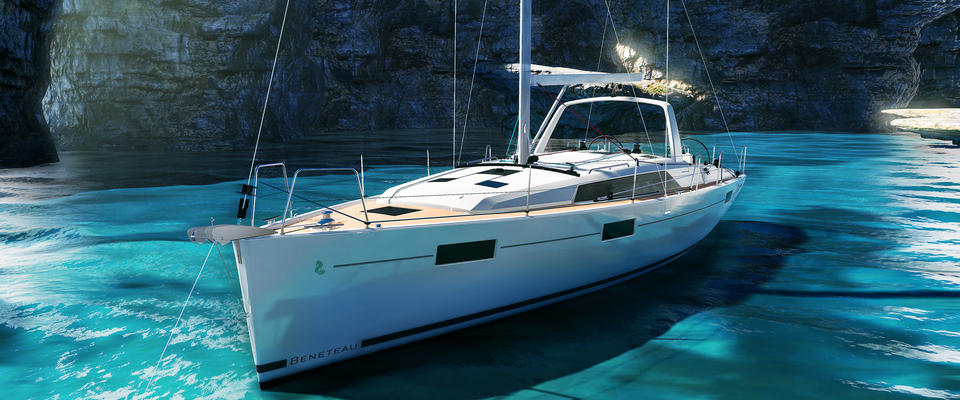 Monohull
 Catamaran
 Catamaran
 Catamaran
 Monohull
 CatamaranCatamaran
 Catamaran
 Catamaran
 Monohull
 Motor Catamaran
 Catamaran
 Catamaran
 Catamaran
 Catamaran
 Catamaran
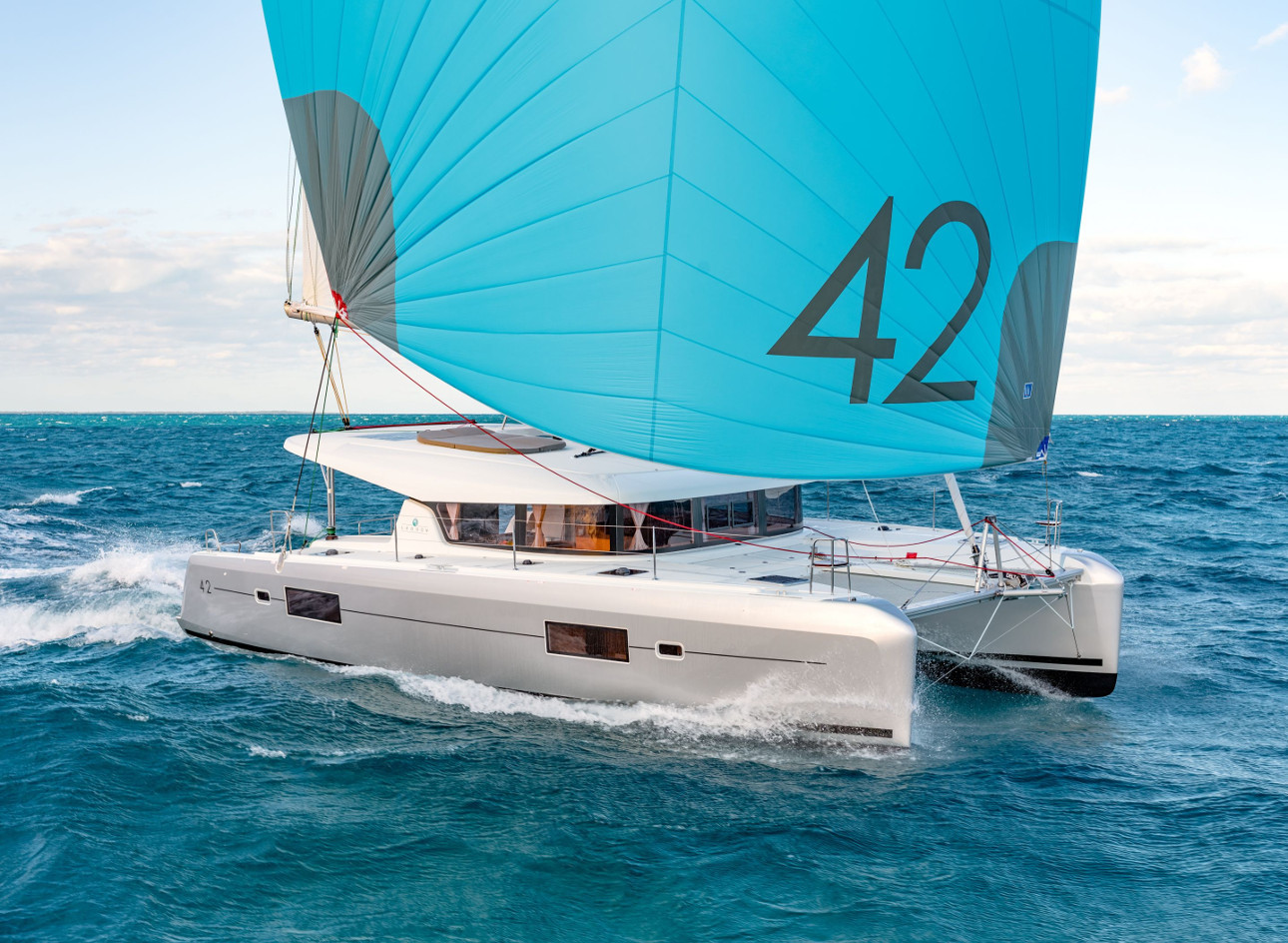
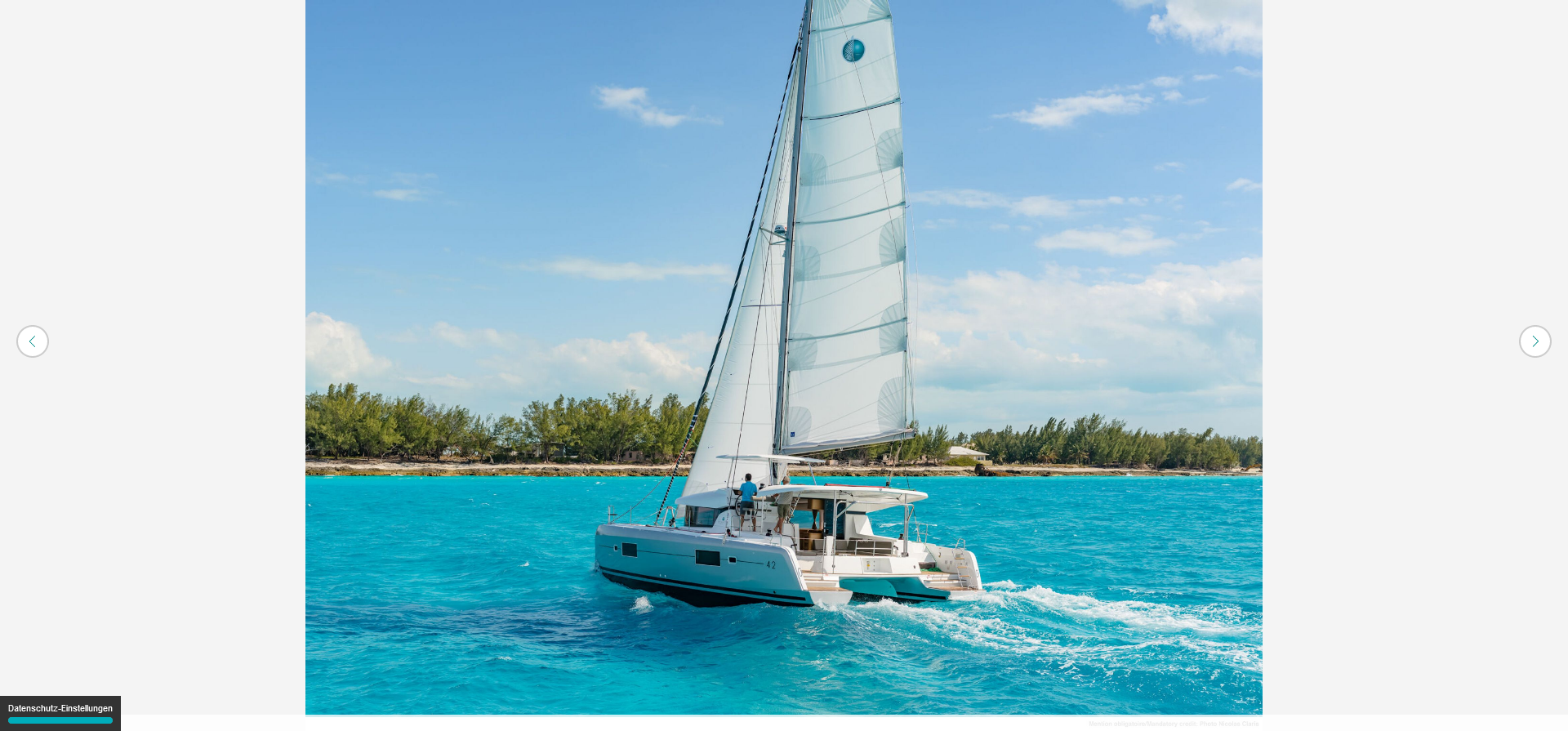
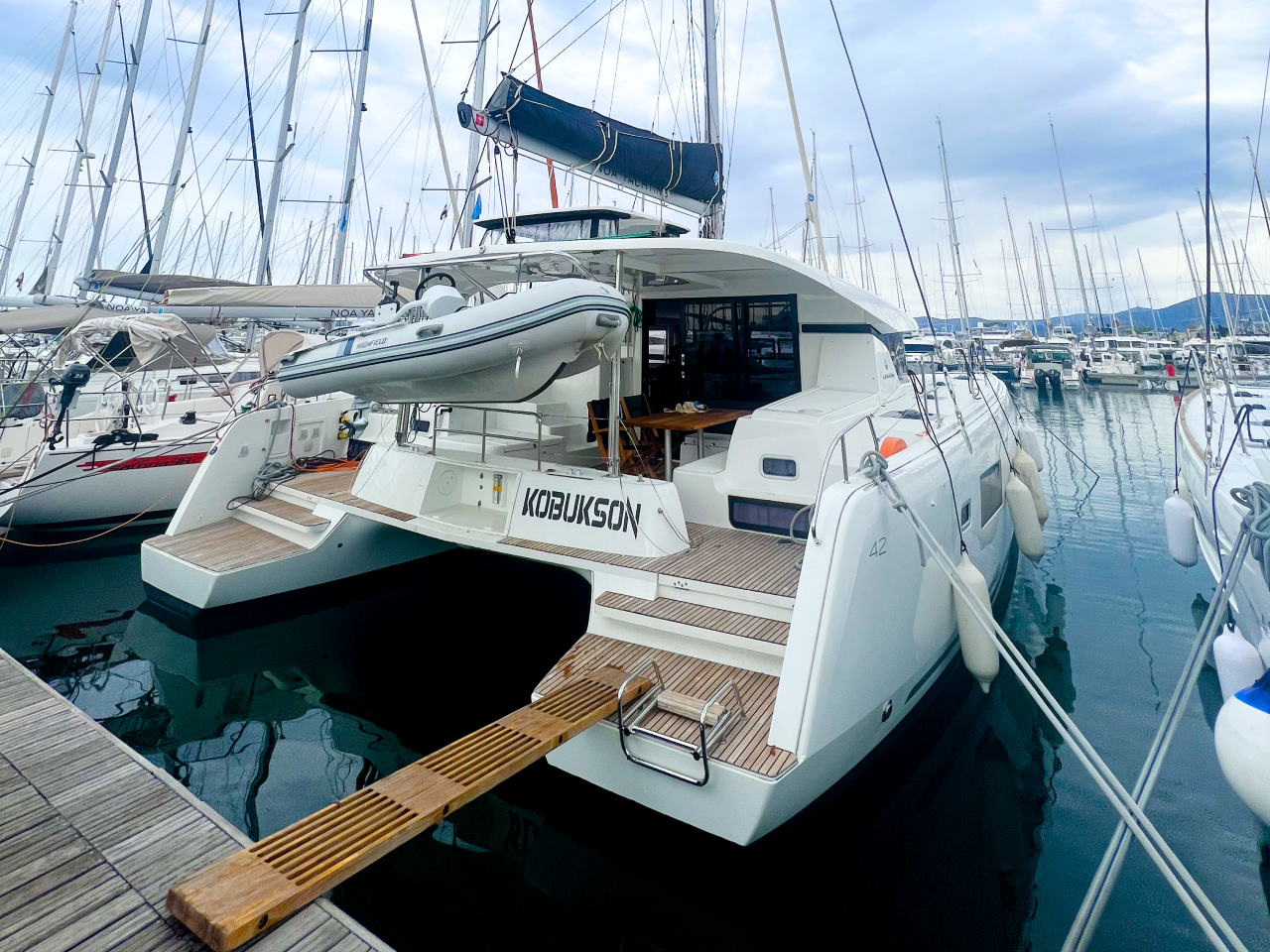
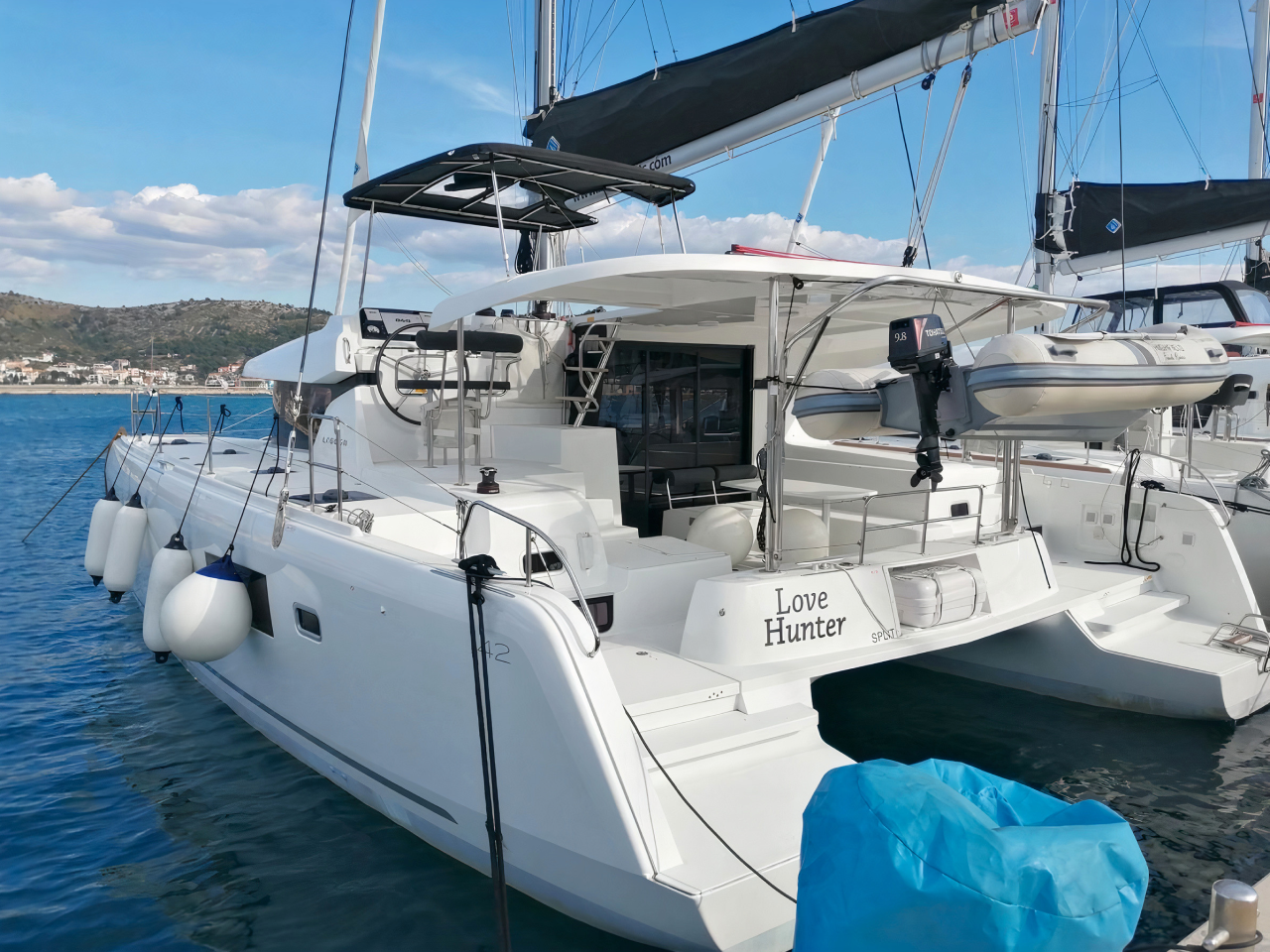
Love Hunter
Lagoon 42 - 4 + 2 cab. · 2019Marina Kastela, Croatia
12 guests4 cabins13 m
€3,578 / week
+ Compare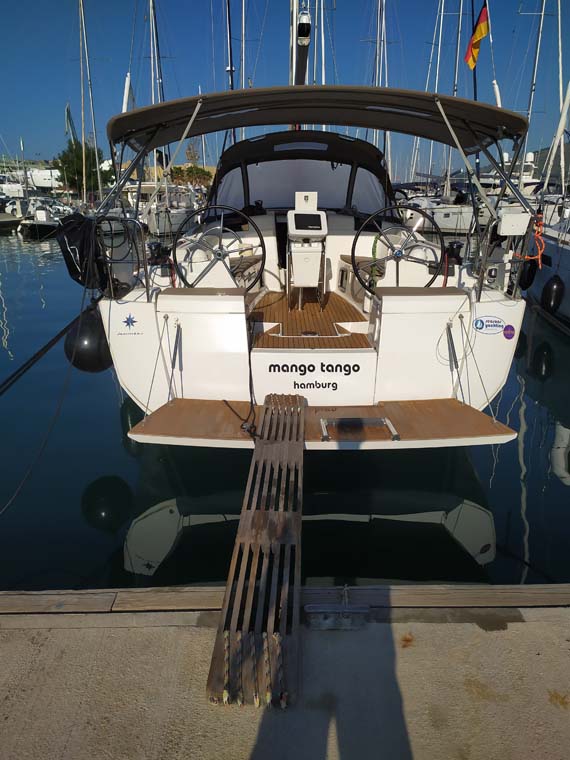 Monohull
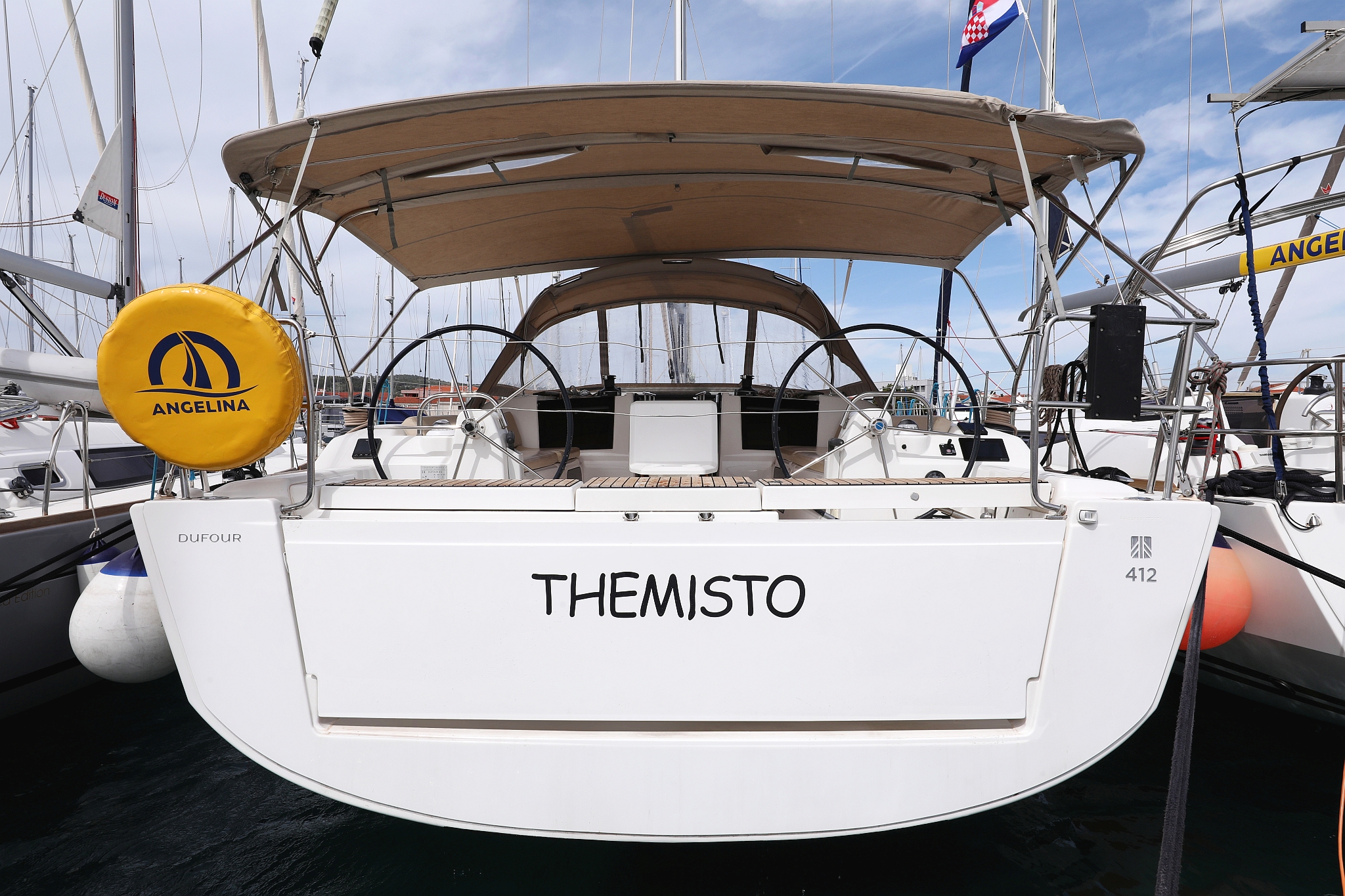
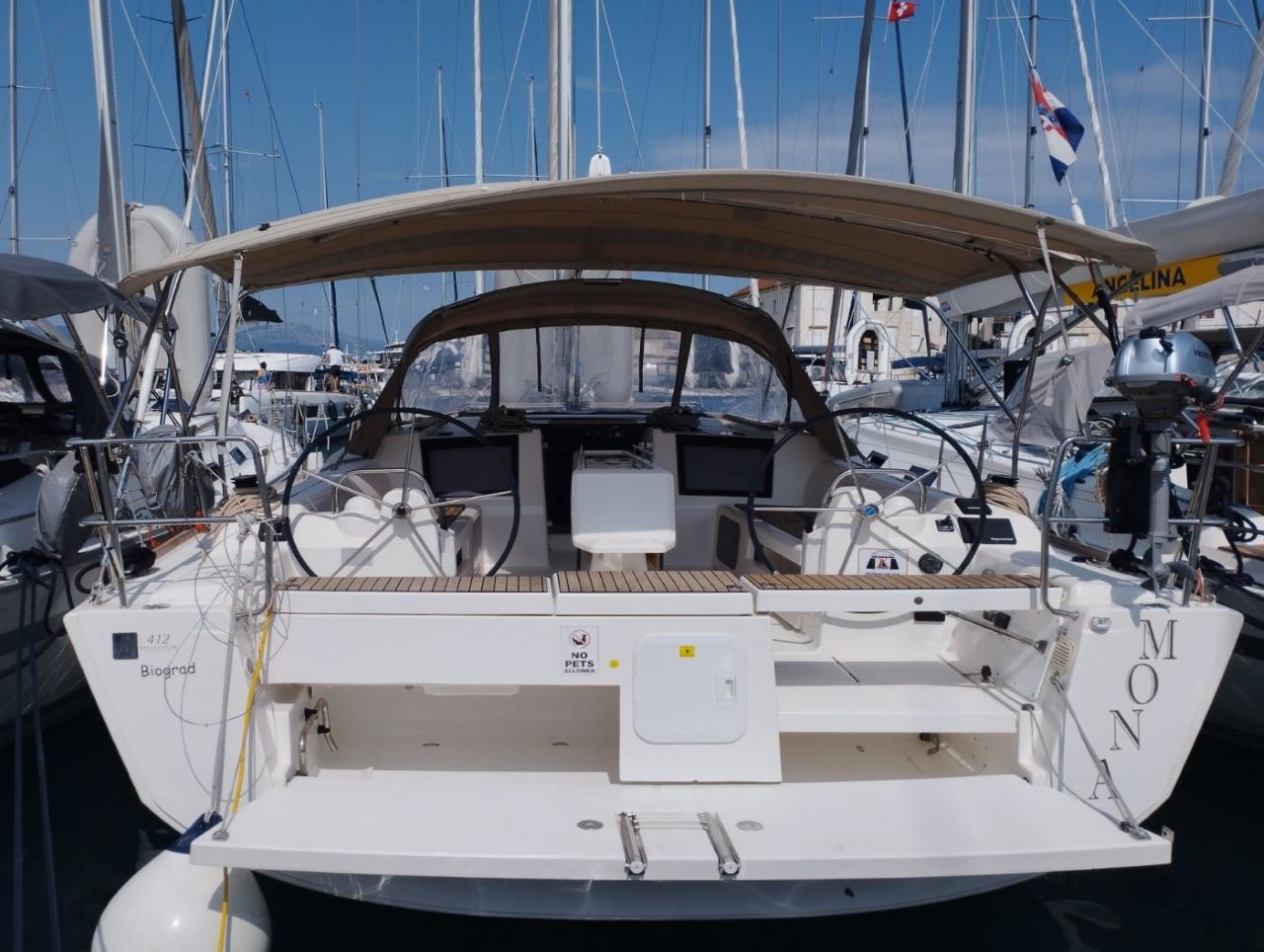
Mango Tango
Sun Odyssey 419 - 3 cab. · 2019ACI Marina Trogir, Croatia
8 guests3 cabins13 m
€1,520 / week
+ Compare Monohull
 Catamaran
 Monohull
 Monohull
 Catamaran
 Monohull
 Catamaran
 CatamaranCatamaran
 Catamaran
 Catamaran
Sea Voyager
Lagoon 42 - 4 + 2 cab. · 2018ACI Marina Split, Croatia
12 guests4 cabins13 m
€4,000 / week
+ CompareHvar questions
Asked and answered.
How much does a yacht charter around Hvar cost?
A 40-45ft bareboat monohull runs roughly €2,500-5,500 per week depending on season, and a 42-46ft catamaran roughly €5,000-12,000. Add a skipper at around €180-250 per day if you want one. Then budget for fuel, end cleaning, tourist tax and marina fees — expect €400-900 a week on berths, more if you stay in Hvar Town in August. For a specific boat and week, price on request via WhatsApp.
Do I need a licence to charter a yacht in Croatia?
For bareboat, yes. Croatian authorities require a recognised skipper's licence — ICC, RYA Day Skipper or a national equivalent — plus a VHF radio operator's certificate. One person aboard needs each, though the same person can hold both. The paperwork is checked at the base before you leave. If you don't hold them, take a skippered charter; it costs less than most people expect and you learn the ground.
When is the best time to sail Hvar?
June and September. You get 25-28°C, a dependable north-west maestral in the afternoon, warm water and harbours that aren't full. July and August are hotter and busier — Hvar Town and the Pakleni anchorages fill by early afternoon and berth prices peak. May and early October sail well and cost less, but the weather is less settled and some island konobas haven't opened or have closed.
Where do charters to Hvar actually start?
Split, about 20nm north — two to three hours under sail. Hvar has no charter base of its own, so every boat comes from the mainland, usually Split or Trogir. That is an advantage: Split has the largest fleet in Croatia, so you get real choice of boat. Fly into Split airport, transfer 25-40 minutes to the marina, board Saturday afternoon and be in the Pakleni islands by Sunday evening if you want.
Is Hvar suitable for families with children?
Yes, with one caveat about August. The distances are short — nothing over four hours — the water is warm and clear, and the Pakleni coves are sheltered swimming. Stari Grad and Vrboska are calm, easy overnight stops. The caveat is Hvar Town itself, which is loud until the early hours in peak season; anchor in the Pakleni or berth at Palmižana instead and take the water taxi in for dinner.
What are the winds like around Hvar?
The summer pattern is the maestral, a north-westerly thermal that builds late morning and blows 12-20kn through the afternoon before dropping at sunset. Reliable and pleasant. Two others matter: the bura, a gusty north-easterly off the mainland mountains that can build fast, mostly in spring and autumn; and the jugo, a south-easterly bringing swell and rain, which makes the south coast and Pakleni anchorages uncomfortable.
Can I anchor for free or do I have to use marinas?
Both are available. The Pakleni islands, Šćedro and several bays along the south coast have anchorages and buoy fields — a buoy costs a fraction of a marina berth and usually includes a dinghy pick-up to a konoba. Holding is generally good in sand, patchier over weed, so dive on your anchor. Marinas at Palmižana, Vrboska and Stari Grad give you power, water and a secure night when a bura is forecast.
Can I charter a yacht in Hvar?
Yes — yachts serving Hvar sail from nearby Split bases, and the fleet list above is live from our operator system. Tell us your dates and we will match you to the right boat.
Bareboat or crewed in Hvar?
Both bareboat and crewed yachts sail this coast. Tell us your experience level and we will match you.
How do I get a quote?
Send us your dates, your group and roughly the boat you want. Same day, we reply with real options, real prices and the honest trade-offs.
Talk to an expert
Get three options.
Charter types
Charter types in Hvar.
Hvar
01Why sail to Hvar
Hvar is the island most sailors have already heard about before they book. That cuts both ways. The town quay in July is loud until 3am, the mooring fees are the highest in Dalmatia, and you will queue for water. But sail 20 minutes west into the Pakleni islands and the noise stops. Clear water over white rock, pine to the shoreline, and a dozen coves where the only sound is a halyard tapping.
What makes Hvar worth the passage is the contrast. You can have dinner ashore in a town with a Venetian arsenal and a 16th-century theatre, then move at dawn to an anchorage with nobody in it. The island is long — roughly 68km east to west — and the eastern half, past Vrboska and Jelsa, is almost empty by comparison. Lavender terraces above Velo Grablje, the Stari Grad Plain still farmed on Greek field boundaries laid out 2,400 years ago, and a south coast of cliff and cove that most charters never see.
Right for first charterers who want short hops and easy nights ashore; less right for anyone who wants solitude in the first half of August.
02The sailing area and harbours
Hvar sits in the middle of the central Dalmatian island group, which is what makes it good sailing rather than just a good destination. Brač is 5nm north, Vis 18nm south-west, Korčula 25nm south-east. Nothing is a long day. You can build a week without ever sailing more than four hours.
Hvar Town — the main harbour. Limited town-quay berths, mostly taken by superyachts in season; most charter boats take a buoy in the bay or berth in the ACI marina on Palmižana. Book ahead or arrive by 15:00.
Palmižana (Pakleni islands) — ACI marina on Sveti Klement, a 10-minute water-taxi from Hvar Town. The practical answer for a night out. Sheltered from most directions except strong south.
Vinogradišće, Ždrilca, Mlini — the Pakleni anchorages proper. Sand and weed patches, 5-12m, decent holding if you check your set. Ždrilca has a narrow entrance and fills early.
Stari Grad — deep, well-protected bay on the north coast, town quay plus anchorage. Quieter, better value, good for a first or last night.
Vrboska — a narrow inlet with a marina, sometimes called "little Venice". The most sheltered berth on the island.
Jelsa — working town with a proper harbour, easier to get into than Hvar Town.
Šćedro — small island off the south coast. Two bays, Lovišće and Mostir, buoys in both. Almost no development. Worth the detour.
03Season and winds
The charter season runs roughly May to October. July and August are hot — 30-33°C, water around 25°C — and busy everywhere. May, June, September and early October are the better sailing months: 22-28°C, thinner harbours, and more reliable wind.
The two winds that matter:
Maestral — the summer thermal. Builds from the north-west from late morning, peaks mid-afternoon at 12-20kn, dies at sunset. It is what makes Dalmatian summer sailing work. Plan westbound passages early and eastbound in the afternoon.
Bura — a cold north-easterly falling off the mainland mountains. Gusty, sudden, and strongest in the channels north of Hvar. Rare in high summer, more likely in spring and autumn. It can go from calm to 35kn in twenty minutes. Watch the forecast and take shelter on the south side of the islands.
Jugo — a south-easterly that brings cloud, swell and rain, usually building over 12-24 hours. It makes the south coast of Hvar and the Pakleni anchorages uncomfortable. Move north to Stari Grad or Vrboska.
April and late October sail fine but the water is cold and many konobas are shut.
04Charter types
Hvar has no charter base of its own. Boats are collected from Split — about 20nm north, two to three hours under sail — or occasionally Trogir. That is normal for the area and it works in your favour: Split has the deepest fleet in Croatia, so you get more choice of boat than an island base could offer.
Bareboat — you skipper. Monohulls from around 38ft up to 55ft, catamarans from 40ft. Standard for anyone with a licence and channel experience.
Skippered — a professional skipper aboard, sleeping in the forepeak or ashore. Adds local knowledge of which cove holds in a jugo and which konoba is worth the walk. The default recommendation for a first Dalmatian charter.
Crewed — skipper plus hostess or cook, usually on larger monohulls and catamarans. Provisioning and cooking handled.
Saturday-to-Saturday is the standard turnaround. Some boats run shorter mid-week charters in shoulder season.
05What it costs
Ranges only, and they move with boat age, size and week. Peak means mid-July to late August.
Bareboat monohull, 40-45ft: roughly €2,500-5,500 per week, shoulder to peak.
Catamaran, 42-46ft: roughly €5,000-12,000 per week.
Skipper: around €180-250 per day, plus their food.
Hostess or cook: similar daily range.
On top of the boat: end cleaning, tourist tax, transit log and a security deposit held against the card. Fuel is on consumption. Budget €400-900 per week for marina fees — Hvar Town and Palmižana sit at the top of the Croatian range in August, and a buoy in the Pakleni costs less than a berth. Provisioning is cheaper in Split than on the island.
For a specific boat and week, price on request over WhatsApp.
06A sample week from Split
Saturday — Boarding from late afternoon. Provision in Split, eat ashore, sleep in the marina. A short hop to Milna on Brač is possible if you get away by 18:00.
Sunday — Split to Milna or Bobovišća (Brač), 12-15nm. Easy first day, swim stop in Splitska.
Monday — Across to Stari Grad, 15nm. Deep bay, good holding, and the Stari Grad Plain a short walk inland.
Tuesday — Round the west end of Hvar to the Pakleni islands, 18nm, mostly on the maestral. Anchor in Vinogradišće or take a berth in Palmižana. Water taxi into Hvar Town for the evening.
Wednesday — South to Vis, 18nm. Vis Town or Komiža. The most interesting island in the group and worth a full day.
Thursday — Back east to Šćedro, 20nm, buoy in Lovišće. Quiet night, dinner at the konoba on the bay.
Friday — North coast to Vrboska or Jelsa, 12nm. Sheltered berth, easy last evening.
Saturday — Return to Split, 20nm. Leave early; the maestral is on the nose from mid-morning and the fuel dock queues.
That is roughly 110nm over the week — three to five hours' sailing a day, all of it in sight of land.
07Getting there
Fly to Split (SPU). It is the closest airport to the charter bases and has direct summer connections from most of Europe. The airport sits between Trogir and Split; transfer to Split marinas is 25-40 minutes by road, to Trogir under 10.
If you are meeting a boat rather than sailing from Split, the Split-Hvar Town catamaran runs several times daily in season, about an hour. Cars are not much use on Hvar and the ferry to Stari Grad is a long way from Hvar Town.
Alternatives: Dubrovnik is 3-4 hours by road plus a ferry, and Zadar is around 2.5 hours to Split. Both work but Split is simpler.
Arrive the night before boarding. Saturday check-in is mid-afternoon and flight delays cost you the first evening.
Hvar · Croatia
Top 10 things to do in Hvar
The ten stops worth planning a charter week around — ranked.
Španjola Fortress
The 16th-century fortress stands guard directly above the harbour, and the climb is the first thing to do once your lines are on. From the ramparts the whole cruising ground opens up — Hvar Town's rooftops at your feet, the Pakleni chain scattered across the channel you'll sail tomorrow.
The Pakleni Islands
Twenty minutes off Hvar Town, nineteen pine-covered islets hide more swim stops than a week can use — Ždrilca and Mlini for sheltered turquoise shallows, Jerolim for an easy morning swim. Anchor among them overnight and let the water taxis do the town runs; the smart crews sleep out here.
Hvar Town & St Stephen's Square
Dalmatia's largest square, a Venetian loggia, Europe's first public theatre and a cathedral that glows at dusk — all a few steps from the quay. Berths on the town riva go early in season; plenty of crews anchor off the Paklenis instead and dinghy across for the evening.
Palmižana & Vinogradišće Bay
The Adriatic's most famous long lunch: a botanical garden of palms and cactus on Sveti Klement with a sheltered marina on one side and restaurant-ringed Vinogradišće on the other. Pick up a buoy, book a table, and let the afternoon quietly disappear.
Stari Grad
Croatia's oldest town sits at the head of a long, all-weather bay on Hvar's north side — the calm counterweight to Hvar Town's bustle. Moor near Tvrdalj, the poet Hektorović's fortified villa with its seawater fish pond, then walk out into the UNESCO-listed Stari Grad Plain vineyards.
Jelsa
A working harbour town midway along the north coast, ringed by pines and framed by the island's two highest peaks. The quay is quieter and easier than Hvar Town's, and some of the island's best family wine cellars sit in the lanes behind it — the honest overnight on any lap of Hvar.
Vrboska
Hvar's 'Little Venice' threads along a deep, narrow inlet crossed by stone bridges, with a snug marina at its head — the most protected berth on the island. Ashore: a fortified church that doubled as a refuge from raiders, canal-side konobas, and barely a souvenir stand in sight.
Wine tasting on the Plavac Mali slopes
Hvar has grown wine for 2,400 years, and its Plavac Mali ripens on south-coast slopes that drop straight into the sea. Sail around to Sveta Nedjelja, where one cellar is dug beneath the vineyard and another sits under the water itself, or taste in the family wineries behind Jelsa's quay.
Hvar after dark
The Adriatic's most famous night out: sunset cocktails along the waterfront, then taxi boats shuttling crews to the beach clubs on the Paklenis until late. Anchor off Stipanska and the music reaches your cockpit — or moor a bay further west and sleep through all of it. Both are the point.
The lavender fields
They call Hvar the lavender island: the fields above Velo Grablje bloom purple through June and July, and the scent drifts down to the anchorages on the evening breeze. Time a summer charter right and the walk up from the coast is unforgettable; the old-town stalls sell the oil year-round.