 Catamaran
Aboat Time
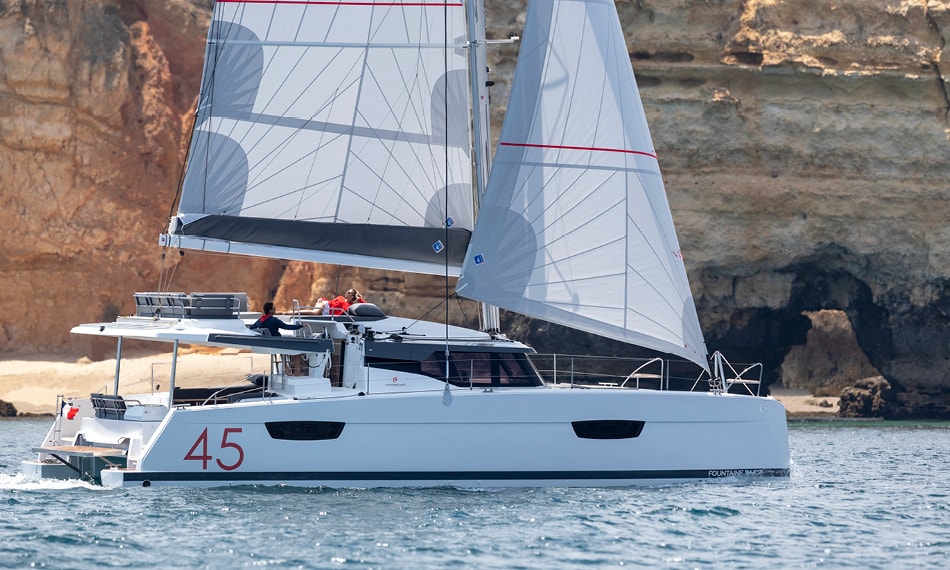
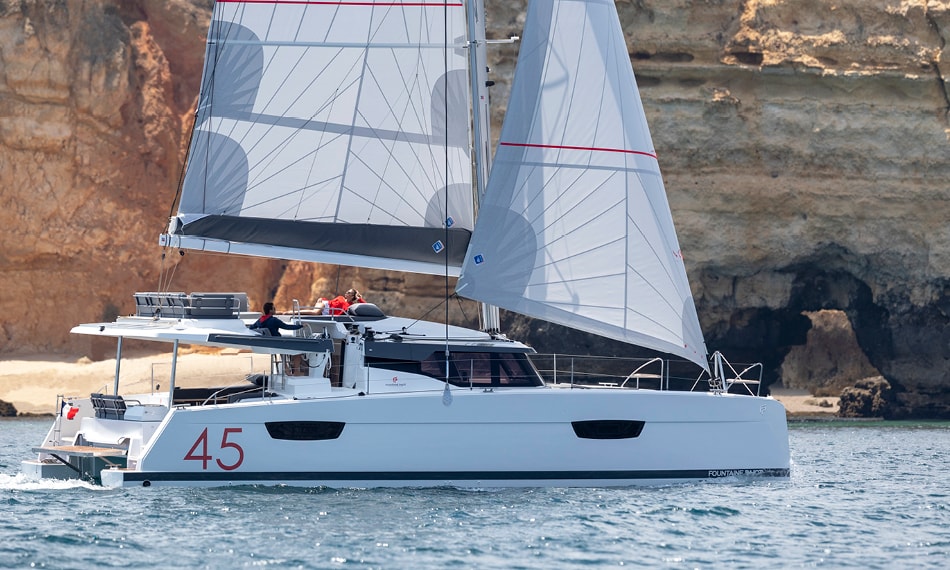
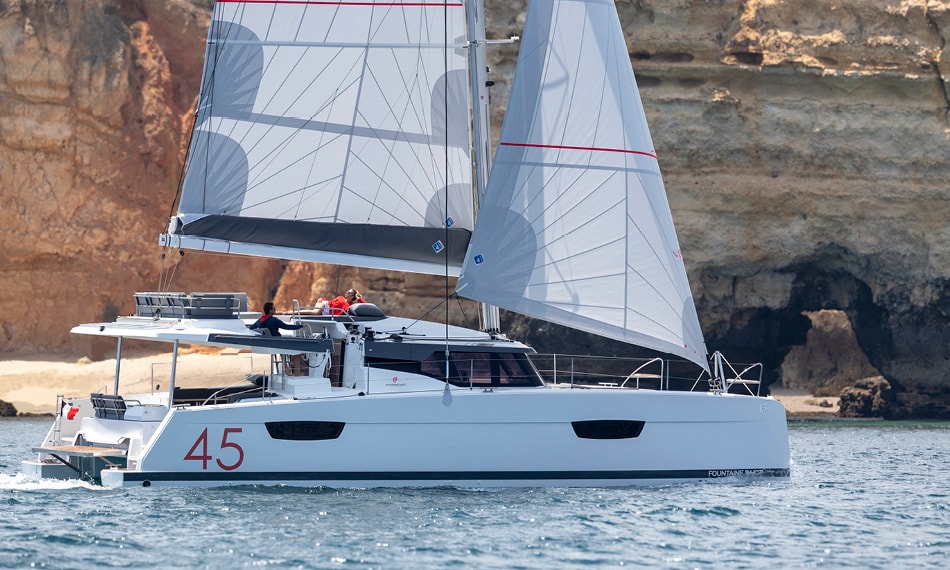
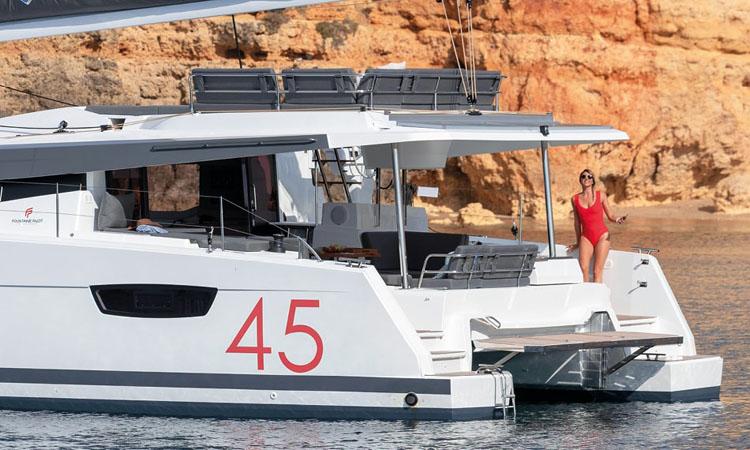
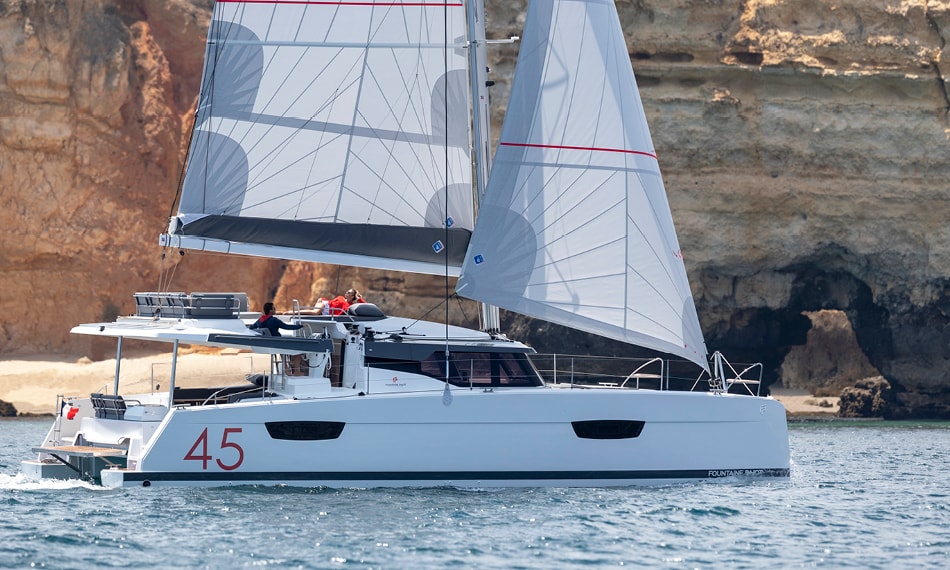
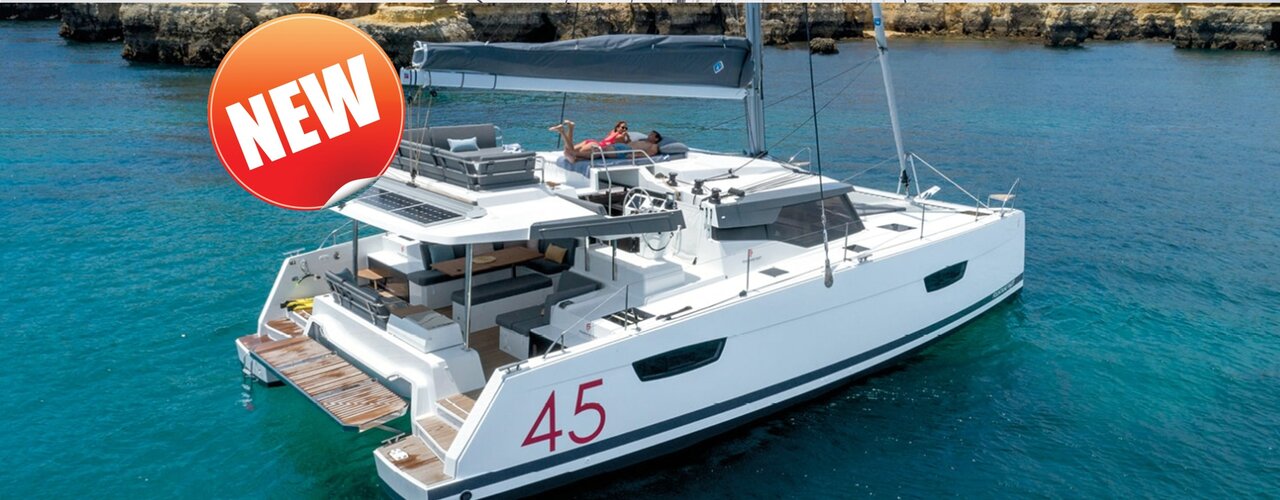
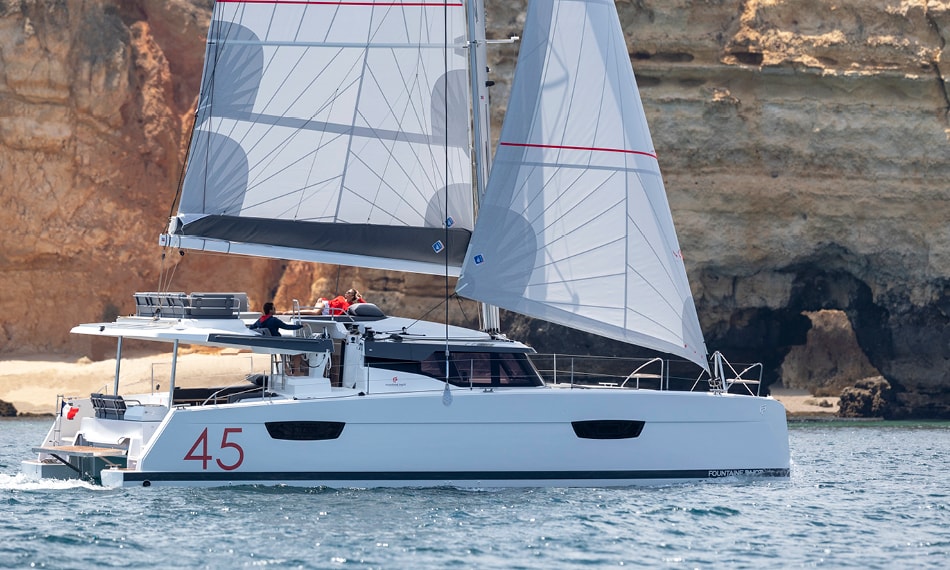
Fountaine Pajot Elba 45 - 3 cab. · 2024BVI, British Virgin Islands
6 guests3 cabins13 m
€8,500 / week
+ CompareLive fleet
Catamaran Catamaran
 Catamaran
 Catamaran
 Catamaran
 Catamaran
 Catamaran
 Catamaran
 Catamaran
 Catamaran
 Catamaran
 Catamaran
 Catamaran
 Catamaran
 Catamaran
 Catamaran
 Catamaran
 Catamaran
 CatamaranCatamaran
 Catamaran
 Catamaran
 Catamaran
 Monohull
 Monohull
 Monohull
 MonohullMonohull
 Monohull
 Monohull
 Monohull
 Monohull
 Monohull
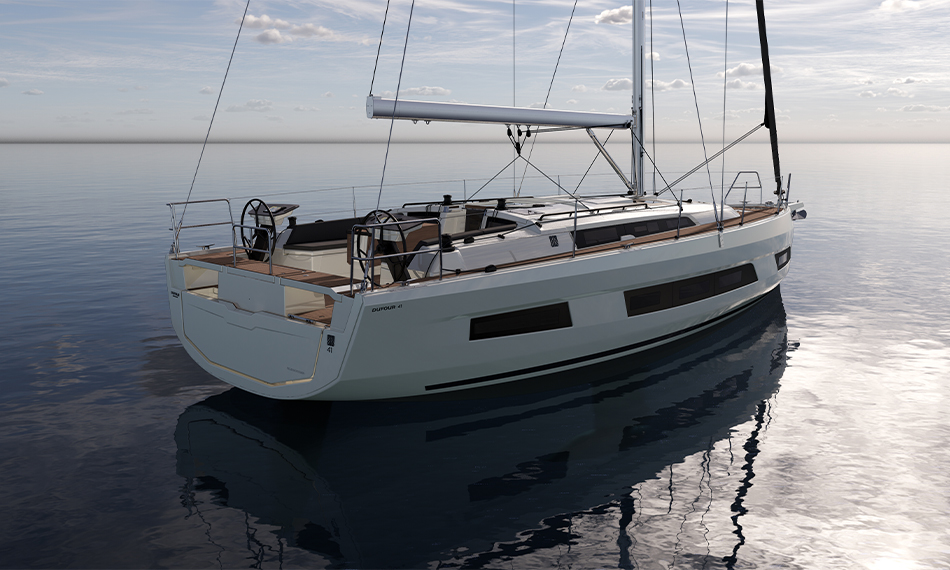 Monohull
 Catamaran
 Catamaran
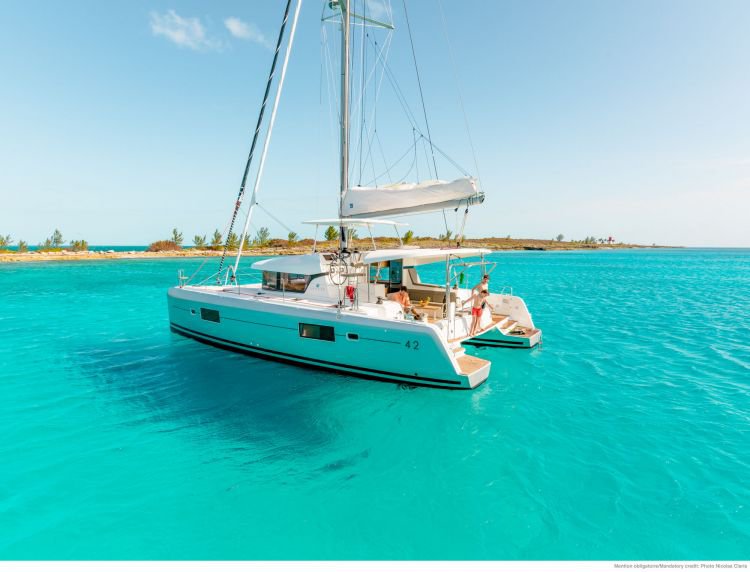 Catamaran
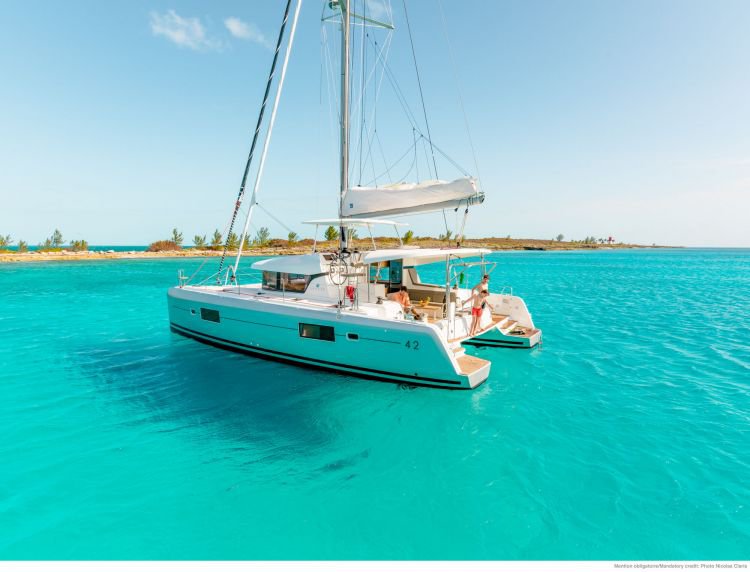 Catamaran
 Monohull
 Catamaran
 Catamaran
 Catamaran
 Catamaran
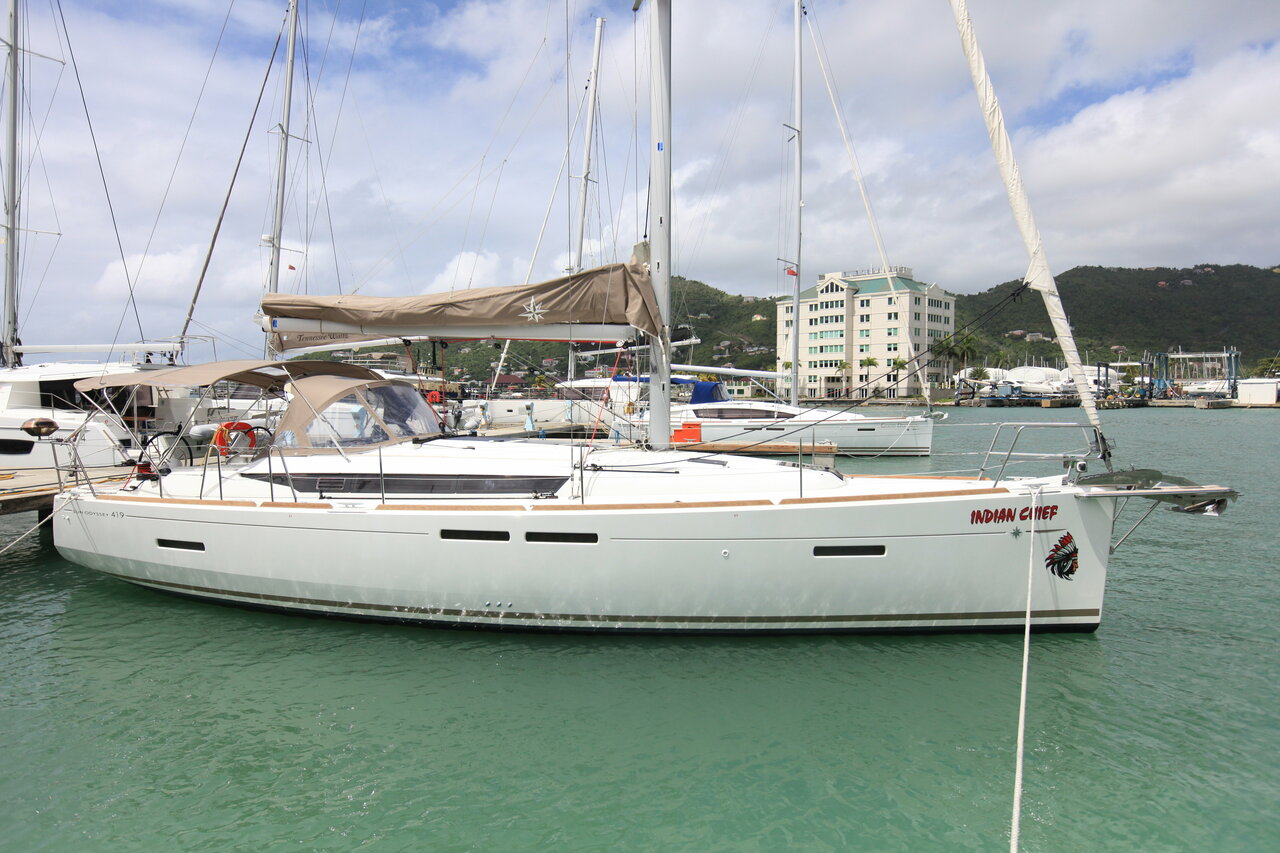 Monohull
 Catamaran
 Monohull
 Catamaran
 Catamaran
US- Virgin Islands questions
Roughly €3,500-6,500 a week for a 45ft monohull and €7,000-13,000 for a 45-48ft catamaran, depending on the boat and the week. Add fuel, end cleaning, a refundable damage deposit or waiver, national park mooring fees, and provisioning at €150-250 per person. Skipper rates and local charter fees are price on request — message us on WhatsApp with your dates and crew size and we will itemise it.
No US licence is legally required, but the boat is not handed over on goodwill. Expect to show a sailing CV — recent weeks as skipper on a similar size and rig — plus an RYA Day Skipper, ICC or ASA 104 if you hold one. If the paperwork is thin, take a skipper for the first two days and carry on alone after that.
December to May. January to March gives the steadiest trades at 15-20 knots and the driest weather, though late December often gusts to 25 with the Christmas winds. April and May are our pick: 12-18 knots, warm water, fewer boats on the park moorings and lower prices. June to November is hurricane season and most boats stand down.
Charters start on St. Thomas, from berths in St. Thomas harbour and at Frenchtown Marina. Fly into Cyril E. King (STT), about 10 minutes by taxi from Frenchtown, with seasonal direct flights from several US east coast cities and connections from Europe via Miami or San Juan. Aim to land before 1500 so you can provision on boarding day.
Yes, and it is one of the easier places to try it. Passages are an hour or two, so nobody is stuck aboard all day. Catamarans give kids deck space and separate cabins, the sea sits at 26-29°C, and the snorkelling at Waterlemon Cay and Maho Bay is shallow enough for beginners. Bring reef-safe sunscreen — the park asks for it.
Sometimes, and it has to be arranged in advance. Not every bareboat is permitted to leave US waters, so ask before you book rather than after you board. You clear out at Charlotte Amalie or Cruz Bay and clear in at Soper's Hole or Jost Van Dyke. Everyone aboard needs a passport, and BVI entry and cruising fees apply on arrival.
It runs June to November, peaking August to October. Wind goes light and squally, humidity climbs, and insurance and cancellation terms change. We do not recommend booking a Caribbean week inside that window. If your dates are fixed in September, the Mediterranean is the better answer and we will happily point you there. December to May is the season here.
Boats sailing US- Virgin Islands all year — boats operate from St. Thomas. The fleet list above is live from our operator system, so it always shows what is actually available for your dates.
These are bareboat yachts — someone on your crew needs a recognised licence. If nobody has one, we will find you the same boat with a skipper.
Send us your dates, your group and roughly the boat you want. Same day, we reply with real options, real prices and the honest trade-offs.
Talk to an expert
Charter types
You skipper it yourself — licence required.
Short hops. The USVI put a real destination roughly an hour of sailing from wherever you woke up. From the dock at Frenchtown you can be anchored off St. John by mid-afternoon on day one — no delivery leg, no overnight passage, no day wasted getting clear of the land.
The trades are steady enough to plan around and the water stays warm through the northern winter. Navigation is line-of-sight almost everywhere: you point at the island you want and sail to it.
Two-thirds of St. John is national park. That is why those anchorages look the way they do — nothing built behind the beach, mooring balls instead of a scrum of anchor chain, and reef that is still reef.
Honest bit: this is not remote. Charlotte Amalie takes cruise ships most winter days and the town is loud when they are in. Move two miles east and it stops.
Right for first-time Caribbean charterers, families, and crews who would rather swim than cover miles. Less right for anyone who wants long passages.
Pillsbury Sound sits between St. Thomas and St. John — about 3nm across, turquoise over the sand banks, with real current running through the cuts at either end. Most weeks stay inside a triangle: the south coast of St. Thomas, the Sound, and the two shores of St. John.
North side of St. John: Caneel, Honeymoon, Francis, Maho, then Leinster Bay with Waterlemon Cay at its eastern end. The snorkelling off the cay is the best on the island and the holding is good sand.
South side: Salt Pond Bay with the walk up to Ram Head, Great and Little Lameshur, and Coral Bay for a beer and a shop.
Closer to base: Christmas Cove on Great St. James, Honeymoon Bay on Water Island, and Buck Island off the south shore for a day snorkel.
St. Croix lies 40nm south across open water. That is a passage, not a day sail, and most weeks leave it alone.
The trades blow east to north-east for most of the year. December to March is the strongest and most reliable: 15-20 knots, with gusts to 25 in the last fortnight of December when the Christmas winds fill in. Reef early and it is straightforward sailing.
April and May soften to 12-18 knots and are our pick — same water, fewer boats on the moorings, better prices.
June to November is hurricane season, peaking August to October. The wind goes light and squally, humidity climbs, and cover terms change. Almost everything here runs December to May for that reason.
Sea temperature sits around 26-29°C all year. Rain arrives as short squalls rather than weather fronts — you get soaked for 10 minutes, then it is over and the deck is dry again.
Bareboat is the format here, and it runs right through the season: monohulls and catamarans, most of them in the 40-50ft range. You take the boat yourself.
Catamarans dominate, for good reasons. Shallow draught suits the park moorings, the deck space matters when it is 30°C, and two hulls give a family separate cabins and separate bathrooms. Monohulls sail better upwind, cost noticeably less, and are easier to handle short-handed.
Skippered: we can put a skipper aboard on request, charged at a day rate, plus a cabin or a bed ashore. Worth it if this is your first Caribbean week, or if half your crew has never sailed. Fully crewed with a cook is price on request — it is not how most boats here are set up.
Weeks run Saturday to Saturday as standard.
Ranges, not quotes. Hull, age and week decide the number.
45ft monohull, bareboat: roughly €3,500-6,500 per week
45-48ft catamaran, bareboat: roughly €7,000-13,000 per week
On top of the hull: a refundable damage deposit or a waiver fee, fuel and water, national park mooring fees charged per night by boat length, and end cleaning.
Provisioning runs higher than the Mediterranean because nearly everything arrives by ship. Budget €150-250 per person per week for food and drink aboard, more if you drink wine.
Skipper day rate and the local charter fees and taxes are price on request — ask and we will itemise the whole thing before you pay anything.
April, May and early December are where the value is. Christmas and New Year are the opposite, and they book a year out.
Day 1 — Board at Frenchtown mid-afternoon, brief, provision, then 6nm east to Christmas Cove on Great St. James. Sleep at anchor rather than alongside.
Day 2 — Cross Pillsbury Sound to Caneel or Honeymoon Bay on St. John, 8nm. Ashore in Cruz Bay for the park paperwork and a fish sandwich.
Day 3 — North shore. Francis or Maho Bay on a park mooring; turtles in the grass beds at Maho most mornings.
Day 4 — Leinster Bay. Snorkel Waterlemon Cay on the slack, walk the Annaberg ruins before the heat comes up.
Day 5 — Round the east end to Coral Bay, or run down to Salt Pond Bay and climb Ram Head at sunset. Going south means a windward leg back, so decide with the forecast.
Day 6 — West along the south shore to Lameshur or Rendezvous, then over to Water Island for the last night.
Day 7 — 3nm home to Frenchtown, alongside by 0900.
Fly into Cyril E. King (STT) on St. Thomas. Frenchtown Marina is about 10 minutes by taxi from the terminal; the St. Thomas harbour berths are much the same.
Direct flights run in season from Miami, Charlotte, Atlanta and New York. From Europe you will connect through Miami or San Juan and should expect a long day.
US citizens arriving from the mainland do not need a passport for the USVI — you do need one for the BVI. Currency is the US dollar, the language is English, and traffic drives on the left, which catches people out on the way to the supermarket.
Taxis are shared and priced per person by zone. Land before 1500 if you want to provision properly on boarding day.
Possible, but it is paperwork. Not every bareboat is permitted to leave US waters, so ask before you choose the boat rather than after you board.
You clear out at Charlotte Amalie or Cruz Bay and clear in at Soper's Hole or Jost Van Dyke. Everyone aboard needs a passport, and BVI entry and cruising fees apply on arrival.
If the Baths and The Bight are the point of the trip, tell us at enquiry stage. If they are not, stay in US waters — a week is short and St. John repays the time.