 Monohull
Sail Provence-Alpes-Côte d'Azur.
Live fleet
Monohull Monohull
 MonohullMonohull
 Monohull
 Monohull
Flavours of the sea
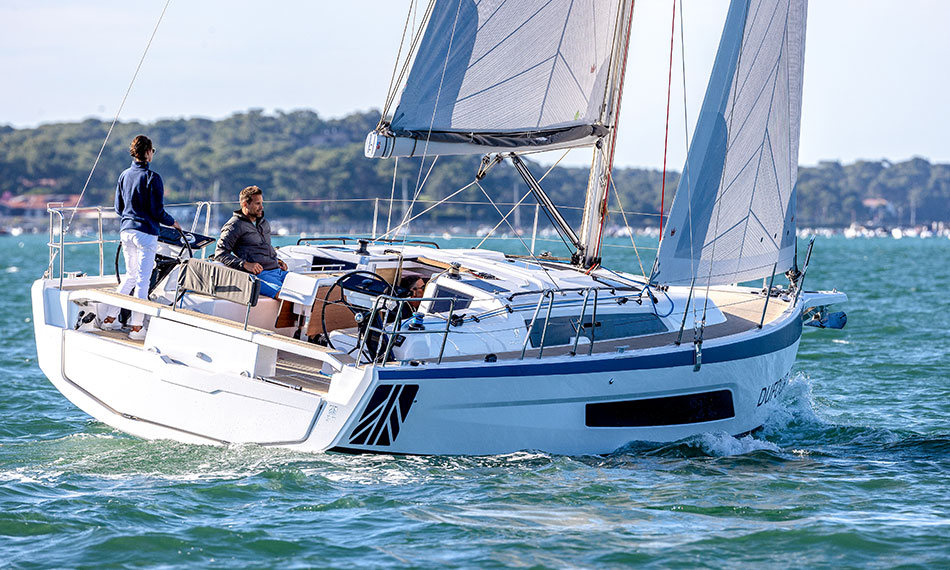
Dufour 37 - 3 cab. · 2025Golf Juan, France
6 guests3 cabins11 m
€2,100 / week
+ CompareMonohull Monohull
 Monohull
 MonohullMonohull
 Monohull
 Monohull
 Monohull
 Monohull
 Monohull
 Monohull
 Monohull
 Monohull
 Monohull
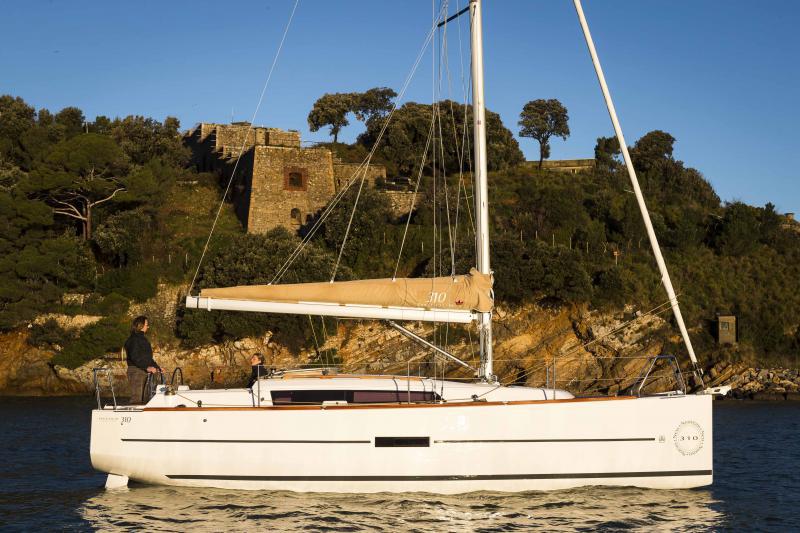
Plume d'Ange
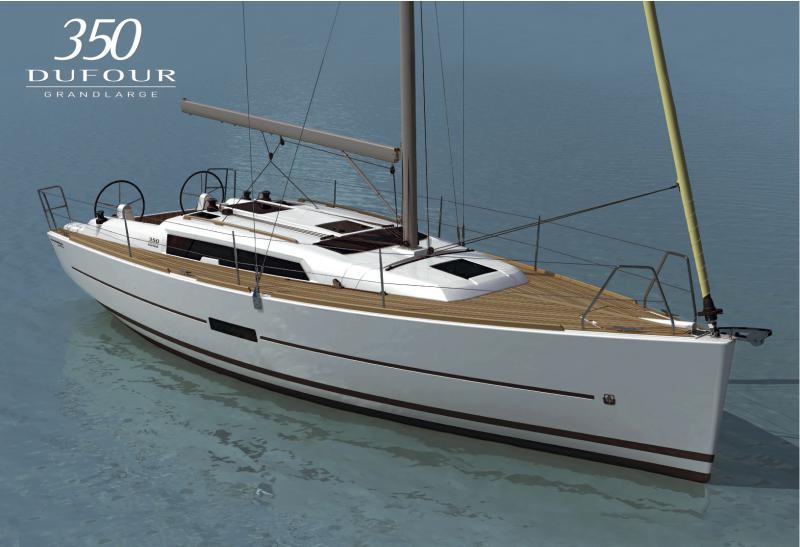
Oceanis 35.1 · 2019Hyeres Port Saint Pierre, France
6 guests3 cabins10 m
€1,850 / week
+ Compare Monohull
 Monohull
 Monohull
 Monohull
 Monohull
 Monohull
 Monohull
By the cabin
Cabin cruises in Provence-Alpes-Côte d'Azur
Scheduled crewed cruises — book by the cabin and share the yacht with a small group.
Provence-Alpes-Côte d'Azur

More cabin cruises
Other departures you can join, wherever you fancy sailing.
 €3,500per person
Croatia and Montenegro Cruise
Naya · crewed
Dubrovnik region, Croatia
7 days · Departs 26 Sept 2026View cabins
 €1,090per person
Modul B - Dufour 460 GL - Athi
Athi · crewed
Šibenik region, Croatia
7 days · Departs 26 Sept 2026 · 21 more datesView cabins
 €1,090per person
Modul B - Dufour 460 GL - Vellamo
Vellamo · crewed
Šibenik region, Croatia
7 days · Departs 26 Sept 2026 · 21 more datesView cabins
 €1,200per person
Sail the Aeolian Islands
Maria Louise II · crewed
Sicily, Italy
7 days · Departs 26 Sept 2026View cabins
 €5,000per person
More Package Greece
Zephyre · crewed
Ionian Islands, Greece
7 days · Departs 28 Sept 2026View cabins
 €3,000per person
Pearl of the Adriatic Cruise
Kaptan Sevket · crewed
Montenegro, Montenegro
7 days · Departs 28 Sept 2026View cabins
Provence-Alpes-Côte d'Azur questions
Asked and answered.
How much does it cost to charter a yacht on the Côte d'Azur?
It depends heavily on boat size, type and season. A small bareboat monohull in May or September is at the affordable end; a large catamaran in peak August costs several times more. On top of hire, budget for marina berths (the eastern glamour ports are pricey), fuel, cleaning and a refundable deposit. We quote on your exact boat and dates — message us on WhatsApp for a figure.
Do I need a licence to charter a bareboat here?
Yes. For a bareboat you'll normally need an ICC (International Certificate of Competence) or a recognised national equivalent, plus a sailing CV showing relevant experience. Requirements vary a little by boat and base, and some ask for a VHF certificate too. If you don't hold a licence or want the coast handled for you, hire a skipper — we can arrange one. Send us your certificates on WhatsApp and we'll confirm.
When is the best time to sail the French Riviera?
May, June and September are the sweet spot: warm weather, swimmable water, and far fewer boats than July and August. Peak summer is hot, lively and expensive, with the busiest anchorages and marinas. Spring and autumn also carry a higher chance of the mistral, so watch the forecast. Avoid the shoulders if you want guaranteed heat; choose them if you want space and lower prices.
Where should I start my charter?
Pick a base near your arrival airport. Flying into Nice suits the eastern bases — Antibes, Cannes, Golfe-Juan, St-Raphaël — and gives you St-Tropez and the Estérel. Flying into Marseille or taking the TGV suits the western and central bases: Marseille, Bandol, Toulon and Hyères, with the calanques and the Îles d'Hyères on your doorstep. Hyères is a strong central start for a first Riviera week.
Is this a good area for families?
Yes, especially the central section. The Îles d'Hyères have calm, clear, shallow-ish anchorages ideal for swimming, and sails between stops are short. Catamarans give more space and stability for kids. Keep to May, June or September to dodge the peak-season crowds and heat, and consider a skipper so an adult isn't always tied to the helm. Avoid long exposed passages and mistral days with children aboard.
What is the mistral and should I worry about it?
The mistral is a strong, cold north-westerly that funnels down the Rhône valley, often 30–40 knots and lasting a day or three. It hits the western coast hardest and eases east of Toulon, so the Îles d'Hyères and beyond are more sheltered. Don't panic, but respect it: check forecasts daily, keep a protected port in mind, and simply stay put when a mistral is blowing. A hired skipper takes the worry off you.
Can I sail into the calanques and national-park waters?
You can, but there are rules. The Marseille calanques (Sormiou, En-Vau, Cassis) are stunning for a daytime anchor and swim, though some restrict or ban overnight stays in summer and fill up fast. Port-Cros is a national park with mooring buoys and anchoring/fishing restrictions to protect the seabed. Check the current rules for each zone before you go — they change seasonally — and use provided moorings where required.
Where do the yachts in Provence-Alpes-Côte d'Azur sail from?
Boats sailing Provence-Alpes-Côte d'Azur all year — boats operate from Hyeres Port Saint Pierre, Toulon, Port de Bandol, Marseille, Cote D'Azur, St. Raphael, Golf Juan, Marines de Cogolin, Port de St. Mandrier sur Mer, Port Grimaud, Cannes, Le Ciotat and Antibes. The fleet list above is live from our operator system, so it always shows what is actually available for your dates.
Bareboat or crewed in Provence-Alpes-Côte d'Azur?
Both. Bareboat if someone on your crew holds a licence, crewed if you would rather a skipper did the work. Tell us your experience level and we will match you.
How do I get a quote?
Send us your dates, your group and roughly the boat you want. Same day, we reply with real options, real prices and the honest trade-offs.
Talk to an expert
Get three options.
Charter types
Charter types in Provence-Alpes-Côte d'Azur.
Bareboat charter
You skipper it yourself — licence required.
Crewed charter
Skipper and crew do the work — you live aboard.
Cabin charter
Book a cabin, not the whole boat.
Provence-Alpes-Côte d'Azur
01Why sail here
The stretch from Marseille to the Italian border packs more variety into a week than almost anywhere in the Med. You start among the white limestone calanques east of Marseille, cross to the pine-and-sand Îles d'Hyères, then work up a coast of anchorages, medieval ports and hill towns. The water runs deep blue and clear over rock, turquoise over the sand off Porquerolles. Mornings are usually calm; the wind fills in by lunch. It suits sailors who like short hops between anchorages with a real town at the end of most days, rather than long offshore passages.
We'll be honest about the trade-off: this coast is busy in July and August, and the marquee ports — St-Tropez, Cannes, Antibes — charge marquee prices for a berth. Sail the shoulder months, or lean on the anchorages, and the crowds and costs both drop.
02Sailing areas and harbours
Think of the coast in three chunks. West is Marseille, the calanques (Sormiou, En-Vau, Cassis) and Bandol — dramatic rock scenery and short sails, though calanque anchorages get packed and some ban overnight stays in summer. Centre is the Îles d'Hyères: Porquerolles, Port-Cros (a national park with mooring rules) and the Levant. This is the quiet heart of the region, with the best swimming water and sheltered bays. East is the glamour coast — St-Tropez, Ste-Maxime, St-Raphaël, Cannes and Antibes — where the harbours are the show as much as the sailing.
Base marinas are spread right along the coast, from Marseille's Vieux Port and the Corbières basin through Toulon, Bandol, Hyères, Port-Grimaud and Cogolin to St-Raphaël, Golfe-Juan, Cannes and Antibes. That spread means you can pick a start point close to your arrival airport and sail east or west from there.
03Season and winds
The charter season runs roughly April to October, with July and August the hottest and busiest. May, June and September are the sweet spot — warm, less crowded, water still swimmable.
The wind to know is the mistral, a cold, dry north-westerly that funnels down the Rhône valley and out to sea. It builds fast, blows hard (30–40 knots is common) and can last three days. It flattens off as you move east of Toulon, so the Îles d'Hyères and the coast beyond are more sheltered. Otherwise summer days follow a sea-breeze pattern: calm mornings, a building westerly or south-westerly by early afternoon, dying at dusk. Always check the forecast before committing to an exposed anchorage, and treat a mistral warning seriously — plan a protected port and stay put.
04Charter types
Most of the fleet here is bareboat — monohulls and catamarans you skipper yourself, provided you hold the right licence and can show sailing experience. Sizes run from compact 30-something-foot monohulls up to larger cruising catamarans that suit families and groups.
If you'd rather not skipper, crewed options are available but limited, and a hired skipper is the middle path — you keep the boat to yourselves but hand the navigation and berthing to someone who knows the coast. A skipper is worth it here if you're new to Med berthing (stern-to mooring is the norm) or nervous about the mistral. Crew and skipper availability changes through the season; message us on WhatsApp for current options on your dates.
05Realistic costs
Boat hire is the big line item and it swings hard with season and size. A small bareboat monohull in the shoulder months sits at the affordable end; a large catamaran in peak August is several times that. Rather than quote figures that go stale, we'll say: expect a wide range and ask us for a quote on your exact boat and week. Price on request for anything specific.
Budget separately for: marina berths (the eastern glamour ports are the priciest on the coast, especially in summer), fuel, an end-of-charter clean, and the security deposit held against the boat. Porquerolles and Port-Cros mooring fields and the national-park zones may charge or restrict. Eating ashore ranges from a modest quay bistro to St-Tropez prices — you choose the mix. Provisioning is easy and good; the markets at Cassis, Hyères and Sanary are worth the trip.
06A sample week
A westbound loop from Hyères, tuned to short sails and good anchorages:
Day 1 — Board at Hyères, provision, short hop to Porquerolles and anchor off the village. Swim, walk the fort.
Day 2 — Around to Port-Cros; pick up a park mooring, snorkel the marked trail.
Day 3 — West to Bandol or Sanary-sur-Mer; market, a quiet harbour evening.
Day 4 — On to Cassis and the eastern calanques. Anchor for lunch in En-Vau if it's quiet, berth in Cassis for the night.
Day 5 — Day among the Marseille calanques and back east, or push into Marseille's Vieux Port.
Day 6 — Long-ish sail back east toward the Îles d'Hyères, anchor off the Giens peninsula.
Day 7 — Final swim, easy sail back to Hyères for the morning handover.
Flip it eastbound from Cannes or St-Raphaël for St-Tropez, the Estérel red cliffs and Golfe-Juan instead. Adjust for wind — if the mistral's up, stay east.
07Getting there
The coast is easy to reach. Nice airport serves the eastern bases (Antibes, Cannes, Golfe-Juan, St-Raphaël); Marseille airport and the Marseille–Toulon TGV line serve the western and central ones (Marseille, Bandol, Toulon, Hyères). Hyères has its own small airport too. From most airports it's a train or a short transfer to the marina. Handovers are typically Saturday, with boarding in the afternoon and check-out in the morning; confirm the exact times for your boat when you book. Bring your sailing licence, ICC or equivalent, and a sailing CV — the base will want to see both before you take a bareboat out.