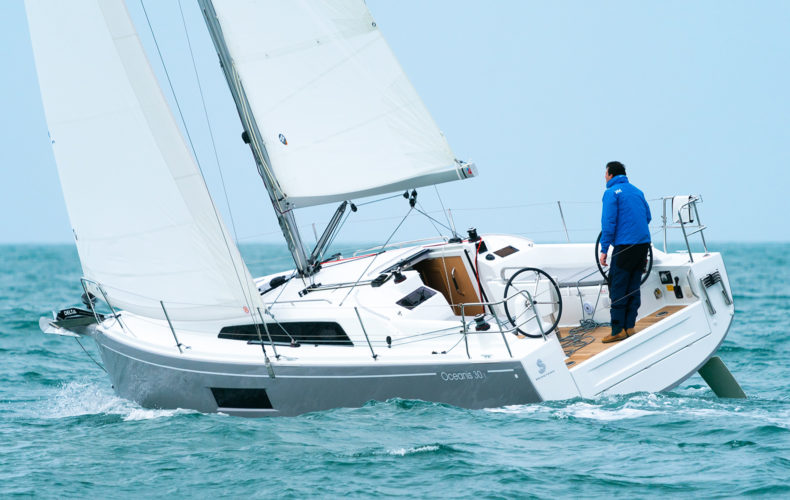
 Monohull
Sail Croatia.
Live fleet
Monohull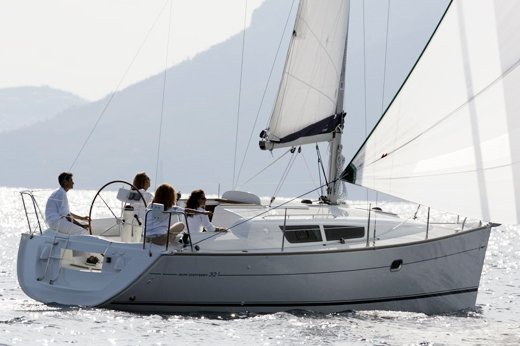 Monohull
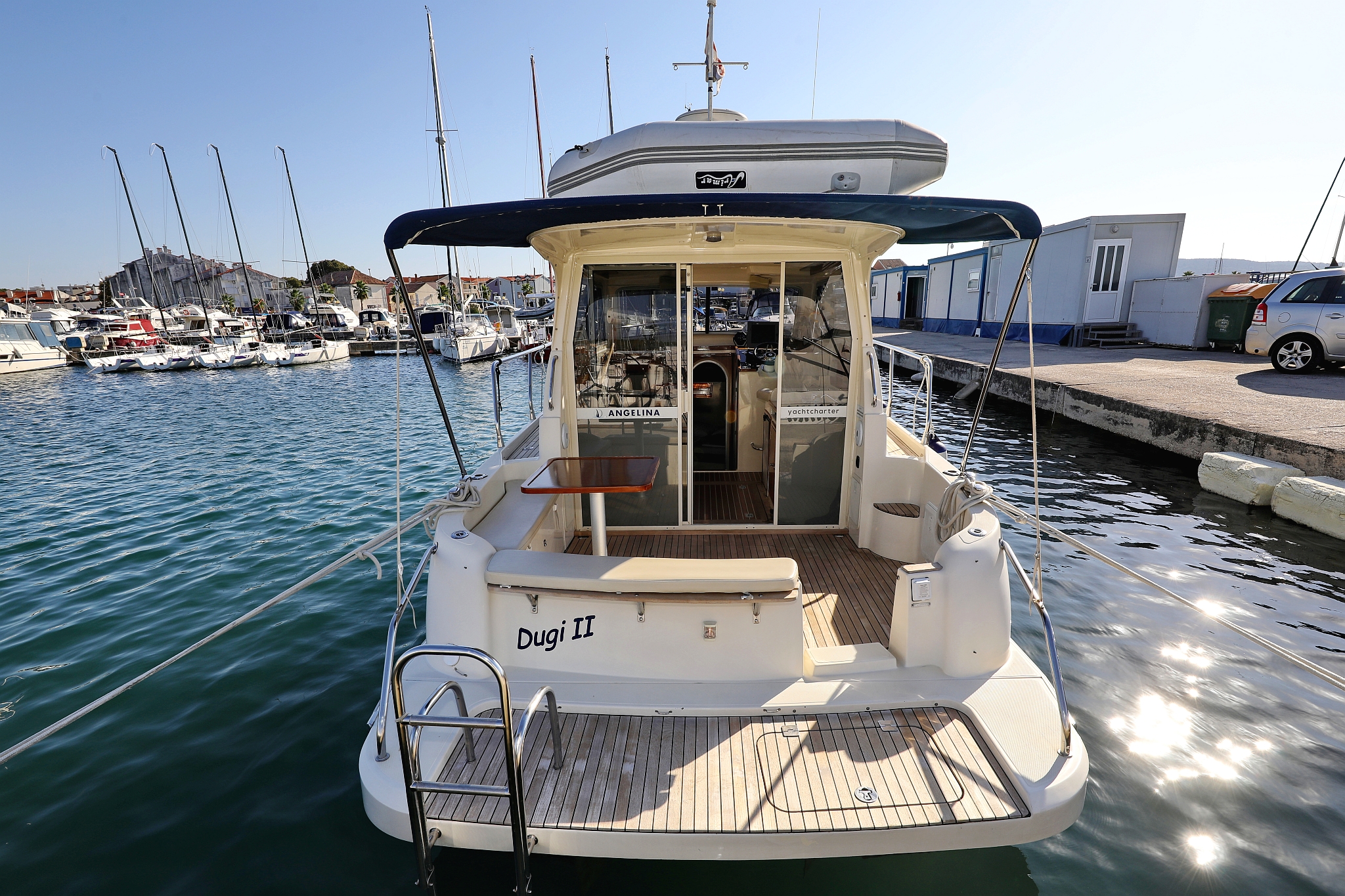 Motor Yacht
 Monohull
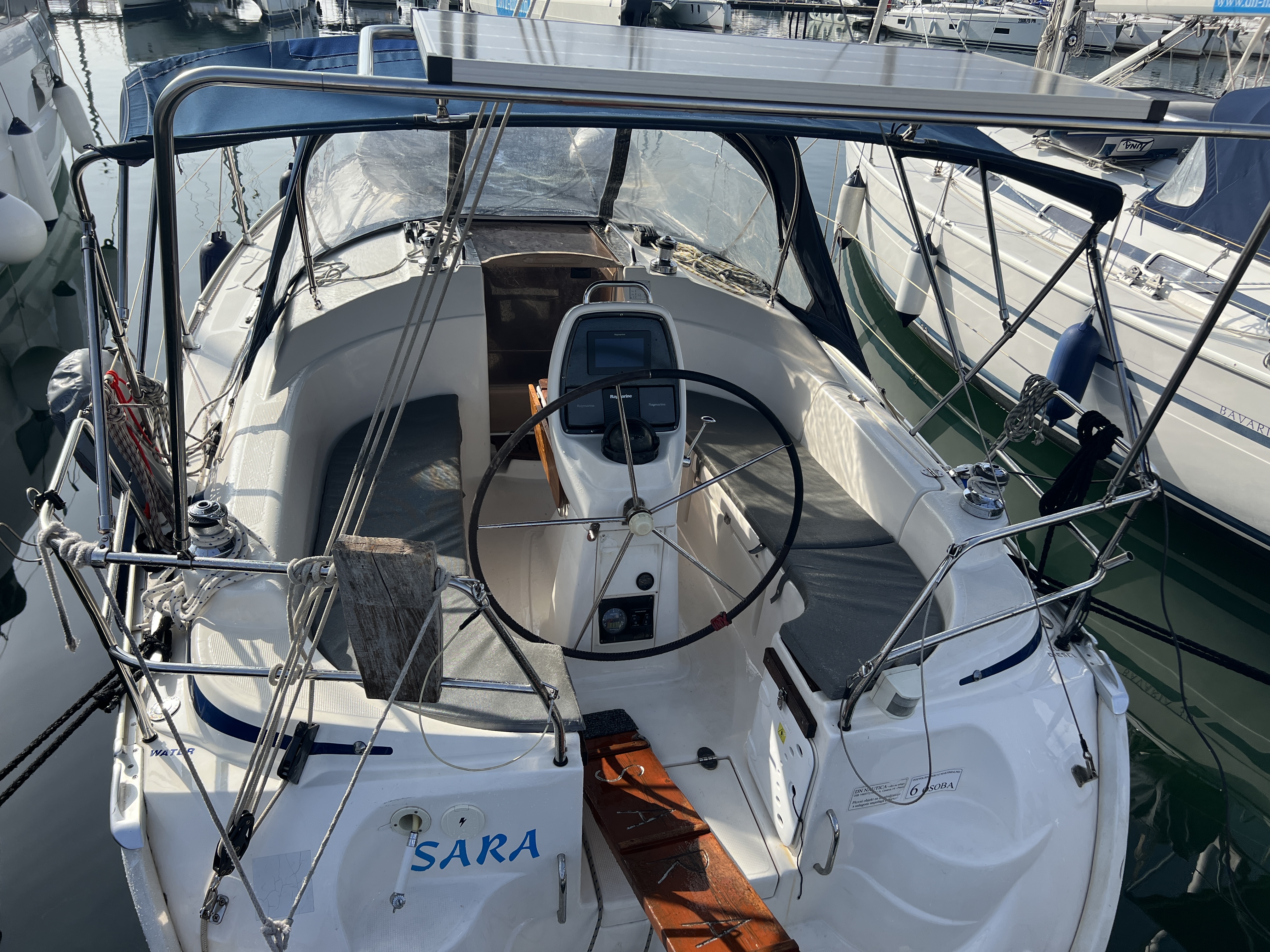 Monohull
 Motor Yacht
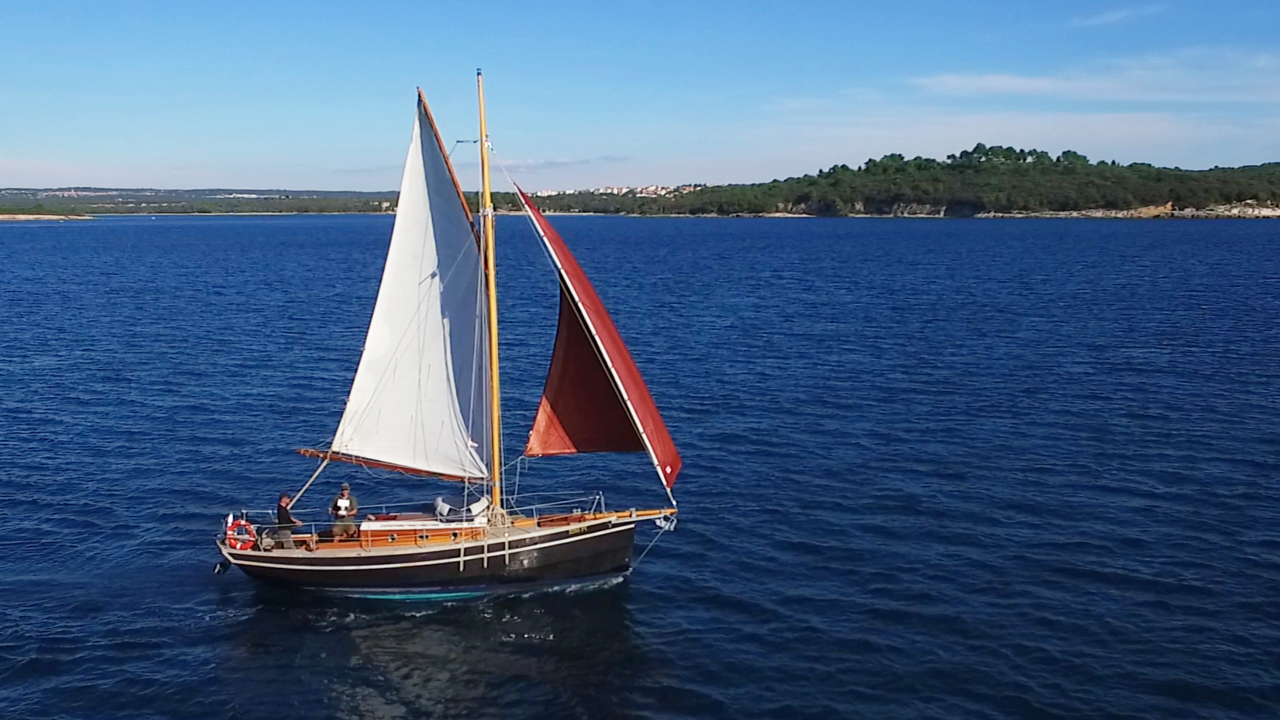 Monohull
Black Bird
Pilot Cutter · 1982Marina Tehnomont Veruda, Croatia
4 guests1 cabins9 m
€1,300 / week
+ Compare Motor Yacht
 Motor Yacht
 Motor Yacht
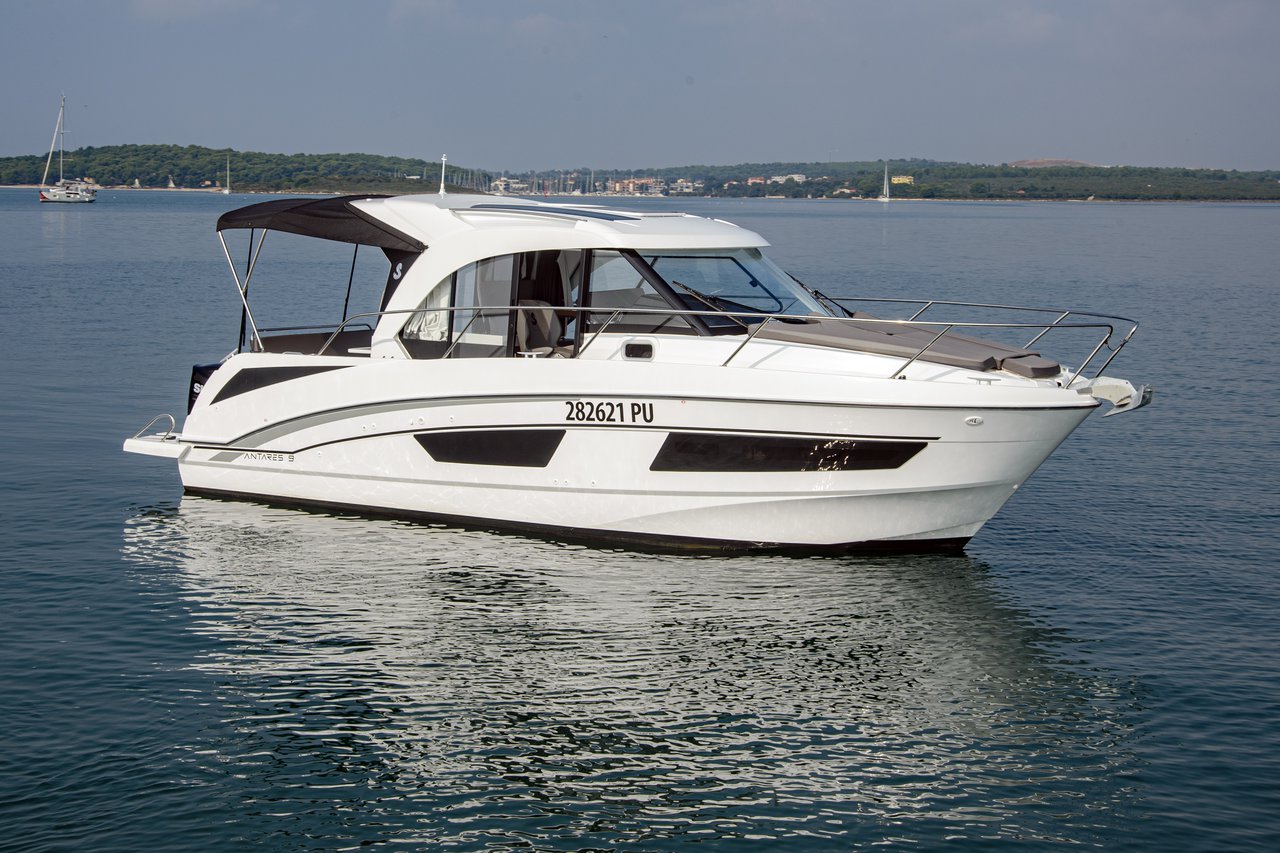 Motor Yacht
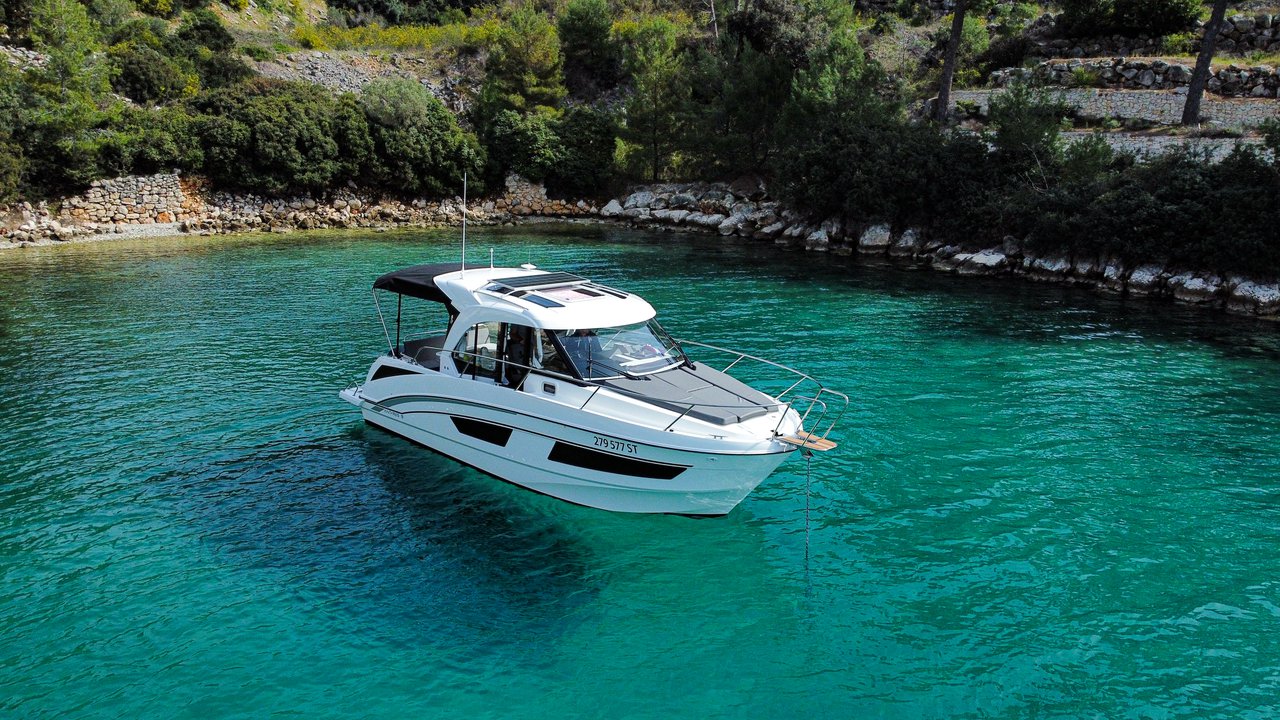 Motor Yacht
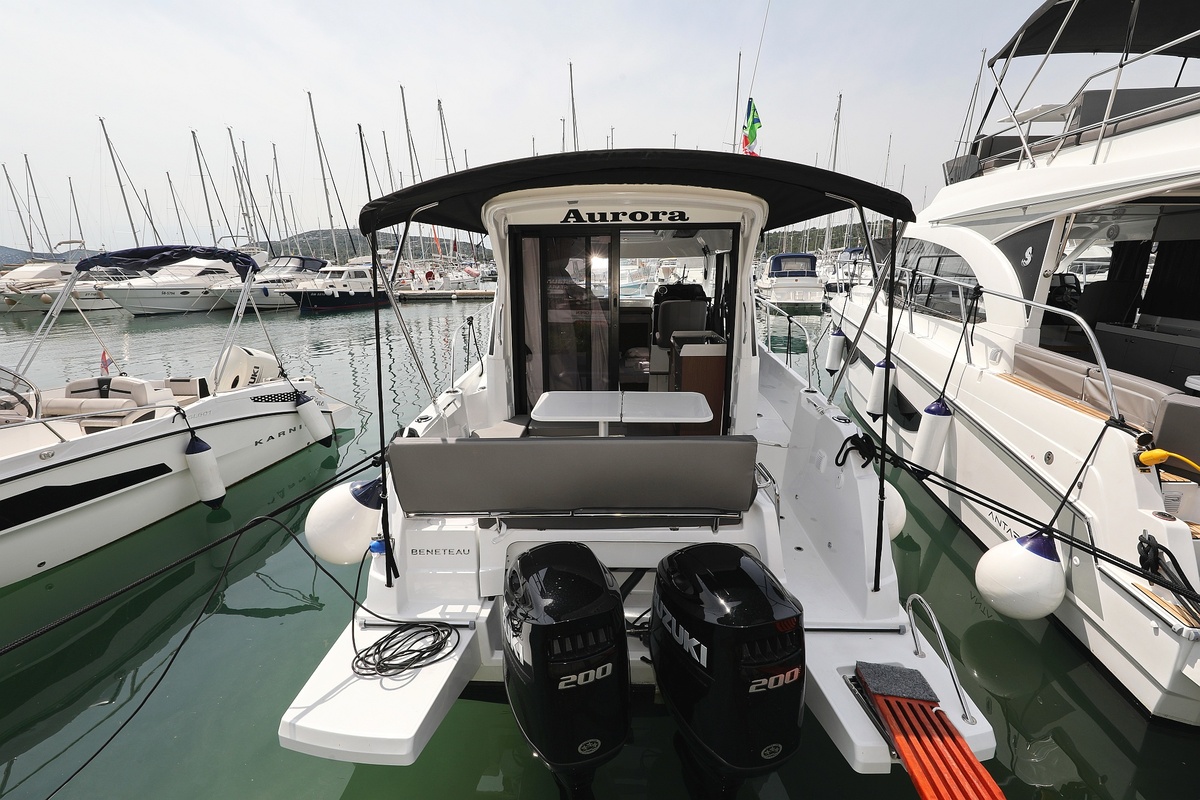 Motor Yacht
 Motor Yacht
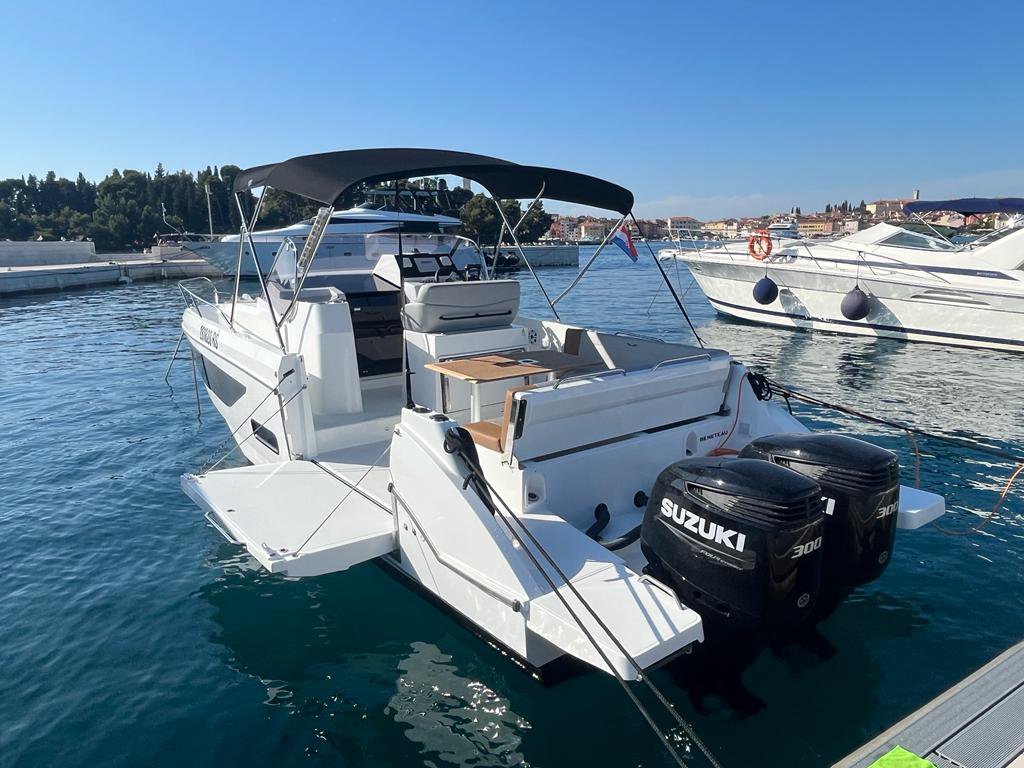 Motor Yacht
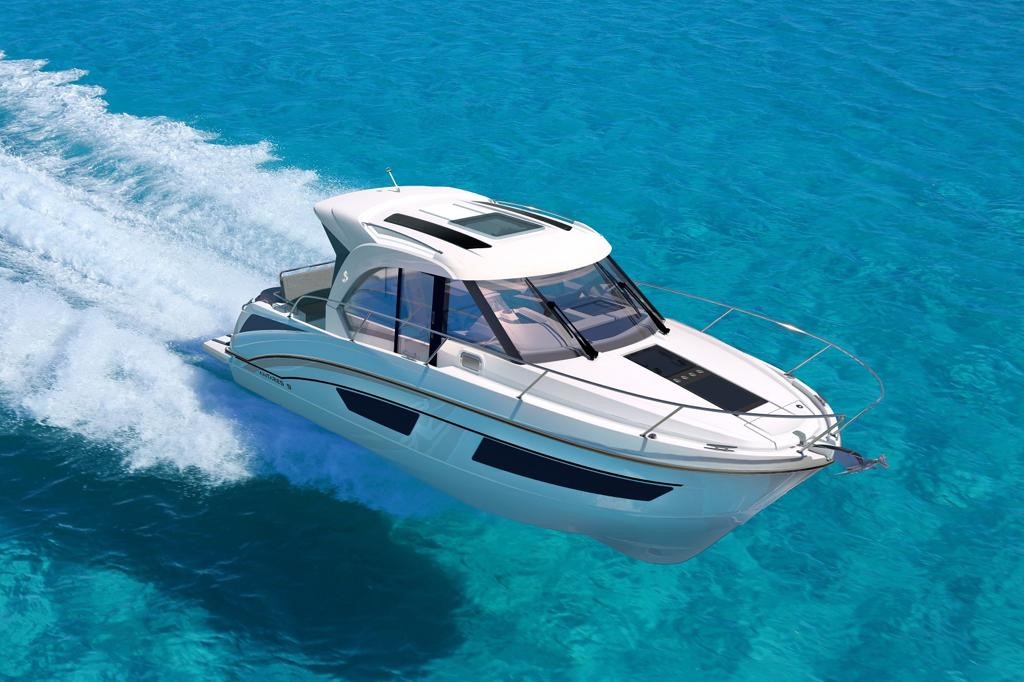 Motor Yacht
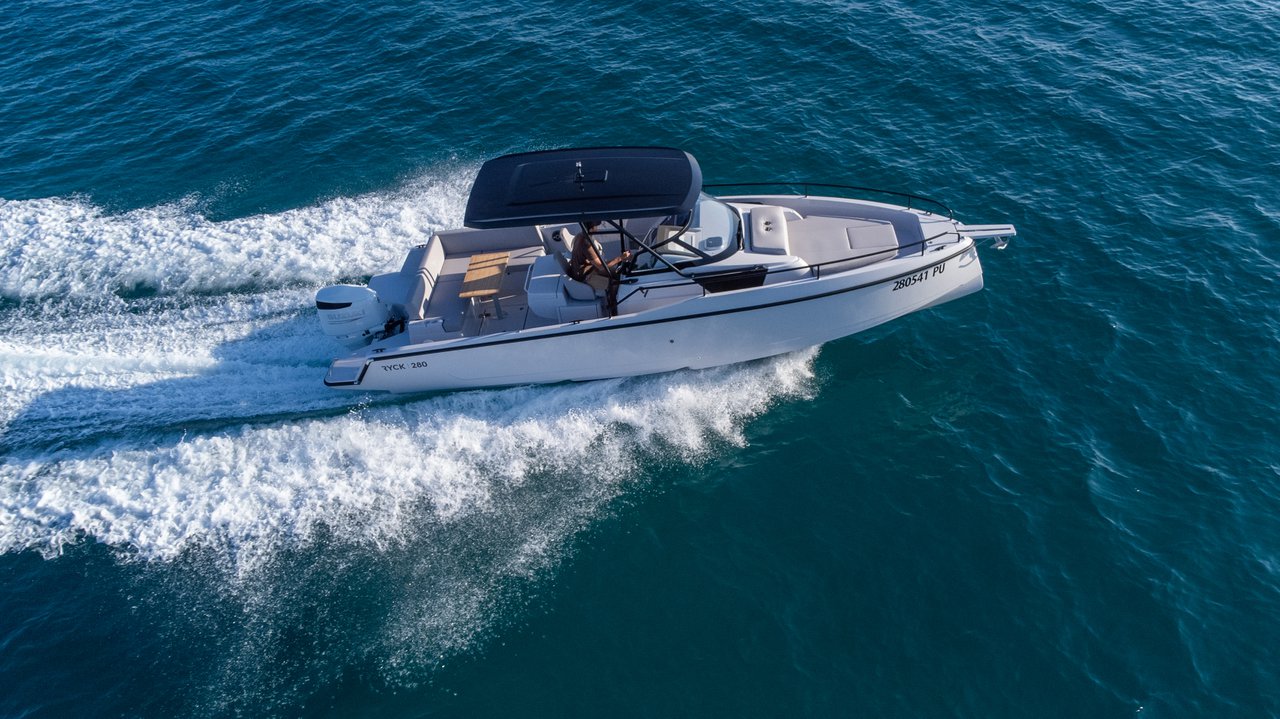 Motor Yacht
 Monohull
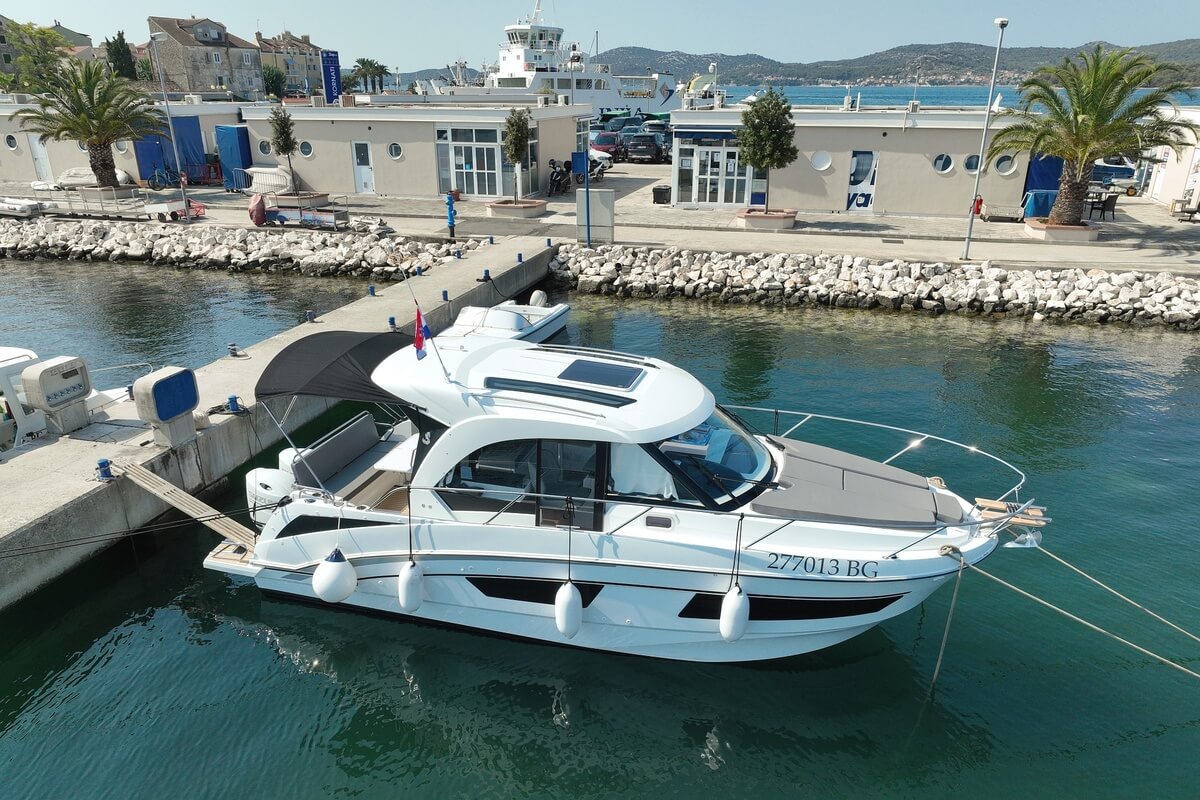 Motor Yacht
 Motor Yacht
 Motor Yacht
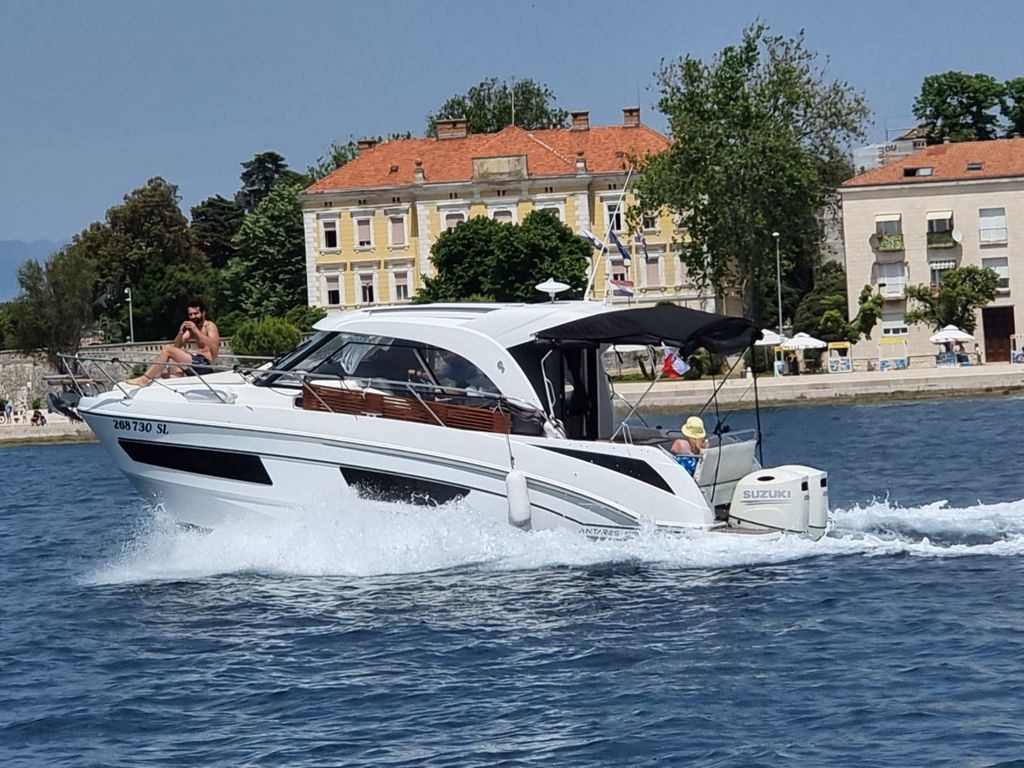
Queen Korina
Antares 9 OB · 2020Marina Zadar (ex. Tankerkomerc), Croatia
5 guests2 cabins9 m
€1,900 / week
+ Compare Motor YachtMotor Yacht
 Monohull
By the cabin
Cabin cruises in Croatia
Scheduled crewed cruises — book by the cabin and share the yacht with a small group.
Croatia
 €3,500per person
Croatia and Montenegro Cruise
Naya · crewed
Dubrovnik region, Croatia
7 days · Departs 26 Sept 2026View cabins
 €1,090per person
Modul B - Dufour 460 GL - Athi
Athi · crewed
Šibenik region, Croatia
7 days · Departs 26 Sept 2026 · 21 more datesView cabins
 €1,090per person
Modul B - Dufour 460 GL - Vellamo
Vellamo · crewed
Šibenik region, Croatia
7 days · Departs 26 Sept 2026 · 21 more datesView cabins
 €1,090per person
Modul A - Aventura 37 - Ankolina
Ankolina · crewed
Šibenik region, Croatia
7 days · Departs 3 Oct 2026 · 2 more datesView cabins
€1,090per personModul A - Dufour 460 GL - Athi
Athi · crewed
Šibenik region, Croatia
7 days · Departs 3 Oct 2026 · 20 more datesView cabins
€1,090per personModul A - Dufour 460 GL - Vellamo
Vellamo · crewed
Šibenik region, Croatia
7 days · Departs 3 Oct 2026 · 20 more datesView cabins
€1,090per personModul B - Aventura 37 - Ankolina
Ankolina · crewed
Šibenik region, Croatia
7 days · Departs 3 Oct 2026 · 2 more datesView cabins
€3,500per personSail Croatia on a Catamaran Cruise
Naya · crewed
Dubrovnik region, Croatia
7 days · Departs 3 Oct 2026 · 1 more dateView cabins
 €1,890per person
ART J - FB4 Offshore Package
Art J · crewed
Šibenik region, Croatia
10 days · Departs 7 Oct 2026View cabins
Talk to an expert
Get three options.
Croatia
01Why sail Croatia
Croatia is close-quarters sailing. The islands sit near each other, so a day's passage is often two or three hours, not a full day at the helm. You anchor for lunch off a coral cove, sail on in the afternoon, and tie up in a stone harbour for dinner. The water is clear to 20m in places, the coast is limestone and pine, and the town quays date back to the Venetians. It suits sailors who want to actually stop and see somewhere, rather than log miles for the sake of it.
We've sailed here every summer for years. The draw isn't any single island — it's the density. You can plan a week and change your mind twice a day, because the next harbour is always within reach.
02The sailing areas
Six regions run north to south. Istra in the far north is greener and quieter, closer to Venice and the Slovenian border — good for a shorter loop with fewer crowds. Kvarner covers Rijeka, Krk, Cres and Lošinj, a working coastline with deep channels and reliable wind. Zadar region opens onto the Kornati archipelago — bare, rocky islets and a national park where you'll pay a park fee but get near-empty anchorages.
Šibenik region hides behind a narrow river mouth and reaches the Krka waterfalls inland. Split region is the busiest and the easiest base: Brač, Hvar, Vis and Šolta all sit within a comfortable day. Dubrovnik region is the smallest fleet and the furthest south, closer to Montenegro and the Elaphiti islands — dramatic but a longer flight and a busier old town.
03Season and winds
The charter season runs May to October. June and September are the sweet spot: warm water, lighter crowds, steadier weather. July and August are hot, busy, and harbours fill by mid-afternoon — book quays early or plan to anchor.
Two winds matter. The maestral is a thermal sea breeze that builds through the afternoon in settled weather, blowing 10–18 knots from the north-west — reliable, pleasant, the wind you sail on most days. The bura (or bora) is the one to respect: a cold, gusty katabatic wind off the mountains from the north-east, strongest in Kvarner and the Velebit channel, capable of 40+ knots in gusts. It's more common in spring and autumn but can appear any time. Check the forecast, and don't cross exposed channels when a bura is called. The jugo is a wet southerly that brings swell and settled poor weather — usually well forecast.
04Charter types
You can charter bareboat if you hold a recognised licence, skippered if you'd rather not manage the boat, or crewed with a hostess or full crew on larger yachts. Monohulls dominate the fleet; catamarans are widely available and worth it for families or anyone who values deck space and shallow draft. Boats range from compact 30-somethings up to 50ft-plus performance cruisers and cats.
Most charters run Saturday to Saturday, checking out mid-morning and back the evening before. One-way charters between bases are possible in some regions for a repositioning fee.
05Realistic costs
A week's bareboat monohull in the 40–45ft range typically runs from the low thousands of euros in the shoulder season to a good deal more in peak August — Price on request for exact boats and dates, as it swings hard with size, age and week. Catamarans sit meaningfully higher than monohulls of the same length.
Budget beyond the charter fee for: a skipper if you take one (roughly a day rate plus their food), fuel (you refill what you use — Croatia is largely a sailing ground, so burn is modest), marina and mooring fees (€40–€120+ a night depending on town and season), the tourist tax, national park fees for Kornati and Mljet, and a final clean. A transit log and security deposit apply. WhatsApp us for a firm quote on a specific boat and week.
06A sample week from Split
Day 1 — Board in the afternoon, provision, overnight in the marina or slip across to Šolta for a quiet first night.
Day 2 — Sail to Milna or Bobovišća on Brač, or push to Bol under the Zlatni Rat spit if the maestral cooperates.
Day 3 — Cross to Hvar. Anchor off the Pakleni islands for swimming, then decide whether to brave Hvar town's harbour or stay at anchor.
Day 4 — Down to Vis, the furthest island, once closed to visitors. Komiža on the west side is the pick; the Blue Cave on nearby Biševo is worth an early start before the tour boats.
Day 5 — Back north-east toward Šolta or the quieter side of Brač, breaking the return.
Day 6 — A shorter hop and a last anchorage — Šolta's coves or Trogir for its walled old town.
Day 7 — Return to base by evening, ready to check out in the morning.
This is a template, not a rule. The maestral and your appetite decide the actual route.
Practical information
01Entry & getting thereVisa & entry requirements
Croatia is in the EU and the Schengen Area. EU/EEA citizens enter with a valid ID card or passport. Citizens of many other countries — including the UK, US, Canada and Australia — get up to 90 visa-free days in any 180-day period under the Schengen rules; other nationalities need a Schengen visa in advance.
Non-EU passports should be valid for at least three months beyond your planned departure and issued within the last ten years. Entry and exit are stamped under Schengen rules, so budget your 90 days across all Schengen countries on the same trip. Check your own government's travel advice before you fly — rules change.
02Entry & getting thereGetting there
Croatia's coast is served by a string of international airports. Split (SPU) and Dubrovnik (DBV) are the main charter gateways — most Dalmatian bases sit within an hour of one of them — with Zadar (ZAD) covering northern Dalmatia and Pula (PUY) serving Istria. Zagreb (ZAG) runs a full schedule year-round and connects onward by road in about three hours to the coast.
In season, direct flights reach the coastal airports from most of Europe. Outside roughly November to March many coastal routes thin out or pause, while Zagreb keeps operating — worth knowing for early- and late-season charters.
03Entry & getting thereTime zone & daylight saving
Croatia runs on Central European Time (CET, UTC+1) and switches to Central European Summer Time (CEST, UTC+2) with the rest of the EU — clocks go forward on the last Sunday of March and back on the last Sunday of October. The IANA zone is Europe/Zagreb.
Practically: Croatia keeps the same time as Germany, Italy and most of central Europe, sits one hour ahead of the UK and Ireland, and six ahead of US Eastern. Your whole charter week will normally sit inside one time regime — only late-October charters catch the clock change.
04MoneyCurrency & exchange
Croatia uses the euro. It adopted it on 1 January 2023, replacing the kuna at a fixed 7.5345 kn to the euro — you may still see old dual price tags, but everything is paid in euros now.
There's rarely a reason to carry much foreign cash: ATMs are everywhere on the coast and exchange offices and banks handle the rest. Two habits save money — use ATMs attached to real banks (Zagrebačka banka, PBZ, Erste, Raiffeisen) rather than the standalone tourist machines, and if a terminal offers to charge you in your home currency, decline it and pay in euros; that "dynamic currency conversion" rate is always worse.
05MoneyPayment methods
Everything is priced and paid in euros. Cards — Visa and Mastercard, contactless included — are standard in supermarkets, fuel stations, marinas, hotels and most restaurants in the charter towns. EU consumer rules stop merchants surcharging normal EU cards, so the price on the menu is the price you pay.
Carry some cash all the same: open-air markets, small konobas, kiosks and mooring fees in small island harbours can be cash-only, and a card terminal on a remote island can simply be offline. Withdraw from bank-attached ATMs and always choose to pay in euros when a terminal offers your home currency — the conversion offer is never in your favour.
06MoneyTipping culture
Tipping in Croatia is appreciated, never demanded — service staff earn full salaries and a tip is genuinely extra. In restaurants 5–10% for good service is the norm, a little more in fine dining. In cafés and bars, rounding up to the nearest euro is plenty. Taxis: round up the fare, plus a euro or two if the driver helped with bags.
Cash tips are preferred even when you pay the bill by card — hand it over or say how much to keep. On skippered and crewed charters, a discretionary tip for the crew at the end of a good week is a well-established courtesy; give it directly to the skipper or host.
07MoneyCost of living
Croatia sits mid-table for European travel costs — noticeably cheaper than France or Italy's marquee coasts, pricier than it was before the euro. As a guide: a meal in an inexpensive restaurant runs around €12, dinner for two mid-range about €60, a half-litre of local draft beer €3–4, and a cappuccino a bit over €2.
Expect a coastal premium in July–August and in the headline towns (Hvar, Dubrovnik); the same konoba dinner costs less one island over or one month either side of peak. Markets and supermarkets are good value for provisioning the boat.
08Rules & permitsSailing regulations & permits
Croatia requires at least one certified skipper on board every charter yacht. The skipper needs a recognised licence (an ICC or an equivalent national certificate) plus a VHF radio certificate, and charter companies must submit the skipper's licence and a full crew list to the authorities before departure — we prepare that paperwork with you at check-in.
Third-party liability insurance on the yacht is required by law and is included with a charter. Charter yachts operating in Croatia are registered and licensed for charter by the state; sojourn/navigation fees for the boat are handled within the charter. Licence specifics for skippering yourself live on our bareboat pages.
09Rules & permitsSubstances & laws
The legal age to buy and be served alcohol is 18. Recreational drugs are illegal, and possession is prosecuted — don't bring anything aboard.
Arriving from another EU country, you can carry generous personal-use amounts of alcohol and tobacco (indicative EU levels: up to 800 cigarettes and 10L of spirits, age 17+). Arriving from outside the EU, the allowances are much lower — check the Croatian Customs Administration's current limits before you fly. Prescription medication is fine for personal use; keep it in its original packaging and carry the prescription or a doctor's note for anything containing controlled substances.
10Rules & permitsFishing regulations
Recreational and sport sea fishing in Croatia requires a licence — no exceptions, whether you fish from the shore or from the boat. Licences are sold per day or for multiple days, and the official portal (gov.hr) sells them online.
The licence sets exactly which gear you may use, and species rules apply: some fish and shellfish are protected or have closed seasons, and daily catch limits apply. Spearfishing needs its own separate licence. If you plan to troll a line on passage, buy the licence first — fines are real.
11Rules & permitsWildlife protection laws
Croatian law strictly protects much of the Adriatic's marine life. Dolphins, sea turtles and Mediterranean monk seals are protected species — it is illegal to harm, disturb or chase them, so admire from a respectful distance under way. Protected shellfish such as the noble pen shell and date mussel must never be taken; harvesting date mussels destroys the rock they live in and carries heavy penalties.
By 2024 Croatia had 410 nationally protected areas, and together with the Natura 2000 network about 12.6% of its sea is under protection. Inside national parks (Mljet, Kornati, Brijuni, Krka) special rules and entry fees apply — anchoring, fishing and diving are restricted, so check each park's rules before you enter.
12Rules & permitsInsurance requirements
The yacht itself comes insured: hull cover plus the third-party liability insurance Croatian law requires. Your financial exposure for damage is capped at the security deposit — typically €1,000–€5,000 blocked on a credit card at check-in and released after undamaged return. Most operators offer an optional damage waiver (roughly 7–12% of the deposit, or a fixed €150–€350 per week) that shrinks the deposit risk to a small excess; read the exclusions, as propeller lines, groundings and third-party marina damage are often outside it. Skipper's liability insurance is a sensible extra for bareboat skippers.
Two strong recommendations, and we mean them: carry travel insurance with proper medical cover — a GHIC/EHIC helps EU/UK visitors in state care but is not a substitute, since Croatian treatment always carries charges — and take holiday-cancellation insurance when you book. We do not insure charters or holidays; cancellation cover is the only thing that protects your payment if life intervenes.
13Health & safetyEmergency contacts
All emergencies (EU-wide): 112
Police: 192
Fire: 193
Ambulance: 194
Sea rescue (MRCC Rijeka): 195
Roadside assistance (HAK): 1987
At sea, call 195 or hail MRCC Rijeka on VHF channel 16. All numbers are free from any Croatian landline or mobile.
14Health & safetyHealthcare & hospitals
Healthcare in Croatia is good, with a state system backed by private clinics in the cities. Every major coastal city — Split, Rijeka, Zadar, Šibenik, Dubrovnik — has a public hospital, and pharmacies (ljekarna) are easy to find in any sailing town; some medical staff speak English, and the UK FCDO publishes a directory of facilities with English-speaking staff.
EU and UK visitors can use a EHIC/GHIC for state treatment, but charges still apply in Croatia (up to a few hundred euros), so travel insurance with medical and evacuation cover is essential rather than optional. In an emergency dial 194 for an ambulance, or 112.
15Health & safetyVaccinations
No vaccinations are required to enter Croatia. Health authorities recommend being current on routine vaccines (MMR, tetanus-diphtheria, polio, flu, COVID-19), and suggest hepatitis A and B for many travellers. Tick-borne encephalitis (TBE) vaccination is worth discussing only if you'll spend real time hiking or camping inland — ticks live in grass and woodland, not on the water.
Check advice about eight weeks before you travel (CDC, or TravelHealthPro for UK travellers) in case recommendations change, and use insect repellent for evenings ashore.
16Health & safetyWater drinkability
Tap water in Croatia is safe to drink. It meets EU drinking-water standards, roughly 96% of it comes from naturally filtered underground sources, and the public health institute (HZJZ) monitors quality continuously — in the 2024 reporting only a small fraction of samples (about 2.6%) missed a standard, and local alerts follow immediately when they do.
On the islands the picture is nearly as good: the inhabited islands are supplied and safe, though some small islands run on limited supply in peak summer. The water in your yacht's tanks is fine for washing and cooking; for drinking, most crews prefer filled bottles or the tap ashore simply for taste.
17Health & safetyEnvironmental hazards
The Adriatic is a forgiving sea with a short list of things to respect. First the bura: a cold, dry NE wind that falls off the coastal mountains in sudden, violent gusts — in extreme winter events gusts have been recorded near hurricane force and beyond. It is usually well forecast: check the forecast every morning, take warnings seriously, and when bura blows, sail the sheltered channels in the lee of islands or stay in port. The jugo (SE) is gentler but brings rain, cloud and a building swell over a day or two.
In the water, the hazards are small-scale: sea urchins carpet rocky seabeds (water shoes solve them), and jellyfish — notably the mauve stinger — drift through in swarms some late summers; their sting hurts but passes. Injuries here are painful rather than dangerous, and there are no routinely dangerous large animals in Croatian waters. Watch your footing, watch the forecast, and the Adriatic is as safe as sailing gets.
18Weather & seaWeather & best seasons
The charter season typically runs from late April to mid-October. July and August are the hottest and busiest months — most years top 30°C, town quays fill early and prices peak. May, June and September usually bring warm seas, steadier winds and thinner crowds, which is why repeat charterers favour them; June and September are the best all-round bet, and the shoulder months are noticeably cheaper than high summer.
Three winds shape most weeks. The maestral is the friendly one — a NW sea breeze that typically fills in on summer afternoons and dies at sunset. The bura (NE) is cold, dry and gusty and deserves respect; it is usually well forecast. The jugo (SE) tends to bring cloud, rain and swell over a day or two. Past patterns are a guide, not a promise — always sail to the current forecast.
19Weather & seaSunrise & sunset by season
Croatia gets long sailing days in season: daylight stretches to around 15 hours at midsummer, against roughly 9 hours in midwinter. In June and July first light comes early and the sun sets late into long, warm evenings — ideal for a swim stop after the day's leg. By October the days shorten fast, so plan passages earlier in the day.
For exact sunrise and sunset times at your harbour and week, check a per-city table such as timeanddate.com or gaisma.com (they cover Split, Dubrovnik, Zadar and the islands).
20Weather & seaConservation tips
Croatia has been tightening protection of its sea. Updated maritime and environmental rules (the SSVO regulations) bring stricter environmental protections, safety zones around swimming areas and updated anchoring rules — fragile seagrass (posidonia) meadows are the thing to protect, so anchor on sand, use park mooring buoys where provided, and never drag through dark patches of seabed.
The basics that keep the Adriatic clear: take rubbish ashore to marina facilities, use marina pump-outs rather than discharging near anchorages, choose reef-safe sunscreen, and leave shells, urchins and anything living where you found them. Inside national and nature parks, follow the park's own rules — they exist because these are the best bits.
21Culture & practicalitiesLanguage & cultural tips
Croatian is the official language, spoken by about 95% of the population and written in the Latin alphabet. English is widely spoken along the coast — in marinas, restaurants and shops in tourist areas you will rarely need anything else, and proficiency is especially high among younger Croatians.
A few words of Croatian go a long way: dobar dan (good day), hvala (thank you), molim (please). Coastal life runs on an unhurried rhythm — long café sittings are normal, and a polite greeting when entering small shops and konobas is appreciated.
22Culture & practicalitiesHistory & culture
People have sailed this coast for some 2,500 years — Illyrian seafarers, Greek colonists on Vis and Hvar, the Roman Empire at Split, then a millennium in which Venice, Dubrovnik's own ragusan republic and Austria-Hungary all shaped the harbours you moor in today. The Adriatic's seabed is one of Europe's richest for shipwrecks and underwater heritage, from antique amphora carriers to lost galleys.
That seafaring past is easy to touch between swims: Diocletian's Palace in Split, Dubrovnik's walls, and the Maritime and History Museum of the Croatian Coast in Rijeka all sit within a short walk of a berth.
23Culture & practicalitiesNational holidays & closures
Croatia keeps 14 public holidays a year, mixing national dates with major Catholic feasts. The ones most likely to touch a summer charter are Corpus Christi (movable, May/June), Anti-Fascist Struggle Day (22 June), Victory Day (5 August) and the Assumption (15 August) — right in peak season. New Year, Easter Monday, 1 May, All Saints (1 November) and Christmas frame the shoulder ends.
On public holidays most shops and supermarkets close or shorten hours, and services run reduced schedules; restaurants and fuel stations in tourist areas usually stay open. If a holiday falls in your charter week, provision the day before.
24Culture & practicalitiesDress code & what to pack
Life aboard is casual and so is the coast — shorts, T-shirts and swimwear rule the day, with smart-casual plenty for dinner ashore. Two customs to respect: swimwear stays on the boat and the beach (walking into towns or restaurants in it is considered rude), and in churches and monasteries shoulders and thighs are covered.
Pack in a soft bag (lockers, not wardrobes), and think layers: even in July a bura evening turns cool, so bring a light windproof jacket and a warm layer. Non-marking deck shoes or clean trainers for on board, sandals for town, water shoes for rocky beaches — and leave the high heels at home; they damage teak and ankles alike. Sunglasses (polarised), high-SPF sunscreen, a hat and a power bank round out the essentials.
25Culture & practicalitiesMobile & internet coverage
Coverage on the Croatian coast is genuinely good. The two big networks, Hrvatski Telekom and A1, cover the sailing towns, marinas and main islands (Hvar, Brač, Korčula, Vis, Krk) with solid 4G, and by 2026 5G reaches nearly the whole coastline and the larger island towns. Expect gaps around small uninhabited islands and on open-water crossings — signal returns as you close the shore.
EU/EEA SIMs roam like at home in Croatia — no roaming charges under EU rules (fair-use caps on very cheap data plans aside). Visitors from elsewhere can pick up a tourist SIM or activate a local eSIM online before arriving. Working aboard is realistic in most anchorages; download charts and entertainment before a day in the outer islands.
26Culture & practicalitiesElectricity & plug types
Croatia uses the standard continental European system: 230V at 50Hz, with type C and type F (Schuko) sockets. EU visitors plug straight in; travellers from the UK, Ireland, the US and most of Asia and the Americas need a simple adapter — and US 110V-only appliances also need a voltage converter.
Aboard, yachts run 12V USB charging under way and 230V sockets when connected to shore power in a marina. Charge the big batteries — laptops, drones, camera packs — on marina nights, and bring a power bank for days at anchor.
27Croatia questionsHow much does a yacht charter in Croatia cost?
A week's bareboat monohull in the 40–45ft range starts in the low thousands of euros in shoulder season and rises sharply for peak August. Catamarans cost meaningfully more. On top of the base fee, budget for fuel, marina and mooring fees (€40–€120+ a night), tourist tax, national park fees, and a final clean. Price on request for a firm quote — WhatsApp us the boat and week.
28Croatia questionsDo I need a licence to charter a yacht in Croatia?
For bareboat you need a recognised sailing licence plus a VHF radio certificate; both the skipper and one crew member's documents are usually required. Croatia accepts most national and international certificates but is strict about seeing them at check-in. If you don't hold a licence, or don't want the responsibility, take a skippered charter — we can arrange one for any boat in the fleet.
29Croatia questionsWhen is the best time to sail Croatia?
June and September are the sweet spot: warm water, steady weather, lighter crowds and the reliable afternoon maestral for sailing. July and August are hottest and busiest, with harbours filling by mid-afternoon. May and October are quieter and cheaper but carry more chance of the bura and unsettled spells. Off-season the water is cold and many island tavernas close.
30Croatia questionsWhere should I start my Croatia charter?
Split is the easiest and most popular base — good flights, and Brač, Hvar, Vis and Šolta all within a day's sail. Zadar and Šibenik give quieter access to the Kornati islands. Istra and Kvarner suit those wanting fewer crowds in the north. Dubrovnik is dramatic but a longer flight and a busier old town. Tell us your airport and we'll match a base.
31Croatia questionsIs Croatia good for families and first-time charterers?
Yes. The short passages — often two or three hours between islands — mean nobody spends a whole day at the helm, and there's always a swim stop close by. The water is clear and mostly calm in summer. Catamarans give kids more deck space and a stable platform. A skippered charter takes the pressure off if it's your first time managing a boat.
32Croatia questionsWhat is the bura wind and should I worry about it?
The bura is a cold, gusty wind off the mountains from the north-east, strongest in Kvarner and the Velebit channel, where gusts can top 40 knots. It's more common in spring and autumn but can appear anytime. It's well forecast — check daily and don't cross exposed channels when one's called. In settled summer weather you'll mostly sail on the gentler afternoon maestral instead.
33Croatia questionsCan I sail one-way and drop the boat at a different base?
In some regions, yes — one-way charters between bases are possible for a repositioning fee, which varies with distance and season. It works well for covering more ground, say starting in Split and finishing further south. Availability depends on the specific boat and week, so it's worth asking early. WhatsApp us the route you have in mind and we'll check what's possible.
34Croatia questionsWhere can I sail in Croatia?
We charter across Split region, Zadar region, Šibenik region, Istra, Kvarner, Dubrovnik region, Trogir, Hvar, Kornati Islands and Pula & Kvarner. Each area has its own page with the live fleet for your dates.
35Croatia questionsWhat kind of yachts are available in Croatia?
Bareboat if someone on your crew holds a licence, crewed if you would rather a skipper did the work. The grid above is live from our operator system and always shows what is actually free.
36Croatia questionsHow do I get a quote?
Tell us your dates, your group and the area you fancy. Same day, we send three real options with honest trade-offs.