 Motor Yacht
Sail Split region.
Live fleet
Motor Yacht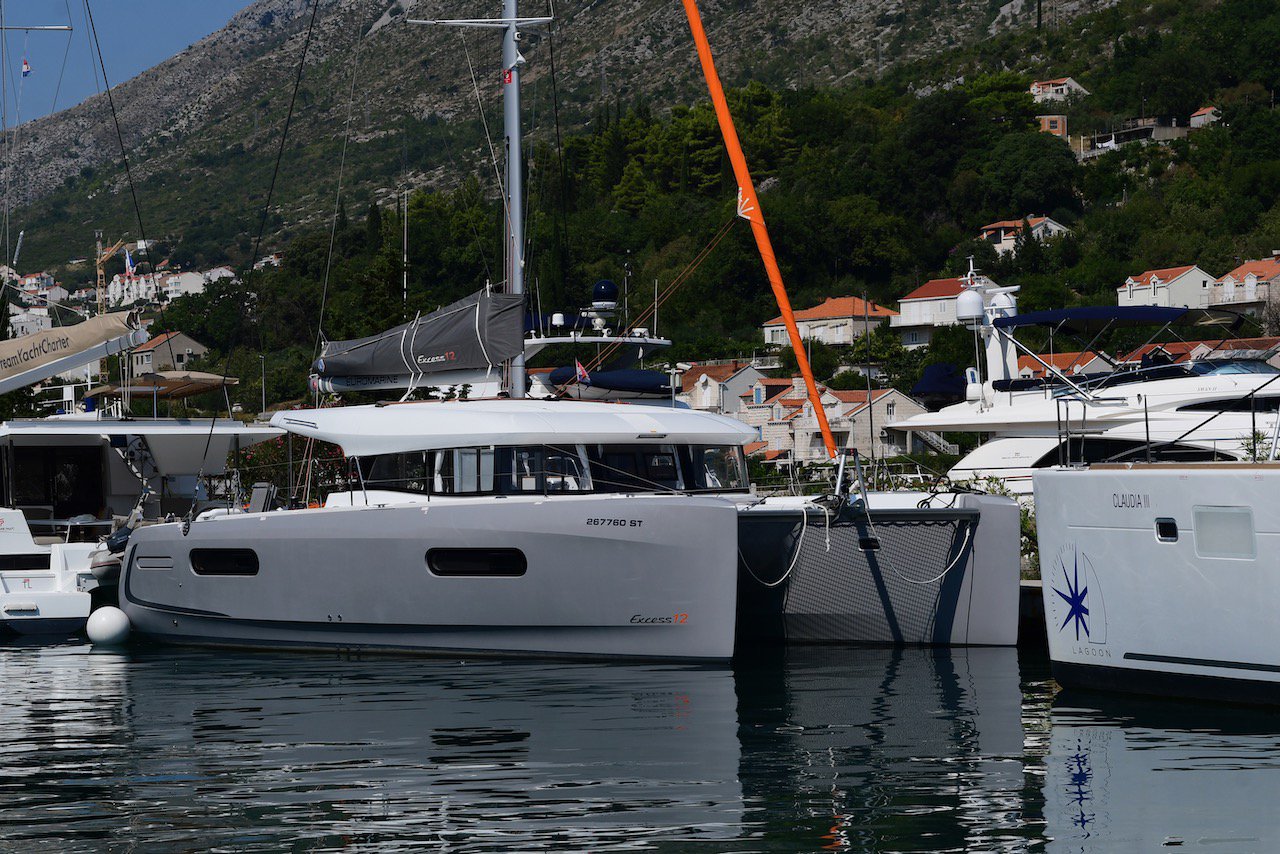 Catamaran
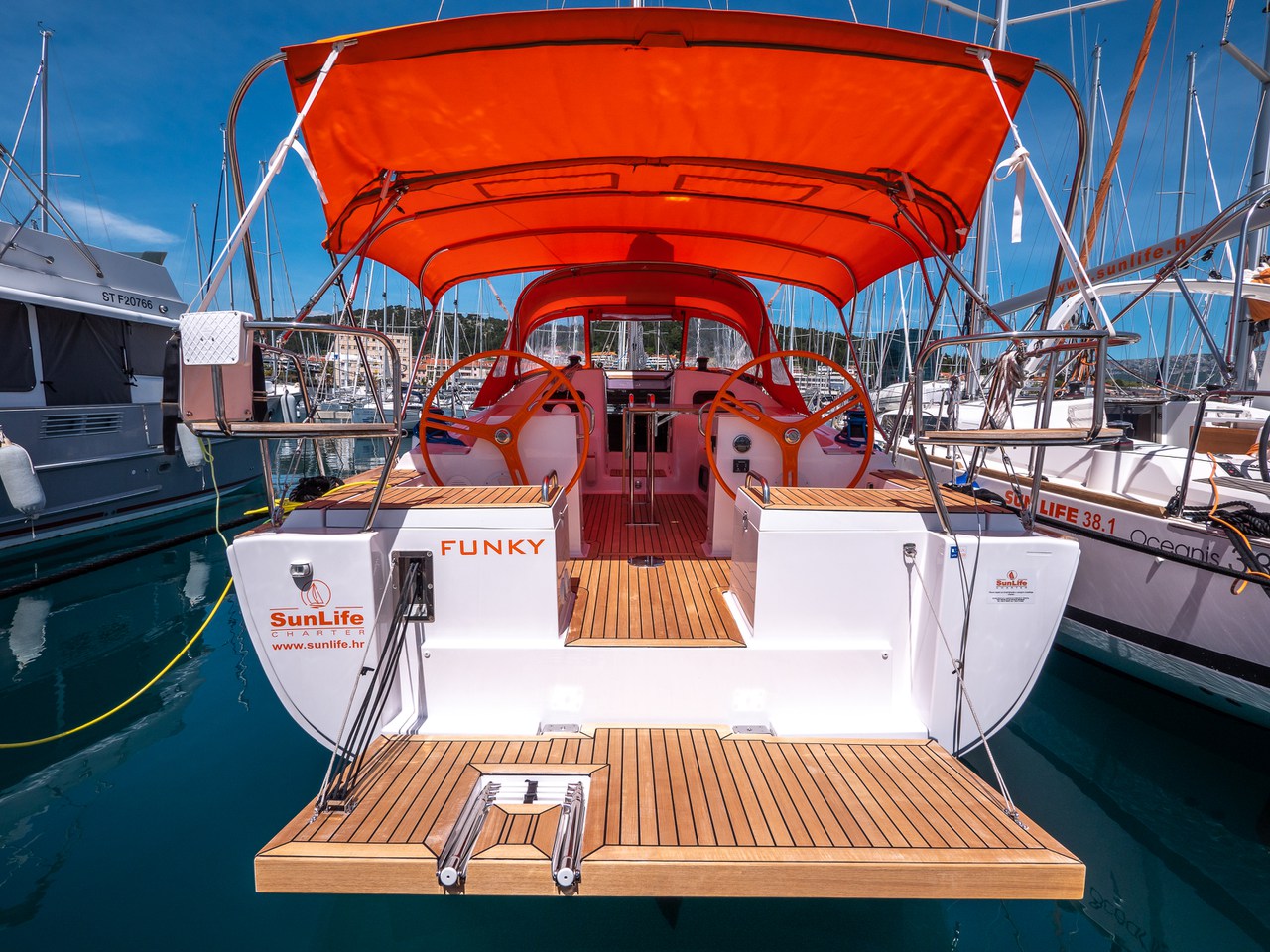
Silver Kiss
Excess 12 - 4 + 1 + 1 cab. · 2022Dubrovnik, Croatia
12 guests4 cabins12 m
€3,990 / week
+ Compare Catamaran
 Monohull
 Catamaran
 Catamaran
 Monohull
 Monohull
 Catamaran
 Catamaran
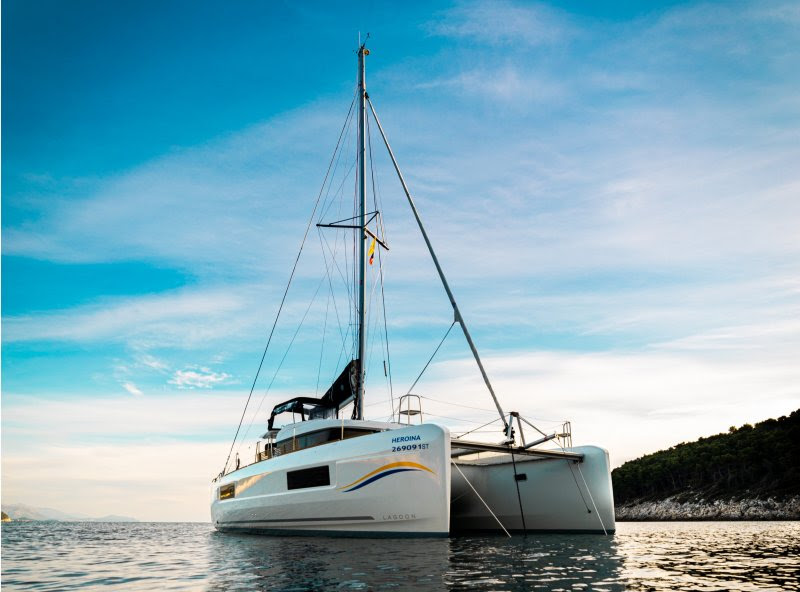
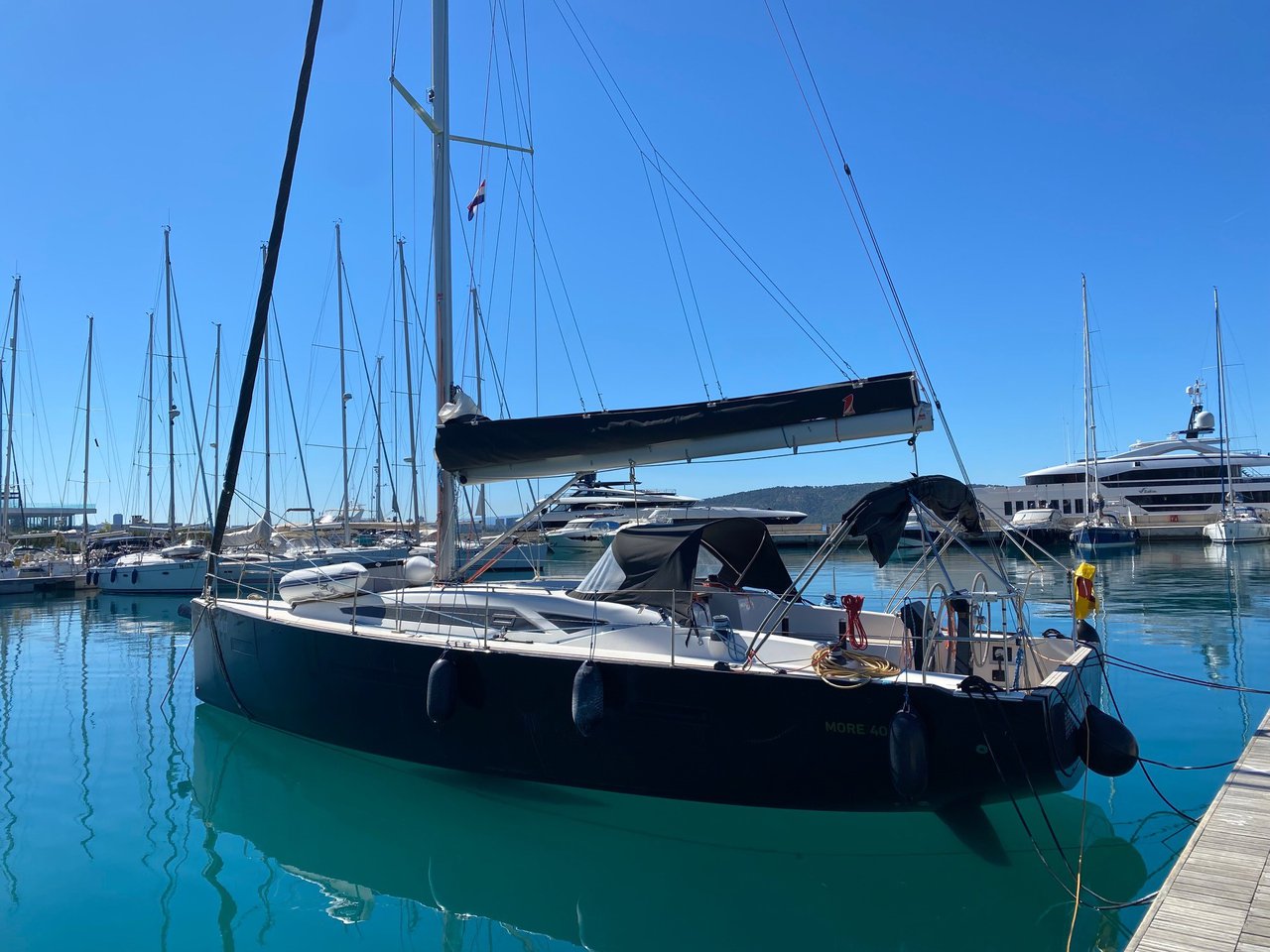
Kiss me twice
Excess 12 - 4 + 2 cab. · 2020Trogir, Croatia
12 guests4 cabins12 m
€2,650 / week
+ Compare Monohull
 Monohull
 Catamaran
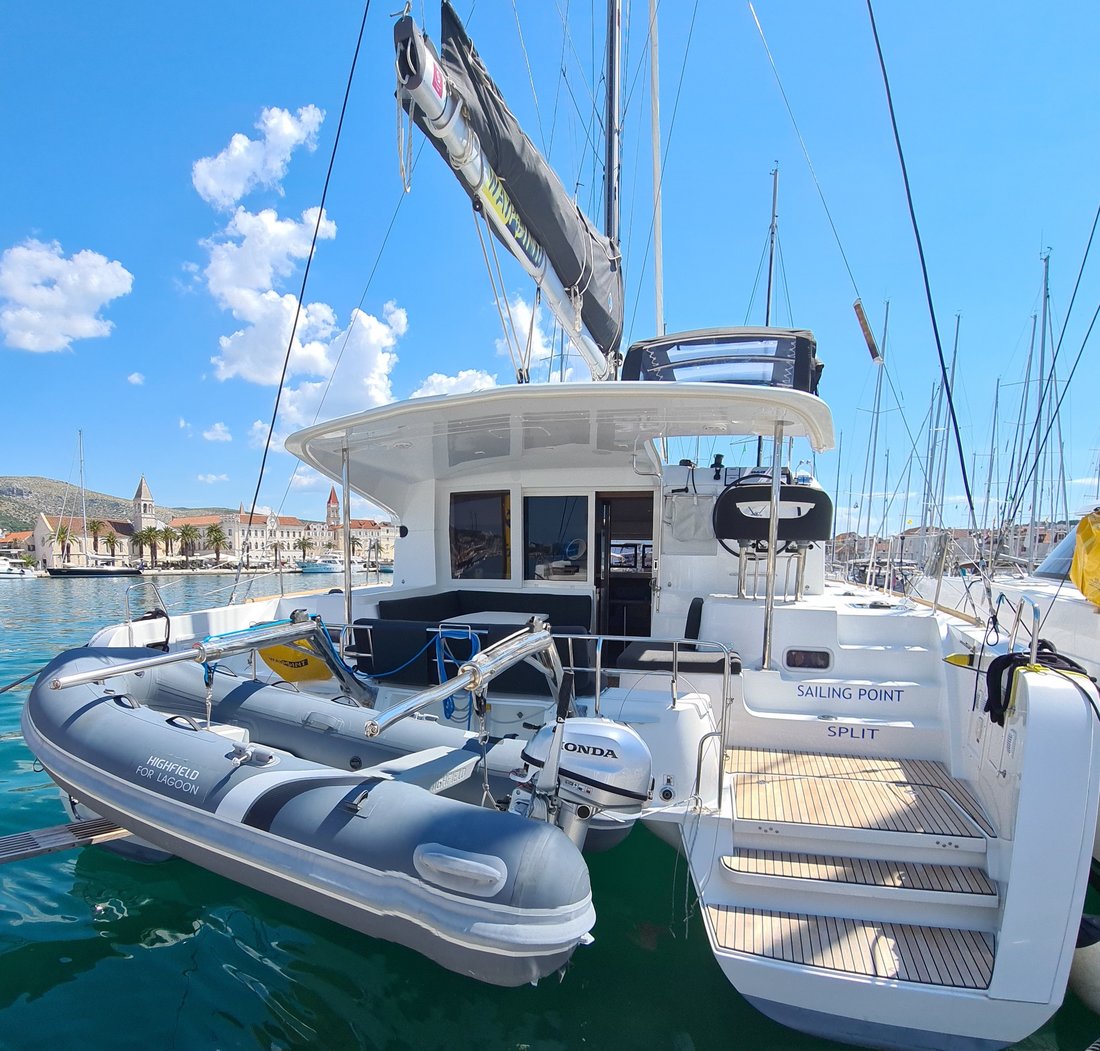
Sailing Point
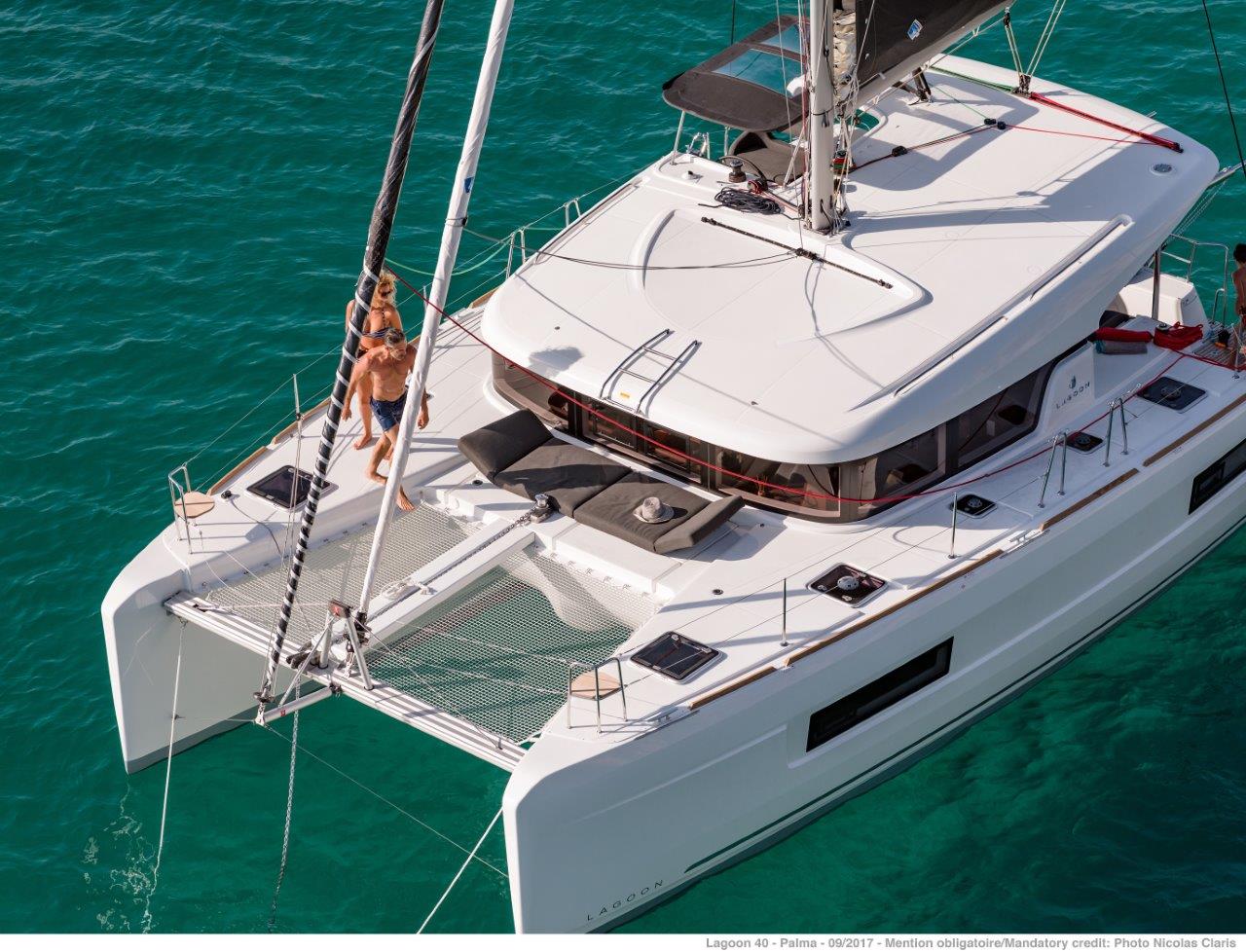
Lagoon 40 - 4 + 2 cab · 2020ACI Marina Trogir, Croatia
12 guests4 cabins12 m
€3,150 / week
+ Compare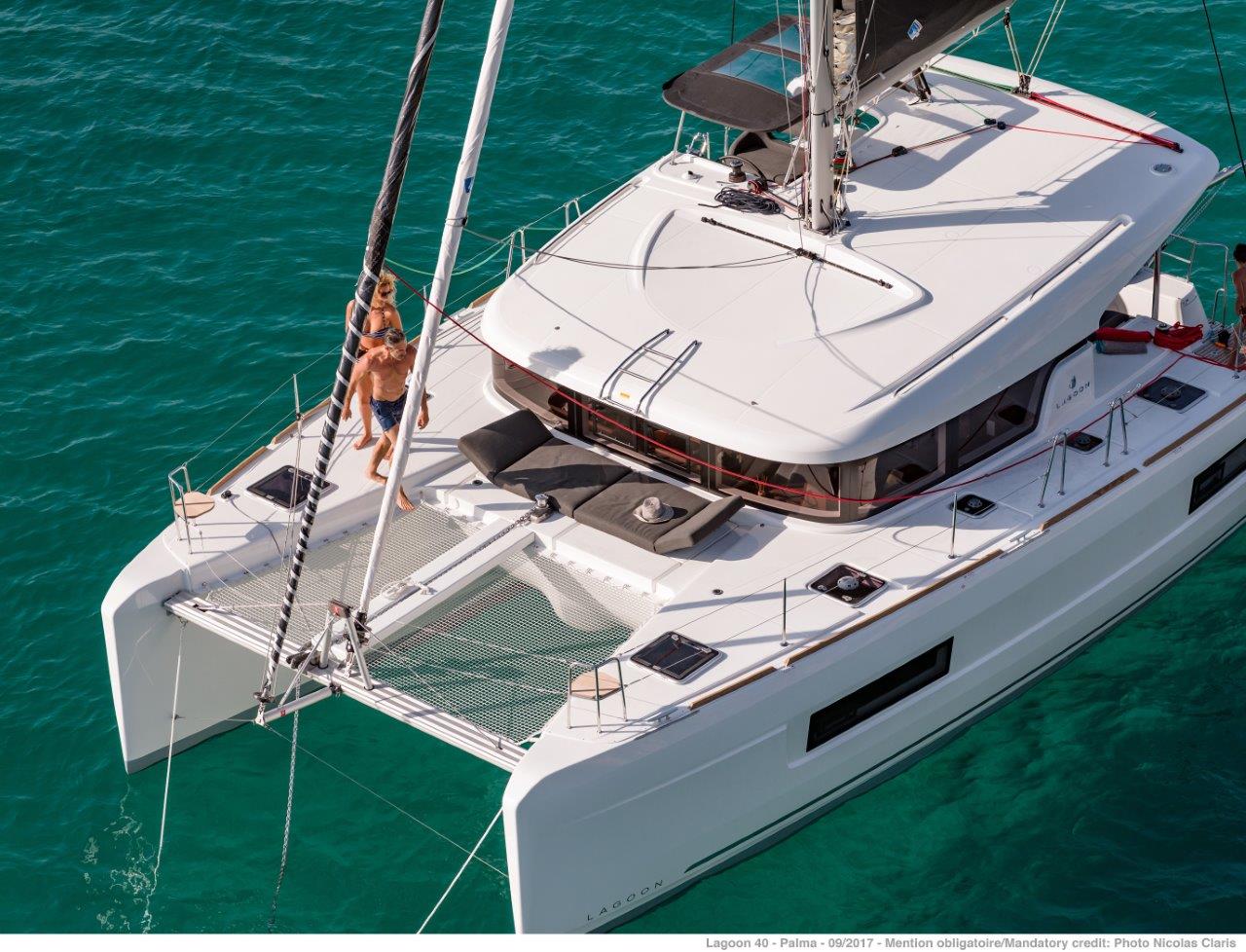 Catamaran
 Catamaran
 Catamaran
 Monohull
 Monohull
 Monohull
 Monohull
 Monohull
 Catamaran
 Monohull
 Catamaran
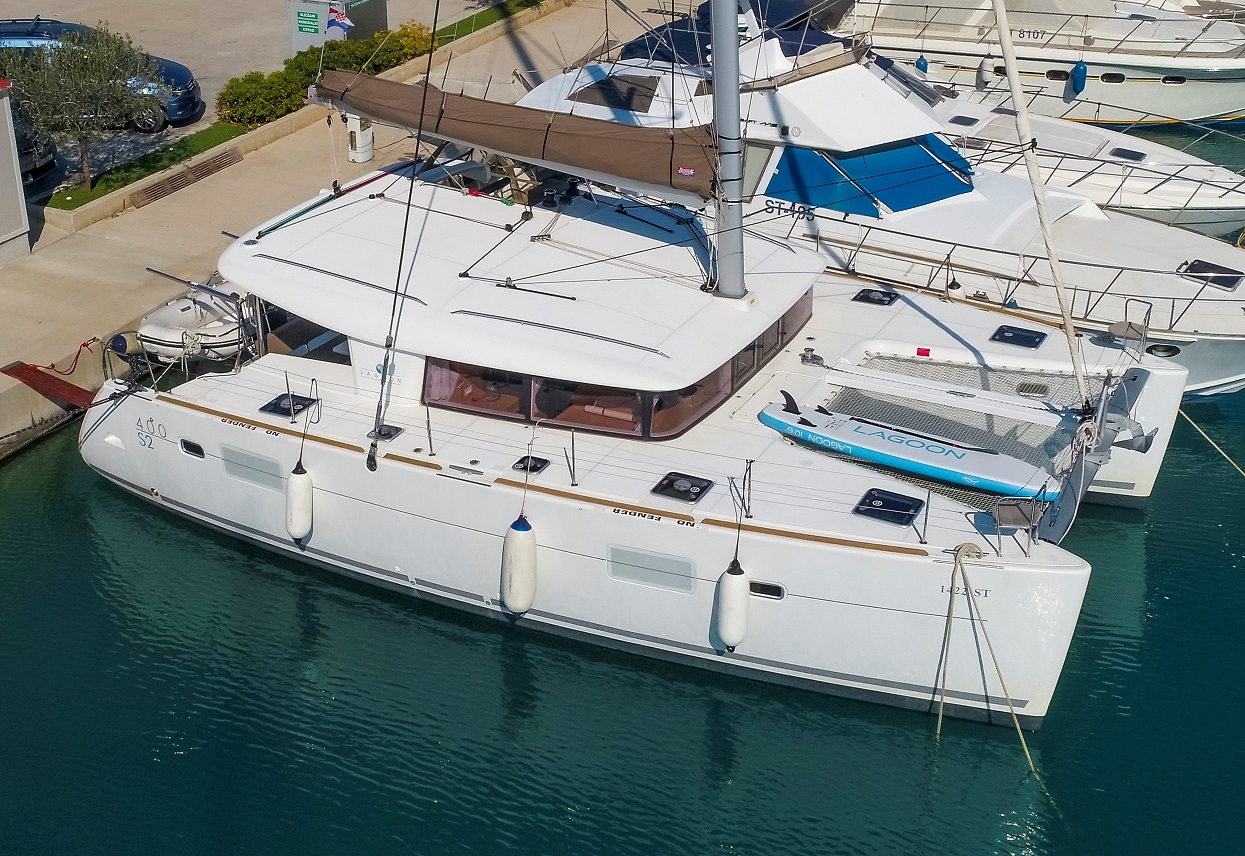
Second Wind
Lagoon 400 S2 - 4 + 2 cab. · 2018ACI Marina Split, Croatia
10 guests4 cabins12 m
€3,600 / week
+ Compare Catamaran
 Monohull
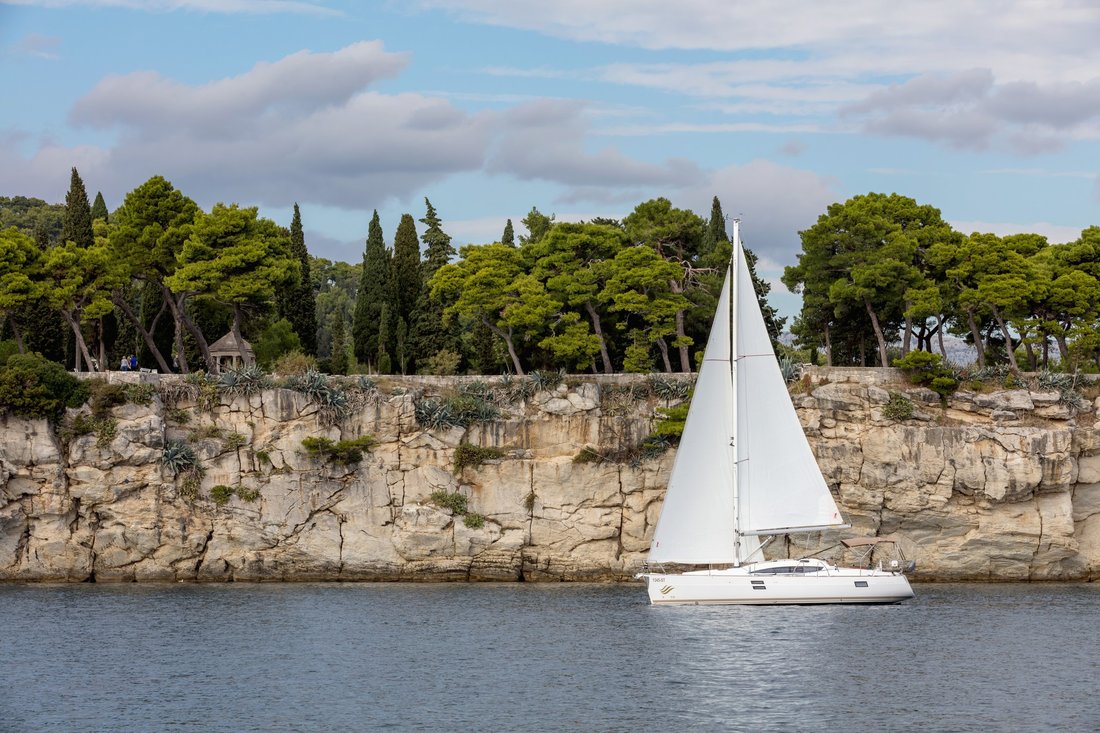 Monohull
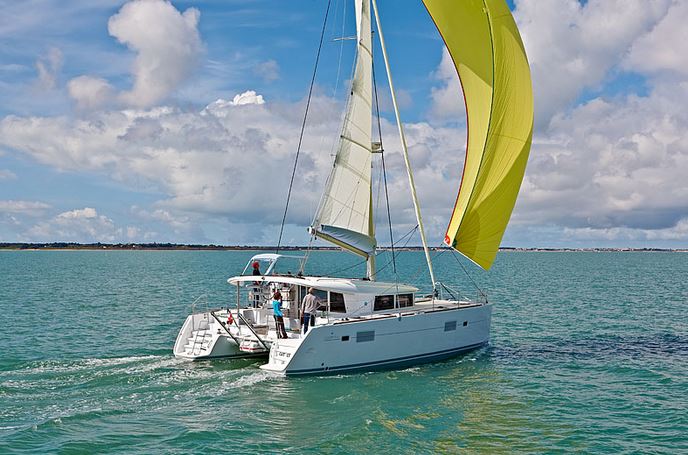 Catamaran
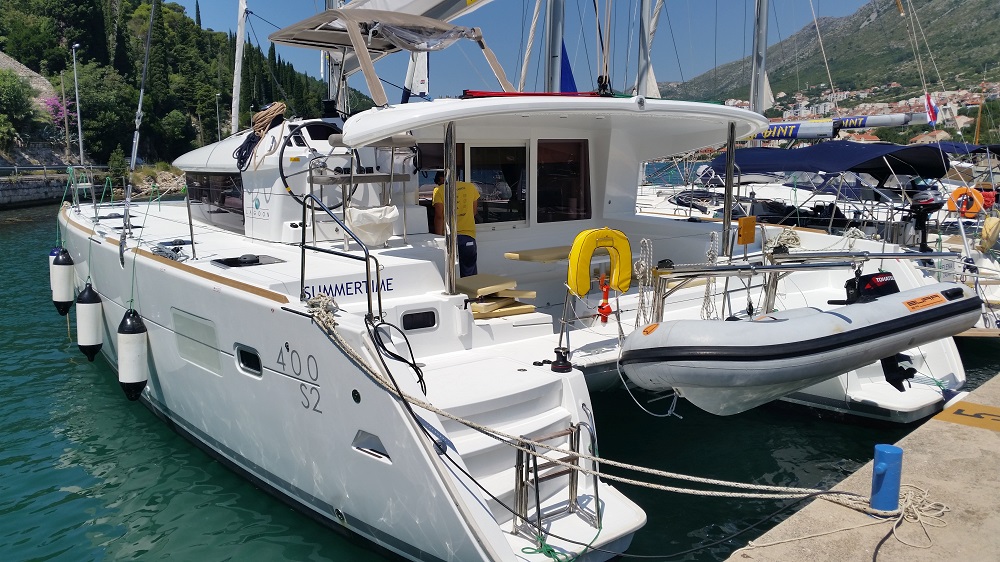 Catamaran
Summertime
Lagoon 400 S2 - 4 + 1 cab. · 2016ACI Marina Trogir, Croatia
11 guests4 cabins12 m
€2,850 / week
+ Compare Motor Yacht
 Catamaran
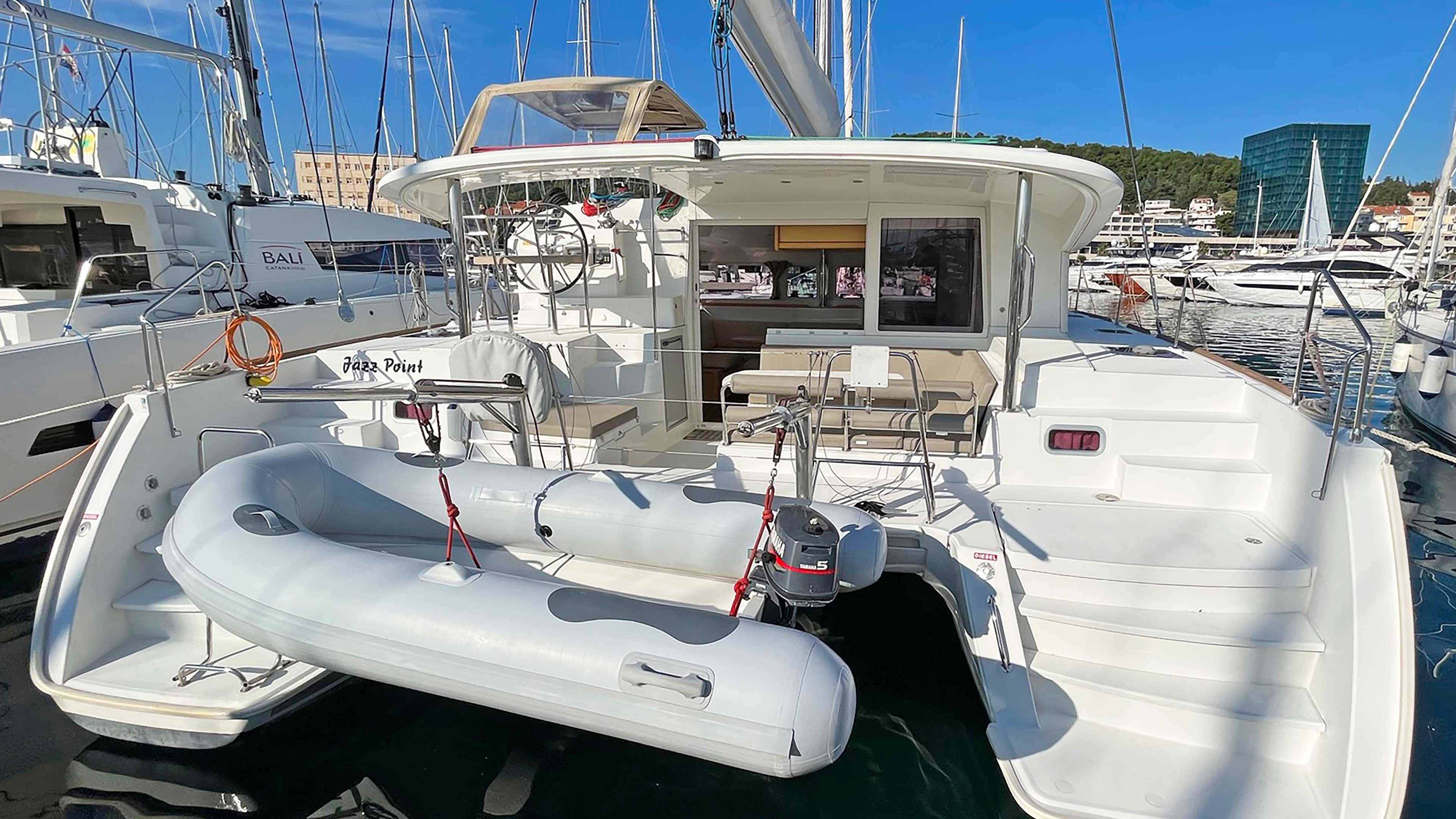 Catamaran
Jazz Point
Lagoon 400 - 4 + 2 cab. · 2012ACI Marina Split, Croatia
10 guests4 cabins12 m
€2,400 / week
+ Compare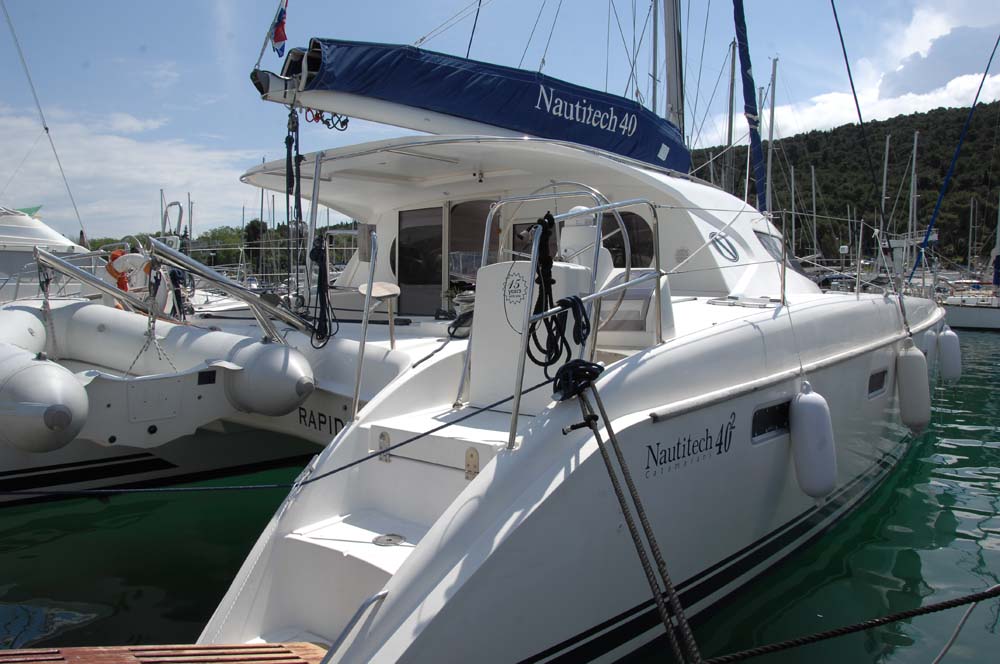 Catamaran
 Monohull
 Motor Yacht
 Motor Yacht
 Motor Yacht
 Motor Yacht
 Monohull
 Motor Yacht
 Monohull
 Monohull
 Catamaran
 Monohull
Anima Maris II
Oceanis 38.1 · 2018ACI Marina Split, Croatia
8 guests3 cabins12 m
€1,700 / week
+ Compare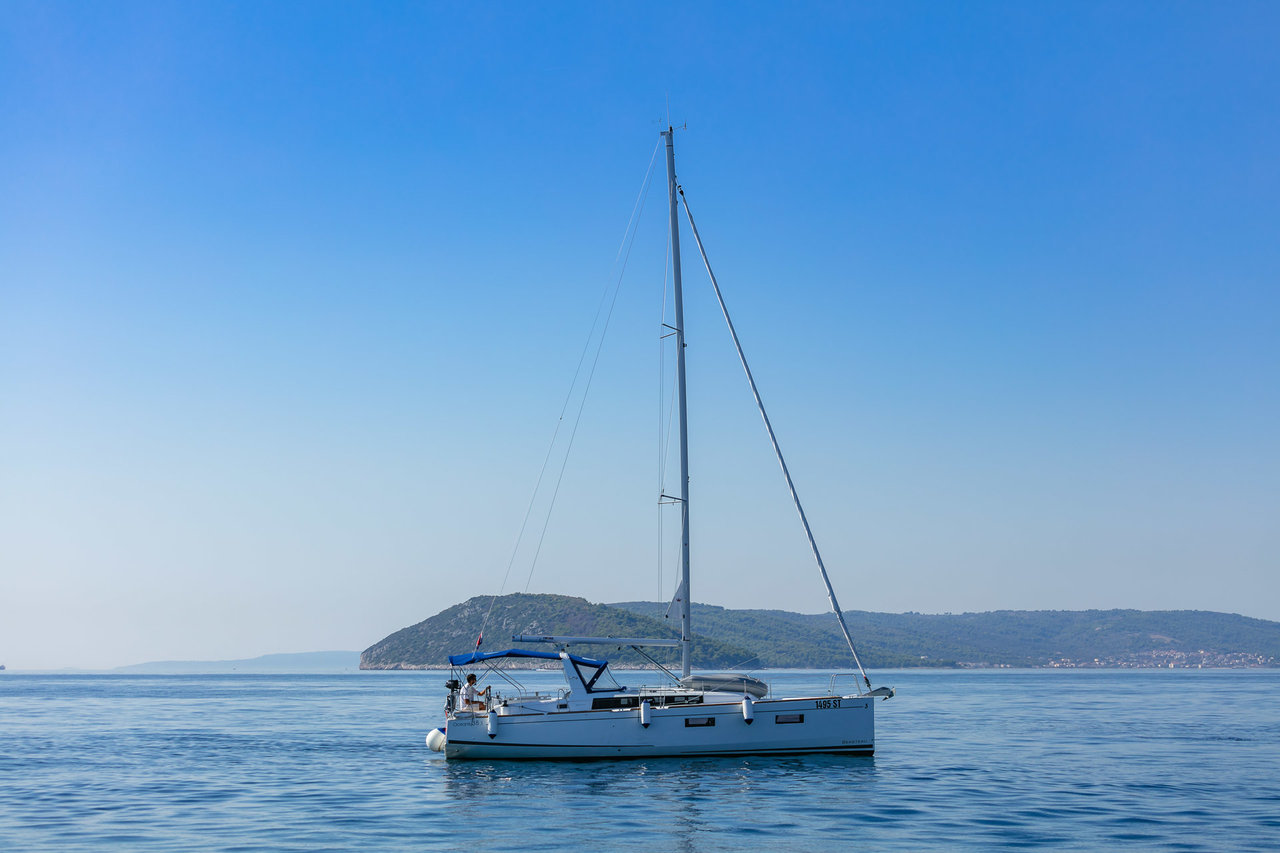 Monohull
Anima Maris III
Oceanis 38.1 · 2018ACI Marina Split, Croatia
8 guests3 cabins12 m
€1,700 / week
+ CompareBy the cabin
Cabin cruises in Split
Scheduled crewed cruises — book by the cabin and share the yacht with a small group.
More cabin cruises
Other departures you can join, wherever you fancy sailing.
 €3,500per person
Croatia and Montenegro Cruise
Naya · crewed
Dubrovnik region, Croatia
7 days · Departs 26 Sept 2026View cabins
 €1,090per person
Modul B - Dufour 460 GL - Athi
Athi · crewed
Šibenik region, Croatia
7 days · Departs 26 Sept 2026 · 21 more datesView cabins
 €1,090per person
Modul B - Dufour 460 GL - Vellamo
Vellamo · crewed
Šibenik region, Croatia
7 days · Departs 26 Sept 2026 · 21 more datesView cabins
 €1,200per person
Sail the Aeolian Islands
Maria Louise II · crewed
Sicily, Italy
7 days · Departs 26 Sept 2026View cabins
 €5,000per person
More Package Greece
Zephyre · crewed
Ionian Islands, Greece
7 days · Departs 28 Sept 2026View cabins
 €3,000per person
Pearl of the Adriatic Cruise
Kaptan Sevket · crewed
Montenegro, Montenegro
7 days · Departs 28 Sept 2026View cabins
Split region questions
Asked and answered.
How much does a yacht charter from Split cost?
It depends on the boat, the season and the week. Low-season monohulls start well below high-summer rates, and catamarans carry a premium. On top of the base fee, budget for fuel, the final clean, tourist tax, marina fees on the popular quays, and a refundable deposit. For an exact figure on a specific boat and dates, message us on WhatsApp and we'll send real numbers.
Do I need a licence to charter a bareboat in Croatia?
Yes. Croatian authorities require the skipper to hold a recognised sailing licence — an ICC or national equivalent — plus a VHF radio certificate. The charter base checks both at handover. If you don't hold a licence or want a steady hand for the first days, you can take a crewed boat or hire a skipper by the day. Tell us what you have and we'll sort it.
When is the best time to sail from Split?
June and September are the sweet spot: warm water, settled weather and fewer boats than peak. July and August are hot, reliable and busy — the town quays fill early, so book ahead and plan to anchor. May and October are quieter and cheaper, with a slightly higher chance of unsettled weather. Whenever you come, the afternoon maestral does most of the sailing work.
Where do charters actually start?
Most boats leave from Trogir, the Kaštela bay just west of Split, or the West Coast quays in Split harbour. All three sit close to Split airport, so transfers are short. Trogir is a walled old town in its own right and a pleasant place to spend the night before you board. We'll confirm your exact base and marina once you've picked a boat.
Is a Split charter suitable for families and first-timers?
Yes. The islands sit close together, the legs are short, and the pilotage is forgiving, so nobody faces long open-water passages. Clear water and easy anchorages make for good swimming stops. First charterers do well here, especially with a skipper aboard for the first day or two. It suits families and mixed-ability crews; less right for those chasing long distance sailing.
How far are the islands from Split?
Close. Šolta is a short hop and makes an easy first night. Brač and Hvar are within a comfortable day's sail, and Vis — the furthest of the usual circuit — is still a manageable leg. You can sail a full week's loop through the islands without a single long open-water passage, which is part of why so many charters base here.
Where do the yachts in Split region sail from?
Boats sailing Split region all year — boats operate from Marina Kastela, ACI Marina Split, Trogir, ACI Marina Trogir, Split, Split Harbour, Marina, Marina Lav - Podstrana, Marina Zenta, Rogač (Šolta), Hvar, Luka Kaštel Stari, Omiš, Kaštel Gomilica, Stobreč, Marina Spinut, Trogir - Luka Trogir, Sumpetar, Marina Vinišće, Krilo Jesenice, Trajektna luka Split and Marina Baska Voda. The fleet list above is live from our operator system, so it always shows what is actually available for your dates.
Bareboat or crewed in Split region?
Both. Bareboat if someone on your crew holds a licence, crewed if you would rather a skipper did the work. Tell us your experience level and we will match you.
How do I get a quote?
Send us your dates, your group and roughly the boat you want. Same day, we reply with real options, real prices and the honest trade-offs.
Talk to an expert
Get three options.
Charter types
Charter types in Split region.
Split region
01Why sail from Split
Split sits in the middle of the Dalmatian coast, which is the practical reason most Croatia charters start here. You step off the plane and you're on the water inside an hour. The islands you actually want to reach — Brač, Hvar, Vis, Šolta — sit within a comfortable day's sail, so you spend your week sailing, not delivering the boat to the good stuff.
The water is clear and deep, the pilotage is forgiving, and the harbours are close together. Diocletian's Palace is worth a morning before you leave: a Roman palace with a working city built inside its walls, not a museum. Then you point south and the islands take over.
Honest note: July and August are busy, and the West Coast quays fill early. If crowds bother you, sail June or September instead.
02The sailing grounds
Most boats leave from Trogir or the Kaštela bay just west of the city, or from the West Coast quays in Split harbour itself. From there the run to Šolta is short — an easy first night for shaking the boat down. Brač is next, with Bol and its shifting pebble spit at Zlatni Rat on the south side.
Hvar is the honeypot: the town quay is lively and often full, but the Pakleni islands just off it give you quiet anchorages a short hop away. Vis is the furthest of the usual circuit and the most rewarding — it was a closed military island until 1989, so it stayed unspoilt. Komiža and Vis town are both good overnight stops, and the Blue Cave on Biševo is worth the early start to beat the tour boats.
Distances are short. You can sail a satisfying loop without ever facing a long open-water leg.
03Season and winds
The charter season runs roughly May to October. June and September are the sweet spot: warm water, settled weather, fewer boats. July and August are hot and busy but reliable.
The wind you'll work with most is the maestral, a thermal north-westerly that builds through the afternoon to 10–18 knots and dies at dusk. It's a friendly, predictable breeze that makes for good sailing and easy evenings on the quay. Watch for the bura, a cold, gusty north-easterly that can come down hard off the mountains — it's less common in high summer but demands respect when forecast. The sirocco brings warm southerly wind and rain from the south. Check the forecast each morning; the local briefings are good.
04Charter types
Both bareboat and crewed charters run out of the Split area, and the fleet here is one of the largest in the Mediterranean. Bareboat suits anyone with the right licence and some coastal miles behind them — the pilotage is forgiving and the marinas are used to charter crews.
Crewed charters make sense if you'd rather not skipper, or want the local knowledge that comes with a captain who's sailed these islands for years. A hostess or cook can be added on the larger boats. If you hold a licence but want a steady hand aboard for the first days, a skipper by the day is an option too. Ask us on WhatsApp and we'll match a boat to your crew and plans.
05What it costs
Charter prices swing hard with season and boat size. A monohull in the low season (May, October) starts lower; the same boat in the first three weeks of August costs a good deal more. Catamarans carry a premium over monohulls of similar length.
Budget beyond the base fee for the things that aren't included: fuel, the end-of-charter clean, tourist tax, and a security deposit held against the boat. Marina and mooring fees add up over a week — reckon on paying to berth in the popular town quays and anchoring free elsewhere. A skipper or hostess is charged per day plus their food. For a firm figure on a specific boat and week, price on request — message us and we'll send real numbers rather than a range you can't book against.
06A sample week
Day 1 — Board in Trogir or Split in the afternoon, provision, and make the short hop to Rogač or Maslinica on Šolta for a quiet first night.
Day 2 — Sail across to Brač. Anchor off Bol or take a berth, and walk out to the Zlatni Rat spit.
Day 3 — Down to Vis, the longest leg of the week but still manageable. Overnight in Vis town.
Day 4 — Early start for the Blue Cave on Biševo before the tour boats, then round to Komiža for lunch and a swim.
Day 5 — North to Hvar and the Pakleni islands. Anchor off Palmižana, dinghy into Hvar town for the evening.
Day 6 — Work back towards Šolta or the Kaštela bay, with a stop for a swim wherever the wind puts you.
Day 7 — Return to base for the morning handover. Adjust the loop to the forecast — the maestral makes some legs easier one way than the other.
07Getting there
Split airport (SPU) sits between the city and Trogir, which is convenient: Trogir's marinas are a short taxi ride away, and Split's West Coast quays are about 25 minutes. There are direct flights from much of Europe in season, with far fewer out of it.
Check-in is usually mid-afternoon on the Saturday and hand-back is Saturday morning, so plan a night ashore either side rather than flying in and boarding the same hour. Bring your licence, an ICC or equivalent, and a VHF certificate for bareboat — the base will want to see them. Provisioning is easy: there are supermarkets near every marina, and you can order a delivery to the boat. Message us on WhatsApp before you travel and we'll confirm exactly what your chosen base needs.
Split region · Croatia
Top 10 things to do in Split region
The ten stops worth planning a charter week around — ranked.
Trogir
A UNESCO-listed old town on its own islet, a short sail west of the Split marinas — most crews make it their first or last night afloat. Stone lanes, a Venetian seafront, and a proper riva where yachts moor stern-to beneath Kamerlengo fortress.
Diocletian’s Palace & the Old Town
Split’s old town is a Roman palace — Diocletian built his retirement complex here in 305 AD and the city simply moved in. Walk the peristyle and the cellars, climb the bell tower of St Domnius, then finish on the Riva, the palm-lined waterfront a few minutes from your berth. Best kept for boarding day or hand-back morning.
Hvar Town & the Pakleni Islands
The Adriatic’s most famous harbour: a fortress above, a Venetian square below, and the pine-covered Pakleni chain scattered just offshore. Anchor off the Paklenis and dinghy across for the evening — the town quay fills by mid-afternoon in season.
Brač & the Zlatni Rat
Brač fills the horizon south of Split, an easy afternoon’s sail out. Bol’s Zlatni Rat — the shifting shingle horn on every Croatian postcard — is the set-piece; the quiet bays and stone villages of the north coast are the reward for staying overnight.
The Blue Cave on Biševo
A sea cave that turns electric blue when late-morning light bounces off the sand below the surface. It sits off Biševo islet beyond Vis — a natural call on the outer-islands leg of a week from Split, reached by a short local transfer boat.
Marjan Hill
The green headland rising straight out of Split’s old town, criss-crossed with paths, chapels and viewpoints. Climb it before you cast off — from the top you can read the whole cruising ground: Brač, Šolta and the channel you’ll sail tomorrow.
Dinner in a konoba
Konobas — family-run taverns grilling the day’s catch — are half the reason to sail this coast. Every island harbour on the route has one worth walking to from the quay; order the black risotto and whatever swam that morning.
The Blue Lagoon (Krknjaši)
Between Drvenik Veli and the Krknjaši islets, six miles from Trogir, the water over the white-sand shallows is genuinely Caribbean-turquoise. Anchor for a long swim at the start or end of the week — mornings and evenings are yours; midday belongs to the tripper boats.
Krka National Park by way of Skradin
Sail north and work your way up the Krka river to Skradin, gateway to the Krka waterfalls — terraced cascades pouring through a green canyon. The classic add-on to a northern loop from Split, and a rare chance to trade salt water for fresh.
Vis: Komiža & Stiniva
The furthest inhabited island out, closed to visitors for decades as a military zone — which is exactly why sailors love it now. Overnight in Vis Town or Komiža’s fishing harbour, and time your approach past Stiniva cove, where cliffs almost close over a shingle beach reachable only from the sea.