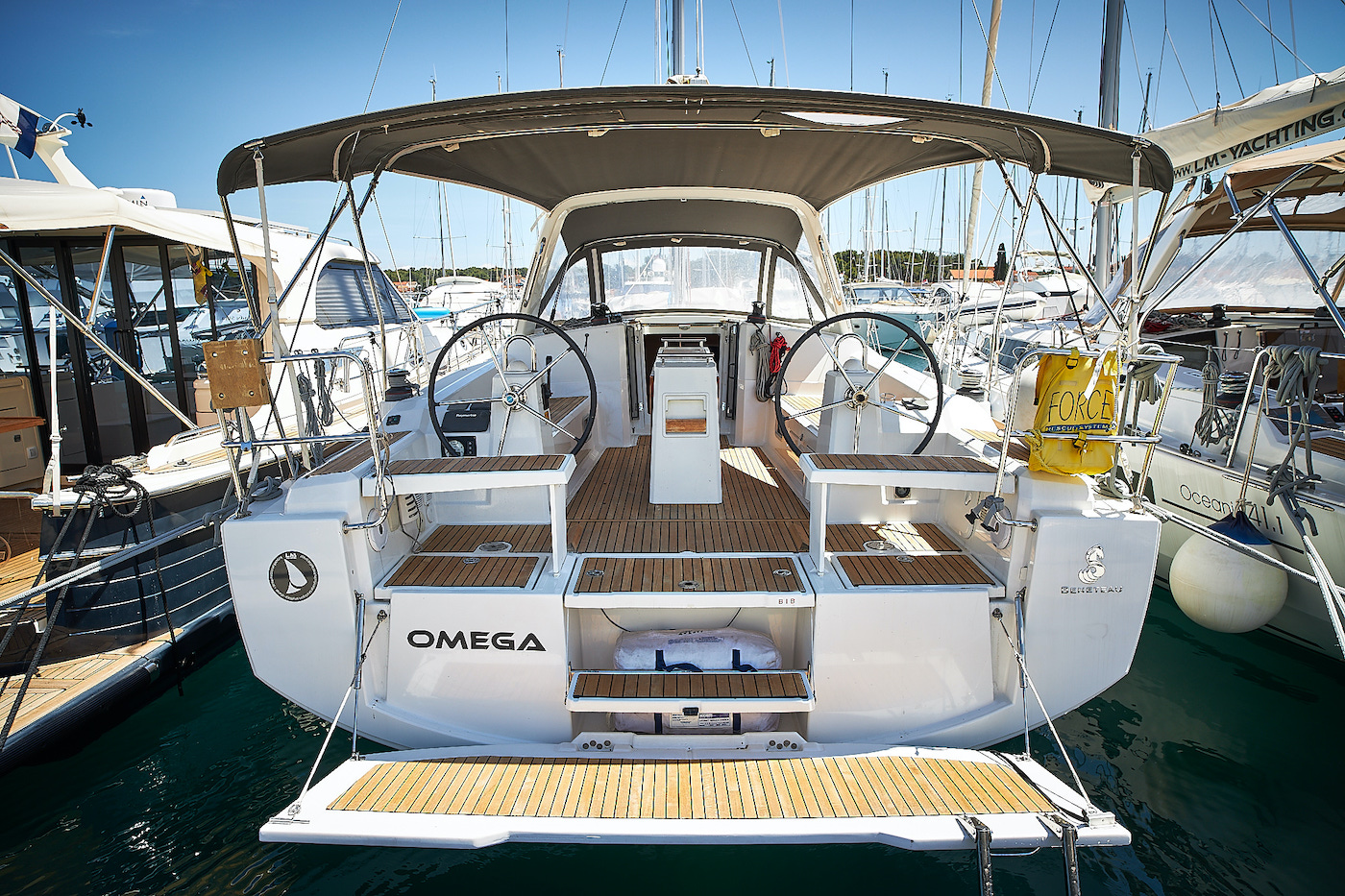
 Monohull
Sail Kornati Islands.
Live fleet
Monohull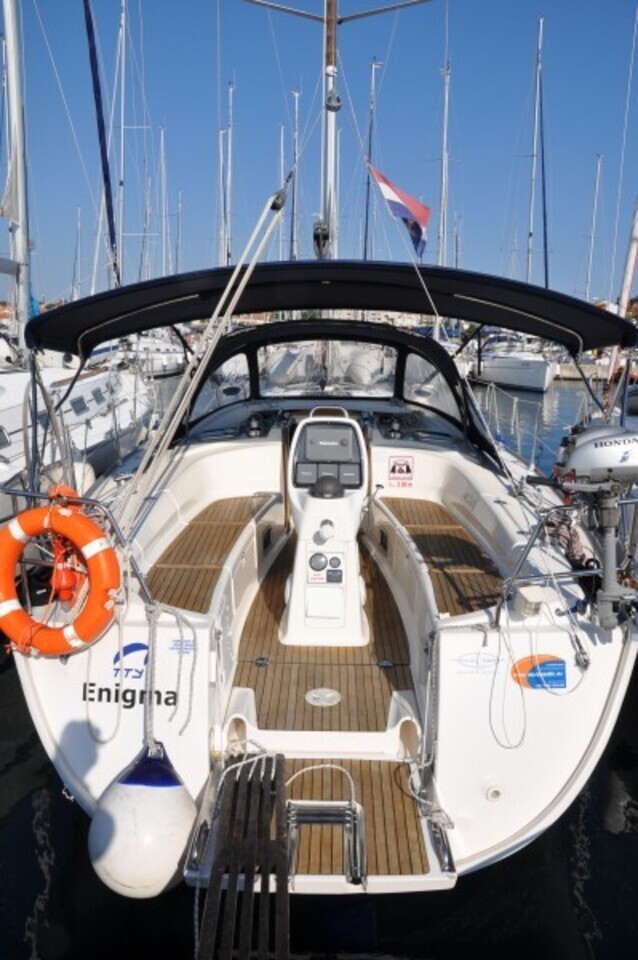 Monohull
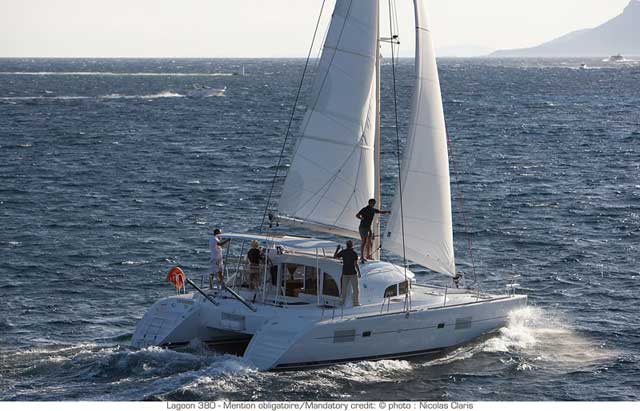 Catamaran
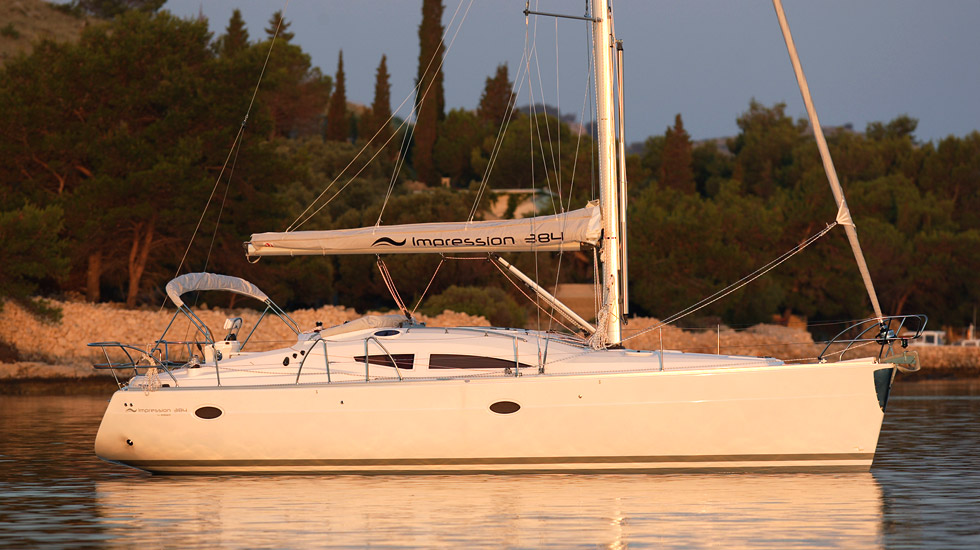 Monohull
 Motor Yacht
 Monohull
 Monohull
 Monohull
 Monohull
 Monohull
 Monohull
 Monohull
 Monohull
 Monohull
 Monohull
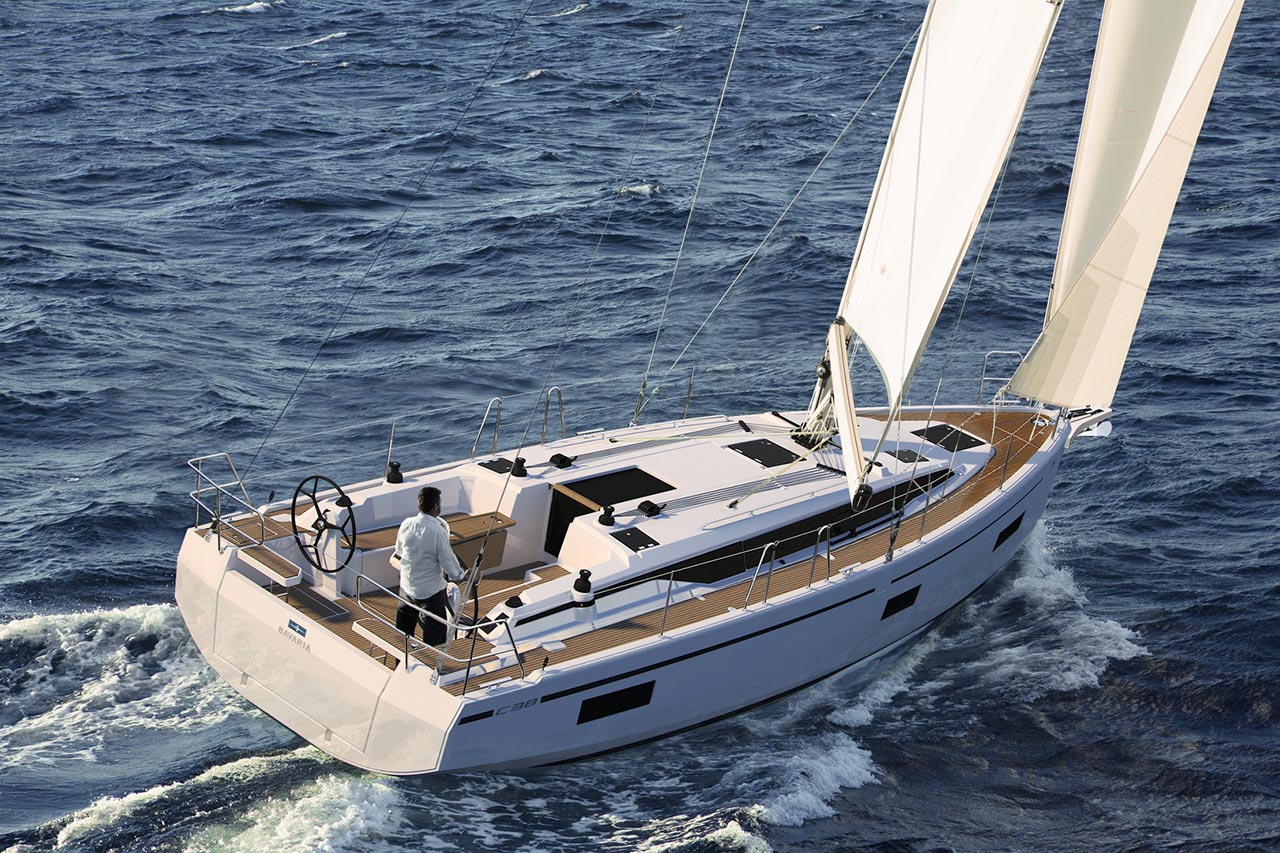
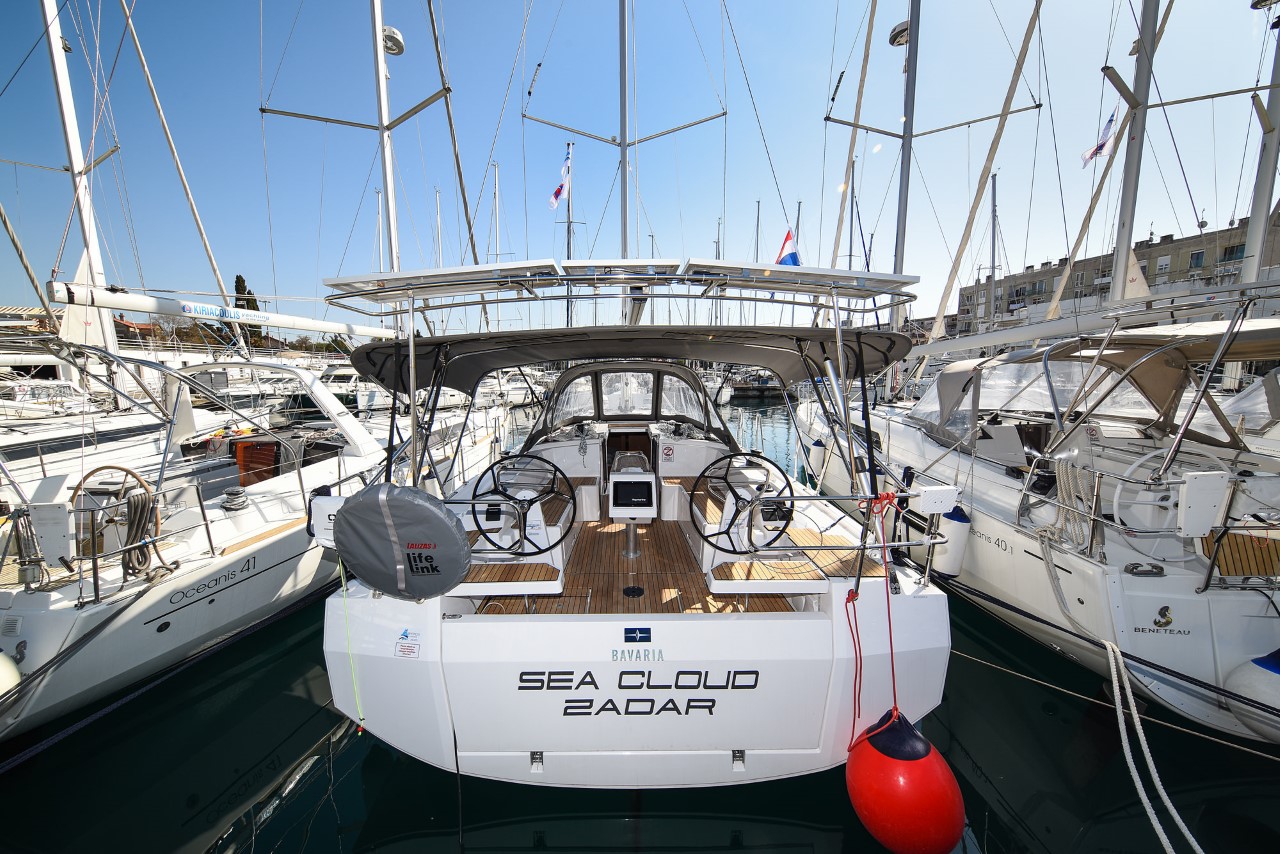
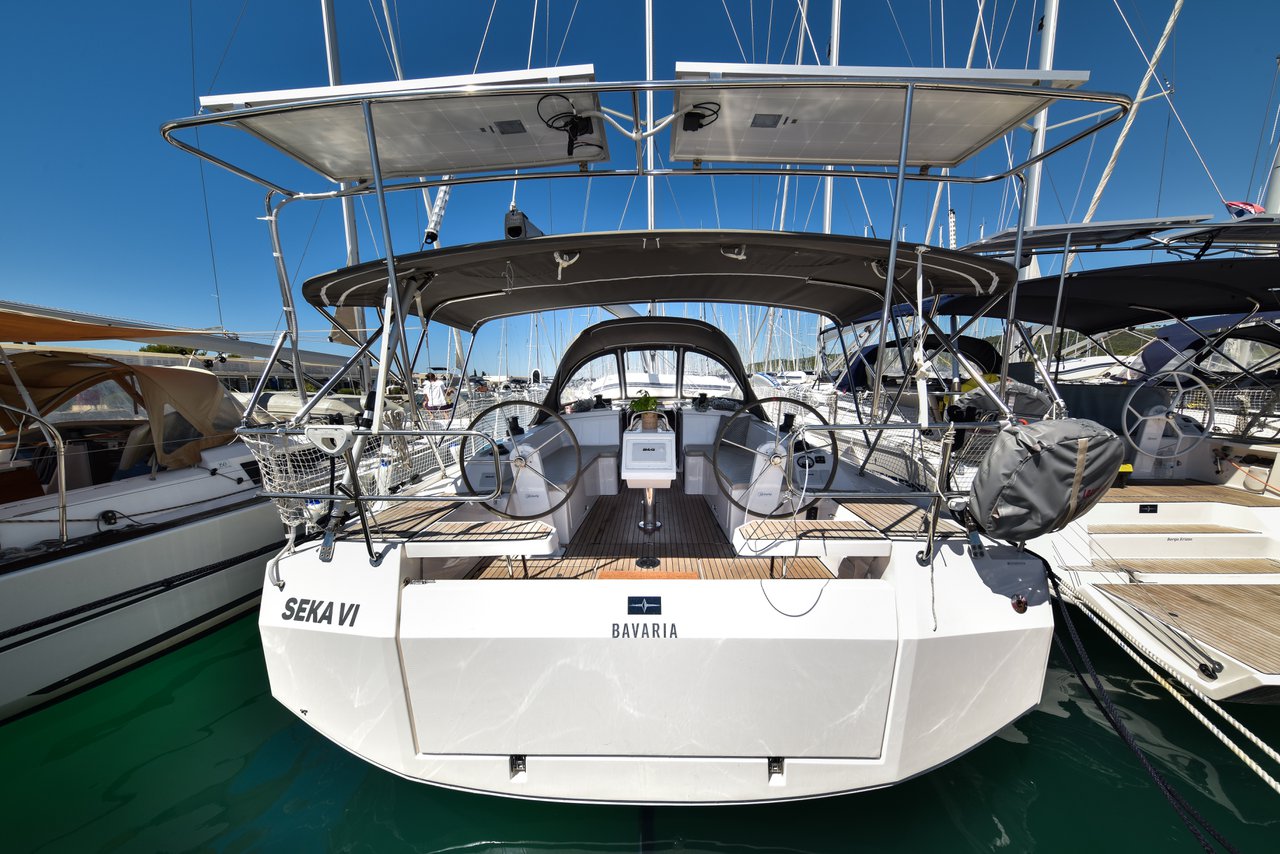
Windchaser
Bavaria C38 · 2024Marina Zadar (ex. Tankerkomerc), Croatia
8 guests3 cabins11 m
€1,700 / week
+ CompareMonohull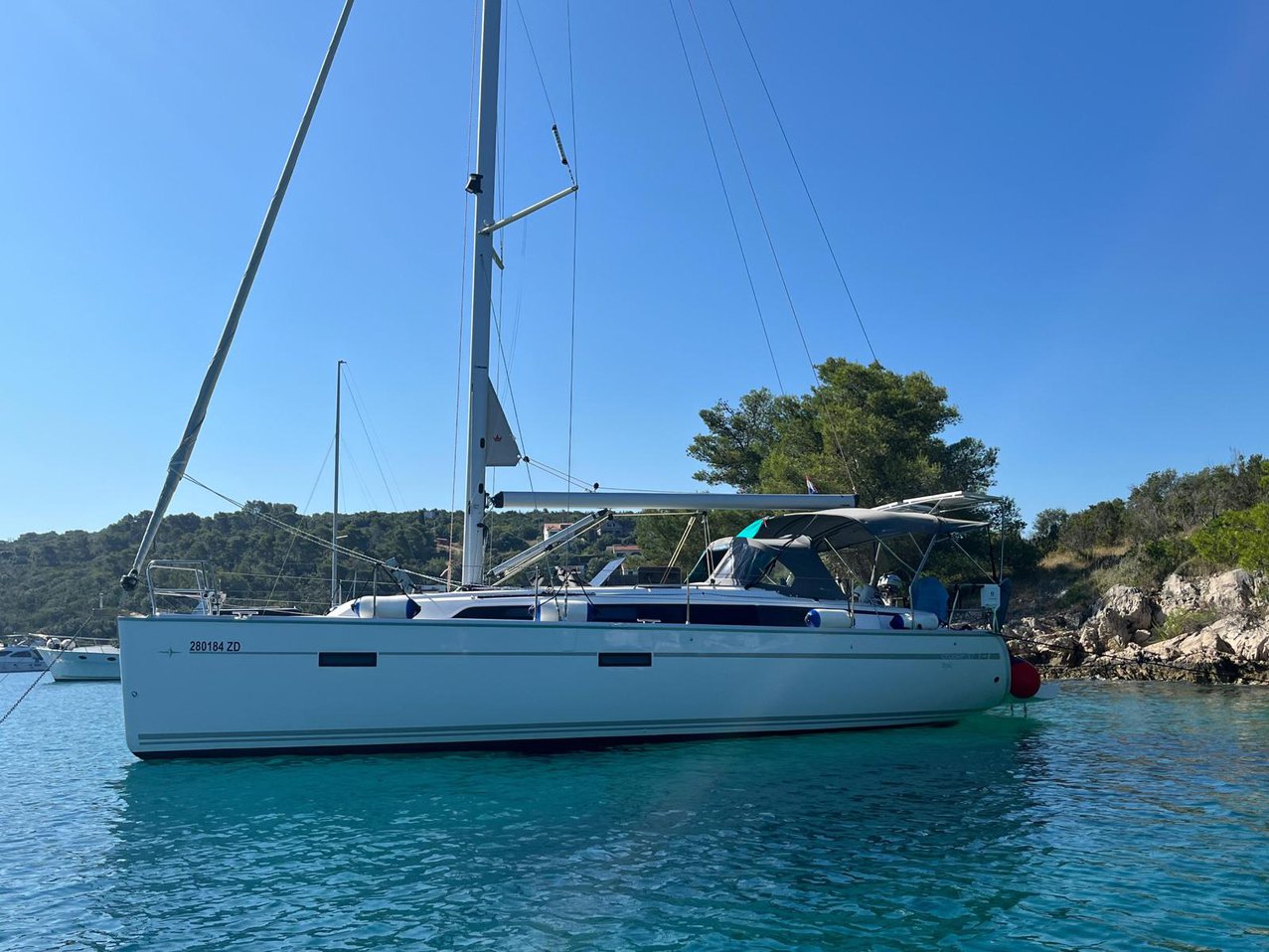 Monohull
 Monohull
 Monohull
 Monohull
 Monohull
 Motor Yacht
 Motor Yacht
 Monohull
 Motor Yacht
 Monohull
 Motor Yacht
 Monohull
 Monohull
 Monohull
 Monohull
 Monohull
 Monohull
 Motor Yacht
 Monohull
 MonohullMonohull
 Monohull
 Monohull
 Monohull
 Monohull
 Monohull
 Monohull
 MonohullMonohull
 Monohull
 Monohull
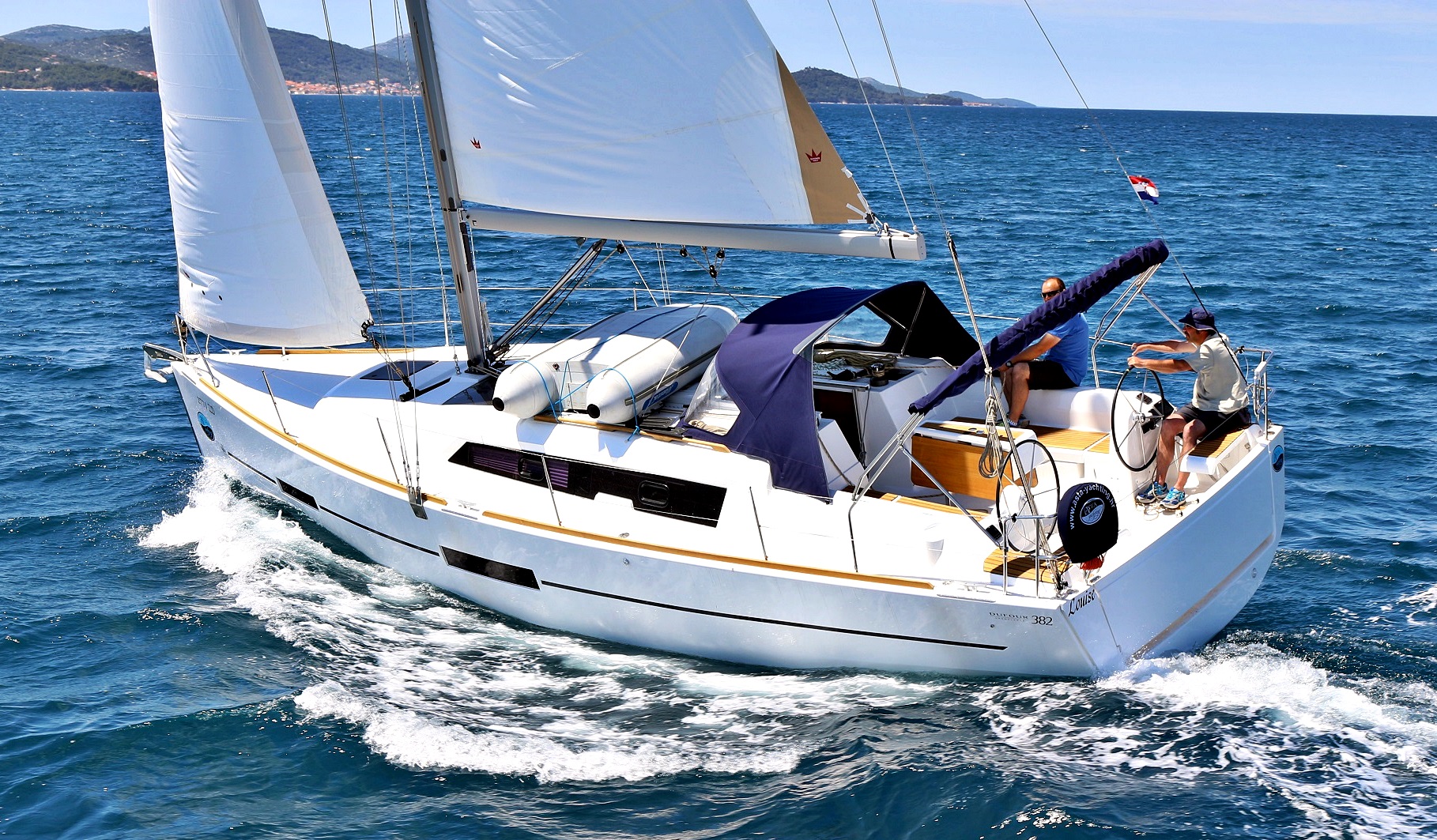 Monohull
Kornati Islands questions
Asked and answered.
What does a Kornati charter cost for a week?
A 40 to 45ft monohull is usually €2,000 to €3,500 per week in May, June, September and October, and €3,500 to €6,000 in July and August. Catamarans cost more. On top of the boat, budget for fuel, end cleaning, tourist tax, a refundable deposit and the national park tickets, which are priced per vessel per day by length. Message us on WhatsApp for a live quote.
Do I need a licence to charter a yacht in the Kornati?
For bareboat, yes — a recognised skipper's licence and a separate VHF radio operator's certificate. Croatia enforces both and the base checks originals at handover, not copies. If your qualification was issued outside the EU or looks unusual, send us a photograph before you book and we will confirm whether it is accepted. Without the tickets, take a skipper: on these islands it is money well spent anyway.
When is the best time to sail the Kornati?
June and September. The maestral fills in most afternoons at 10 to 18 knots, the water is warm, and the buoy fields are not full by five o'clock. July and August sail well but are hot and busy. May and October are quieter and cheaper, with a real chance of bura — a fast, gusty north-easterly off the mountains that wants respect and a weather check every morning.
Where do Kornati charters start from?
The Kornati have no charter base of their own, so yachts sail the area from the Zadar-area bases — Sukošan, Zadar and Biograd. From there the park boundary is 20 to 25 NM, comfortable in an afternoon, and Telašćica on Dugi Otok is a natural first or last stop. Zadar airport is 20 to 30 minutes from the marinas and takes direct European flights through the season.
Is the Kornati archipelago good for families?
Yes, if the week is built around swimming. Passages are short, often an hour or two, the bays are sheltered and the water is clear and shallow at the edges. The trade-off is that there is nothing ashore — no shops, no playgrounds, few restaurants beyond the konobas that run the mooring buoys. Catamarans work well for families here and get booked first, so plan early.
Do I have to pay to enter Kornati National Park?
Yes. The park charges per vessel per day, priced by boat length, and tickets bought in advance cost less than those bought from a ranger boat. Mooring buoys inside the park are billed separately per night. Telašćica is a different protected area with its own ticket. Tariffs are reset each season, so we confirm current figures when we quote rather than publish a number that goes stale.
Can I anchor freely, or must I use mooring buoys?
Inside the national park, most of the usable bays are laid with buoys and free anchoring is restricted to protect the seabed. In practice you pick up a buoy, pay the fee, and often eat at the konoba that maintains it. Outside the park — Žut, Dugi Otok, the Iž channel — anchoring is normal. Buoy fields fill by late afternoon in August, so arrive early.
Can I charter a yacht in Kornati Islands?
Yes — yachts serving Kornati Islands sail from nearby Zadar bases, and the fleet list above is live from our operator system. Tell us your dates and we will match you to the right boat.
Bareboat or crewed in Kornati Islands?
Both bareboat and crewed yachts sail this coast. Tell us your experience level and we will match you.
How do I get a quote?
Send us your dates, your group and roughly the boat you want. Same day, we reply with real options, real prices and the honest trade-offs.
Talk to an expert
Get three options.
Kornati Islands
01Why sail here
The Kornati are stone. Sheep stripped the islands bare centuries ago and the drystone walls still run over the ridges like seams, dividing pasture that no longer exists. There are no towns, no shops, no cash machines. Most of the year there is almost nobody.
What you get instead is water. Clear enough at anchor to read the chain on the seabed, and a chain of islands close enough together that a passage between bays is an hour, not a day.
This is the wildest sailing in Croatia, and the emptiest. It suits people who came for the boat rather than for the bars. If your week needs restaurants with menus in four languages and a nightlife strip within walking distance, sail Hvar instead and come here for two nights of it.
02The sailing ground
Kornati National Park covers 89 islands, islets and reefs across roughly 220 square kilometres. Kornat itself is the long spine of it, about 25km end to end, with the outer islands taking the open swell from the south-west.
The useful bays sit on the inside. Lavsa is the classic first night — a near-enclosed pool with buoys and a konoba ashore. Levrnaka and Opat are the same idea with a different view. Vrulje is the largest settlement in the park, which means a handful of houses. Piškera and Žut both have small marinas with proper pontoons, water and power, and Žut sits just outside the park boundary, which matters for tickets.
North of the park, Telašćica cuts into Dugi Otok — a deep, protected inlet with cliffs rising to 161m at the outer end and Mir, a warm salt lake, a ten-minute walk over the ridge. Telašćica is a separate nature park with its own ticket. Most weeks include it.
03Season and wind
The season runs May to October. July and August are hot, busy and reliably breezy in the afternoon; May, June and September are the better sailing.
The summer pattern is the maestral: a thermal north-westerly that fills in around midday and blows 10 to 18 knots until early evening, then dies. It makes for excellent afternoon reaching and predictable planning — sail after lunch, anchor before six.
The bura is the one to watch. A north-easterly that falls off the Velebit mountains, it arrives fast and gusts hard, and it is far more common in the shoulder months and autumn than in midsummer. In the Kornati channels it comes in violent bursts rather than a steady blow. The jugo, from the south-east, builds over a day or two and brings rain and swell into the exposed western bays.
Water temperature is comfortable from June and reaches the mid-20s in August.
04Charters and boats
The Kornati have no charter base of their own. Yachts sail the area from the Zadar-area bases — Sukošan, Zadar itself and Biograd — which puts the park boundary 20 to 25 NM away, an easy half-day under sail.
Bareboat is the default for anyone with the tickets and the miles. Monohulls in the 40 to 50ft range are the workhorses here; catamarans suit families and shallow anchoring, and are worth booking early because there are fewer of them.
Skippered charter is common, and worth it in the Kornati specifically — the buoy fields, the park rules and the bura all reward local knowledge. A skipper sleeps aboard and needs a berth, so factor that into cabin maths. Crewed charter with a cook is available on the larger boats. Crew details on request.
05What it costs
A week on a 40 to 45ft monohull typically runs €2,000 to €3,500 in the shoulder months and €3,500 to €6,000 in July and August. Catamarans sit higher. Age, engine hours and equipment move the number more than the length does.
A skipper is usually €200 to €250 per day plus provisions. Security deposits generally fall between €1,500 and €3,500, refundable, and are often replaceable with a damage waiver.
Then the park. Kornati National Park charges per vessel per day, priced by length, and it is cheaper bought in advance than at the boat. Mooring buoys inside the park are billed separately per night, again by length. Telašćica charges its own ticket. The tariffs are reset each season, so we quote them live rather than print them here — price on request over WhatsApp.
Budget also for fuel, end cleaning, tourist tax of a few euros per person per night, and the konoba dinners, which are the point.
06A week that works
Day 1 — Board at Sukošan or Zadar in the afternoon. Short hop out to Veli Iž or the Rava anchorages, roughly 12 NM, so you wake up already out of the marina.
Day 2 — Down the Iž channel to Telašćica, about 15 NM. Anchor in Uvala Mir, walk over to the salt lake, then along the ridge to the cliffs.
Day 3 — Round into the park proper. Lavsa or Levrnaka, 8 to 12 NM. Take a buoy, eat ashore, swim before breakfast.
Day 4 — South along Kornat to Opat at the bottom end, or across to Smokvica. Under 10 NM, so make the day about the water rather than the passage.
Day 5 — Back north through the inside channel to Piškera, then across to Žut, roughly 12 NM. Žut has pontoons if you want a shower and a shore power cable.
Day 6 — Long-ish leg north, around 20 NM, to Sali on Dugi Otok or back to Iž. This is where the maestral pays you.
Day 7 — Return to base, 15 to 20 NM, arriving by late afternoon for handover the following morning.
07Getting there and paperwork
Zadar airport takes direct flights from most of northern Europe through the season and sits about 20 minutes from the city, 30 from Sukošan. Split airport is the fallback, roughly 2 hours by road. Ferries and buses connect Zadar to the rest of the coast.
For bareboat you need a recognised skipper's licence and a VHF radio certificate — both, not one. Croatia is strict about this and the charter base will check the originals at handover. If your certificate is unusual, send us a photograph beforehand and we will confirm whether it clears.
Provision in Zadar, Sukošan or Biograd before you leave, and top up in Murter or Sali if you are passing. Inside the park there is no supermarket, water is limited and the phone signal is patchy on the outer islands.
Right for confident bareboat crews, families who want swimming over sightseeing, and anyone who would rather anchor than moor stern-to in a crowd. Less right for a week built around restaurants and towns. Message us on WhatsApp with your dates and crew and we will tell you honestly whether the week you want is the week you will get.