 Monohull
Sail Istra.
Live fleet
Monohull Monohull
 Monohull
 Monohull
 Monohull
 Monohull
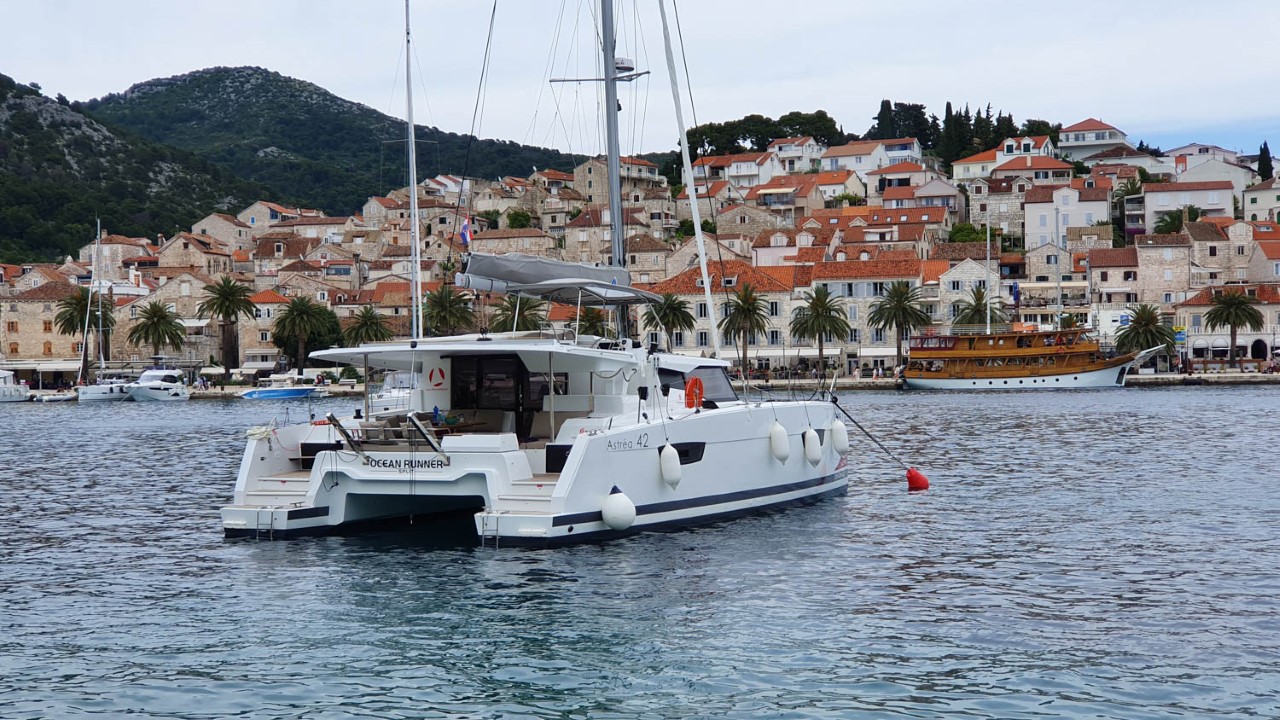 Catamaran
Ocean Runner
Fountaine Pajot Astrea 42 - 4 + 2 cab. · 2019Pula, Croatia
12 guests4 cabins12 m
€4,100 / week
+ Compare Catamaran
 Catamaran
 Monohull
 Monohull
 Monohull
 Monohull
 Monohull
 Monohull
 Monohull
 Motor Yacht
 Monohull
 Monohull
 Motor Yacht
 Monohull
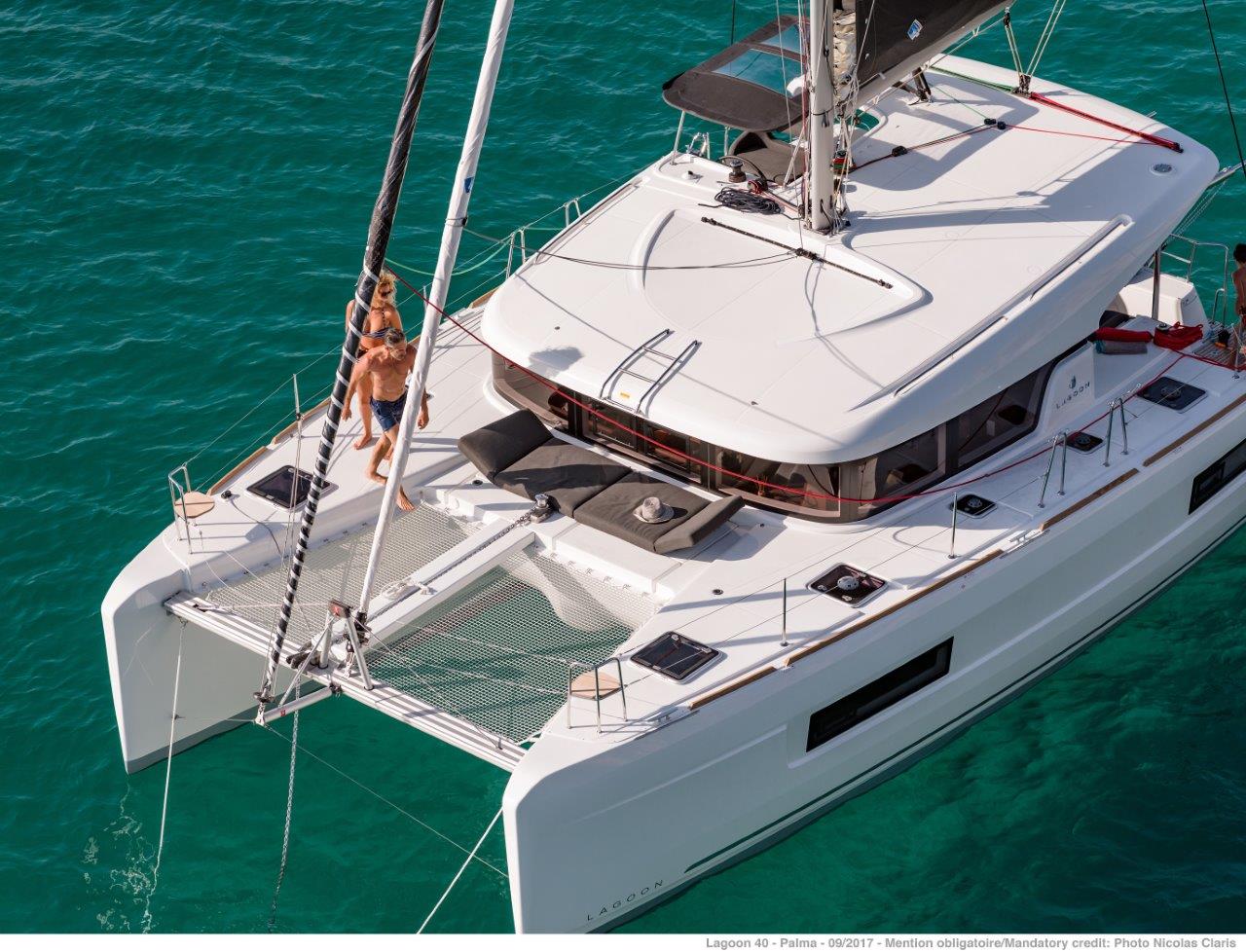 Catamaran
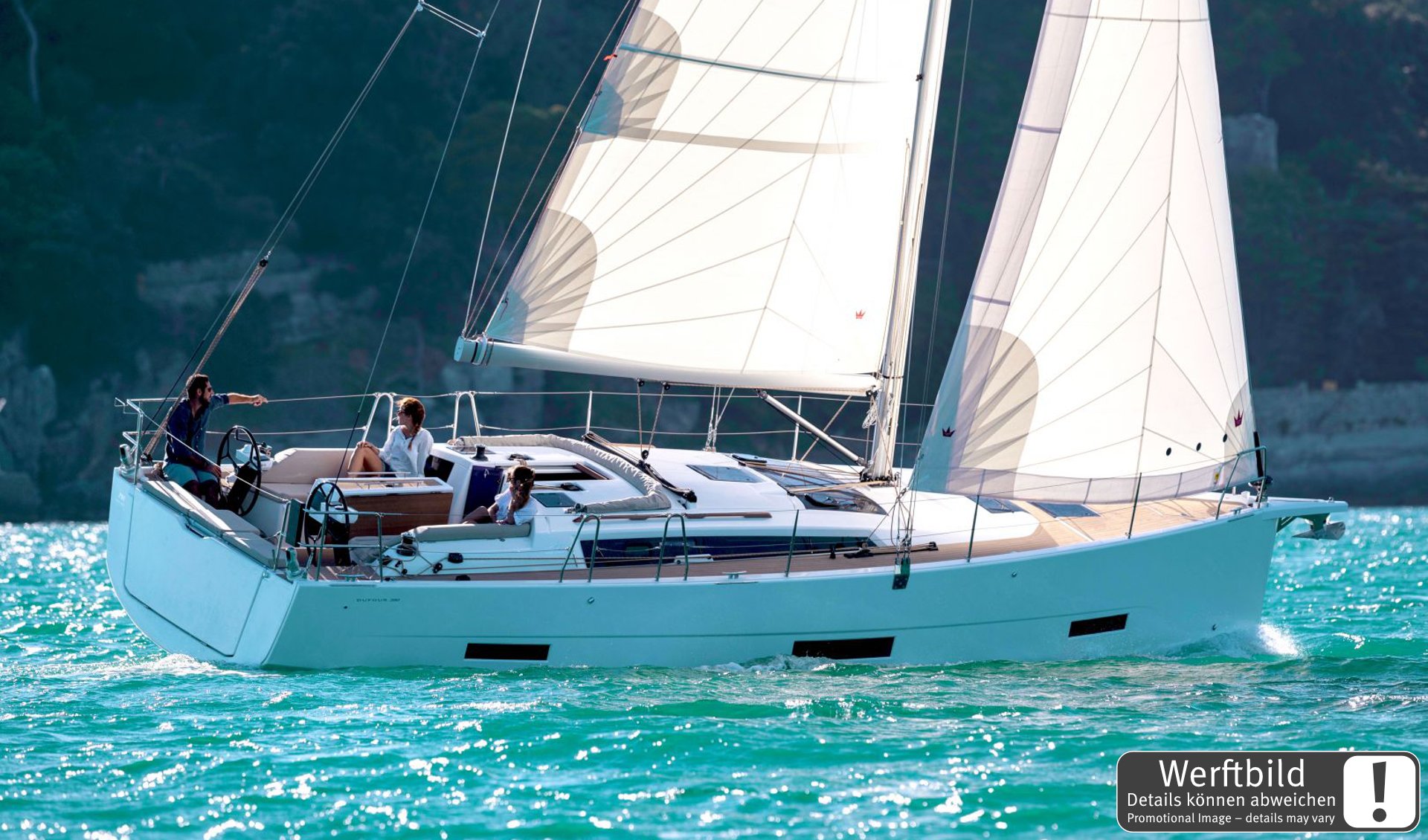 Monohull
 Monohull
 Monohull
 Catamaran
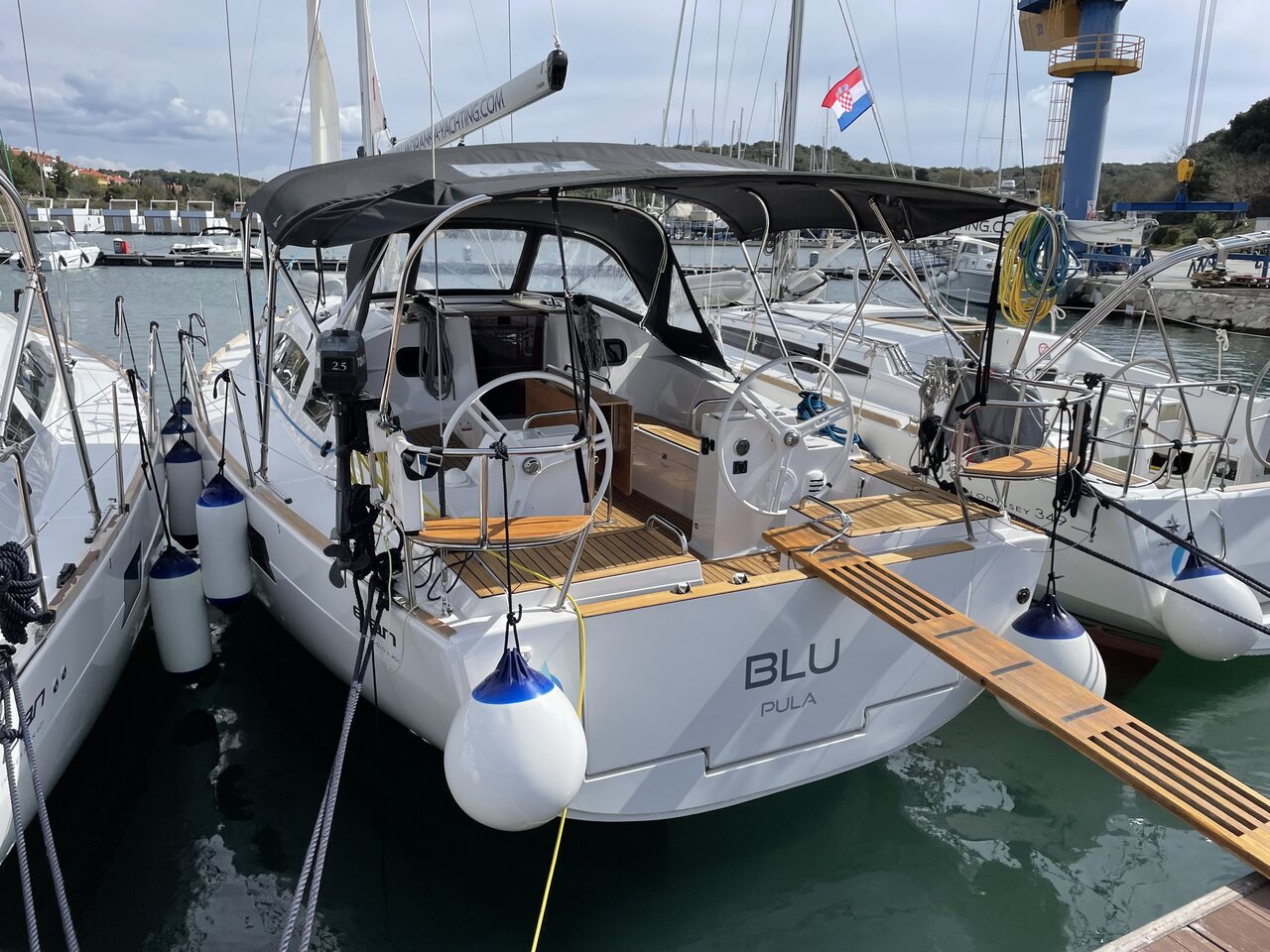 Monohull
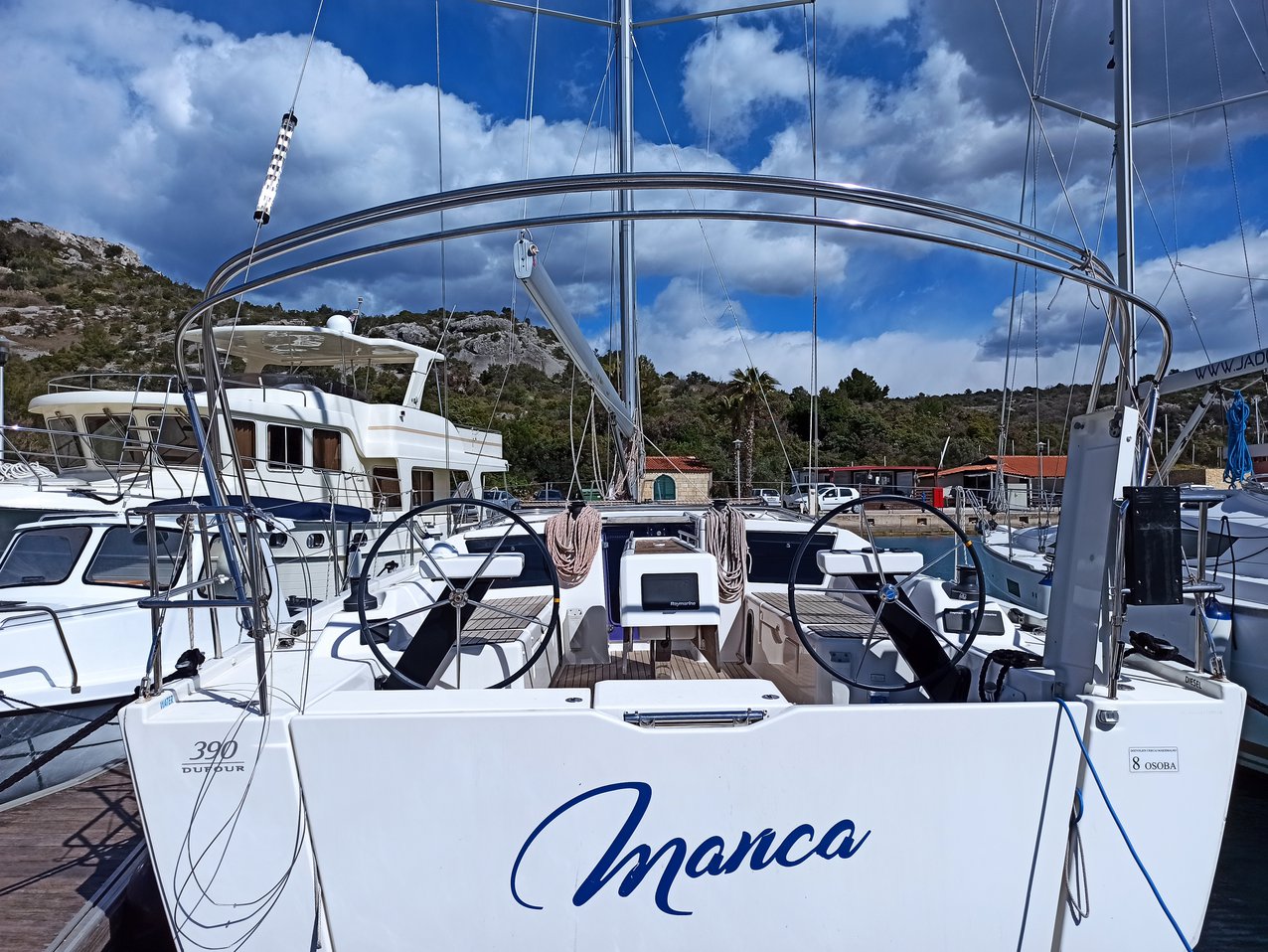 Monohull
 Monohull
 Catamaran
 Catamaran
 Monohull
 Monohull
 Catamaran
 Monohull
 Catamaran
 Catamaran
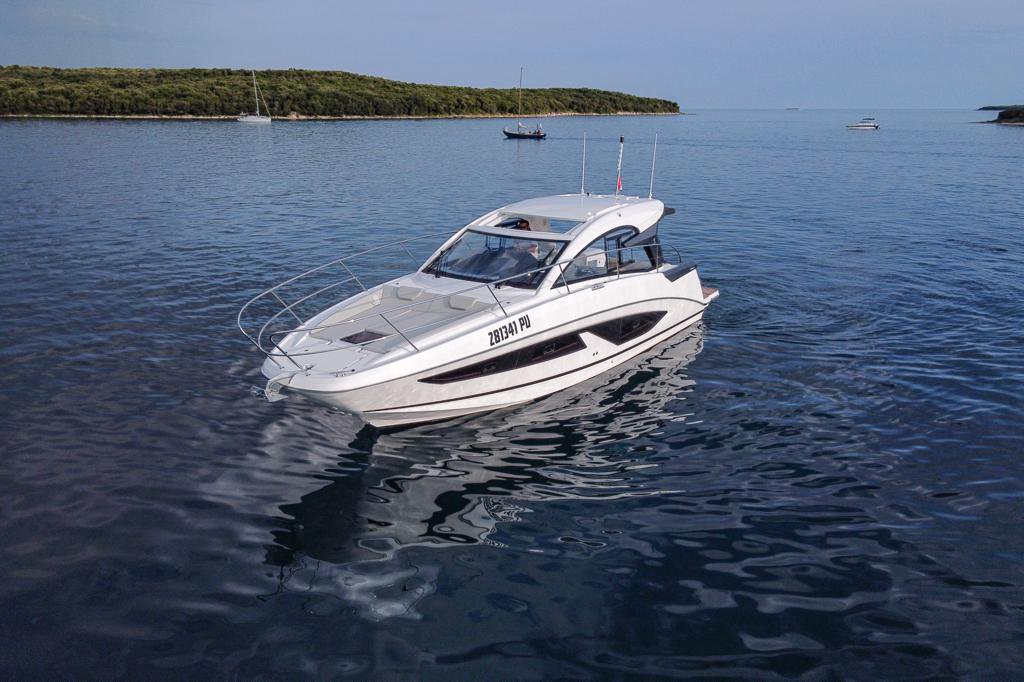 Motor Yacht
Gran Turismo 36
Gran Turismo 36 · 2023ACI Marina Rovinj, Croatia
6 guests2 cabins12 m
€4,500 / week
+ Compare Monohull
 Monohull
Istra questions
Asked and answered.
Do I need a licence to charter a yacht in Istra?
For bareboat you need a recognised skipper's licence (RYA Day Skipper, ICC or equivalent) plus a VHF radio certificate for the person named as skipper. Croatia checks both at hand-over. If you don't hold a licence, hire a local skipper for the week — message us on WhatsApp and we'll arrange one with your boat.
When is the best time to sail Istra?
June and September are the sweet spots — warm water, steady afternoon maestral wind, and far fewer boats than high summer. July and August are hot and busy, so book early and expect company in the best anchorages. May and October are quieter and cheaper but the weather is less settled and some nights turn cool.
How much does a week's charter in Istra cost?
It depends on boat size, age and season: a shoulder-month monohull is far cheaper than a new catamaran in August. Beyond the base fee, budget for the refundable deposit, cleaning, tourist tax, fuel and any marina nights. We'd rather price your exact boat than guess — send your dates and party size on WhatsApp for a real number.
Where do most charters start?
Pula, at the southern tip of the peninsula, is the main base — several marinas cluster there and the airport is ten minutes away. Some boats start from Rovinj, Vrsar or Medulin further up the west coast. All are well connected and within a short sail of the best cruising grounds, so pick the base that suits your flights.
Is Istra good for families and first-time charterers?
Yes. The hops between harbours are short, the west coast is sheltered, and you can be at anchor for lunch an hour after leaving the marina. Towns like Rovinj and Poreč give you plenty ashore for non-sailors. It's a gentler introduction than the open channels further south, which makes it a strong choice for families and first charters.
What are the winds like in Istra?
The friendly one is the maestral, a north-westerly sea breeze that fills in most summer afternoons at 10 to 15 knots and dies at dusk. Watch for the tramontana, a cold northerly that raises a short steep sea, and the bura, a fierce north-easterly that's rarer here than further south but arrives fast. Plan open crossings for calm mornings.
Can I visit the Brijuni islands by charter yacht?
Yes, but they're a national park with strict rules. You need a permit to anchor or moor, numbers are limited, and the fee is separate from your charter. It's worth the paperwork for a quiet wooded night just off Pula. Sort the permit before you sail — we can point you to the process when you book.
Where do the yachts in Istra sail from?
Boats sailing Istra all year — boats operate from Pula, Marina Tehnomont Veruda, ACI Marina Pula, Marina Vrsar, ACI Marina Rovinj, Marina Medulin and Trget (near Pula). The fleet list above is live from our operator system, so it always shows what is actually available for your dates.
Bareboat or crewed in Istra?
Both. Bareboat if someone on your crew holds a licence, crewed if you would rather a skipper did the work. Tell us your experience level and we will match you.
How do I get a quote?
Send us your dates, your group and roughly the boat you want. Same day, we reply with real options, real prices and the honest trade-offs.
Talk to an expert
Get three options.
Charter types
Charter types in Istra.
Bareboat charter
You skipper it yourself — licence required.
Crewed charter
Skipper and crew do the work — you live aboard.
Istra
01Why sail Istra
Istra is the top-left corner of Croatia, the heart-shaped peninsula that reaches toward Venice. It sails differently from Dalmatia. The islands are fewer, the coast is greener, and the towns — Rovinj, Poreč, Pula — carry more Venice than they carry Balkan. You anchor off pine-fringed points, walk into a working fishing harbour, and eat truffle and wild asparagus that came out of the ground behind the beach. The distances are short. You can be at anchor for lunch an hour after slipping the lines.
This suits first charterers, couples, and families who want time on the water rather than time on passage. Serious distance sailors who want island-hopping across open channels will find Istra quieter than the Kornati or the south. That is the trade-off, and for most people it is the right one.
02The sailing grounds
Most charters run out of Pula and its cluster of marinas at the peninsula's southern tip, with more berths up the west coast at Rovinj, Vrsar and Medulin. From Pula you have two natural directions. North-west takes you up the sheltered west coast — Rovinj, the Brijuni islands, Vrsar, Poreč. South and east opens the Kvarner gulf toward Cres, Lošinj and Unije, a longer reach with more open water.
The Brijuni archipelago sits just off Pula: a national park of fourteen islands, low and wooded, once Tito's private retreat. You need a permit to anchor and the rules are strict, but it is worth the paperwork for a quiet night. Rovinj is the postcard town — a bell tower on a hill, boats stern-to along the old quay, alleys that end at the water. It gets busy in July and August; arrive early or take a mooring outside and dinghy in.
03Season and winds
The season runs roughly May to October. June and September are the sweet spots: warm water, steady wind, and half the crowds of high summer. July and August are hot and full — book early and expect company in every good anchorage.
The defining wind here is the tramontana, a dry northerly that can come up hard and cold, kicking a short steep sea in the northern Adriatic. It is manageable but worth respecting; check the forecast before committing to an open crossing toward Cres. The maestral, the thermal sea breeze, fills in most summer afternoons from the north-west at 10 to 15 knots — reliable, friendly sailing that dies at dusk. The bura, the fierce north-easterly that hammers the Kvarner, is less common here than further south but can still arrive with little warning in shoulder season. Mornings are often calm; plan longer passages early.
04Charter types
Istra is bareboat country. The fleet out of Pula and the west-coast marinas is almost entirely self-skippered monohulls and catamarans in the 35 to 50ft range, the sizes that suit a couple or two families. If you hold the right licence and have coastal experience, bareboat is the way to sail here — the grounds are forgiving and the hops are short.
If you would rather not skipper, you can hire a local skipper by the day or week; ask when you enquire and we will arrange it. Skippered and crewed availability is on request rather than guaranteed off the shelf. Cabin charters — buying a single berth on a shared boat — turn up occasionally but are not the norm here.
05What it costs
A bareboat week in Istra swings with boat size, age and season. As a rough guide, a mid-size monohull in the shoulder months starts lower and a newer catamaran in August sits well above that. Rather than quote a figure we cannot stand behind, we will price your exact boat and week on request — message us on WhatsApp with your dates and party size.
Budget beyond the base fee for: the security deposit (refundable, held on a card), the end cleaning and tourist tax, fuel, and marina fees if you berth in town rather than anchor. A skipper, if you want one, is extra per day plus their food. Brijuni park permits carry their own charge. Provisioning is cheap by Mediterranean standards — the Konzum and local markets in Pula are well stocked.
06A sample week
Day 1 — Pula. Board in the afternoon, provision, and spend the first night on the boat in the marina. Walk up to the Roman amphitheatre before dinner; it is genuinely one of the best-preserved in the world.
Day 2 — Brijuni. Short hop north to the national park. Sort your permit, anchor off, and take the dinghy ashore for the walking trails. Quiet night.
Day 3 — Rovinj. Sail up the west coast to Istra's prettiest town. Berth stern-to or take a buoy and dinghy in. Dinner in the old town, gelato on the quay.
Day 4 — Vrsar and the Lim fjord. Coast north to Vrsar, then take the tender up the Lim channel, a green flooded valley famous for oysters and mussels straight off the racks.
Day 5 — Cres or Unije. If the forecast is kind, cross the Kvarner to Cres or the small island of Unije for a change of scenery and clearer, deeper water.
Day 6 — Medulin. Work back south toward Pula, stopping at Medulin's shallow bay and the beaches of the Kamenjak peninsula.
Day 7 — back to base. Short sail into Pula, refuel, and hand back the boat. Fly out from Pula airport, ten minutes from the marinas.
07Getting there
Pula has its own airport with seasonal flights across Europe; it is a short taxi from the marinas. Failing that, fly into Trieste or Venice in Italy, or Rijeka and Zagreb in Croatia, and drive down — the roads are good and the peninsula is compact. If you are coming by car from central Europe, Istra is one of the closest bits of the Croatian coast to drive to.
Check-in is usually mid-afternoon on the Saturday, with hand-back the following Friday evening or Saturday morning; confirm your exact times when you book. Bring your sailing licence, VHF certificate, passports for the crew list, and the details of everyone aboard. Message us on WhatsApp with your dates and we will match you to a boat.