 Monohull
White Horse
Oceanis 37 · 2010Marina Flensburg Sonwik, Germany
6 guests3 cabins12 m
€1,548 / week
+ CompareLive fleet
Monohull Monohull
 Monohull
 Monohull
 Monohull
 Monohull
 Monohull
 Monohull
 Monohull
 Monohull
 Monohull
 Monohull
 Monohull
 Monohull
 Monohull
 Monohull
 Motor Yacht
 Monohull
 MonohullMonohullMonohull
 Monohull
 Monohull
 Monohull
 Monohull
 Monohull
 Monohull
 Monohull
 Monohull
 Monohull
 Monohull
 Monohull
 Monohull
 Monohull
 Monohull
 Monohull
 Monohull
 Monohull
 Monohull
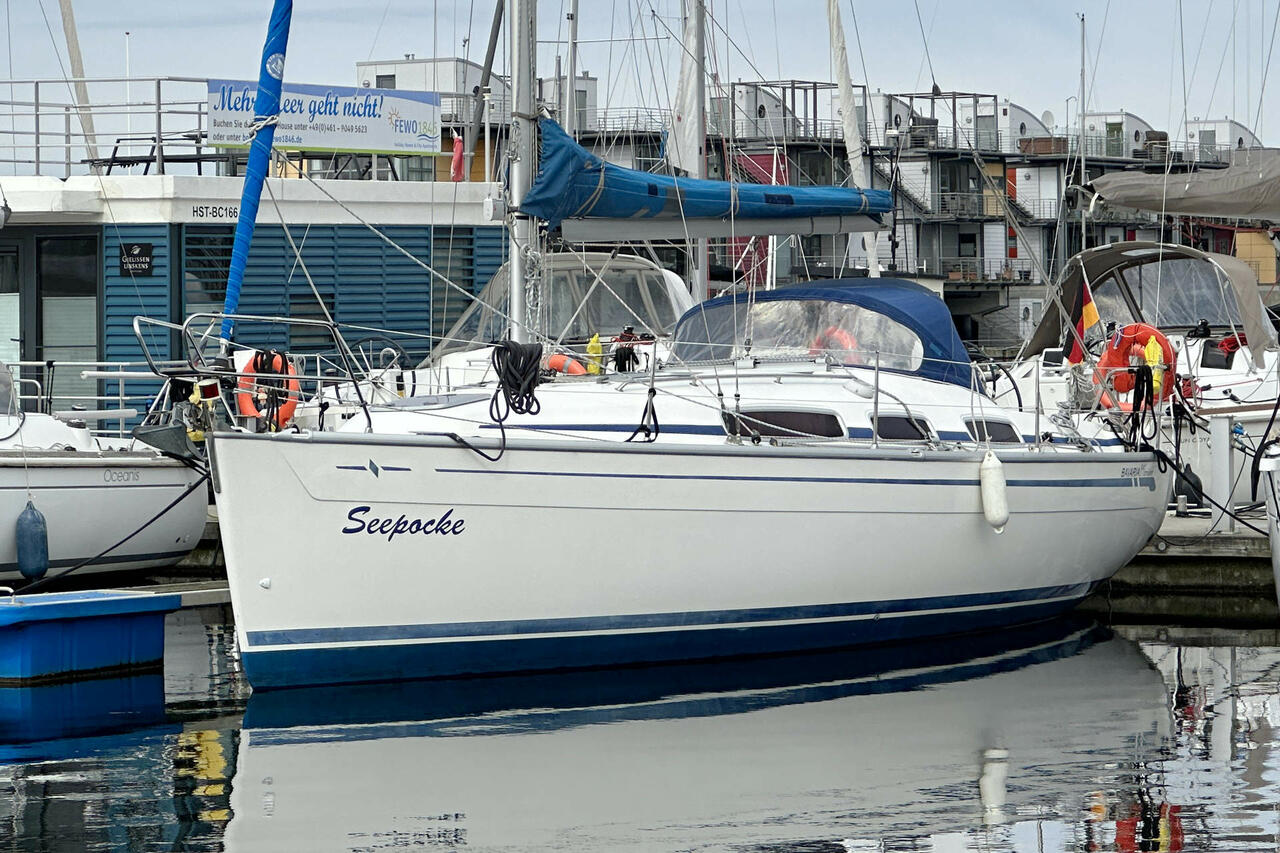 Monohull
 Motor Yacht
 Monohull
Germany questions
For bareboat charter on the Baltic you will need a recognised sailing licence — most bases accept the German SBF-See, the RYA Day Skipper or an ICC. On some inland waterways, licence-free options exist for smaller boats under local rules. If you hold no certificate, take a skippered week; it is also the smart way to learn Baltic locks and weather. Send your ticket details on WhatsApp and we will confirm what a given boat requires.
June to August is the core season, with the longest daylight and the warmest air. May and September are quieter and cheaper, with cooler water and a slightly higher chance of a windy day — good value if you don't mind an extra layer. Outside those months most boats are laid up. Midsummer is the safe pick for a first German charter, warm evenings and light until late.
It depends on the boat, the ground and how close to peak July–August you sail; shoulder months cost noticeably less. On top of the base rate, budget for fuel, the final clean, harbour and lock fees, and a refundable security deposit. Skippered charter adds the skipper's daily rate. Inland lake boats are usually the cheaper way in. Rather than quote figures that date, we price to your dates — message us on WhatsApp for a straight quote.
For Baltic sailing, Kiel or Flensburg in Schleswig-Holstein are the natural bases — short hops between fjords and easy reach of the Danish islands. For lakes and canals, start in Mecklenburg near the Müritz or in Brandenburg close to Berlin. Choose the coast if you want proper sailing and harbour towns, the lakes if you want flat water, no tides and a slower wander. Tell us your priorities and we will point you at the right base.
Yes. The Baltic fjords give sheltered water and short passages, so you are rarely more than a couple of hours from the next harbour, and there is no tide to plan around. The inland lakes are calmer still and easy for young or nervous crew. Water is cool for swimming even in summer, so pack wetsuits if the kids want to jump in. Harbour towns keep everyone fed and watered between sails.
Not at all — you can sail a full week entirely in German waters, from Kiel through the Schlei and down toward Fehmarn. But the Danish border islands like Als and Sønderborg are an easy day-sail from Flensburg fjord and worth the hop if the wind serves. Both are in the Schengen area, so the crossing is undramatic; carry passports and follow standard courtesy-flag and harbour procedures on arrival.
The inland lakes are far more forgiving than the Baltic — flat water, no tides, sheltered anchorages — but they bring their own skill: handling locks and reading a network of canals and bridges. Some waterways allow licence-free hire on smaller boats, which suits confident beginners. If you have never worked a lock, a short skippered start pays for itself. Message us on WhatsApp with your experience and we will set you up sensibly.
We charter across Schleswig-Holstein, Mecklenburg and Brandenburg. Each area has its own page with the live fleet for your dates.
Bareboat if someone on your crew holds a licence, crewed if you would rather a skipper did the work. The grid above is live from our operator system and always shows what is actually free.
Tell us your dates, your group and the area you fancy. Same day, we send three real options with honest trade-offs.
Talk to an expert
Most people never think of Germany as a sailing country. Then they spend a week on the Baltic and change their mind. The coast between Kiel and Flensburg is a run of sheltered fjords, quiet anchorages and working harbours where the water goes flat by evening and the light lasts until ten in June. Inland, the Mecklenburg lakes and the Brandenburg waterways offer something no coast can: flat water, no tides, and a canal-and-lake network you can wander for weeks without seeing the open sea. It is cool-water sailing, honest and unhurried, with good boatyards and short passages between stops.
Three grounds, three moods. Schleswig-Holstein is the Baltic proper — Kiel, Flensburg fjord, the Danish border islands, and the run east toward Fehmarn. Short hops between harbours, forgiving depths, and the north-south choice of duck into a fjord or push out to open water. Mecklenburg blends coast and lake: the Warnemünde and Rostock approaches, plus the vast Müritz and the Mecklenburg lake plateau inland, linked by canals and locks. Brandenburg is pure inland — the Havel and Spree, the lakes around Berlin, and the network that lets you tie up within tram distance of the capital. On the lakes you need no tide tables and rarely a chart plotter; you need patience for the locks.
The season runs roughly May to September, with June through August the reliable core. Water stays cool — this is the Baltic, not the Med — so pack layers even in July. Winds are typically westerly to south-westerly, Force 3 to 5, enough to sail properly without drama, though a Baltic low can bring 6 and a lumpy short sea for a day. Mornings are often light; the breeze fills in by midday. Inland on the Mecklenburg and Brandenburg lakes, wind is fluky and thermal — good for a relaxed motor-sail, less good if you want to log miles under sail alone. Long daylight is the real gift: in midsummer you can be under way at six and still anchored in the light at nine.
Most boats here go out bareboat to skippers who hold a recognised sailing licence, and the fleet skews toward practical cruising yachts in the 30–45ft range — the sort of boat that handles a family and a week's stores without fuss. Skippered charter is available if you would rather learn the ground from someone who sails it every season, and it is the sensible first move on the Baltic if you have never handled locks or read a Baltic weather picture. On the inland lakes, smaller boats and even licence-free options exist on some waterways, where local rules allow crews to helm without a full sailing certificate. Message us on WhatsApp with your dates, your experience and which of the three grounds you fancy, and we will match the boat.
German charter pricing tracks the season hard. A week bareboat on a mid-size cruising yacht in the shoulder months of May or September runs noticeably cheaper than the July–August peak. Budget on top for fuel, the final clean, harbour and lock fees, and a security deposit held against the boat. Skippered weeks add the skipper's daily rate and their keep. Inland lake boats are generally the softer entry point on price. Rather than quote figures that go stale, we price each boat to your dates and crew — Price on request via WhatsApp, and we will be straight about what is and isn't included.
Day 1: Board at Kiel, stow stores, short shakedown sail out into the fjord, night on a harbour berth. Day 2: North to Damp or Kappeln on the Schlei — the Schlei inlet is a narrow, pretty run with a swing bridge to time. Day 3: Out and across toward Sønderborg on the Danish side if the wind serves; passports and a Baltic border crossing that feels like none at all. Day 4: Work back toward Flensburg fjord, anchor off Glücksburg for lunch, harbour night in Flensburg town. Day 5: Longer leg south, watching the forecast, into one of the Als sound anchorages. Day 6: Track back toward Kiel with a stop at Maasholm or Laboe. Day 7: Final approach, refuel, hand the boat back clean. Swap Danish legs for the Fehmarn run if you would rather stay south and keep passages shorter.
For the Baltic grounds, fly into Hamburg and take the train or a hire car north to Kiel or Flensburg — under two hours by road. Lübeck and Rostock airports serve some routes too. For the inland lakes and Brandenburg, Berlin is the obvious gateway, with good rail links out to the Havel and Mecklenburg bases. Germany's trains make a car optional, though a car helps for provisioning and reaching the smaller lake marinas. Bring warm and waterproof kit whatever the month; Baltic summers are lovely and changeable in equal measure.
Right for cruisers who like short passages, good harbours and a beer on the quay at the end of the day; right for families, thanks to sheltered water and no tide to fret over. Less right for anyone chasing warm-water swimming or big open-sea miles — this is a cool, civilised, close-quarters kind of sailing, and better for it.