 Monohull
Nessuna distrazione
Bavaria Cruiser 41 - 3 cab. · 2018Procida, Italy
7 guests3 cabins12 m
€1,950 / week
+ CompareLive fleet
Monohull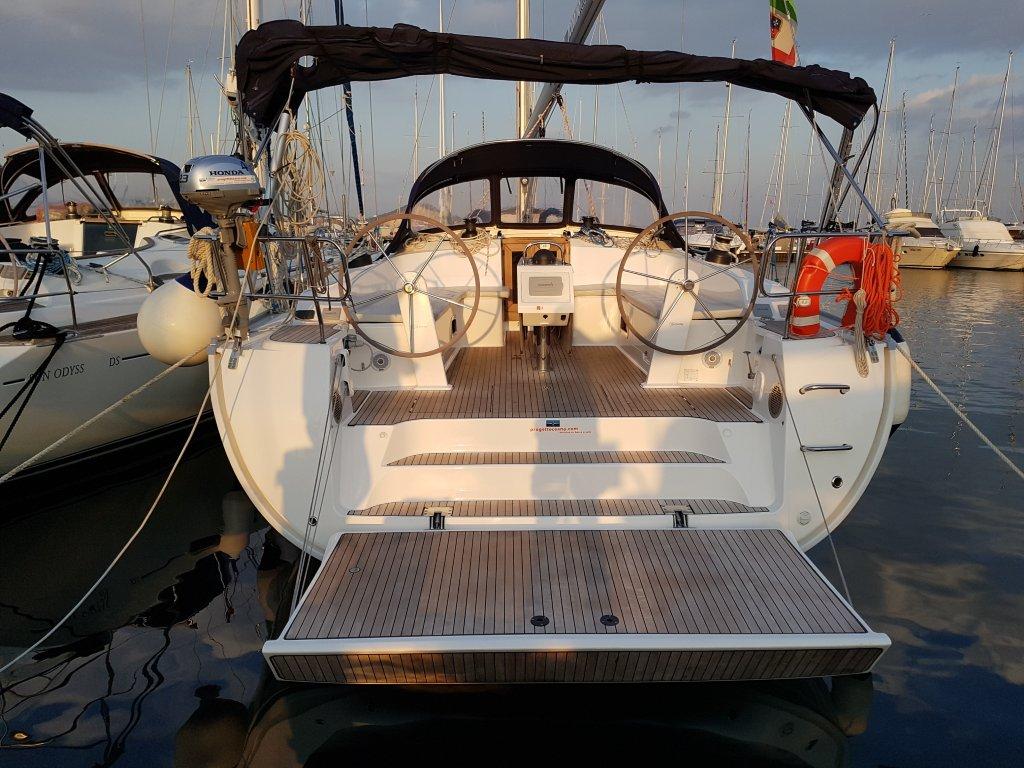 Monohull
 CatamaranCatamaran
 Monohull
 Monohull
 Catamaran
 Monohull
 Monohull
 Monohull
 Monohull
 Monohull
 Monohull
 Monohull
 MonohullMonohull
 Monohull
Campania questions
Rates depend on the boat, the season and whether you skipper yourself. Bareboat monohulls are cheapest in May and October and most expensive through late July and August; catamarans and larger yachts sit higher. On top of the base rate, budget for fuel, marina and buoy fees, tourist tax, cleaning and provisioning. Send us your dates and group size on WhatsApp for a live price.
Yes. To take a bareboat in Italy you'll need a recognised sailing qualification and, in most cases, a VHF radio licence, plus a crew list. Requirements can vary slightly by boat, so we confirm exactly what yours needs when you book. If you don't hold the right certification, you can charter crewed or hire a skipper by the day onto a bareboat.
June and September are the sweet spot — warm water, settled weather and thinner crowds than the peak. July and August are hot and busy, with anchorages filling early and marina berths scarce and pricey. May and October are quieter and cheaper but cooler, with more chance of unsettled weather. The season runs roughly May to October.
Boats work out of several bases: Procida and Naples for the islands and the Bay of Naples, Castellammare and Marina di Stabia across the bay, and the Salerno marinas including Marina d'Arechi for a southern start. Agropoli gives direct access to the quieter Cilento coast. Naples airport is close to all of them, with a ferry leg to the island bases.
Yes, and it suits families well because the legs are short. You're rarely more than a couple of hours between anchorages, there's plenty to swim off, and towns like Procida and Ischia are easy to explore ashore. Catamarans give more deck space and shallower draught for the anchorages. In peak summer plan around the crowds and the heat, and reach popular spots early.
You can, and most people do — Positano, Amalfi and the run to Punta Campanella are part of the classic loop. Be aware the anchorages are open to the south-west and the holding is patchy, so watch the forecast for the libeccio. When it's blowing, plan your day around the sheltered north sides of the islands or take a marina berth instead.
A week is the natural length and covers the classic loop comfortably — the three islands, the Amalfi Coast and a taste of the Cilento south. If you have less time, the loop shortens easily around the Bay of Naples and Capri. With more, push further south into the near-empty Cilento anchorages and reach the temples at Paestum. Short legs mean you can slow down without missing much.
Boats sailing Campania all year — boats operate from Procida, Salerno, Castellammare, Marina D'Arechi, Marina di Procida, Agropoli and Naples. The fleet list above is live from our operator system, so it always shows what is actually available for your dates.
Both. Bareboat if someone on your crew holds a licence, crewed if you would rather a skipper did the work. Tell us your experience level and we will match you.
Send us your dates, your group and roughly the boat you want. Same day, we reply with real options, real prices and the honest trade-offs.
Talk to an expert
Charter types
You skipper it yourself — licence required.
Skipper and crew do the work — you live aboard.
Campania packs a lot into a short stretch of coast. From a base near Naples you can be anchored under the cliffs of Capri by lunch, tucked into a Procida fishing harbour by evening, and picking your way down the Amalfi Coast the next morning. The draw here isn't distance sailing — it's the density of good stops. Volcanic islands, a UNESCO-listed coastline, and towns that were tourist destinations before tourism was a word.
Be honest with yourself about what this is: it's a cruising ground, not a proving ground. The legs are short, the scenery does the work, and in July and August the popular anchorages fill early. If you want empty water and long passages, look elsewhere. If you want to swim off the boat below Positano and eat well every night, this is hard to beat.
The classic loop is the Bay of Naples and the three islands that guard it. Procida is the small one — pastel houses stacked over Marina Corricella, fewer day-trippers than its neighbours, a good first or last night. Ischia is bigger, greener, with thermal springs and quieter bays on its western side. Capri is the famous one, and it earns it — the Faraglioni stacks, the Blue Grotto, the walk up to Anacapri — but the small marina is expensive and books out, so plan to anchor or take a buoy and go ashore by tender.
South of the bay the Amalfi Coast runs from Positano through Amalfi to the point at Punta Campanella. It's dramatic and it's busy — the anchorages off Positano and Amalfi get crowded and the holding is patchy on a lee shore, so pick your weather. Keep going south past Salerno and you reach the Cilento coast, which most charters skip. That's the mistake and the opportunity: wilder, cheaper, near-empty anchorages, and the Greek temples at Paestum a short hop inland.
The charter season runs roughly May to October. June and September are the sweet spot — warm water, settled weather, thinner crowds than the peak. July and August are hot and full; expect to reach anchorages early and to book any marina berth well ahead.
Winds are typically light in summer, often under 12 knots, with a sea breeze that fills in through the afternoon and dies at dusk. Mornings are frequently calm — good for early motoring between islands, less good if you came purely to sail. The one to watch is the libeccio, a south-westerly that can build and make the Amalfi anchorages untenable, since they're open to exactly that direction. When it's forecast, base your day around the sheltered north sides of the islands or run for a marina.
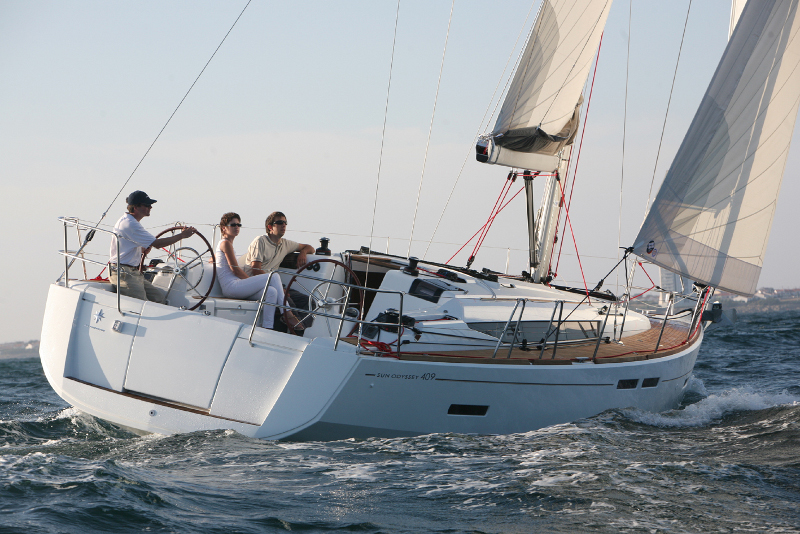
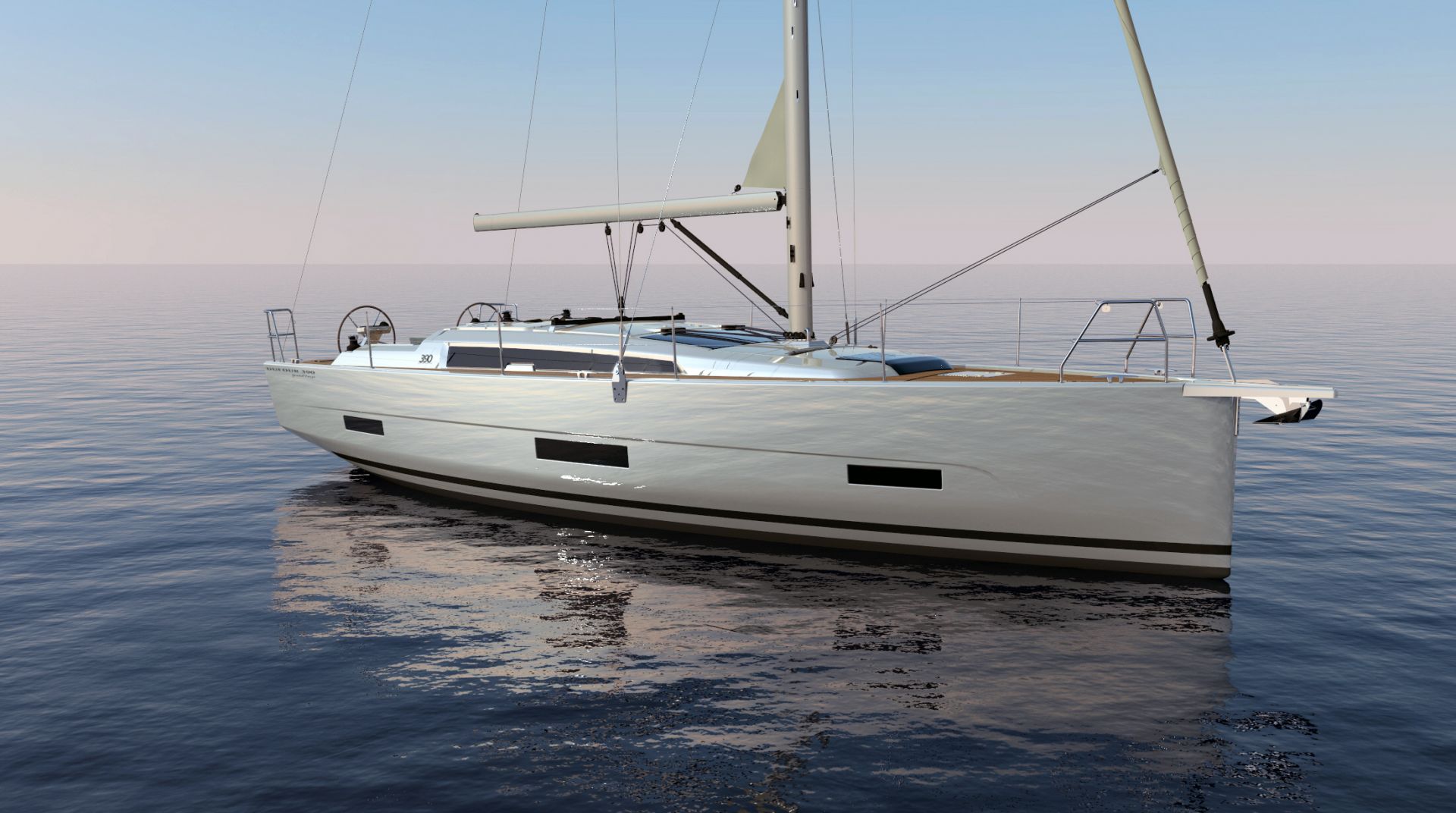
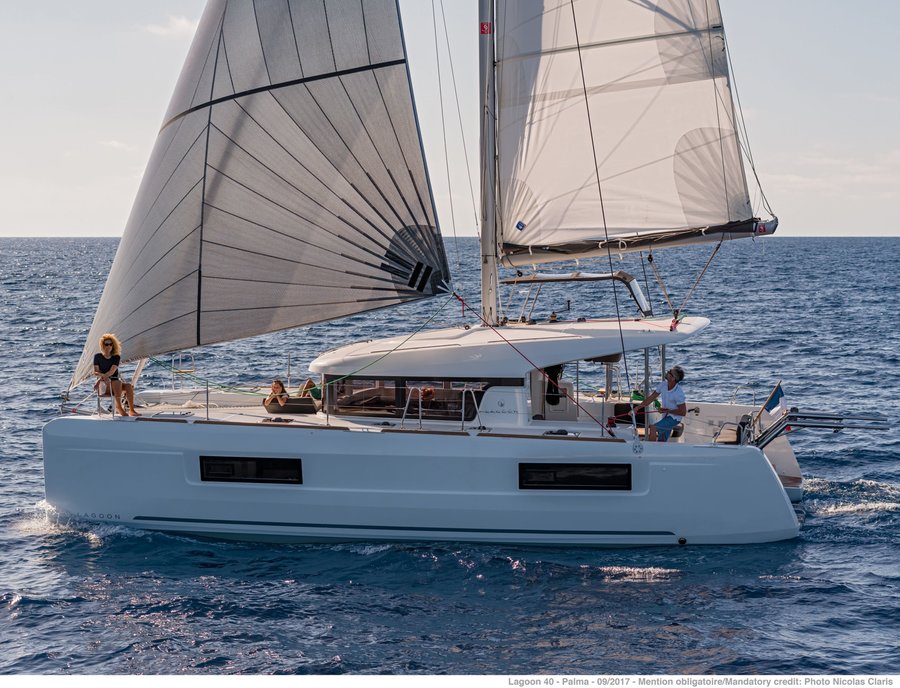
Most of our Campania fleet is bareboat, for skippers who hold the right certification and want to set their own pace. Monohulls in the 38–50ft range are the common choice; catamarans suit families and groups who want deck space and shallower draught for the anchorages.
If you'd rather not skipper, crewed options are available — a skipper who knows which Capri buoy to grab and which konoba-equivalent trattoria to book. You can also hire a skipper by the day onto a bareboat if you want the freedom of the boat with a local hand for the first day or two. Boats work out of Procida, Naples, Castellammare, Marina di Stabia, and the Salerno marinas including Marina d'Arechi, with Agropoli giving direct access to the Cilento south.
Charter rates swing hard with the season. A week bareboat is at its cheapest in May and October and peaks through late July and August, when demand is highest and boats book months out. Catamarans and larger monohulls sit at the top of the range. Rather than quote a figure that'll be wrong for your week and boat, we'll give you a live price — message us on WhatsApp with your dates, group size and boat preference. Price on request.
Budget separately for the running costs: fuel, marina and buoy fees (Capri and the Amalfi marinas are the expensive ones), a tourist tax, end-of-charter cleaning, and provisioning. If you take a skipper, add their daily rate and food. Marina berths in peak season are both pricey and scarce, which is a good reason to anchor where you can and treat marina nights as a planned expense rather than a default.
Day 1 — Board at Procida or Naples in the afternoon, provision, and shake down with a short hop to a Procida anchorage. Dinner at Corricella.
Day 2 — Cross to Ischia, anchor off the western bays, swim, walk up to the Aragonese castle if you berth near the old harbour.
Day 3 — Sail to Capri. Take a buoy or anchor, tender ashore, ride up to Anacapri away from the crowds. Move to a quieter cove for the night.
Day 4 — Round Punta Campanella and run down to Positano. Pick your weather; if the libeccio's up, stay north. Swim below the town before the day boats arrive.
Day 5 — Amalfi and the coast towards Salerno. Go ashore for the cathedral and the paper museum, then find an anchorage clear of the crowd.
Day 6 — Push south to the Cilento coast or Agropoli. Empty water, clear anchorages, and Paestum's temples within reach.
Day 7 — Work back north with a stop, then return to base. Fuel up, tidy the boat, last dinner ashore.
Adjust freely — the loop shortens easily if you'd rather linger, and lengthens south if you want the quiet end.
Naples International (NAP) is the gateway and it's close in — a short transfer to the city marinas or a ferry across to Procida and Ischia. Trains from Rome to Naples take about an hour on the fast service, which makes a Rome-in Naples-out itinerary workable.
Give yourself margin around the base. Naples traffic is real, and the island bases mean a ferry leg you don't want to cut fine on handover day. Bring soft bags, not hard cases — stowage on a 40-footer is tight. Paperwork for bareboat includes your sailing certification and, in most cases, a VHF licence and crew list; we'll tell you exactly what your boat needs when you book. Any questions on arrival logistics, message us on WhatsApp and we'll sort it.