 Catamaran
Sail Seychelles.
Live fleet
Catamaran Catamaran
 Catamaran
 Catamaran
 Catamaran
 Catamaran
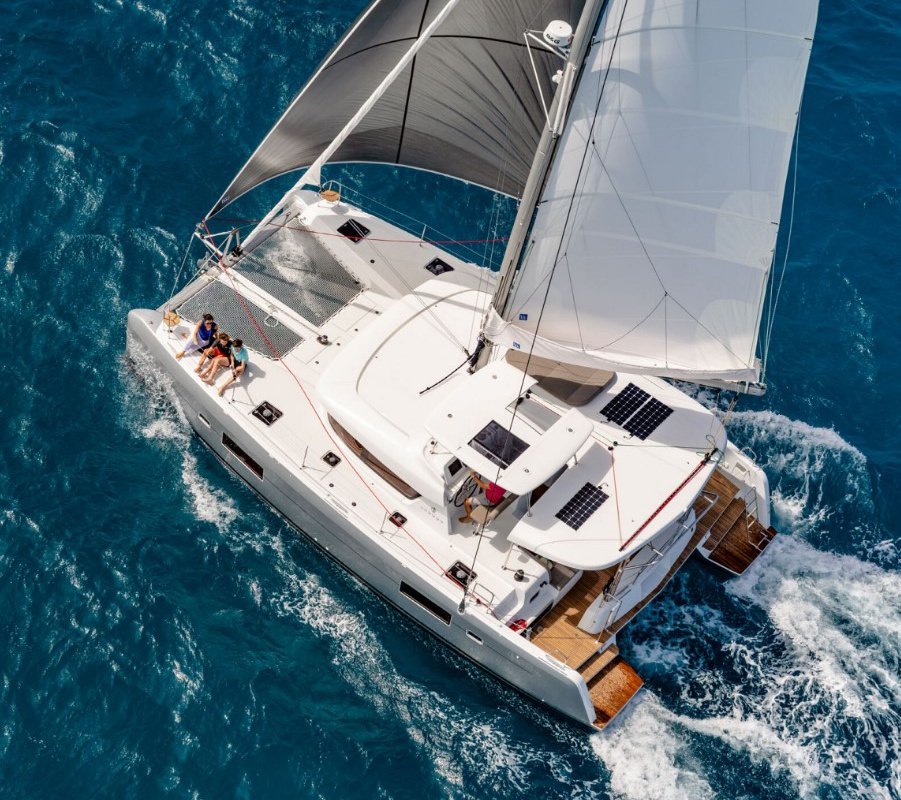
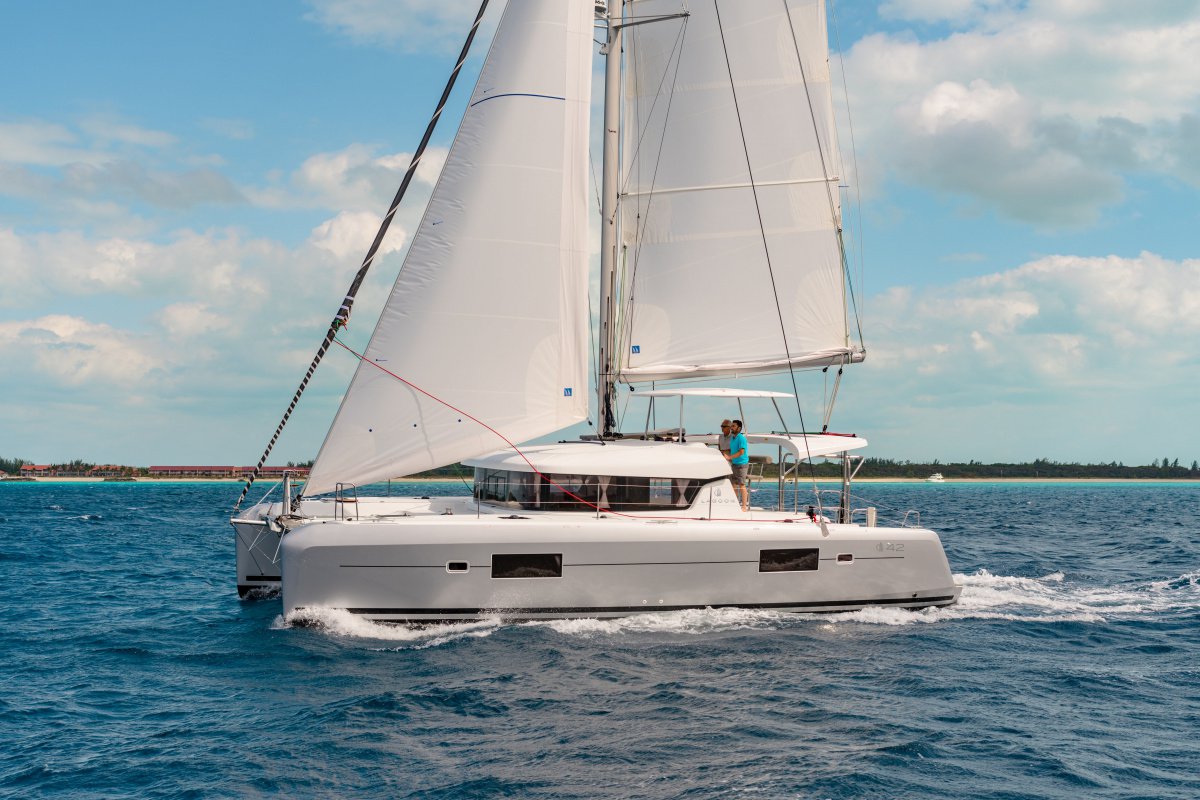
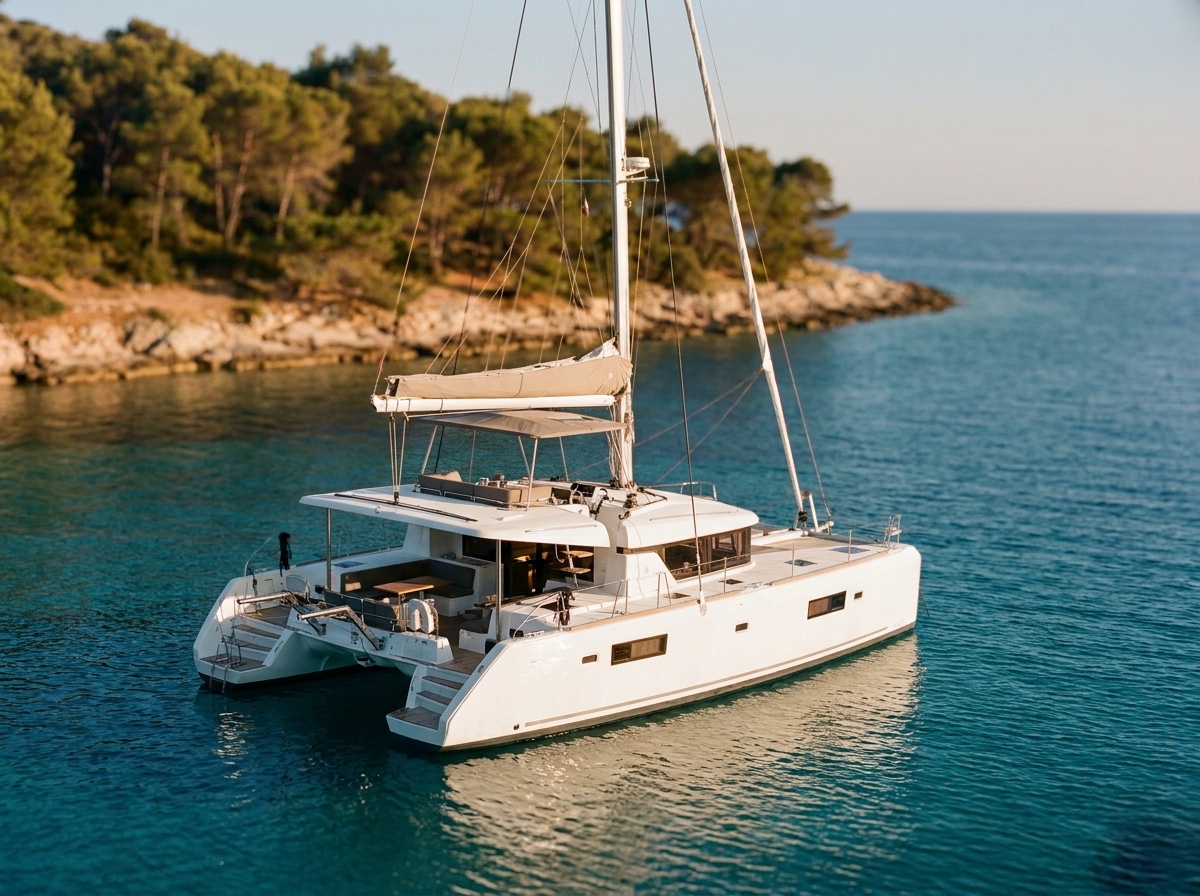
Pina Colada
Lagoon 40 - 4 + 2 cab · 2020Seychelles, Seychelles
10 guests4 cabins12 m
€4,500 / week
+ Compare Catamaran
 Catamaran
 Catamaran
 Catamaran
 Catamaran
 Catamaran
By the cabin
Cabin cruises in Seychelles
Scheduled crewed cruises — book by the cabin and share the yacht with a small group.
Seychelles

More cabin cruises
Other departures you can join, wherever you fancy sailing.
 €3,500per person
Croatia and Montenegro Cruise
Naya · crewed
Dubrovnik region, Croatia
7 days · Departs 26 Sept 2026View cabins
 €1,090per person
Modul B - Dufour 460 GL - Athi
Athi · crewed
Šibenik region, Croatia
7 days · Departs 26 Sept 2026 · 21 more datesView cabins
 €1,090per person
Modul B - Dufour 460 GL - Vellamo
Vellamo · crewed
Šibenik region, Croatia
7 days · Departs 26 Sept 2026 · 21 more datesView cabins
 €1,200per person
Sail the Aeolian Islands
Maria Louise II · crewed
Sicily, Italy
7 days · Departs 26 Sept 2026View cabins
 €5,000per person
More Package Greece
Zephyre · crewed
Ionian Islands, Greece
7 days · Departs 28 Sept 2026View cabins
 €3,000per person
Pearl of the Adriatic Cruise
Kaptan Sevket · crewed
Montenegro, Montenegro
7 days · Departs 28 Sept 2026View cabins
Seychelles questions
Asked and answered.
How much does a yacht charter in the Seychelles cost?
As a rough guide, bareboat catamarans run from around EUR 4,000 to EUR 12,000 per week depending on size, age and season, with high season at the top of that range. On top, budget for fuel, marine-park fees charged per person, an end clean, and provisioning — which is dearer here than the Med because much is imported. Add a skipper's fee if you want one. Message us on WhatsApp for a firm quote.
Do I need a licence to charter bareboat in the Seychelles?
Yes. To take a boat bareboat you'll need a recognised sailing qualification — an ICC, RYA Day Skipper or equivalent — plus genuine recent experience on a similar boat, and usually a competent second aboard. The base assesses this before handover. If you don't hold the right ticket or you're new to the ground, take a skippered charter; a local captain who knows the passes and holding is money well spent on a first trip.
When is the best time to sail the Seychelles?
May to September brings the steady south-east trades — 15 to 25 knots, drier air and the clearest water, so it's the sportier, more reliable sailing season and the busier one. December to March is the north-west monsoon: lighter, warmer, wetter, with more motoring. April and October-November are calm, glassy transitions. There's no wrong time — the Seychelles sits outside the cyclone belt and the water's warm year-round.
Where do charters start?
All charters start from Mahé, the main island, where the fleet is based. Fly into Seychelles International Airport (SEZ), a short transfer from the base. From Mahé the Inner Islands — Praslin, La Digue, Curieuse, Ste Anne and others — are all within a day-sail, with most legs between 5 and 15 nautical miles. Provision on Mahé before you set off, as the outer stops have limited shops.
Is the Seychelles good for families?
Yes, and it's one of the easier tropical grounds for it. Distances are short, so no long passages with restless kids; the water is warm, flat in the lee, and clear enough for easy snorkelling straight off the boat. Catamarans give deck space and stable motion. Curieuse's giant tortoises and La Digge's bicycles keep children occupied ashore. A skipper takes the navigation off your plate so you can focus on the crew.
Catamaran or monohull for the Seychelles?
Most people choose a catamaran here, and the ground suits it — shallow draft lets you anchor close in over sand, there's deck space for groups, and the motion stays comfortable in the lighter north-west months. A monohull sails better on the wind and costs less, so if you're an experienced sailing crew who enjoys heeling and a smaller party, it's a fair pick. Tell us your party size on WhatsApp and we'll point you at what fits.
How long a charter do I need?
A week is the standard and works well: Mahé out to Praslin, La Digue, Curieuse and back with time to actually stop and swim rather than just tick islands. Ten days lets you slow further and reach quieter corners like Silhouette without rushing the crossing back. Anything under a week and you'll spend too much of it on the Mahé-Praslin leg. Message us your dates and we'll suggest a realistic route.
Where can I sail in Seychelles?
We charter across Mahé. Each area has its own page with the live fleet for your dates.
What kind of yachts are available in Seychelles?
Bareboat if someone on your crew holds a licence, crewed if you would rather a skipper did the work. The grid above is live from our operator system and always shows what is actually free.
How do I get a quote?
Tell us your dates, your group and the area you fancy. Same day, we send three real options with honest trade-offs.
Talk to an expert
Get three options.
Seychelles — Yacht Charter
Getting there and practical notes
Fly into Seychelles International Airport (SEZ) on Mahé, well connected via the Gulf hubs, Europe and East Africa. The base is a short transfer from the airport — we'll send exact directions with your confirmation.
Most nationalities get a visitor's permit on arrival rather than a visa; check your own passport's requirements before travelling. The currency is the Seychelles rupee, though cards are widely accepted and larger charter costs are usually settled in EUR. English, French and Creole are all spoken.
Provision on Mahé before you leave — the outer stops have limited shops. Bring reef-safe sunscreen, and note the marine-park fees are collected per person. Everything else — briefings, chart advice, current availability — comes to you when you message us on WhatsApp with your dates.
Seychelles
01Why sail the Seychelles
The Seychelles is granite, not coral atoll — big rounded boulders the colour of old iron, dropping straight into water so clear you can read your anchor at 12m. The Inner Islands sit close together, a day-sail apart at most, which means short hops and long afternoons at anchor. Wind is reliable but rarely rough. You get flat-water sailing between palm-backed beaches, and anchorages that on a good week you'll share with two other boats, not twenty.
What it isn't: a place for hard passage-making or serious distance. The pleasure here is slow. Snorkel a granite point in the morning, sail two hours after lunch, set the hook off a beach you can't reach by road. Right for first charterers, families, and anyone who's done the crowded Med and wants space.
02The sailing area — Mahé and the Inner Islands
Everything starts from Mahé, the main island and where the fleet is based. From there the cruising ground is the Inner Islands: Praslin, La Digue, Curieuse, Cousin, Ste Anne, Silhouette, North Island. Distances are short — Mahé to Praslin is around 25 nautical miles, and most legs between islands run 5 to 15.
Praslin holds the Vallée de Mai, home to the coco de mer palm, and Anse Lazio round its north-west corner is one of the better-known beaches for good reason. La Digue, a short hop from Praslin, is where you leave the boat and hire a bicycle — no cars to speak of. Curieuse has free-roaming giant tortoises and a marine park. Ste Anne, just off Mahé, is a protected park good for a first-night shakedown. Anchorages are mostly sand over good holding; a few require care around granite heads, which your briefing will flag.
03Season and winds
Two monsoons, and the difference matters. The south-east trades run roughly May to September — steady 15 to 25 knots, drier air, clearer water, and the most consistent sailing. Anchorages on the north and west sides of islands sit in the lee and stay comfortable. This is the popular window and the busier one.
The north-west monsoon runs roughly December to March: lighter, more variable wind, warmer, wetter, with occasional squalls and heavier rain. Sailing is gentler and you'll motor more. The shoulder months, April and October-November, are the transitions — often calm, hot, and glassy.
The Seychelles sits outside the cyclone belt, so you don't get the tropical-storm season that shapes Caribbean or Indian Ocean itineraries elsewhere. Water is warm year-round, mid-to-high 20s Celsius. There's no single wrong time; there's the sportier season and the lazier one.
04Charter types
The fleet out of Mahé is broad, and the boats suit the ground. Catamarans dominate here for good reason — shallow draft for close-in anchoring, deck space for families and groups, and stable motion in the lighter months. You'll also find monohulls for those who prefer to sail on their ear.
Bareboat is available if you hold the right sailing qualifications and experience (see FAQ). If you'd rather not skipper, a skippered charter puts a local captain aboard who knows the passes, the holding and the weather — worth it for a first Seychelles trip. Full crewed charters with a cook are available at the larger end. Cabin charters, where you book a single cabin on a shared boat, come and go seasonally; message us on WhatsApp for current options.
05Realistic costs
Seychelles runs at the higher end of tropical charter pricing — remoteness and provisioning costs feed through. As a guide only, and always Price on request for a firm quote:
A bareboat catamaran typically ranges from roughly EUR 4,000 to EUR 12,000 per week depending on size, age and season, high season commanding the top of the range.
Skippered adds a captain's fee, commonly in the region of EUR 180 to EUR 250 per day plus their food.
Budget separately for fuel, park fees (the marine parks charge per person per day), an end-of-charter clean, and provisioning. Provisioning is dearer than the Med — much is imported.
We'll give you an honest all-in figure before you commit. Ask on WhatsApp and tell us dates, party size and whether you want a skipper.
06A sample week
Day 1 — Mahé. Board in the afternoon, briefing, provision, and a short sail to Ste Anne marine park for a settled first night.
Day 2 — Mahé to Praslin. The longest leg, around 25nm across open water on the trades. Anchor off the Cote d'Or or in Baie Ste Anne.
Day 3 — Praslin. Ashore for the Vallée de Mai, then round to Anse Lazio for the afternoon and a swim off the boat.
Day 4 — Curieuse and Cousin. Short hop to Curieuse for the tortoises and the marine park; snorkel Cousin's fringing reef nearby.
Day 5 — La Digue. Two hours down to La Digue. Bicycles ashore, and Anse Source d'Argent when the light's right.
Day 6 — back towards Mahé. Break the return with a stop at Silhouette or an anchorage on Mahé's less-visited side.
Day 7 — Mahé. Final anchorage close to base, then an early return the last morning to disembark. Flex the whole plan around the wind — it's a guide, not a timetable.