 Monohull
Sail Turkey.
Live fleet
Monohull Catamaran
 Monohull
 Monohull
 Monohull
 MonohullMonohullMonohull
 Catamaran
 Catamaran
 Catamaran
Royal Salute
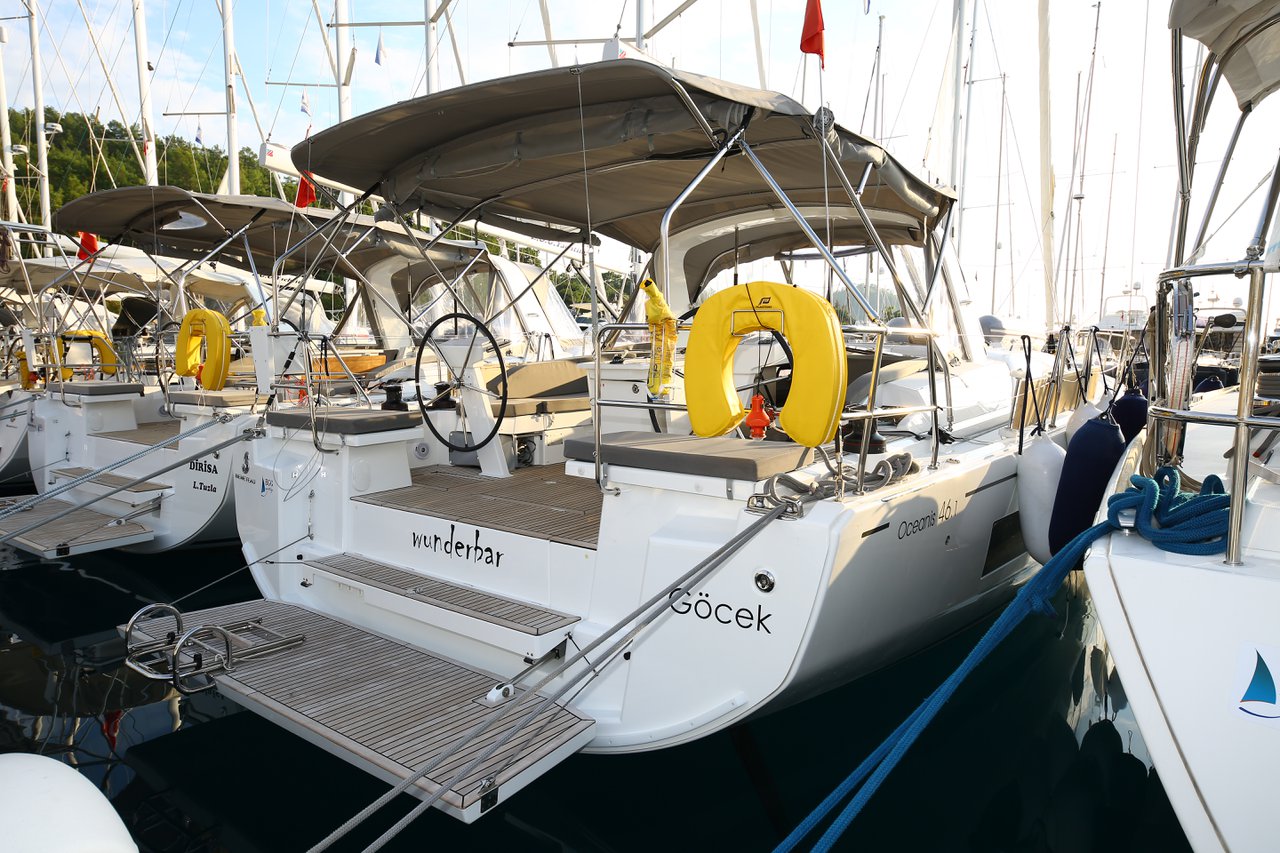
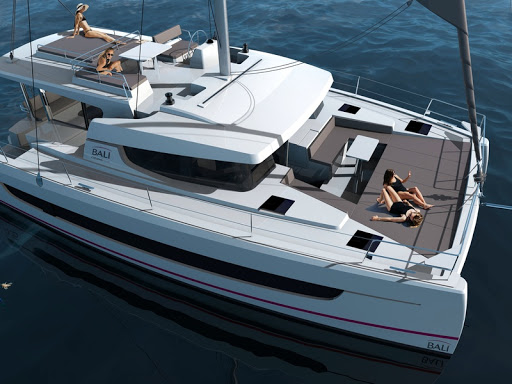
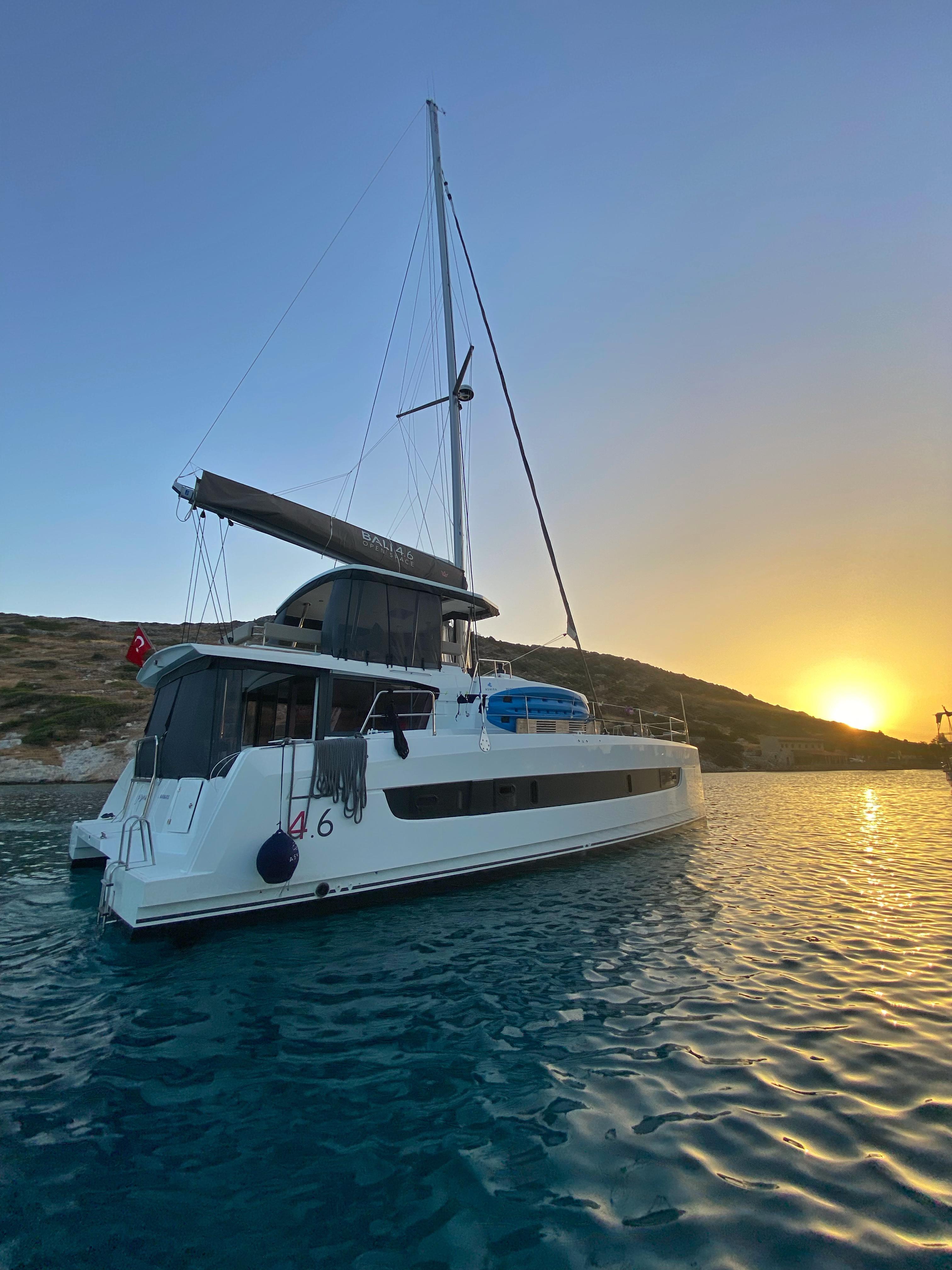
Bali 4.6 - 4 + 1 cab. · 2025Göcek/D-Marin, Turkey
9 guests4 cabins14 m
€7,320 / week
+ CompareMonohull Monohull
 Monohull
 MonohullMonohull
Miber Ahren
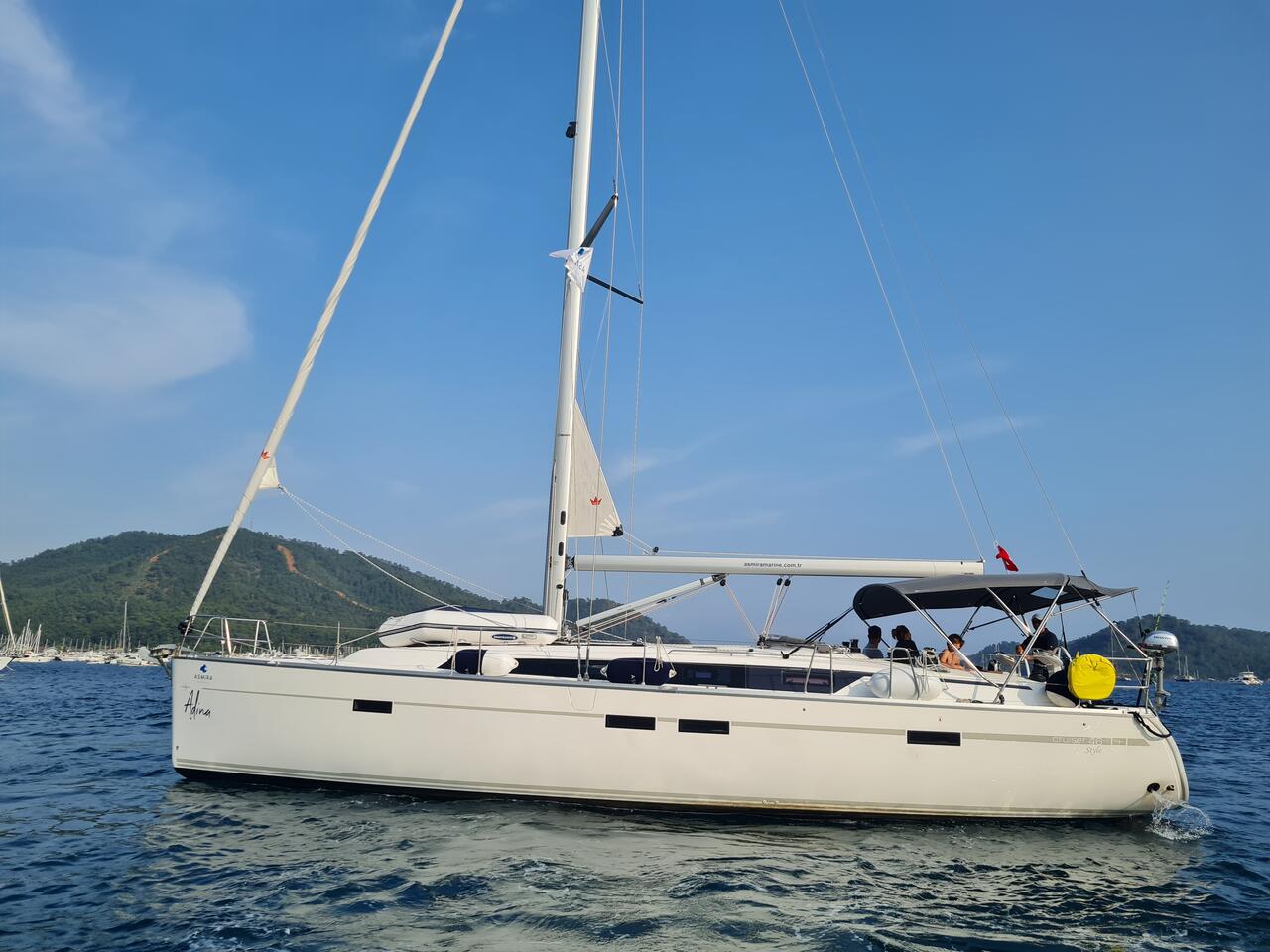
Bavaria Cruiser 46 - 4 cab. · 2024Fethiye, Turkey
8 guests4 cabins14 m
€2,434 / week
+ CompareMonohullMiber Summerbird
Bavaria Cruiser 46 - 4 cab. · 2024Fethiye, Turkey
8 guests4 cabins14 m
€2,448 / week
+ Compare Monohull
Nautilus One
Bavaria Cruiser 46 - 4 cab. · 2024Fethiye, Turkey
8 guests4 cabins14 m
€3,290 / week
+ Compare MonohullMonohull
Sail Venus
Bavaria Cruiser 46 - 4 cab. · 2024Fethiye, Turkey
8 guests4 cabins14 m
€2,448 / week
+ Compare Catamaran
 Monohull
 Monohull
 Catamaran
 Monohull
 Monohull
 Monohull
Miber Mars
Bavaria Cruiser 46 - 4 cab. · 2023Fethiye, Turkey
8 guests4 cabins14 m
€2,434 / week
+ Compare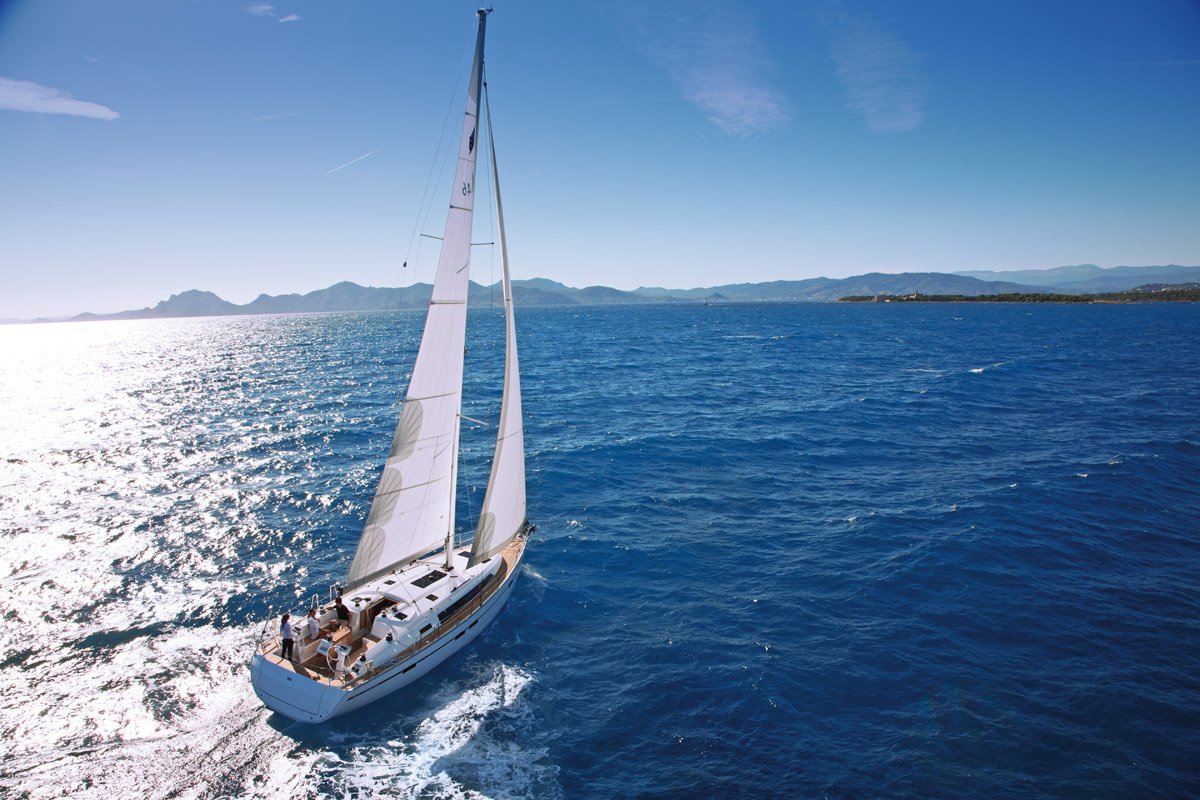 Monohull
Miber Yigit
Bavaria Cruiser 46 - 4 cab. · 2023Fethiye, Turkey
8 guests4 cabins14 m
€2,434 / week
+ CompareMonohullNorthberry Blu
Bavaria Cruiser 46 - 4 cab. · 2023Setur Göcek Village Port, Turkey
8 guests4 cabins14 m
€2,600 / week
+ Compare MonohullCatamaran
Rhapsody in Blue
Bali 4.6 - 5 + 1 cab. · 2023Orhaniye, Turkey
11 guests5 cabins14 m
€6,600 / week
+ Compare Catamaran
Sail Aquarius
Bali 4.6 - 5 + 1 cab. · 2023Orhaniye, Turkey
11 guests5 cabins14 m
€5,550 / week
+ CompareMonohullMonohullSail Monde
Bavaria Cruiser 46 - 4 cab. · 2023Fethiye, Turkey
8 guests4 cabins14 m
€2,434 / week
+ Compare Monohull
 Monohull
 MonohullMonohull
White Cloud
Bavaria Cruiser 46 - 4 cab. · 2023Göcek, Turkey
8 guests4 cabins14 m
€3,300 / week
+ Compare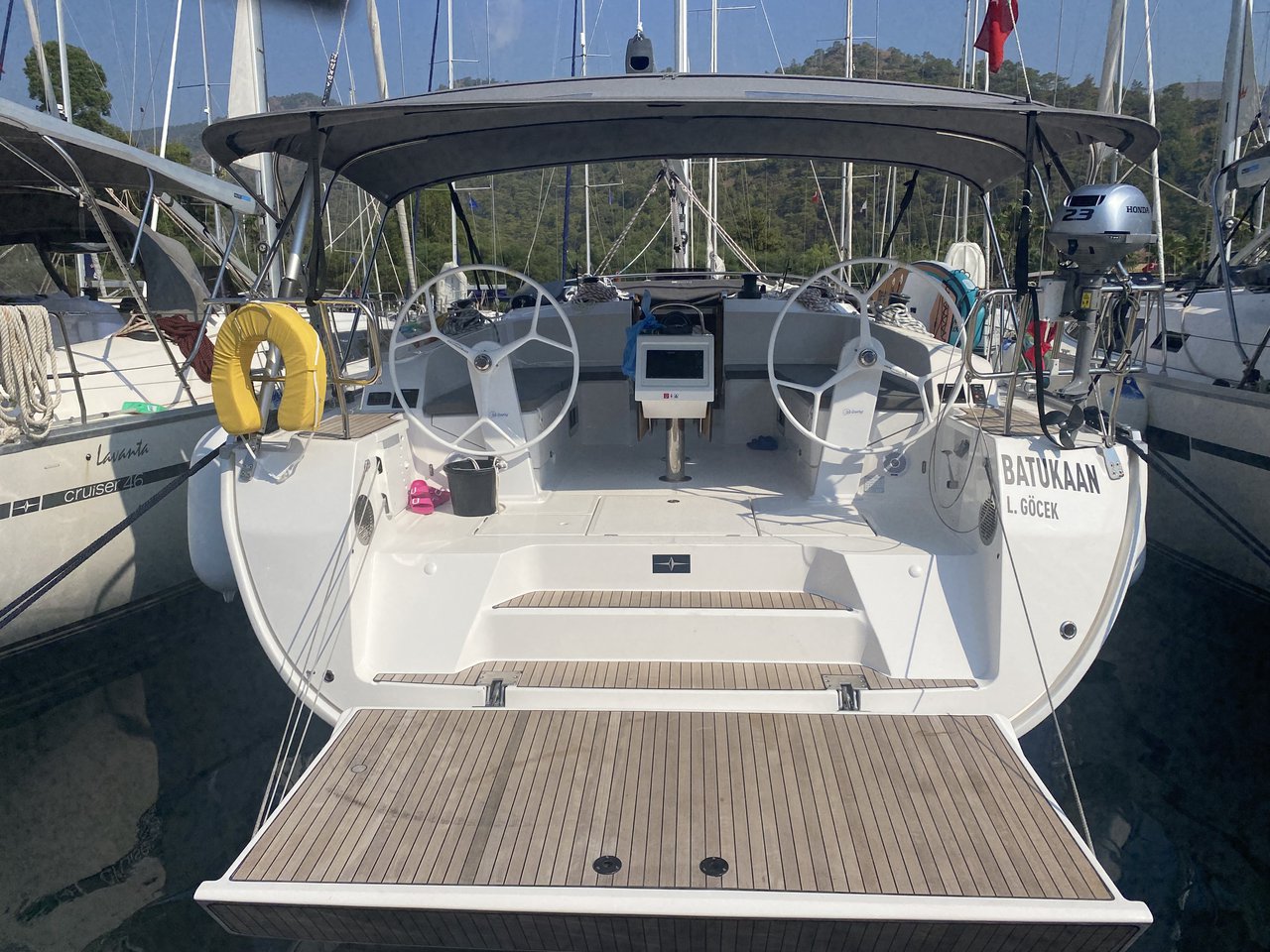 Monohull
 MonohullMonohull
 Catamaran
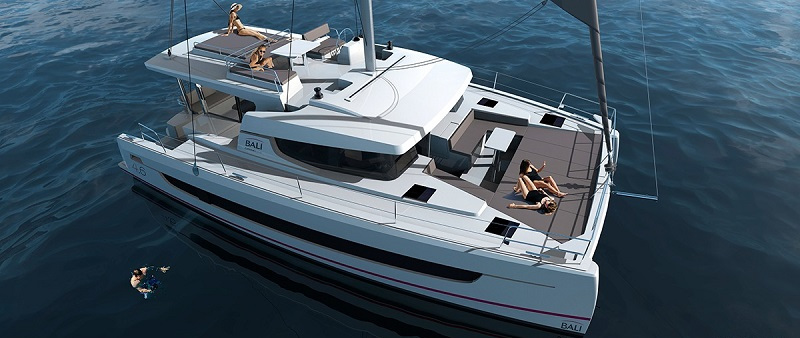
Ediba Scorpio
Bali 4.6 - 4 + 1 cab. · 2022Marmaris, Turkey
9 guests4 cabins14 m
€10,550 / week
+ CompareMonohullFirst Step
Bavaria Cruiser 46 - 4 cab. · 2022Bodrum/Turgutreis/D-Marin, Turkey
8 guests4 cabins14 m
€4,000 / week
+ Compare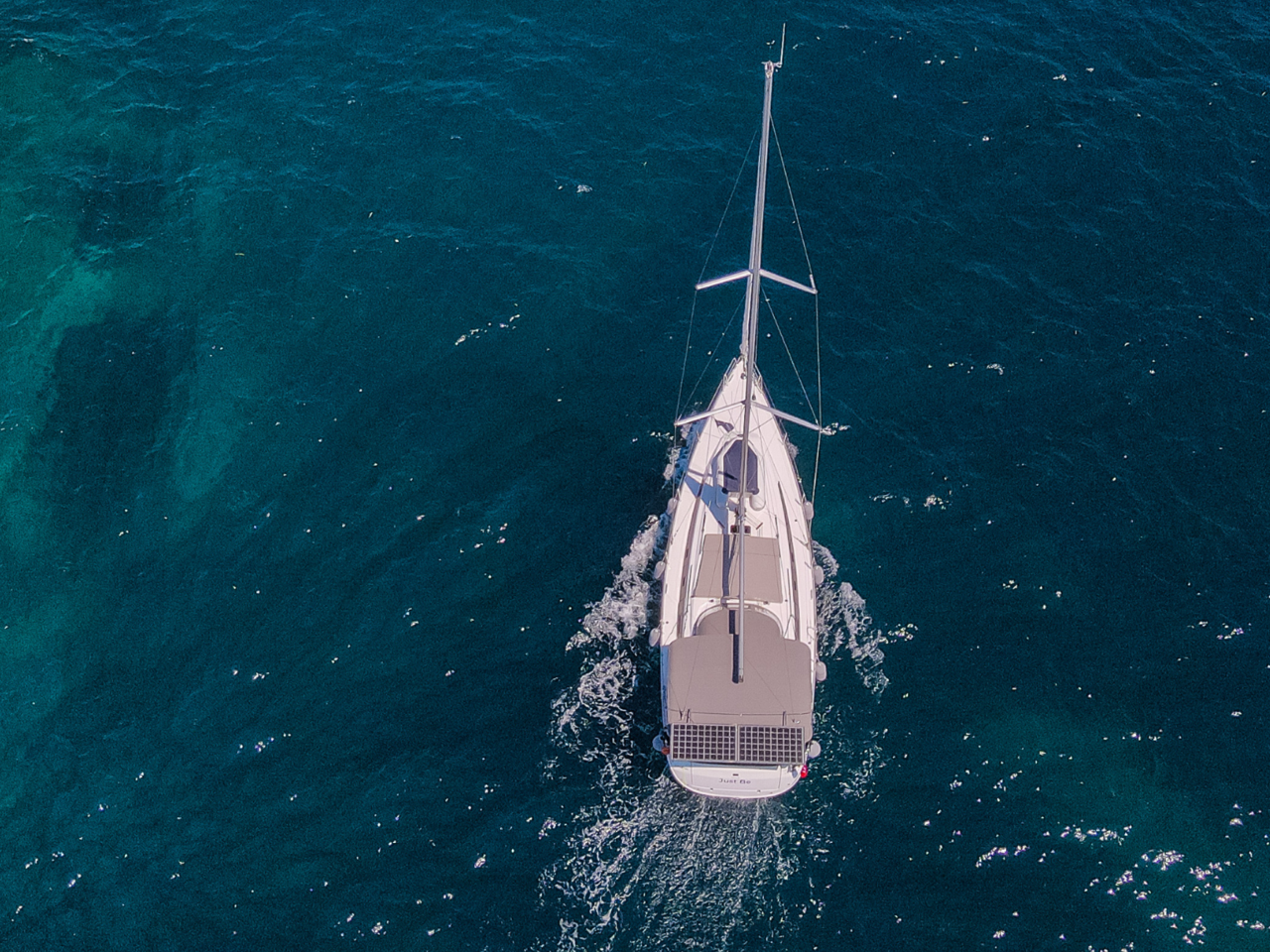 Monohull
 Catamaran
 MonohullMonohull
Miber Stella
Bavaria Cruiser 46 - 4 cab. · 2022Fethiye, Turkey
8 guests4 cabins14 m
€2,518 / week
+ CompareMonohullOkto Sailors
Bavaria Cruiser 46 - 4 cab. · 2022Fethiye, Turkey
8 guests4 cabins14 m
€2,421 / week
+ CompareTalk to an expert
Get three options.
Turkey
01Why sail Turkey
The Turkish coast is a run of deep, sheltered gulfs with pine forest coming right down to the water and Lycian ruins on the headlands. You anchor off a beach for lunch, tie the stern line to a tree in a bay with no road access, and eat gözleme at a jetty restaurant that only opens for boats. The water is warm from May onward and clear enough to see your anchor set at 8m. It's less busy than the neighbouring Greek islands, the harbours are cheaper, and the run of bays between Bodrum and Göcek gives you weeks of sailing without ever leaving flat water for long. Right for first charterers, families, and anyone who wants swimming-off-the-boat over passage-making.
02The sailing areas and harbours
Most charters run out of the southwest corner. The Gulf of Gökova, west of Bodrum, is a long protected inlet with English Harbour, Seven Islands, and Longoz among its anchorages — sheltered, wooded, no swell. South of that the Datça peninsula splits the Gökova from the Hisarönü gulf, with the town of Datça and the ruins at Knidos on the tip. Further east, Göcek and its twelve islands sit inside a natural harbour that barely feels the open sea, which makes it the easiest cruising ground on the coast. Bodrum itself is the main charter town, busy and marina-heavy, with the castle over the harbour. Marmaris is the other big base further south. Between them you get quiet stern-to bays, town quays, and a handful of proper marinas for provisioning.
03Season and winds
The season runs May to October. The prevailing summer wind is the meltemi, the same north-westerly that blows across the Aegean, but the gulfs shelter you from the worst of it — inside Gökova and around Göcek it's usually a manageable Force 3 to 5 that fills in through the afternoon and drops at night. July and August are hottest, busiest, and windiest; expect 30-plus degrees and afternoon breeze that can gust hard on exposed passages. May, June, September and early October are the better months — warm water, lighter crowds, wind you can plan around. Mornings are often calm, so many crews motor early and sail the afternoon. Autumn brings the odd thunderstorm but stays warm well into October.
04Charter types available
You can book bareboat if you hold a recognised sailing qualification, skippered with a local captain who knows the anchorages, or cabin charter where you take a berth on a shared boat. Monohulls dominate the fleet — comfortable 40 to 50-footers suit most families and groups — and catamarans are widely available for those who want space, shallow draft, and stable decks for swimming. Gulets, the traditional wooden motor-sailers, are a Turkish speciality and run as fully crewed charters with a cook aboard; they're a different kind of holiday, more floating hotel than sailing trip. For a first bareboat, the Göcek gulf is the softest place to start.
05Realistic costs
Boat hire is quoted per week and varies with size, age and season. As a rough guide, a mid-size bareboat monohull in shoulder season sits in the €2,500–€5,000 range per week; newer catamarans and peak-August dates run well above that. Skippered charter adds roughly €180–€220 per day for the captain plus their food. Budget separately for fuel, marina and harbour fees, the end-of-charter clean, and a security deposit held against the boat. Turkey also charges a transit log and cruising fees for foreign-flagged charters. Provisioning is cheap by Mediterranean standards. For a firm quote on a specific boat and week, message us on WhatsApp — price on request for anything we haven't listed.
06A sample week from Göcek
Day 1 — Board at Göcek, provision, and motor to Boynuz Bükü or one of the Twelve Islands for a first-night anchorage and swim. Day 2 — Sail down to Wall Bay (Tersane) with its old shipyard ruins; stern-to a jetty restaurant. Day 3 — Cross to Ekincik and take a river-boat trip up the Dalyan delta to the rock tombs and Iztuzu beach. Day 4 — Long sail west toward the Gulf of Gökova; anchor at English Harbour, a landlocked bay with a beach bar. Day 5 — Seven Islands and Longoz — tree-lined, calm, good for a lazy day. Day 6 — Work back east, stopping at Bedri Rahmi bay for the painted rock. Day 7 — Final anchorage near Göcek, swim, and return to base the morning of Day 8. Distances are short; you'll motor the calm mornings and sail the afternoon breeze.
07Getting there
Most crews fly into Dalaman for Göcek and Marmaris, or Bodrum-Milas for the Gökova and Bodrum bases. Both have summer connections from across Europe; transfers to the marinas take 20 minutes to an hour. Most nationalities enter Turkey visa-free or with an e-visa bought online before travel — check your own passport rules, as they change. The charter base handles the transit log and paperwork on arrival. Bring your sailing certificates and the crew list for a bareboat. Provisioning is easy from marina supermarkets, and there are ATMs and chandlers at all the main bases.
Practical information
01Entry & getting thereVisa & entry requirements
Türkiye is not in the EU or Schengen — it runs its own entry rules, and days spent here do not count against your Schengen 90/180 allowance (useful if you are stringing Mediterranean trips together). Citizens of most European countries, the UK, the US, Canada and Australia enter visa-free for up to 90 days in any 180-day period. Many other nationalities use the official e-visa, applied for online at evisa.gov.tr before travel — use that site only, and skip the copycat agencies that charge more for the same thing.
Your passport needs at least 150 days' validity from the day you arrive (60 days beyond the standard 90-day stay) and one blank page. Get your passport stamped on entry, and check your own government's travel advice before you fly — rules change.
02Entry & getting thereGetting there
Two airports serve almost every Turkish charter base. Dalaman (DLM) is the gateway to Göcek (25 minutes), Fethiye and Marmaris — the heart of charter country. Milas-Bodrum (BJV) covers Bodrum and the Gulf of Gökova, about 35 minutes from the marinas. Antalya (AYT) serves the eastern Lycian coast (Kaş, Kemer, Finike), and İzmir (ADB) covers the northern Aegean around Çeşme and Kuşadası.
In season, direct flights reach Dalaman and Bodrum from most of Europe. From further afield, fly into Istanbul (IST or SAW) — one of the world's best-connected hubs — and hop down on a short domestic flight; that route also keeps working in winter when direct coastal routes thin out. Transfers from airport to marina are cheap and easy to pre-book.
03Entry & getting thereTime zone & daylight saving
Türkiye runs on Turkey Time (TRT), UTC+3, all year round — daylight saving was abolished in September 2016, when the country stayed permanently on what had been summer time. The IANA zone is Europe/Istanbul.
Practically: Turkey is 2 hours ahead of central Europe in winter and 1 hour ahead in summer (since Europe still changes its clocks and Turkey doesn't), and 3 hours ahead of the UK in winter, 2 in summer. Your charter week never catches a clock change — one less thing to think about.
04MoneyCurrency & exchange
Türkiye uses the Turkish lira (TRY, ₺). Inflation has run high for years — consumer prices were still rising at over 30% a year into 2026 — so lira prices move constantly and charters, hotels and many tours are quoted in euros instead; day-to-day spending ashore stays in lira. Don't change a large sum before you fly: rates inside Turkey are usually better than at home.
ATMs are everywhere in the charter towns and accept Visa and Mastercard around the clock; bank fees of roughly 1–3% apply, so compare with the exchange offices (döviz) in town centres, which typically beat airport and hotel desks. Whatever you use, always choose to be charged in lira when a machine offers your home currency — the built-in conversion rate is never in your favour.
05MoneyPayment methods
Cards are widely accepted in Türkiye — Visa and Mastercard, contactless included, work in supermarkets, restaurants, fuel docks and marinas throughout the charter towns. Two local habits to know: some smaller businesses add a fee for card payments or offer a better price for cash, and terminals occasionally offer to charge your home currency — decline and pay in lira, every time.
Carry a sensible float of lira cash for markets, small lokantas, dolmuş rides, mooring fees in small harbours and tips. Euros and dollars are accepted in some tourist businesses, but at the seller's rate — you do better paying lira. There's no need to arrive with lira; airport ATMs solve it on landing.
06MoneyTipping culture
Tipping is customary in Türkiye and genuinely welcome — wages in hospitality are modest — but amounts stay relaxed. In restaurants 5–10% is the norm, rising to 10–15% in upmarket places; check the bill first, as some smarter restaurants add a service charge. In cafés and bars, rounding up or leaving small change is plenty. Taxis: round the fare up, a little more if the driver handles bags.
Tip in cash even when you pay the bill by card — hand it to the server or leave it in the bill folder, in lira for preference. On skippered and crewed charters (a gulet crew especially), a discretionary tip at the end of a good week is a well-established courtesy; give it to the captain to share with the crew.
07MoneyCost of living
Türkiye can still be excellent value, but years of high inflation have retired the old "everything is cheap" assumption — the resort belt now prices closer to Greece, while local spots stay affordable. As a guide: street food €1–3.50, a proper meal in a local lokanta €6–12, dinner in a tourist-town restaurant €14–35 a head, a glass of tea well under a euro. A döner runs 100–150 TL, a full kebab plate 350–500 TL.
The spread is the story: the same dinner costs half as much two streets back from the harbour, and markets are terrific value for provisioning the boat. Lira prices drift with inflation, so treat any printed number as a snapshot — the relative picture holds.
08Rules & permitsSailing regulations & permits
Türkiye requires a certified skipper on every bareboat charter. The skipper needs a recognised qualification — an ICC or an equivalent such as RYA Day Skipper — and most operators also ask for a VHF radio certificate; originals come with you, and the licence is submitted ahead of the charter because the harbour master will not issue the boat's paperwork without it.
That paperwork is the transit log: the yacht's official permit to navigate Turkish waters, carrying the crew list. The charter company arranges it at check-in, it stays aboard for the week, and any mid-charter crew change must be entered and authorised by the harbour master where it happens. A standard charter is licensed for Turkish waters only — crossing to the Greek islands mid-week needs separate customs clearance and is not part of a normal transit log, so plan Greek side-trips as a different holiday.
09Rules & permitsSubstances & laws
The legal age to buy and drink alcohol is 18. Alcohol is freely available in resorts, restaurants and licensed shops, but supermarkets and shops cannot sell it between 22:00 and 06:00 (bars and restaurants are unaffected), and drinking on the street outside licensed venues is restricted in most towns. Recreational drugs are treated with severity rare even by European standards — possession of any amount, cannabis included, risks a prison sentence of 4 to 24 years. Don't bring anything aboard, full stop.
Duty-free arrival allowances (18+): 1 litre of spirits over 22% plus 2 litres under 22%, and up to 600 cigarettes (200 brought in, 400 more from the arrivals duty-free shop). Vape sales are banned in Türkiye; travellers are tolerated one personal device with a small amount of liquid. Prescription medicine is fine in original packaging with the prescription. And a rule sailors trip over: buying or exporting antiquities is a crime carrying 5 to 12 years — that amphora shard from the seabed stays on the seabed.
10Rules & permitsFishing regulations
Türkiye is friendlier to holiday fishing than most of the Mediterranean: foreign visitors may fish recreationally — from shore or boat — without a licence, provided they use amateur, non-commercial gear. Rod and line is the safe zone (up to four rods per person); nets, traps and anything commercial-grade are off-limits without permits, and selling your catch is strictly forbidden.
The rules are set by the Ministry of Agriculture and Forestry's amateur-fishing communiqué and they have teeth: minimum landing sizes (sea bass 25 cm, gilthead bream 20 cm), daily bag limits for some species, closed areas around harbours and military zones, and a hard list of protected species — turtles, dolphins, seahorses, sandbar sharks — that must never be taken. Spearfishing has its own tighter rules (never on scuba). If you plan to troll a line on passage, stick to amateur gear and current size limits, and you are legal.
11Rules & permitsWildlife protection laws
Turkish law protects the charismatic marine life you are most likely to meet. Loggerhead turtles (Caretta caretta) nest on the beaches between Dalyan and Patara — İztuzu "Turtle Beach" has been protected since 1988 and is one of the Mediterranean's most important nesting sites, closed at night in the May–October season. Mediterranean monk seals, among the rarest mammals on earth, survive around Foça and quiet stretches of the Aegean; dolphins, seahorses and sea turtles are all protected species that must never be harmed, chased or taken.
Much of the charter coast sits inside Special Environmental Protection Areas — Köyceğiz-Dalyan, Göcek-Dalaman and Kaş-Kekova among them — with their own rules. The famous one: over the Sunken City at Kekova, swimming, snorkelling and diving are banned, and boats pass slowly along a marked route. Admire from deck, give nesting beaches a wide berth at night, and slow right down when turtles surface near the boat.
12Rules & permitsInsurance requirements
The charter yacht comes insured — hull and third-party cover are included, and your exposure for damage is capped at the security deposit, typically €2,000–€5,000 blocked on a credit card at check-in and released after undamaged return. Most operators offer an optional damage waiver that shrinks that risk to a small non-refundable premium; read the exclusions, as gross negligence voids it. Third-party deposit insurance is also sold if you prefer.
Travel insurance is not optional here: the UK GHIC/EHIC and other European health cards are NOT valid in Türkiye, so every medical bill is yours without cover. Take a policy with proper medical and evacuation cover, and add holiday-cancellation insurance when you book — we don't insure charters or holidays, and cancellation cover is the only thing that protects your payment if life intervenes.
13Health & safetyEmergency contacts
All emergencies (nationwide): 112 — one number for ambulance, police, fire and coast guard, with foreign-language support
Coast Guard (sea rescue): 158
Police (direct): 155
Fire (direct): 110
Gendarmerie (rural areas): 156
At sea, call 158 or hail the Turkish Coast Guard on VHF channel 16. Türkiye has unified its emergency services under 112, but the older direct numbers still connect. All are free from any Turkish landline or mobile.
14Health & safetyHealthcare & hospitals
Healthcare on the Turkish coast is a two-tier story: state hospitals cover every district town, and the private hospitals that serve the charter belt — Acıbadem in Bodrum, the Esnaf and Letoon hospitals in Fethiye, private clinics in Marmaris and Antalya — are modern, fast and used to foreign patients, with English-speaking staff. The UK FCDO publishes a list of medical practitioners in Turkey with English speakers. Private treatment is paid at the door, which is exactly what your travel insurance is for.
Pharmacies (eczane) are plentiful in every sailing town and pharmacists handle minor complaints well, but note that British and other foreign prescriptions are not accepted — bring enough of your regular medication for the trip, in original packaging. In an emergency dial 112 for an ambulance.
15Health & safetyVaccinations
No vaccinations are required to enter Türkiye. Health authorities recommend being current on routine vaccines (MMR, tetanus-diphtheria, polio, flu, COVID-19), plus hepatitis A for most travellers and hepatitis B for many; typhoid is suggested if you'll eat well beyond the tourist restaurants or travel rurally. Rabies exists in Turkish street dogs — the vaccine is only for special itineraries, but keep a respectful distance from strays and seek care promptly if bitten.
Check current advice about eight weeks before you fly (CDC, or TravelHealthPro for UK travellers), stick to bottled water, and you've covered the realistic health risks of a charter week.
16Health & safetyWater drinkability
Don't drink the tap water. Municipal water in Turkish cities is treated, but aging pipes, heavy chlorination and variable quality mean even locals largely drink bottled water, and visitors who drink from the tap commonly regret it. Bottled water is the norm everywhere, costs very little, and every market and restaurant sells it; brushing your teeth with tap water is fine.
On board, treat the yacht's tank water as washing and cooking water, not drinking water — provision bottled water generously in summer heat, and top up whenever you pass a market. Many crews take a few 5-litre bottles rather than endless small ones; less plastic, same water.
17Health & safetyEnvironmental hazards
The wind to respect is the meltemi — a dry northerly that blows across the Aegean from roughly mid-May to mid-September, hardest in July and August, when open-water stretches see sustained Force 6–7 with stronger gusts and channels funnel it harder still. The Turkish coast is kinder than the open Cyclades: the gulfs of Gökova, Hisarönü and Datça and the Göcek archipelago offer sheltered water in almost any blow. Check the forecast every morning and plan exposed crossings early in the day; the meltemi typically peaks in the afternoon.
In the water the hazards are small and manageable: sea urchins carpet rocky entries (water shoes solve them — an invasive long-spined species has joined the locals in recent years), jellyfish drift through some weeks, and stepping on a weever or scorpionfish is the rare-but-painful one, so shuffle your feet on sandy bottoms. Add serious sun protection and you've met every hazard a Turkish charter week is likely to offer.
18Weather & seaWeather & best seasons
The charter season runs from late April to the end of October. July and August are hot — regularly 35°C on the Aegean coast — and the busiest and priciest weeks. May, June, September and early October bring warm seas, kinder temperatures and quieter anchorages, which is why repeat charterers aim for the shoulders; September is many skippers' favourite month.
The wind that defines the Turkish Aegean is the meltemi — a dry northerly that blows from roughly June to September, peaking in July and August. It typically builds late morning, blows 15–25 knots through the afternoon (more around Bodrum and Datça) and eases towards evening. The Gulf of Fethiye and the Göcek bays are famously sheltered, and the Lycian coast east of Fethiye sees gentler afternoon sea breezes. Past patterns are a guide, not a promise — always sail to the current forecast.
19Weather & seaSunrise & sunset by season
The Turkish coast gets long sailing days: around 14–15 hours of daylight at midsummer against roughly 9.5 in midwinter. One quirk to know — Türkiye stays on UTC+3 all year and does not observe daylight saving, so summer sunrises come early (about 05:45 in Bodrum in June) and sunsets land around 20:30; there is no late-evening twilight stretch like Western Europe's, and days shorten quickly through October.
Plan passages accordingly: early starts are beautiful and calm before the meltemi fills in, and dinner ashore fits neatly after sunset. For exact times at your harbour and week, check a per-city table such as timeanddate.com or gaisma.com — both cover Bodrum, Fethiye, Marmaris and Göcek.
20Weather & seaConservation tips
The Muğla coast — Bodrum round to Fethiye, the heart of charter country — runs Türkiye's strictest clean-sea regime. Every yacht carries a Blue Card (Mavi Kart): discharging any waste water is forbidden, and pump-outs at marina and mobile stations are logged electronically against the card, so use the pump-out network and keep your card's record honest. In the Göcek bays, a paid smart-mooring system (nearly 200 buoys) now replaces anchoring in the most popular coves; anchoring is banned over the posidonia seagrass meadows, stays in the Göcek–Dalaman coves are capped at 11 days, and you keep 100 m clear of marked swimming areas.
The habits that keep this coast worth sailing: pick sand patches when you do anchor, take rubbish ashore to marina bins, choose reef-safe sunscreen, and leave shells and sea creatures where you found them. The seagrass is the nursery of everything you'll swim over — treat the dark patches as no-anchor zones everywhere, not just where a buoy says so.
21Culture & practicalitiesLanguage & cultural tips
Turkish is the official language. In the coastal resorts — Bodrum, Marmaris, Göcek, Fethiye, Kaş — English is widely spoken in marinas, restaurants and shops, and younger Turks in the tourism trade often speak it well. Step inland or into small villages and English thins out fast, so a few words of Turkish earn real goodwill: merhaba (hello), teşekkürler (thank you), lütfen (please).
Hospitality is the culture's spine — expect to be offered çay (tea) everywhere, and accept it if you have the time. The coast is relaxed, but Türkiye is more conservative away from resort areas: beachwear stays on the beach and boat, and in mosques shoulders and knees are covered, women cover their hair, and shoes come off at the door.
22Culture & practicalitiesHistory & culture
People have sailed this coast for some 5,000 years — Carians, Lycians and Phoenicians first, then Greeks, Romans, Byzantines and Ottomans, each leaving harbours you still moor in. The Lycian shore between Fethiye and Antalya is an open-air museum: rock tombs above Myra, the sunken city at Kekova, and Patara's ruins behind its long beach. Bodrum's crusader castle houses the Museum of Underwater Archaeology, one of the world's great collections of shipwreck finds — worth a morning before you cast off.
Modern Turkish sailing culture was born here too. The gulet — the broad-beamed wooden motor-sailer you'll see everywhere — comes from Bodrum and Marmaris boatyards, and the Mavi Yolculuk (Blue Voyage) tradition of slow cruising this coast began with Bodrum's writers and intellectuals in the mid-20th century. You are sailing in their wake.
23Culture & practicalitiesNational holidays & closures
Türkiye keeps seven fixed national holidays — New Year (1 January), National Sovereignty and Children's Day (23 April), Labour Day (1 May), Atatürk Commemoration and Youth Day (19 May), Democracy Day (15 July), Victory Day (30 August) and Republic Day (29 October, plus a half day on the 28th). On top come two religious Bayrams whose dates follow the lunar calendar and move about 11 days earlier each year: Ramazan Bayramı (three and a half days, late March in 2026) and Kurban Bayramı (four and a half days, late May in 2026).
For a charter, the Bayrams matter most: banks and offices close, and the whole country goes on holiday — coastal towns, restaurants and marinas fill with domestic travellers, so book berths and tables ahead if your week overlaps. Shops and restaurants in resort areas generally stay open through all of it; provision the day before a holiday anyway.
24Culture & practicalitiesDress code & what to pack
Aboard and in the resort towns, Türkiye's coast is as relaxed as anywhere in the Mediterranean — swimwear, shorts and T-shirts rule the day, and smart-casual covers any dinner ashore. Keep swimwear for the boat and beach, and dress modestly for mosque visits: shoulders and knees covered for everyone, a headscarf for women, shoes off at the door. A light scarf in the day bag solves it.
Pack in a soft bag — gulet and yacht lockers don't take suitcases. Bring two swimsuits, deck shoes or sandals with clean soles (hard soles and heels damage teak decks), a hat, polarised sunglasses and serious sunscreen; shade at sea is scarce and the summer sun is strong. Evenings can turn breezy when the meltemi blows, so add a light windproof layer even in July.
25Culture & practicalitiesMobile & internet coverage
Coverage along the Turkish charter coast is good. Three networks — Turkcell, Vodafone and Türk Telekom — cover the towns and marinas of the Aegean and Mediterranean, with Turkcell strongest in rural stretches and Vodafone solid along the Bodrum–İzmir–Antalya belt; 4G speeds in the resort towns are respectable. Expect weak or absent signal in enclosed coves, remote bays and on open-water legs — it returns as you close a town.
Turkey is outside the EU roaming zone, so EU/UK plans charge extra here — check yours before relying on it. A travel eSIM is the easy answer, with one catch: the regulator has blocked many eSIM sellers' websites inside Turkey, so buy and install before you arrive. Local Turkcell or Vodafone tourist SIMs at the airport work fine for a charter week (the phone-registration IMEI rule only bites on stays of months). Download charts and offline maps before days in the outer gulfs.
26Culture & practicalitiesElectricity & plug types
Türkiye uses the continental European standard: 230V at 50Hz with type C and type F (Schuko) sockets — the same plugs as Germany, Croatia or Greece. EU visitors plug straight in; UK, Irish, US and most other travellers need a simple adapter, and US 110V-only appliances (hair dryers are the classic offender) also need a voltage converter. Phones and laptops are dual-voltage and only need the adapter.
Aboard, expect 12V USB charging under way and 230V sockets on shore power in marinas. Charge laptops and camera batteries on marina nights, and bring a power bank for days at anchor in the gulfs.
27Turkey questionsHow much does a yacht charter in Turkey cost?
Boats are priced per week by size, age and season. A mid-size bareboat monohull in the shoulder months typically falls in the €2,500–€5,000 range; newer catamarans and August dates cost more. On top of the boat, budget for fuel, marina fees, the transit log, an end-of-charter clean and a refundable deposit. A skipper adds roughly €180–€220 a day. Message us on WhatsApp for a firm quote.
28Turkey questionsDo I need a licence to charter a yacht in Turkey?
For bareboat you need a recognised sailing qualification — an ICC, RYA Day Skipper or equivalent — plus VHF and often a short sailing CV for the boat. If you don't hold a certificate, or you'd rather not manage the paperwork and anchorages, book skippered and a local captain comes aboard. Requirements can vary by boat, so send us your certificates and we'll confirm before you commit.
29Turkey questionsWhen is the best time to sail Turkey?
May, June, September and early October are the sweet spots — warm water, comfortable heat, and meltemi wind that's strong enough to sail but sheltered inside the gulfs. July and August are hottest and busiest, with the strongest afternoon breeze on exposed passages. The season runs May to October; autumn stays warm well into October with the occasional thunderstorm.
30Turkey questionsWhere should I start a charter in Turkey?
Göcek is the easiest base — a natural harbour with twelve islands, flat water and short hops, ideal for a first bareboat or a relaxed family week. Bodrum and Marmaris are the busier towns with more boats and nightlife, and they open onto the Gulf of Gökova and the Datça peninsula. Dalaman airport serves Göcek and Marmaris; Bodrum-Milas serves Bodrum.
31Turkey questionsIs Turkey good for a family sailing holiday?
Yes. The gulfs around Göcek and Gökova are sheltered, the passages are short, and there's warm swimming off the boat at almost every anchorage. Many bays have jetty restaurants where you tie stern-to and step ashore for dinner. Catamarans give more deck space and a stable platform for kids. If you'd rather not skipper, book with a captain and spend the days swimming rather than sailing.
32Turkey questionsWhat kind of boats can I charter in Turkey?
Monohulls from around 40 to 50ft suit most groups and families, and catamarans are widely available for extra space and shallow-draft anchoring. Turkey's own speciality is the gulet — a traditional wooden motor-sailer chartered fully crewed with a cook aboard, which runs more like a floating hotel than a sailing trip. Tell us your crew size and whether you want to sail or be looked after, and we'll match a boat.
33Turkey questionsDo I need a visa to visit Turkey for a charter?
Most visitors enter visa-free or with an e-visa bought online before travelling — the exact rule depends on your passport, so check your own nationality as requirements change. Your charter base handles the boat's transit log and cruising paperwork on arrival; you just bring passports, sailing certificates and a crew list. Dalaman and Bodrum-Milas are the main arrival airports with summer connections across Europe.
34Turkey questionsWhere can I sail in Turkey?
We charter across Aegean and Mediterranean. Each area has its own page with the live fleet for your dates.
35Turkey questionsWhat kind of yachts are available in Turkey?
Bareboat if someone on your crew holds a licence, crewed if you would rather a skipper did the work. The grid above is live from our operator system and always shows what is actually free.
36Turkey questionsHow do I get a quote?
Tell us your dates, your group and the area you fancy. Same day, we send three real options with honest trade-offs.