 Catamaran
Sail Sicily.
Live fleet
Catamaran Monohull
 Catamaran
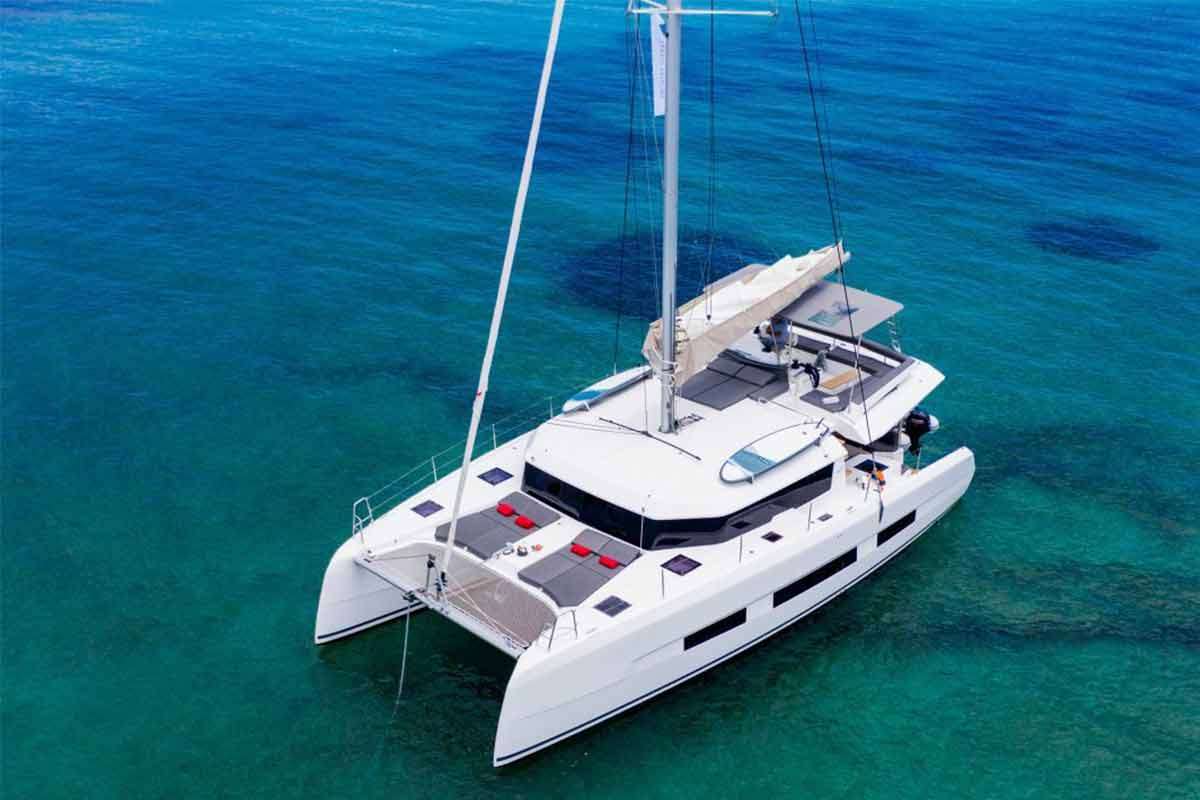
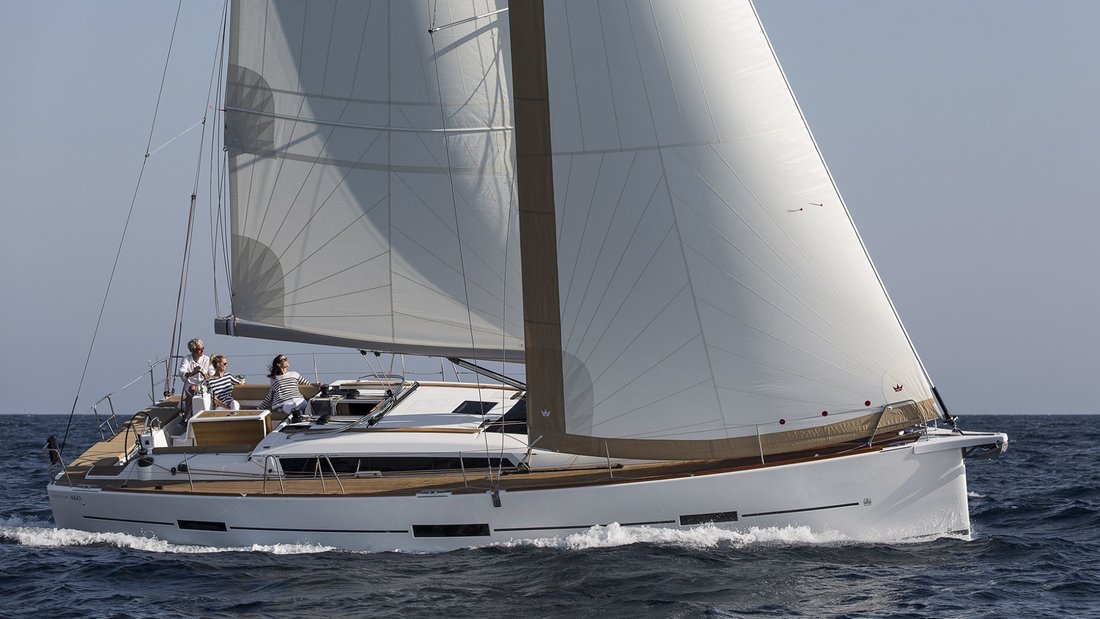
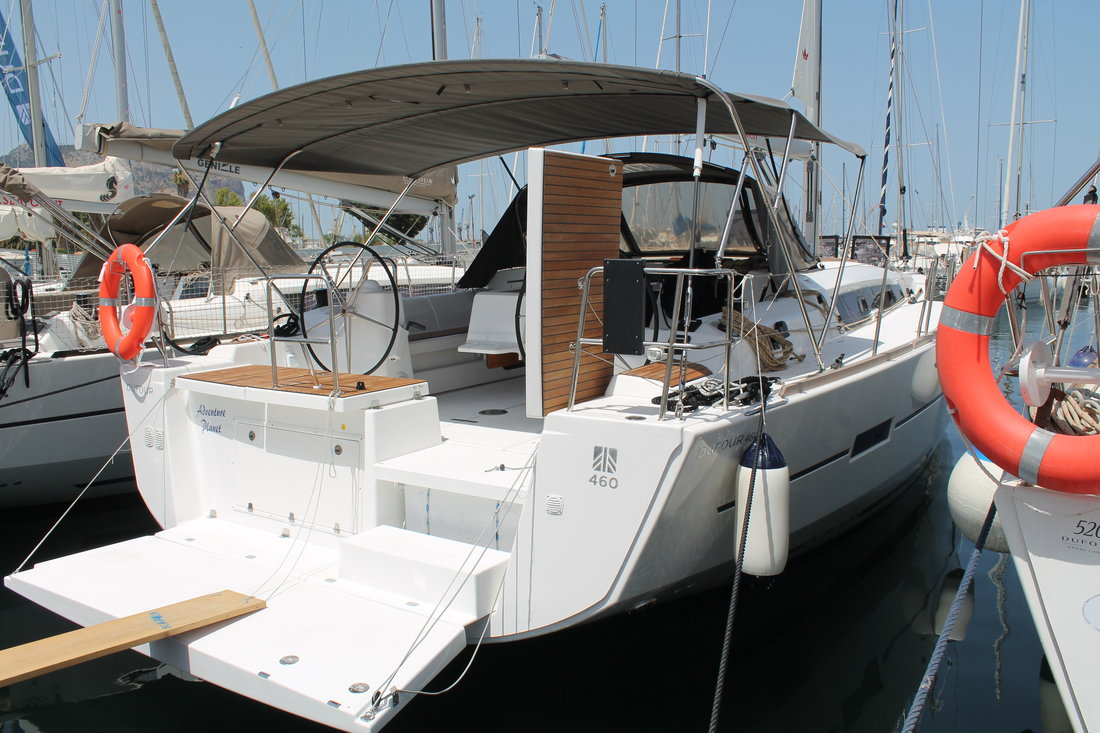
Paradise Planet
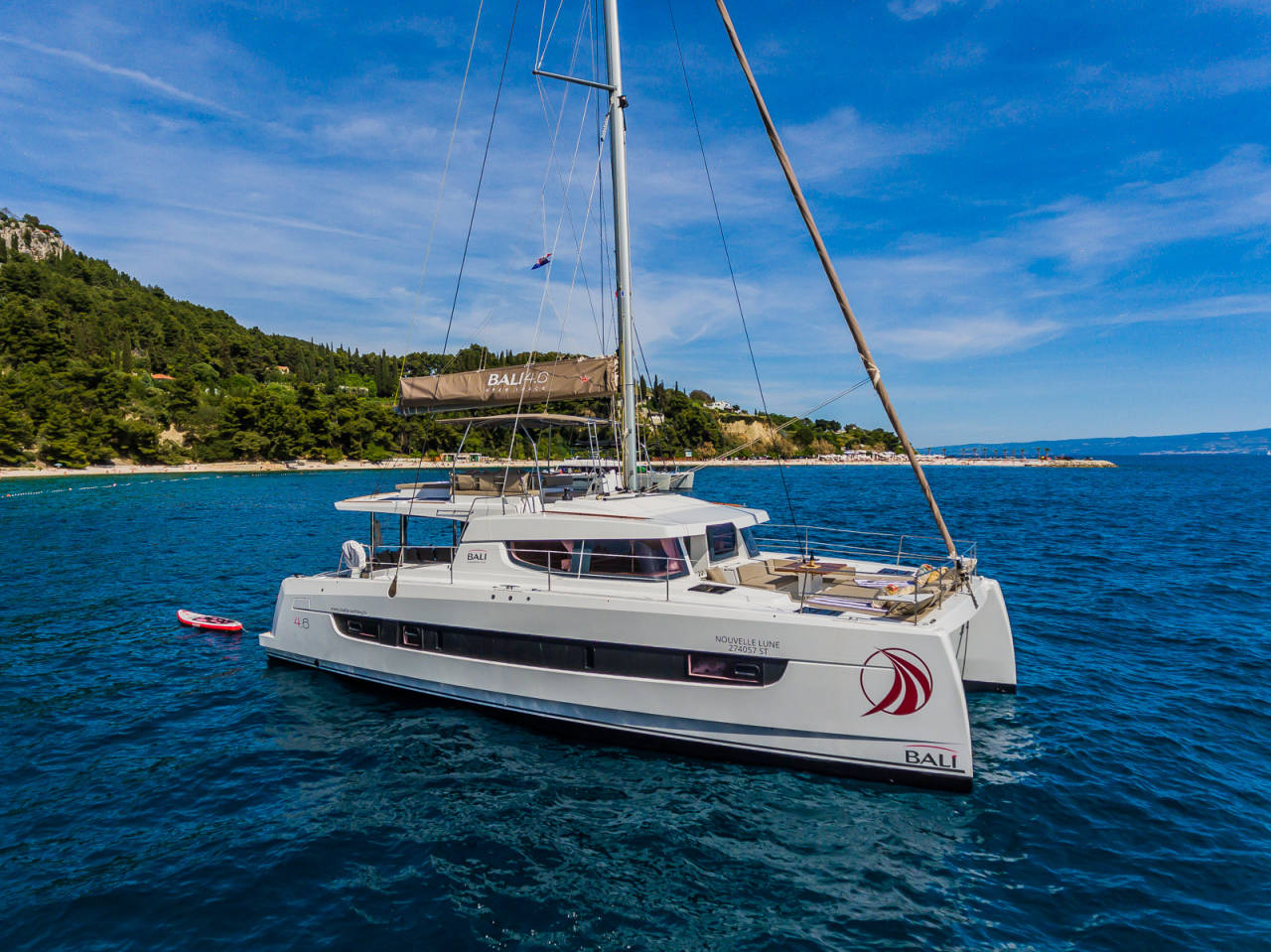
Dufour 48 Catamaran - 5 + 1 cab. · 2020Marsala, Italy
14 guests5 cabins15 m
€5,940 / week
+ Compare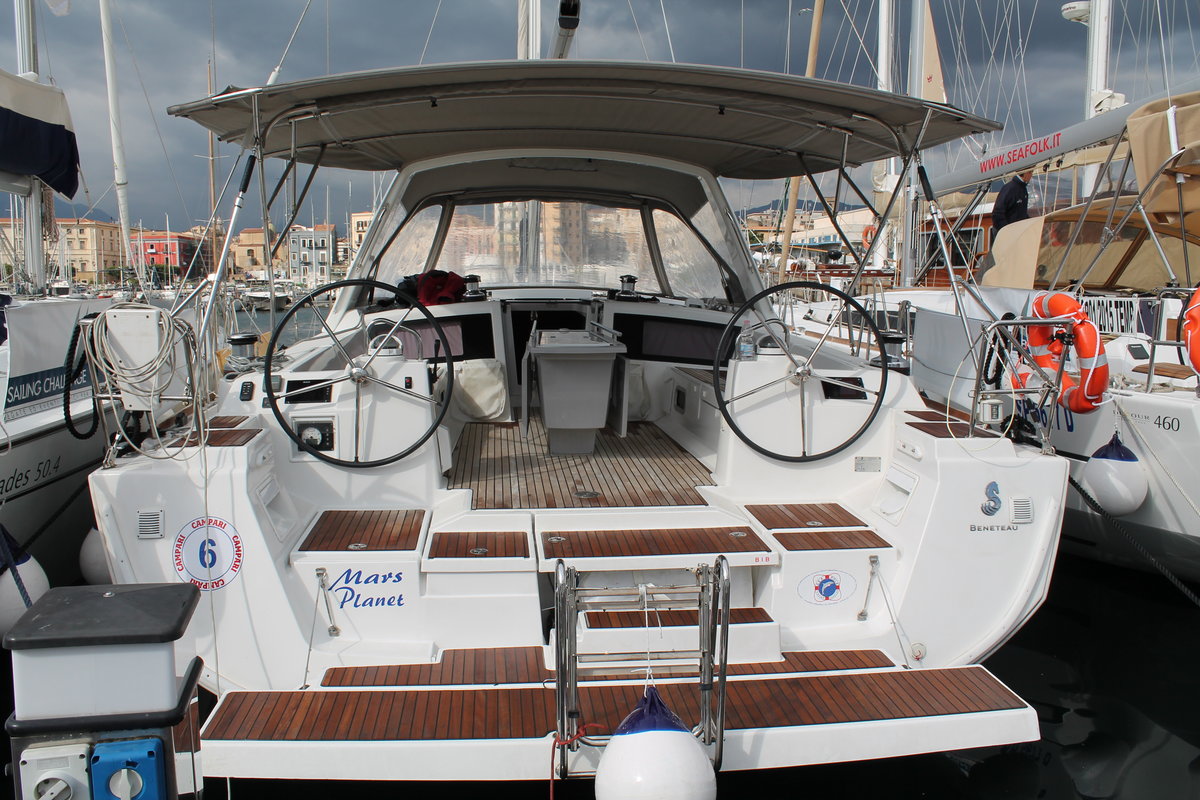 Monohull
 Monohull
 Catamaran
 Catamaran
 Monohull
 Monohull
 Monohull
 Catamaran
 Catamaran
 Catamaran
 Catamaran
 Catamaran
 Monohull
 Monohull
 Monohull
 Catamaran
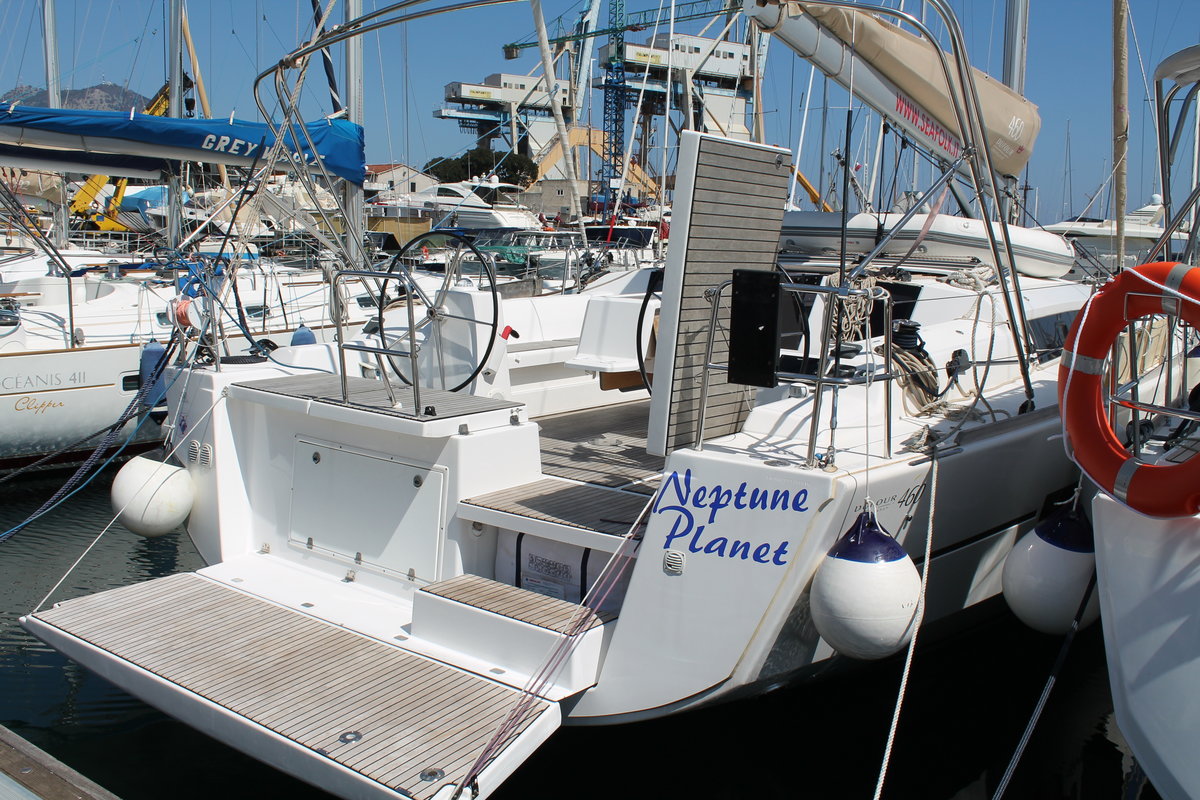
Hakuna Matata
Lagoon 450 F - 4 + 1 cab. · 2020Sicily, Italy
11 guests4 cabins14 m
€4,900 / week
+ Compare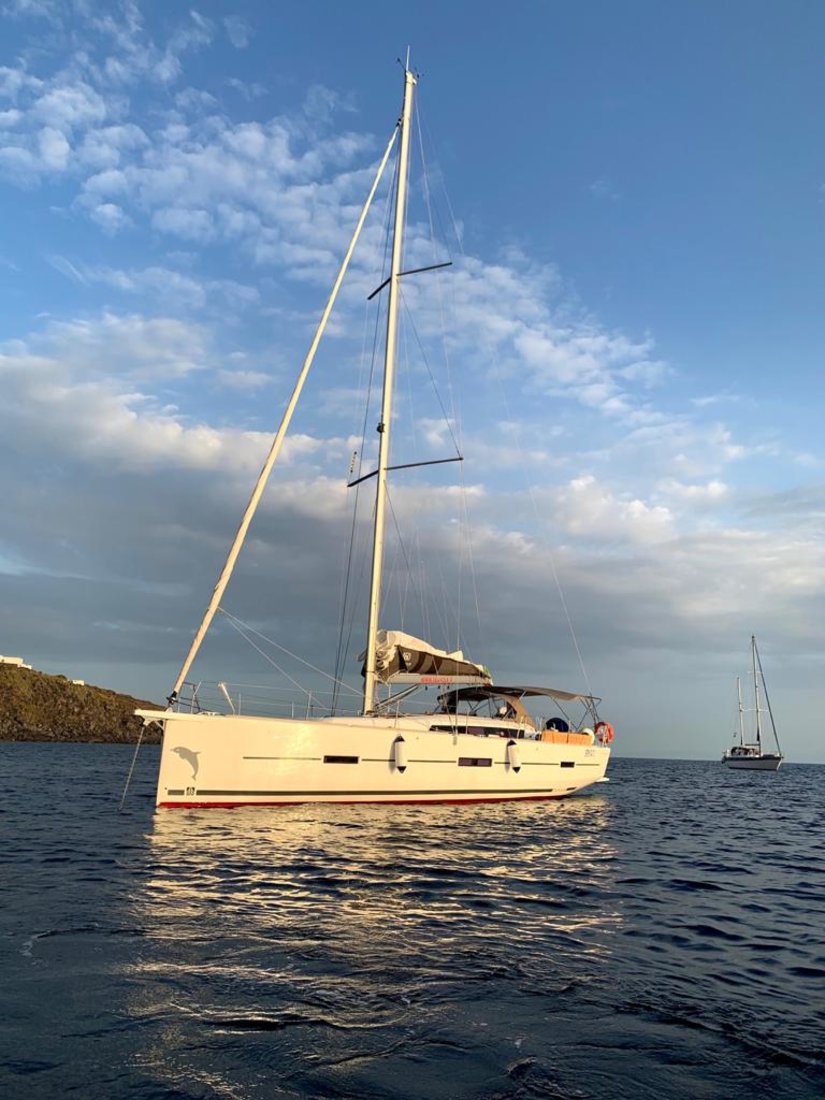 MonohullMonohull
 MonohullMonohullMonohull
 Monohull
 Monohull
 Catamaran
 Catamaran
 Monohull
 Catamaran
Maravigghia
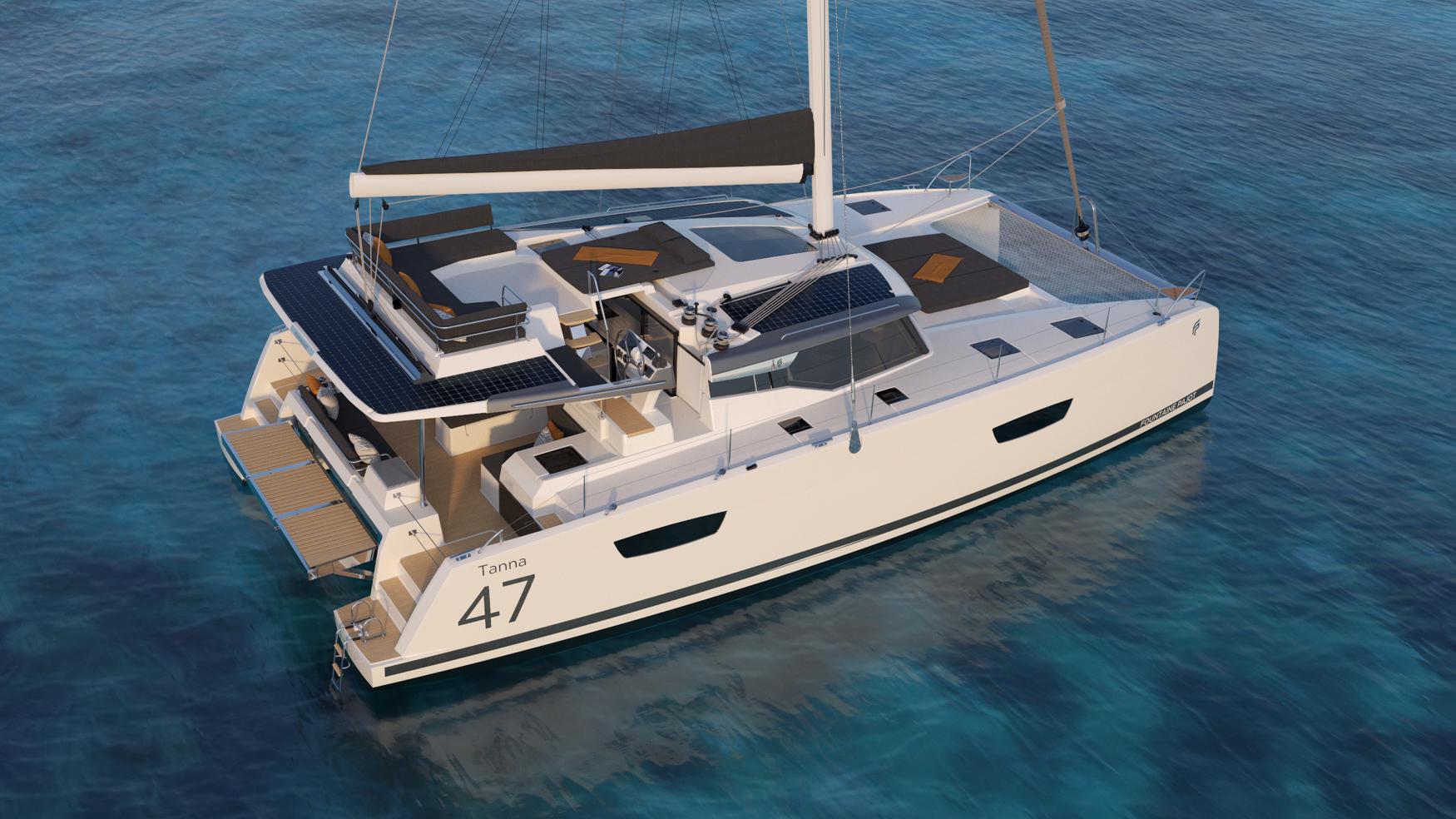
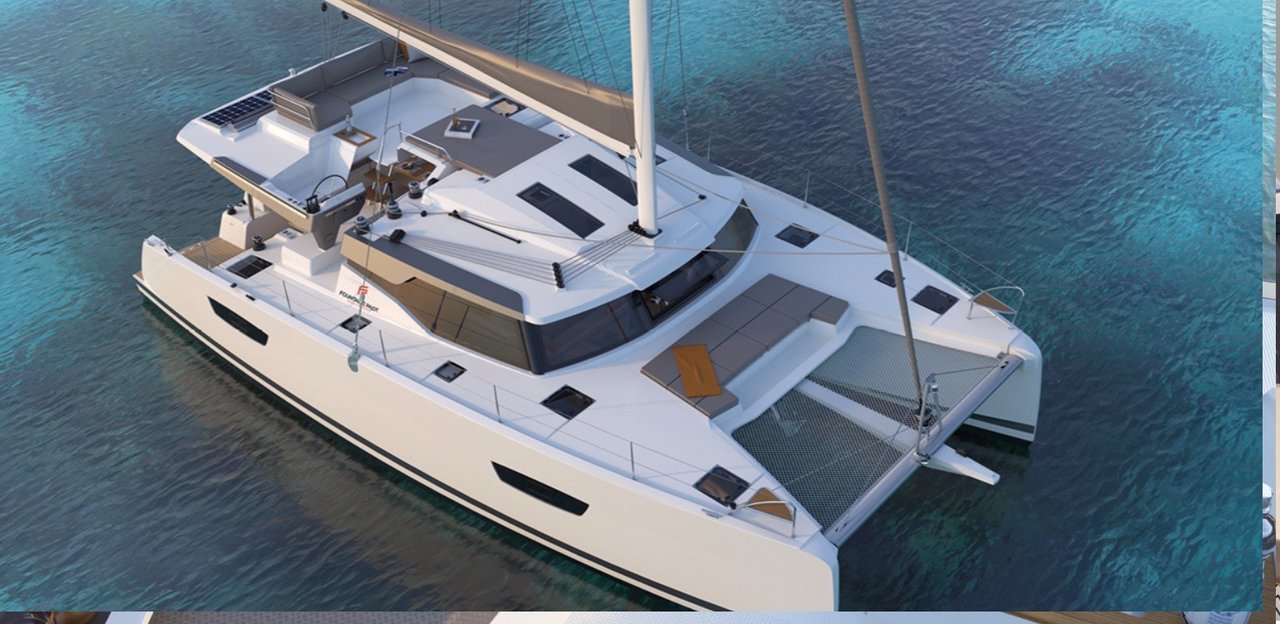
Fountaine Pajot Elba 45 - 4 + 2 cab. · 2025Palermo, Italy
12 guests4 cabins13 m
€7,000 / week
+ Compare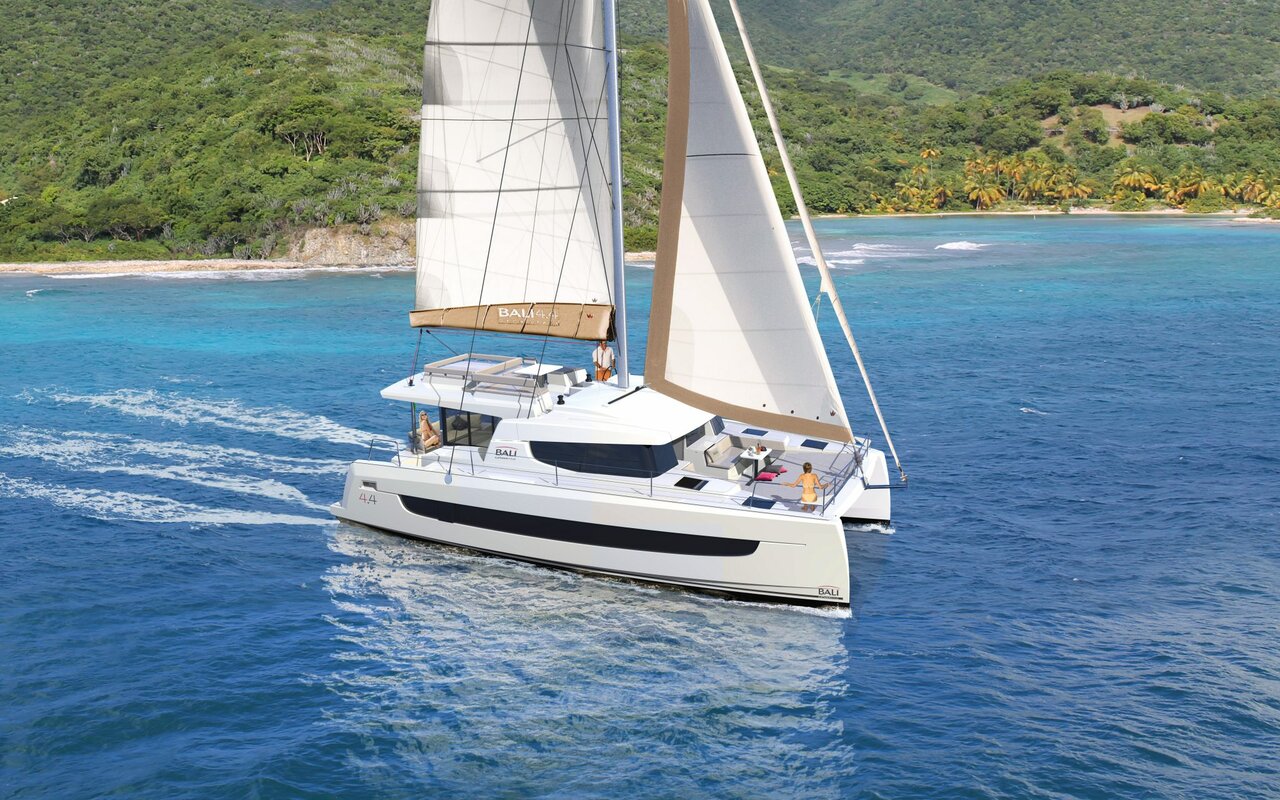 Catamaran
 Monohull
 Monohull
 Monohull
 MonohullMonohull
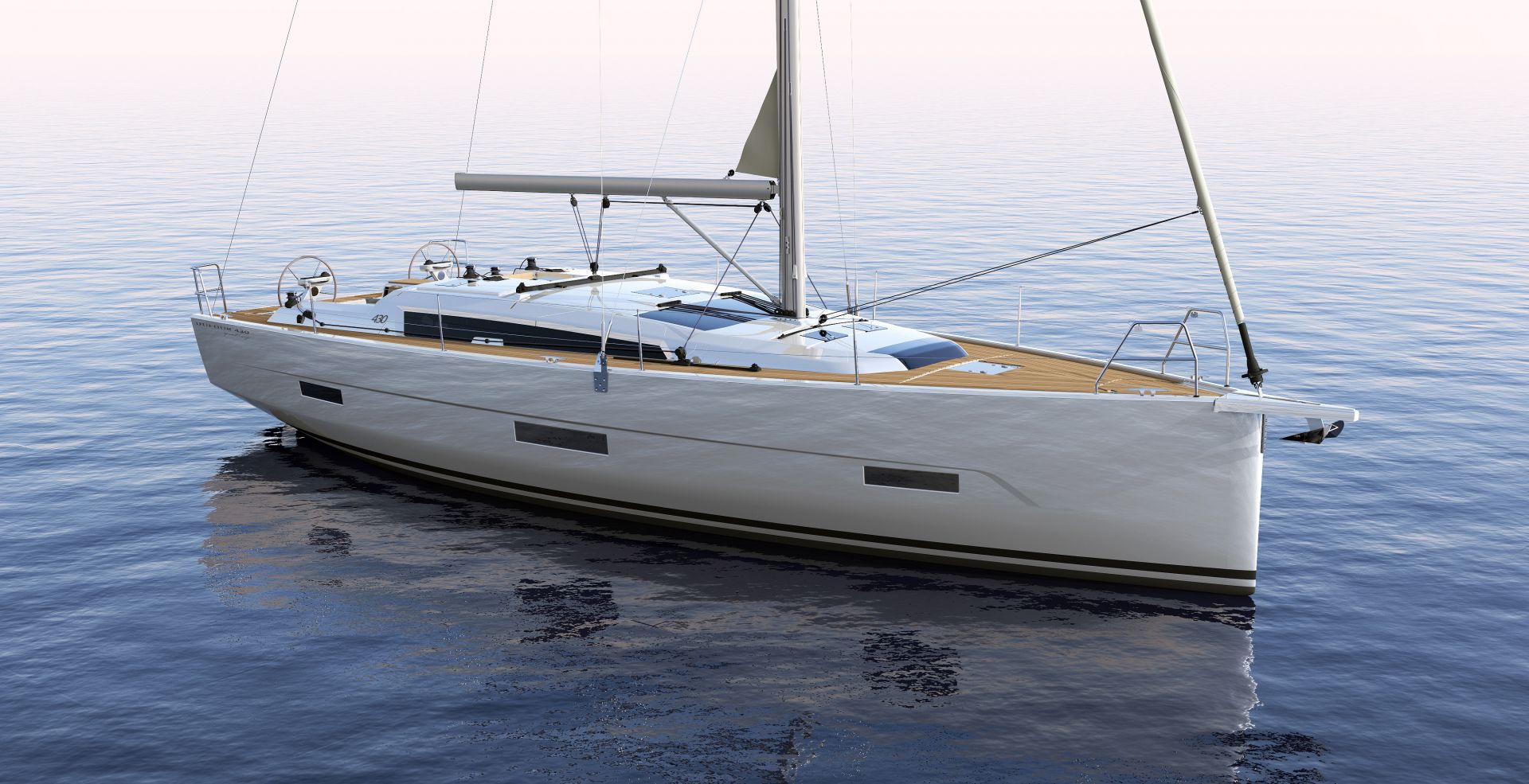
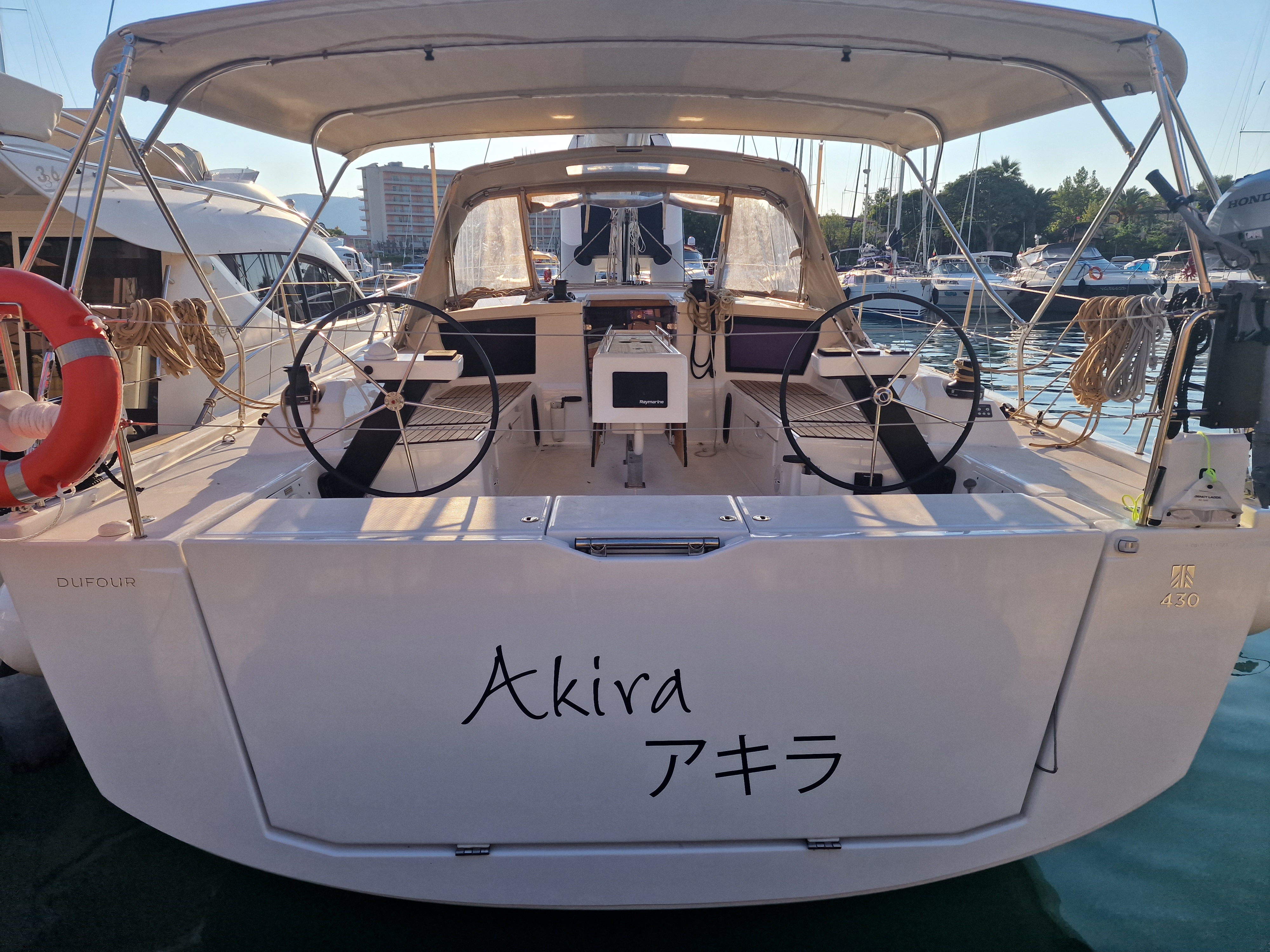
Bloody Mary
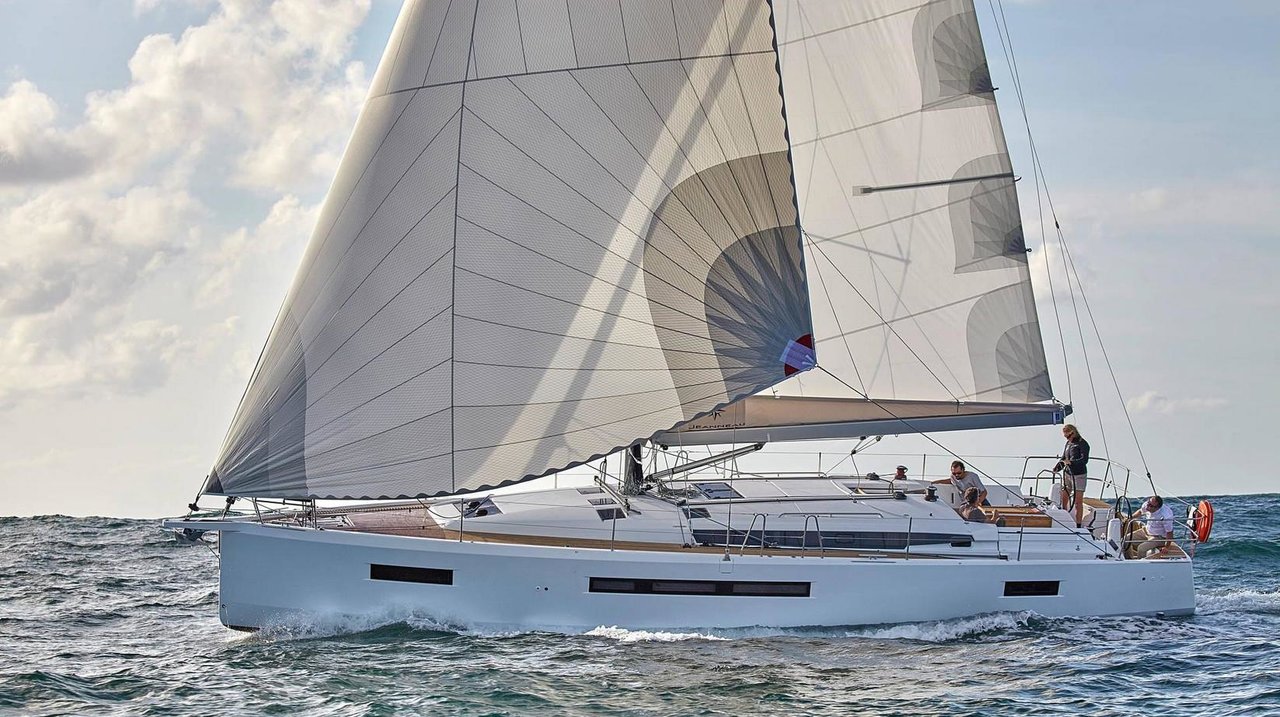
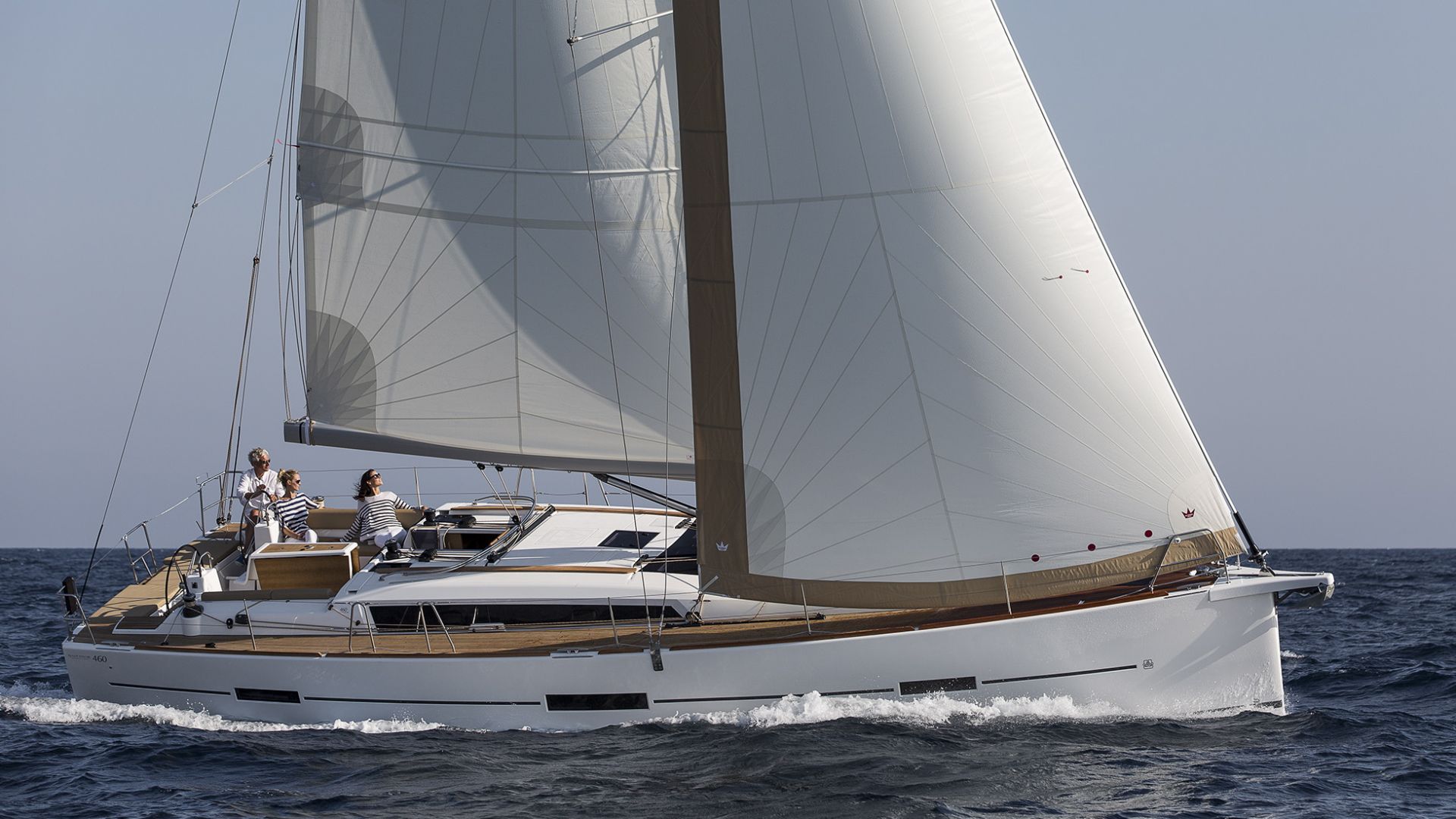
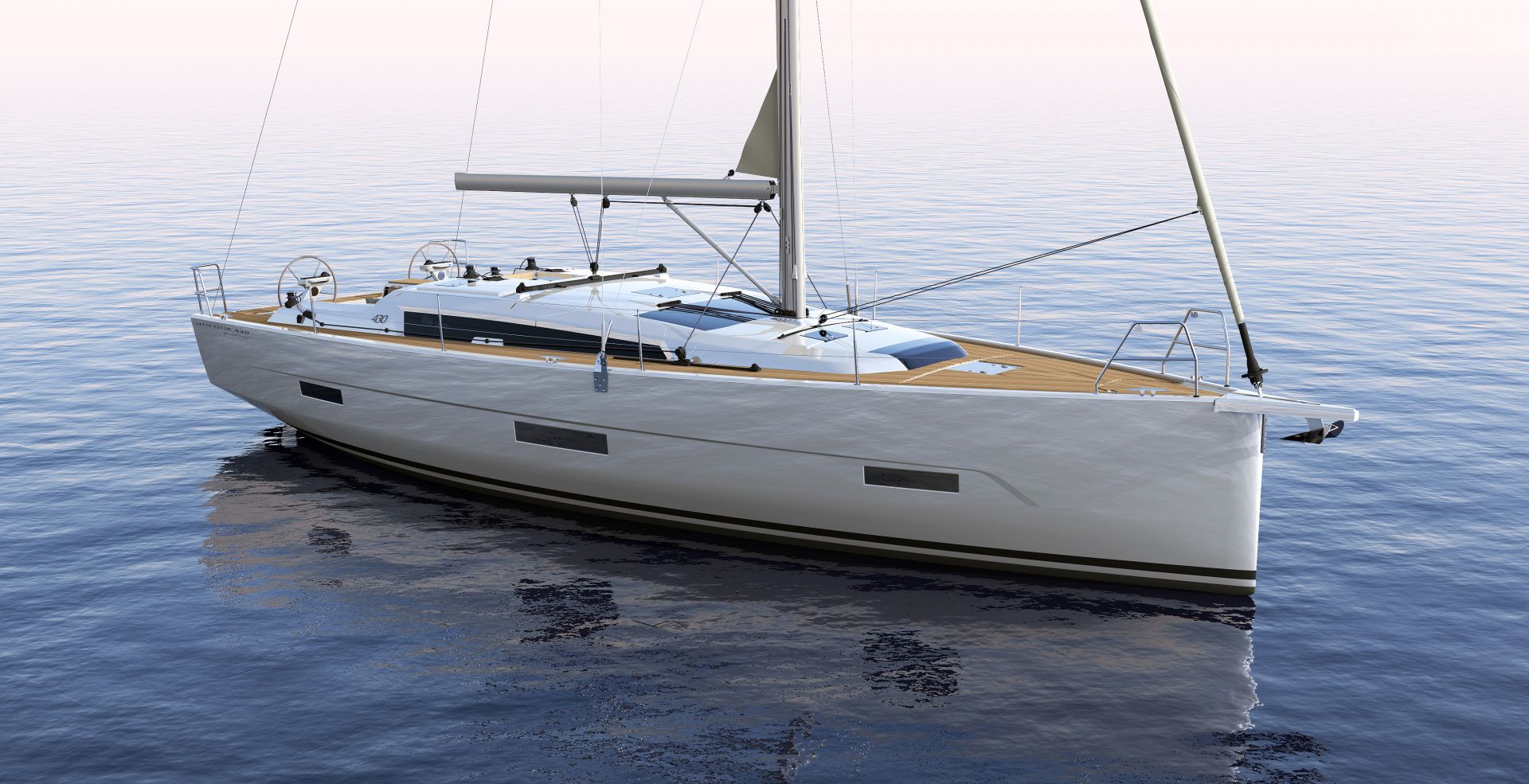
Dufour 430 - 3 cab. · 2021Marina Poseidon, Italy
8 guests3 cabins13 m
€1,760 / week
+ Compare Monohull
 Catamaran
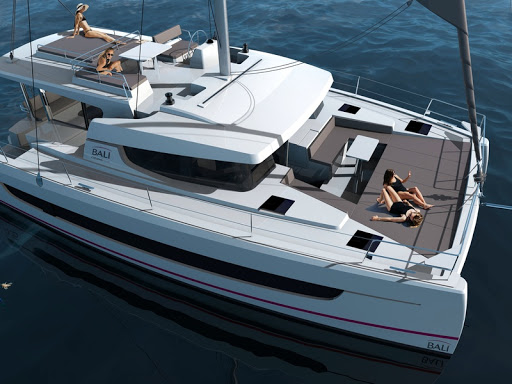
Maria Elena
Bali 4.3 - 4 + 2 cab. · 2020Capo D'orlando Marina, Italy
10 guests4 cabins13 m
€4,210 / week
+ Compare Catamaran
 Monohull
 Monohull
 Monohull
 Monohull
 MonohullMonohull
 Monohull
By the cabin
Cabin cruises in Sicily
Scheduled crewed cruises — book by the cabin and share the yacht with a small group.

More cabin cruises
Other departures you can join, wherever you fancy sailing.
 €3,500per person
Croatia and Montenegro Cruise
Naya · crewed
Dubrovnik region, Croatia
7 days · Departs 26 Sept 2026View cabins
 €1,090per person
Modul B - Dufour 460 GL - Athi
Athi · crewed
Šibenik region, Croatia
7 days · Departs 26 Sept 2026 · 21 more datesView cabins
 €1,090per person
Modul B - Dufour 460 GL - Vellamo
Vellamo · crewed
Šibenik region, Croatia
7 days · Departs 26 Sept 2026 · 21 more datesView cabins
 €5,000per person
More Package Greece
Zephyre · crewed
Ionian Islands, Greece
7 days · Departs 28 Sept 2026View cabins
 €3,000per person
Pearl of the Adriatic Cruise
Kaptan Sevket · crewed
Montenegro, Montenegro
7 days · Departs 28 Sept 2026View cabins
 €1,090per person
Modul A - Aventura 37 - Ankolina
Ankolina · crewed
Šibenik region, Croatia
7 days · Departs 3 Oct 2026 · 2 more datesView cabins
Sicily questions
Asked and answered.
How much does a yacht charter in Sicily cost?
A week's bareboat monohull around 40–45ft runs a few thousand euros in June or September and more in July and August; catamarans and larger yachts cost more, and crewed charters add skipper and provisioning. On top of the base rate budget for fuel, marina fees, the end-of-charter clean and a refundable deposit. Send us your dates and crew size on WhatsApp for a firm quote — price on request.
Do I need a licence to charter bareboat in Sicily?
Yes. For bareboat you'll normally need an ICC or an equivalent national sailing qualification plus a VHF certificate, and some genuine Med experience helps because the passages to the Aeolians are open-water legs. If you don't hold a licence or would rather not skipper the crossings yourself, take a crewed charter with a skipper aboard. Message us with your certificates and we'll confirm what's accepted.
When is the best time to sail Sicily?
June and September are the sweet spot — warm water, settled weather and far fewer boats than peak. July and August are hot and busy, with popular anchorages filling by mid-afternoon. May and October are quieter and cheaper but weather is less reliable. Watch the maestrale, a north-westerly that can make the north coast and the Aeolian crossing lumpy, and the hot scirocco off Africa.
Where should I start a Sicily charter?
For the classic Aeolian island loop, start at Portorosa, Milazzo or Capo d'Orlando on the north coast — you're 20nm from Vulcano and Lipari. For the Egadi Islands and quieter western water, start Trapani or Marsala. For the Baroque south-east and Siracusa's Ortigia, base at Riposto, Augusta or Siracusa. Tell us on WhatsApp what you want to see and we'll match a base to it.
Is Sicily good for a family sailing holiday?
It can be, with the right plan. The Aeolians involve real open-water crossings, so a crewed charter or a settled shoulder-season week suits families better than a busy August bareboat. Lipari and Salina have good beaches, easy anchorages and towns for a night ashore. Choose short-hop days, avoid the exposed Stromboli anchorage in doubtful weather, and start early to claim a calm cove before the afternoon breeze fills.
Bareboat or crewed — which should I choose?
Choose bareboat if you hold the right licence, have Med experience and are happy planning the open crossings to the Aeolians yourself. Choose crewed if you're new to the area, sailing with family, or would rather leave the navigation and the weather calls to someone who knows which cove stays flat when the maestrale fills. Both monohulls and catamarans are available on either basis.
Where do the yachts in Sicily sail from?
Boats sailing Sicily all year — boats operate from Sicily, Capo D'orlando Marina, Palermo, Marsala, Marina Poseidon, San Vito Lo Capo, Siracusa, Porto Empedocle and Trapani. The fleet list above is live from our operator system, so it always shows what is actually available for your dates.
Bareboat or crewed in Sicily?
Both. Bareboat if someone on your crew holds a licence, crewed if you would rather a skipper did the work. Tell us your experience level and we will match you.
How do I get a quote?
Send us your dates, your group and roughly the boat you want. Same day, we reply with real options, real prices and the honest trade-offs.
Talk to an expert
Get three options.
Charter types
Charter types in Sicily.
Bareboat charter
You skipper it yourself — licence required.
Crewed charter
Skipper and crew do the work — you live aboard.
Cabin charter
Book a cabin, not the whole boat.
Sicily
01Why sail Sicily
Sicily gives you two very different weeks depending on where you cast off. From the north coast you reach the Aeolian Islands — seven volcanic islands, one of them (Stromboli) still throwing sparks after dark. From the west you have the Egadi and the shallow, wind-raked stretch past Marsala and Trapani. From the south-east there's the Baroque coast: Siracusa, Ortigia's stone quays, and quieter anchorages that most charter fleets never reach.
It's a working island, not a resort. You anchor off villages where the fishing boats still go out at 5am, tie up in harbours that smell of diesel and grilled sardines, and eat where the menu is whatever came in that morning. Good for sailors who want distance and variety in a week; less good if you want flat water and short hops the whole time.
02The sailing areas
The Aeolians are the headline grounds. From Milazzo or Portorosa it's roughly 20nm to Vulcano and Lipari, then island-hopping north to Panarea, Salina, Stromboli, and the further-out Filicudi and Alicudi. Deep water, few hazards, dramatic backdrops. Anchorages can be exposed and roll-prone, so read the forecast before you commit to a night at anchor.
The Egadi Islands — Favignana, Levanzo, Marettimo — sit off Trapani and Marsala on the west coast. Clearer water, tuna history, quieter than the Aeolians in high season.
The south-east runs Siracusa, Augusta, down towards Porto Empedocle. Ortigia's marina puts you a two-minute walk from the old town. Longer passages, fewer boats.
03Harbours and bases
Our Sicilian bases cluster on three coasts. On the north you've got Portorosa, Capo d'Orlando, and Milazzo (Marina Poseidon and Marina Si.Ti.mar) — the natural launch points for the Aeolians. Palermo (Marina di La Cala) sits mid-coast. On the west, Trapani and Marsala open the Egadi and San Vito Lo Capo. On the east and south-east, Riposto (under Etna), Augusta (Porto Xiphonio), Siracusa, and Porto Empedocle.
Most first charters start Portorosa or Milazzo for the Aeolian loop. Choose a west or south-east base if you've sailed here before and want emptier water.
04Season and winds
The season runs roughly May to October. June and September are the sweet spot: warm water, settled weather, fewer boats than August. July and August are busy, hot, and the popular anchorages fill by mid-afternoon — arrive early or plan around it.
The dominant summer wind is the maestrale (mistral), a north-westerly that can build fast across the Tyrrhenian and make the north coast and the crossing to the Aeolians lumpy. The scirocco brings hot, hazy air off Africa and can kick up the south coast. Mornings are often light; the breeze fills in the afternoon. None of it is extreme in a normal summer week, but the Aeolian anchorages are open water — a wind shift overnight can turn a calm cove into a rolly one. Plan bailout harbours.
05Charter types
You can charter here bareboat or crewed. Bareboat suits skippers with an ICC or equivalent and some Med experience — the grounds are forgiving but the passages to the Aeolians are proper open-water legs. Crewed charters put a skipper aboard who knows which anchorage stays flat when the maestrale fills; worth it for first-timers, families, or anyone who'd rather not navigate the crossing themselves. Monohulls and catamarans are both available; cats earn their keep here for the extra deck space and shallower draught around the Egadi shallows.
06Realistic costs
A week's bareboat monohull in the 40–45ft range typically runs a few thousand euros in shoulder season and climbs in July/August; catamarans and larger yachts sit higher. Crewed charters add skipper and provisioning on top. Budget separately for fuel, marina fees (Ortigia and the popular Aeolian berths aren't cheap), the end-of-charter clean, and a security deposit. For a firm quote on specific dates and a specific yacht, Price on request — message us on WhatsApp with your week and crew size and we'll come back with real numbers, not a headline rate.
07A sample week — the Aeolian loop
Day 1 — Board at Portorosa or Milazzo, provision, short shakedown sail, night in the marina.
Day 2 — Cross to Vulcano (~20nm). Anchor off the black-sand beach, walk up to the fumaroles if the smell doesn't put you off.
Day 3 — Short hop to Lipari. Town quay or anchor off; the biggest of the islands, good for reprovisioning and a proper dinner ashore.
Day 4 — Panarea — the prettiest and priciest of the group. Anchor off the islet of Basiluzzo or take a buoy.
Day 5 — Stromboli. Time it to be at anchor off the Sciara del Fuoco after dark and watch the volcano throw sparks. Exposed anchorage — check the forecast.
Day 6 — Salina — greener, quieter, malvasia wine and caper farms. Anchor at Santa Marina or Rinella.
Day 7 — Long leg back to Milazzo/Portorosa, or break it with a stop at Vulcano. Refuel, hand back the next morning.
Swap in Filicudi and Alicudi if you've a fast boat and settled weather; drop Panarea if the crowds aren't your thing.
08Getting there
Fly into Catania (east) or Palermo (north-west) — both have wide European connections. Catania is closest to Riposto, Augusta and the south-east; Palermo serves the north coast and Trapani (Trapani also has its own smaller airport). From either airport it's a road transfer to base — an hour or more to Portorosa or Milazzo, less to the nearer marinas. Book transfers in advance in July and August. Turnaround is usually Saturday. Message us on WhatsApp before you book flights and we'll confirm the base, the handover time, and which airport actually saves you the drive.