 Monohull
Sail Sardinia.
Live fleet
Monohull Catamaran
 Monohull
 Monohull
 Monohull
 Monohull
 Catamaran
 Monohull
 Monohull
 Monohull
 Monohull
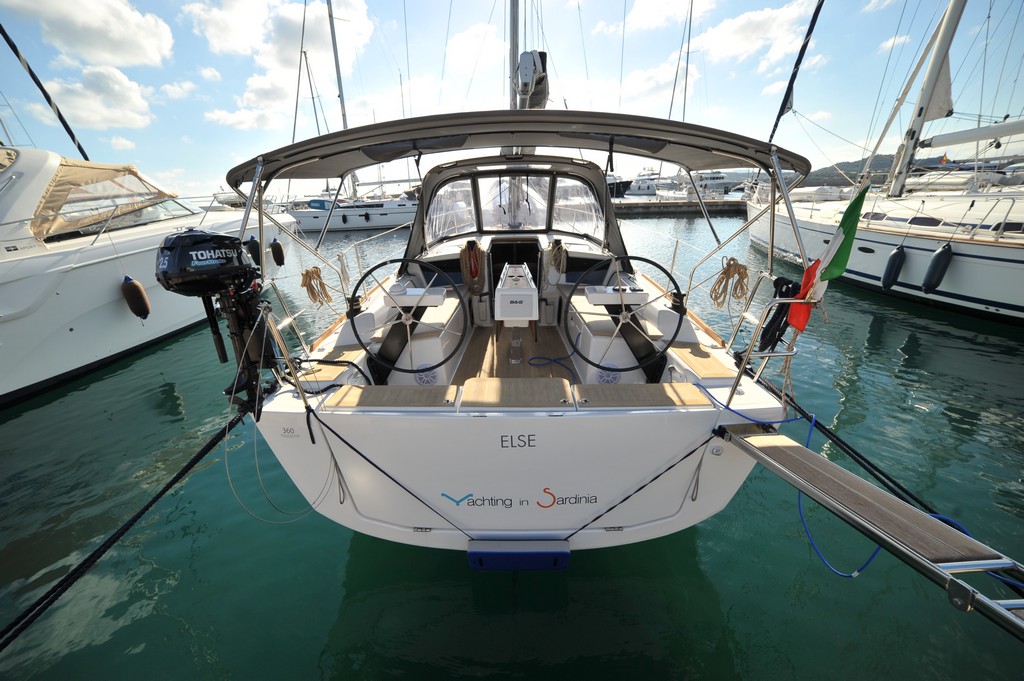 Monohull
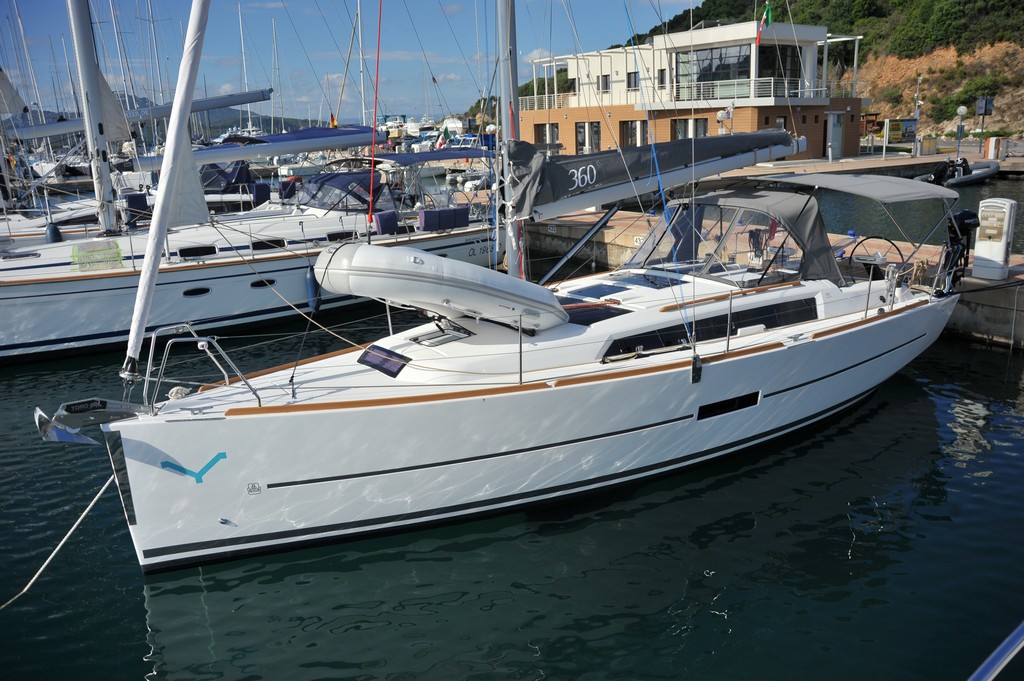 Monohull
 Motor Yacht
Goldfinger
Saxdor 320 GTO · 2021Marina di Golfo Aranci, Italy
6 guests1 cabins10 m
€1,500 / week
+ Compare Monohull
 Monohull
Goldfinger
Brig Eagle 10 · 2022Marina di Golfo Aranci, Italy
7 guests1 cabins10 m
€1,200 / week
+ Compare Monohull
 Monohull
By the cabin
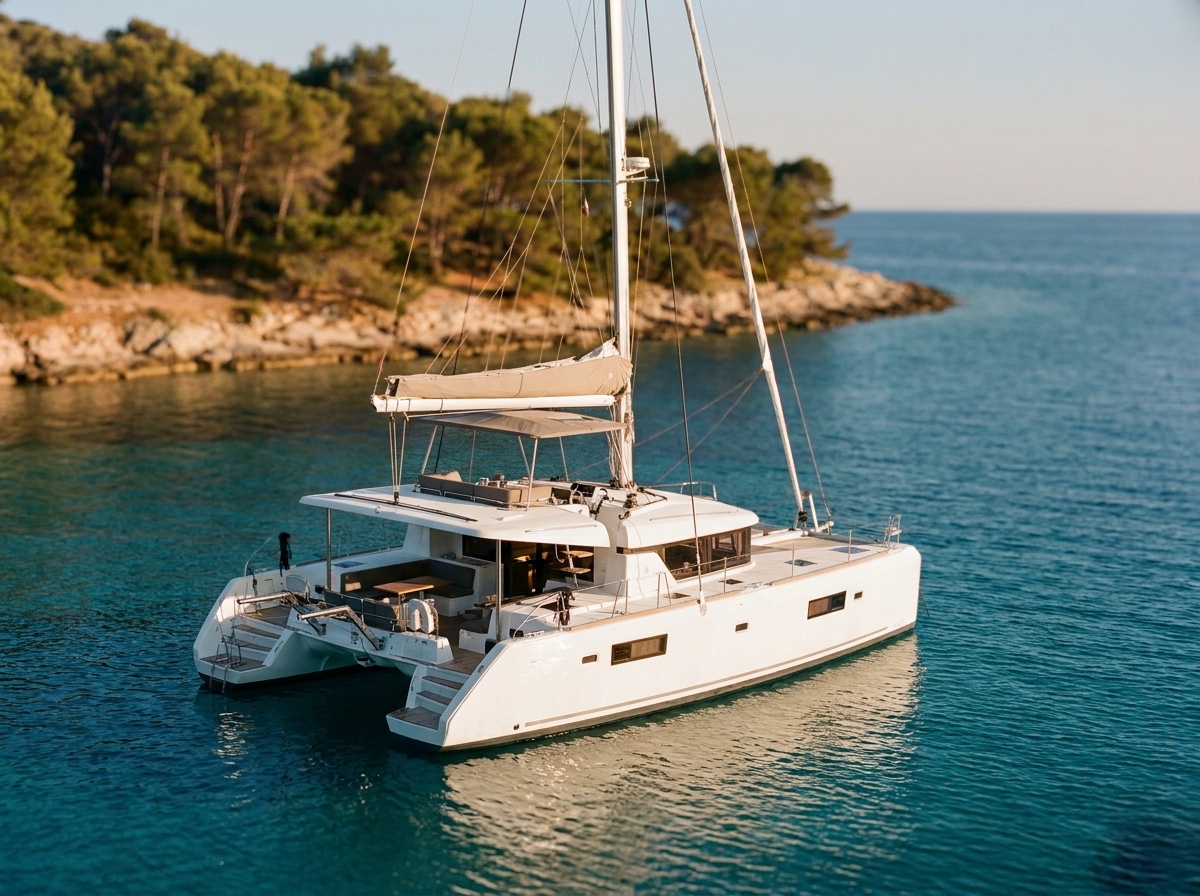
Cabin cruises in Sardinia
Scheduled crewed cruises — book by the cabin and share the yacht with a small group.
More cabin cruises
Other departures you can join, wherever you fancy sailing.
 €3,500per person
Croatia and Montenegro Cruise
Naya · crewed
Dubrovnik region, Croatia
7 days · Departs 26 Sept 2026View cabins
 €1,090per person
Modul B - Dufour 460 GL - Athi
Athi · crewed
Šibenik region, Croatia
7 days · Departs 26 Sept 2026 · 21 more datesView cabins
 €1,090per person
Modul B - Dufour 460 GL - Vellamo
Vellamo · crewed
Šibenik region, Croatia
7 days · Departs 26 Sept 2026 · 21 more datesView cabins
 €1,200per person
Sail the Aeolian Islands
Maria Louise II · crewed
Sicily, Italy
7 days · Departs 26 Sept 2026View cabins
 €5,000per person
More Package Greece
Zephyre · crewed
Ionian Islands, Greece
7 days · Departs 28 Sept 2026View cabins
 €3,000per person
Pearl of the Adriatic Cruise
Kaptan Sevket · crewed
Montenegro, Montenegro
7 days · Departs 28 Sept 2026View cabins
Sardinia questions
Asked and answered.
How much does a yacht charter in Sardinia cost?
It depends heavily on boat size, age and the week — a shoulder-season monohull costs a fraction of a new catamaran in peak August, when Costa Smeralda demand is highest. Beyond the base fee, budget for fuel, security deposit, end-clean, tourist tax and the Maddalena park fee. Send your dates and party size over WhatsApp and we'll quote a real figure rather than a guess.
Do I need a licence to charter bareboat in Sardinia?
For a bareboat charter in Italy you'll need a recognised sailing qualification (ICC or equivalent) plus a VHF certificate, and usually a crew member with some experience listed as co-skipper. If your paperwork doesn't cover it, take a skippered yacht — the skipper knows the anchorages and the park permit rules, and you still run your own week. Ask us over WhatsApp what your certificate qualifies you for.
When is the best time to sail Sardinia?
June and September are the sweet spot: warm water, reliable thermal breezes, and far fewer boats at anchor than the July–August peak. Peak summer is hot, busy and pricey in the marinas. May and October are cheaper and quieter but the weather is less settled — you may catch a strong maestrale or a few flat days. Water stays swimmable from June into October.
Where should I start my charter?
Most people base out of the Costa Smeralda marinas — Olbia, Portisco, Porto Rotondo or Cannigione — because they're a short hop from the Maddalena archipelago, the main draw. Olbia is closest to the airport. Cannigione is sheltered and handy for an easy first night. Cagliari on the south coast is a different cruising ground toward Villasimius. Tell us your arrival and we'll match a base.
Is Sardinia good for a family sailing holiday?
Yes. The hops between anchorages are short, the archipelago is well sheltered, and the water is clear and warm from June. White-sand beaches sit between granite boulders and there's swimming and snorkelling at nearly every stop. A catamaran gives kids deck space and a shallow draught for beach anchorages. If you'd rather not skipper, a crewed yacht takes the load off — ask us over WhatsApp.
Can I sail from Sardinia to Corsica?
You can, across the Bocche di Bonifacio, and many charters do a day or two in Corsican waters like the Lavezzi islands and Bonifacio itself. The strait accelerates the maestrale and can be lively, so pick your weather window and clear it with the base first. Some charter agreements limit cruising range or need advance notice for a border crossing — check yours before you set off.
Where do the yachts in Sardinia sail from?
Boats sailing Sardinia all year — boats operate from Portisco, Sardinia, Cagliari, Olbia, Marina di Olbia Yachting Services, Marina di Cannigione, Marina di Golfo Aranci, Porto Rotondo and Cala dei Sardi. The fleet list above is live from our operator system, so it always shows what is actually available for your dates.
Bareboat or crewed in Sardinia?
Both. Bareboat if someone on your crew holds a licence, crewed if you would rather a skipper did the work. Tell us your experience level and we will match you.
How do I get a quote?
Send us your dates, your group and roughly the boat you want. Same day, we reply with real options, real prices and the honest trade-offs.
Talk to an expert
Get three options.
Charter types
Charter types in Sardinia.
Bareboat charter
You skipper it yourself — licence required.
Crewed charter
Skipper and crew do the work — you live aboard.
Cabin charter
Book a cabin, not the whole boat.
Sardinia
01Why sail here
Sardinia's north-east coast is granite and water. The Maddalena archipelago sits a short hop from the mainland marinas — a cluster of low pink-granite islands with white sand beaches wedged between boulders and water that reads turquoise over sand, deep blue over weed. You anchor off Spargi or Budelli, swim before breakfast, and count more boats than buildings.
We've sailed this coast enough summers to be honest about it: the sailing is short-legged and forgiving, the scenery is the draw, and July and August get busy. Come in June or September and you get the same water with fewer boats at anchor. It suits first charterers, families, and anyone who'd rather gunkhole between islands than log offshore miles.
02The sailing grounds
Most charters run out of the Costa Smeralda marinas — Olbia, Portisco, Porto Rotondo, Cannigione — and point north into the Bocche di Bonifacio, the strait between Sardinia and Corsica. The Maddalena National Park is the heart of it: La Maddalena, Caprera, Spargi, Santa Maria, Budelli. Distances are small. You can be at anchor in Cala Corsara an hour after slipping lines.
The park is protected. Some anchorages need a permit and a few zones are off-limits to protect the seagrass and the famous pink beach on Budelli, which you view but don't land on. Your briefing covers the current rules; they change year to year.
South from Olbia the coast opens toward Golfo Aranci and Tavolara, a limestone slab rising straight from the sea. Cagliari on the south coast is a different charter altogether — city harbour, the Golfo degli Angeli, and quieter cruising toward Villasimius.
03Harbours and anchorages
Cannigione is a workmanlike base at the head of the Golfo di Arzachena — sheltered, close to the archipelago, easy first night. Portisco and Porto Rotondo are polished Costa Smeralda marinas with everything to hand and prices to match. Olbia has the airport and the ferries, so it's the practical arrival point.
For anchoring: Cala Corsara on Spargi is the classic, Porto Madonna between La Maddalena and Caprera holds a fleet in settled weather, and Cala di Villamarina on Santa Maria gives you shelter from the north-west. Palau on the mainland is a good provisioning stop with a fuel berth.
04Season and winds
The charter season runs roughly May to October, with July and August the peak. The prevailing wind is the mistral — the maestrale — from the north-west, funnelling through the Bocche di Bonifacio where it accelerates hard. On a strong maestrale day the strait kicks up a short, steep sea and the sensible move is to stay in the archipelago's lee rather than push through.
Summer typically brings 10 to 20 knots, thermal-driven and building through the afternoon. Mornings are often calm, which is why the early swim is a habit here. Spring and autumn can hand you a proper blow or three flat days in a row — check the forecast and keep an anchorage in reserve. Water is warm enough to swim from June into October.
05Charter types
We offer both bareboat and crewed yachts from the Sardinian bases. Bareboat suits skippers with the paperwork and the experience to run their own week — the short hops and good shelter make this a forgiving place to charter without a crew. If you'd rather not skipper, a skippered yacht adds one hand who knows the anchorages and the permit rules, and you keep the run of the boat.
Fully crewed yachts come with skipper and hostess or cook for those who want the week handled. Catamarans are popular here for the shallow draught and deck space at anchor; monohulls sail better in the maestrale. Fleet details and availability are on the yacht grid — tell us the dates and party size over WhatsApp and we'll match a boat.
06What it costs
Weekly bareboat rates swing widely by boat size, age and season. A mid-size monohull in the shoulder season sits well below a new catamaran in peak August. Rather than quote a figure we can't stand behind for your exact dates: Price on request — send us the week and the boat class over WhatsApp and we'll come back with a real number.
Budget beyond the charter fee for: a security deposit or damage waiver, fuel (you return the tank as you found it), the end-of-charter clean, tourist tax, and the Maddalena park fee where it applies. Marina fees on the Costa Smeralda in August are among the steepest in the Med, so factor a night or two alongside if you want power and water. Provisioning is cheaper in Olbia's supermarkets than the marina shops.
07A sample week
Day 1 — Board at Portisco or Cannigione, provision, short sail to anchor off Isola delle Rose or Cala di Trana. Settle in.
Day 2 — North into the park. Anchor at Cala Corsara, Spargi. Swim, walk the granite, lunch aboard.
Day 3 — Porto Madonna between La Maddalena and Caprera. Dinghy ashore to Caprera for the walking and the beaches. Quiet night if the maestrale sleeps.
Day 4 — Santa Maria and Budelli. View the pink beach from the water, anchor at Cala Santa Maria for the afternoon. Longer swim, snorkel the shallows.
Day 5 — Push west toward the Bocche, weather allowing, or drop into La Maddalena town for a proper dinner ashore and to restock.
Day 6 — Palau for fuel and provisions, then Golfo di Arzachena for a sheltered last-but-one night close to base.
Day 7 — Short morning sail back, swim, hand the boat back the following morning. Adjust the whole thing for wind; the maestrale writes the real itinerary.
08Getting there
Olbia airport (OLB) is the gateway — most of the marinas are 15 to 40 minutes by taxi or transfer. Cagliari (CAG) serves the south coast bases. Both take direct summer flights from across Europe; connections thin out in the shoulder months, so book early for June and September.
Ferries run to Olbia and Golfo Aranci from the Italian mainland if you're bringing a car. Transfers from the airport to Portisco, Porto Rotondo or Cannigione are straightforward — send us your flight and base over WhatsApp and we'll point you the right way.