 Catamaran
Sail Cyclades.
Live fleet
Catamaran Catamaran
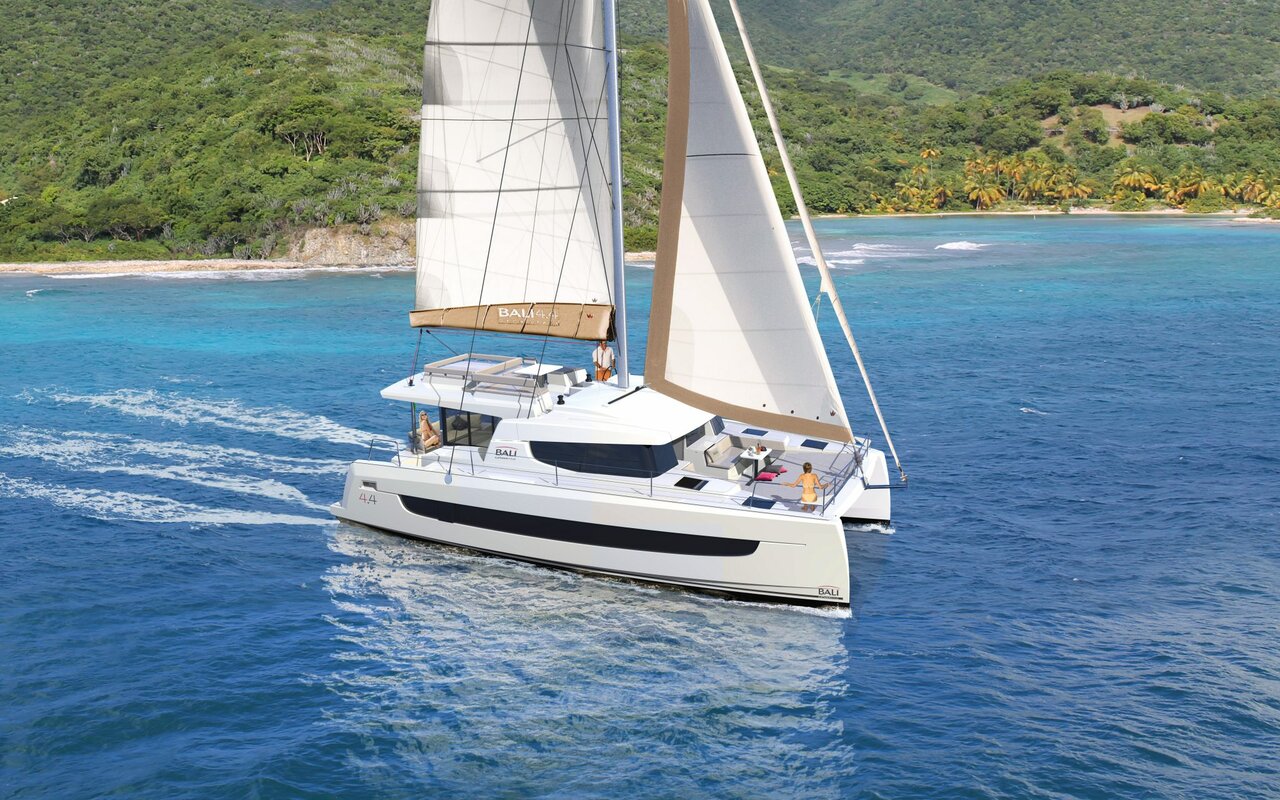
Olympia Athena
Fountaine Pajot Elba 45 - 4 + 1 cab. · 2023Mykonos, Greece
11 guests4 cabins13 m
€5,200 / week
+ Compare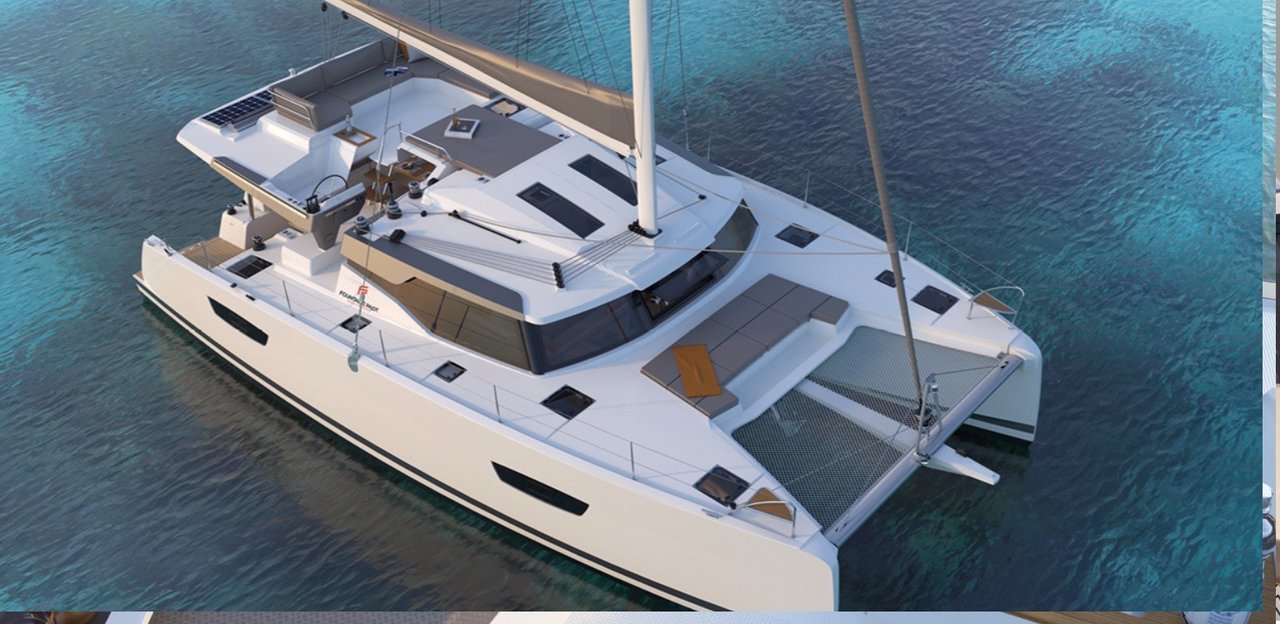 Catamaran
Greek Beauty'
Fountaine Pajot Elba 45 - 4 + 2 cab. · 2020Paros, Greece
12 guests4 cabins13 m
€5,200 / week
+ Compare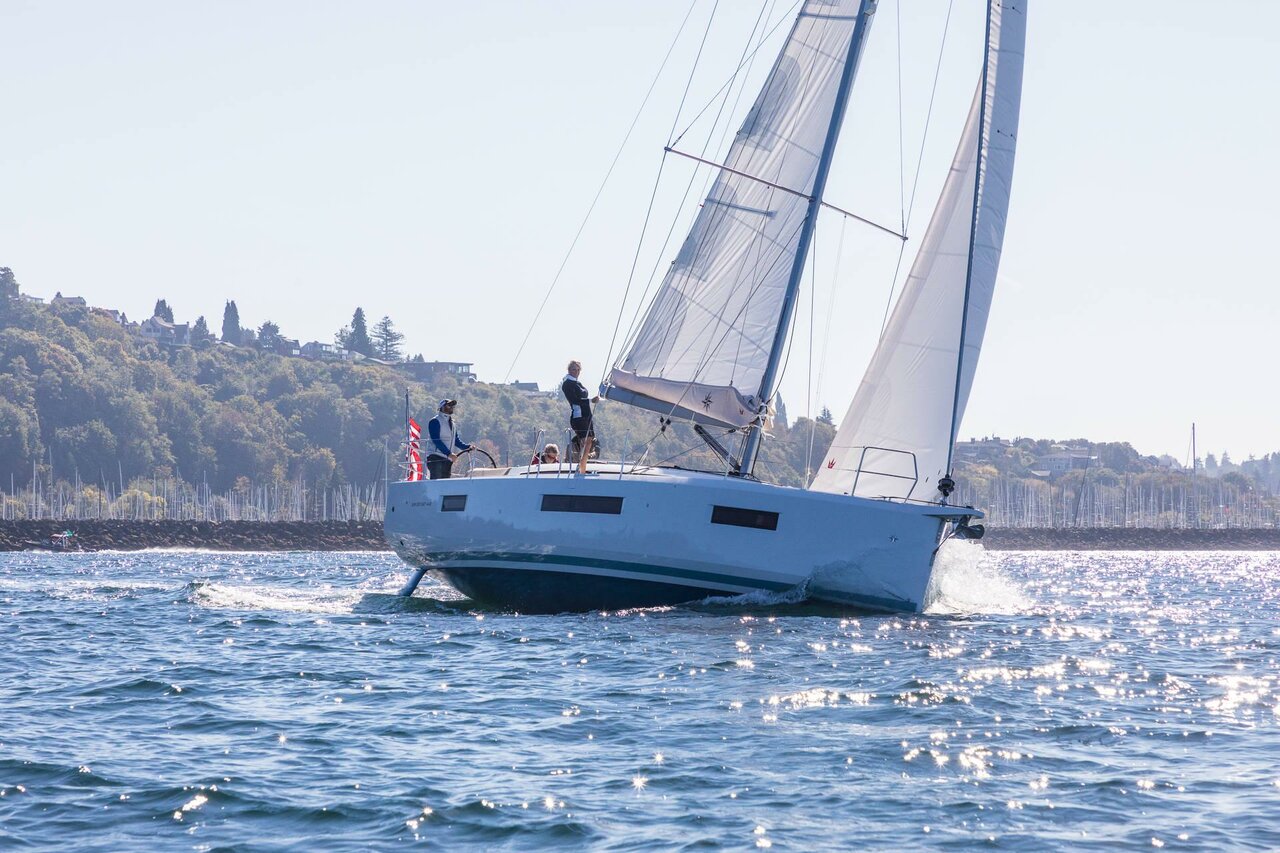 Monohull
 Monohull
 MonohullMonohullMonohullMonohull
 Monohull
 Catamaran
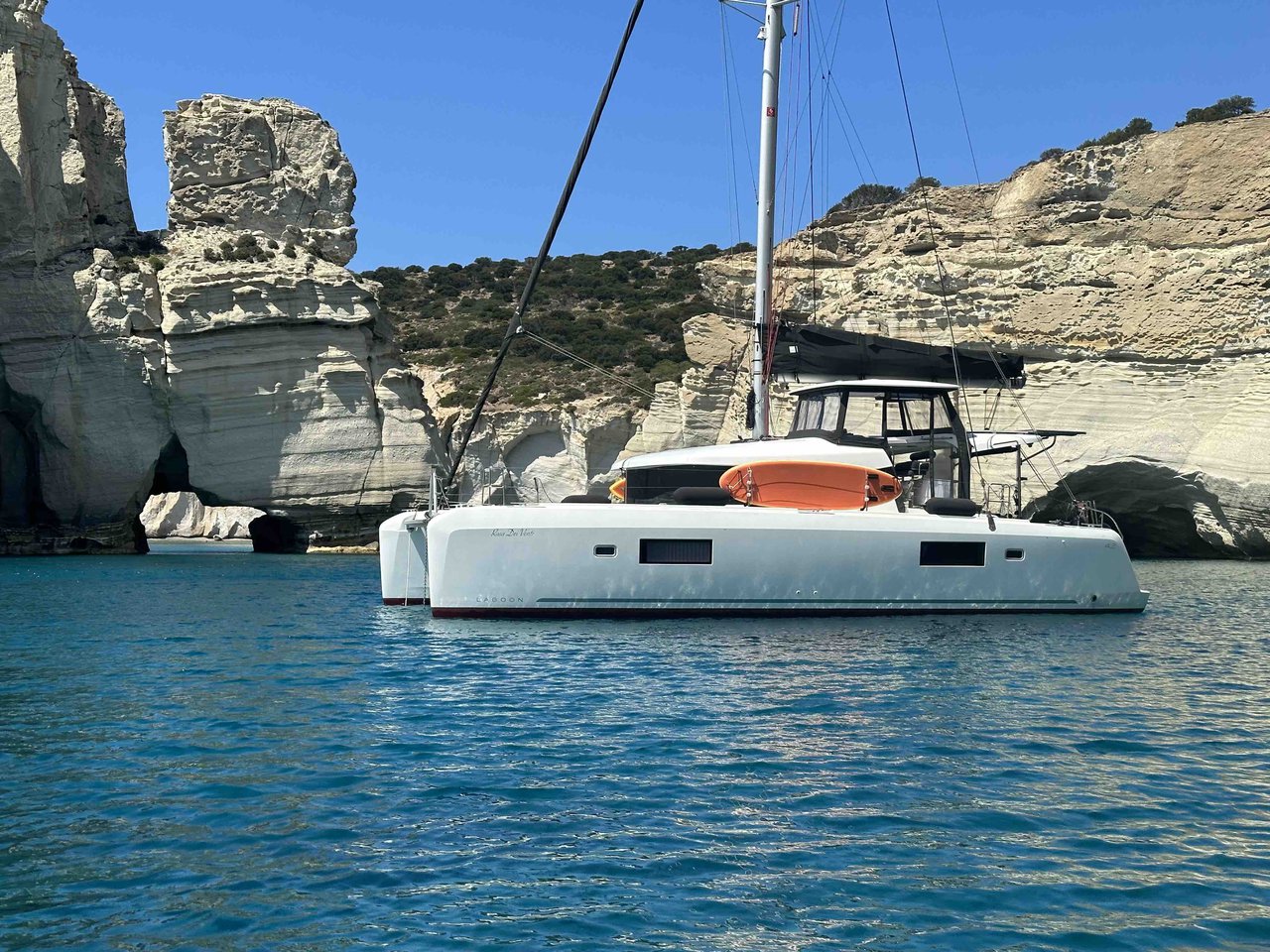 Catamaran
 Catamaran
 Catamaran
 CatamaranCatamaranCatamaran
 MonohullCatamaran
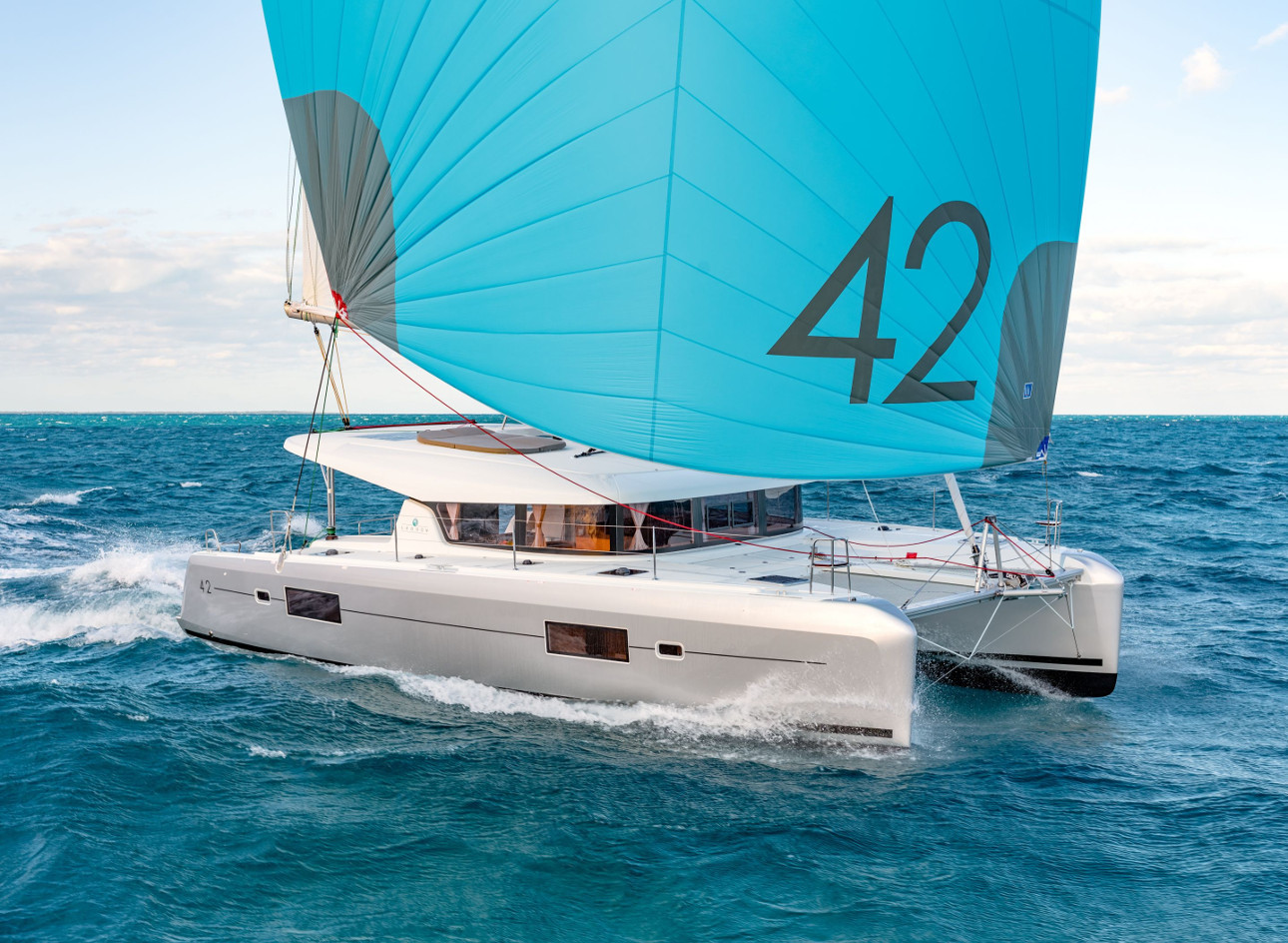
Olympios Zeus
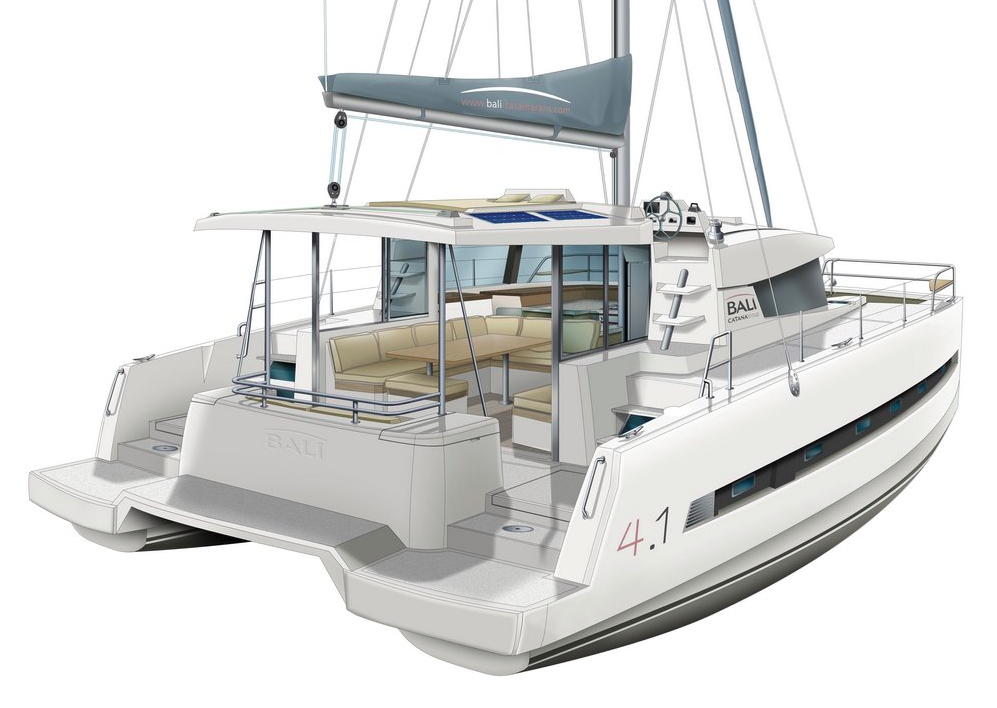
Lagoon 42 - 4 + 2 cab. · 2019Mykonos, Greece
12 guests4 cabins13 m
€4,450 / week
+ Compare Monohull
 Monohull
 Catamaran
 Catamaran
 Monohull
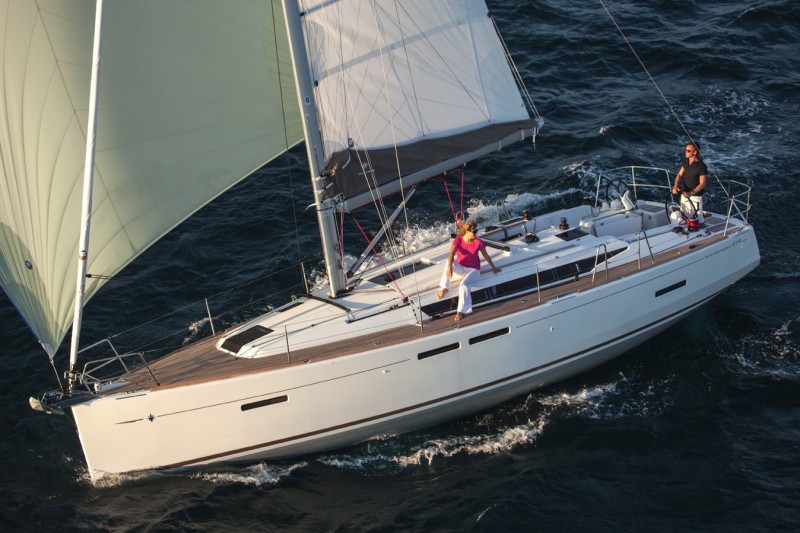
Konstantinos
Sun Odyssey 410 - 3 cab. · 2020Lefkada, Greece
8 guests3 cabins12 m
€2,050 / week
+ Compare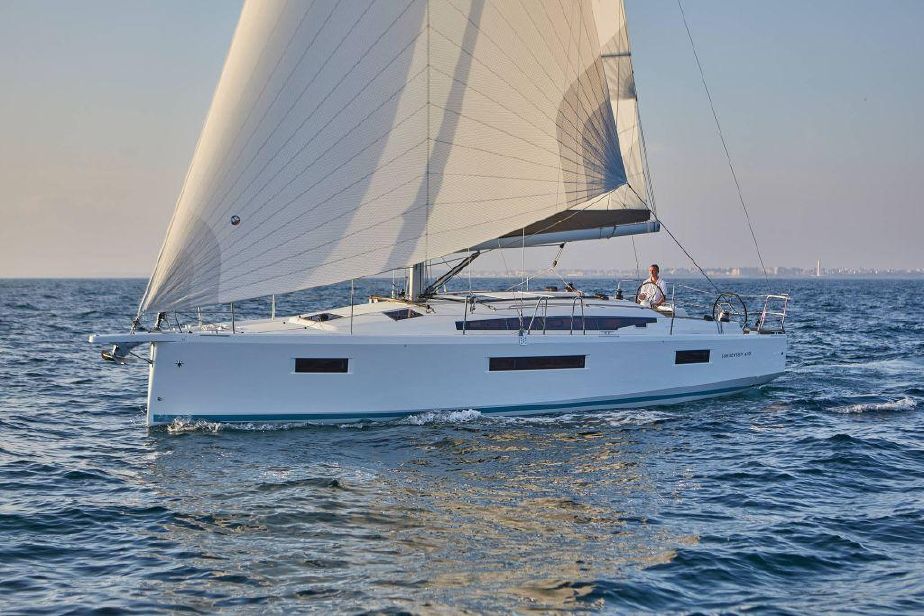 MonohullCatamaran
Shangri-La
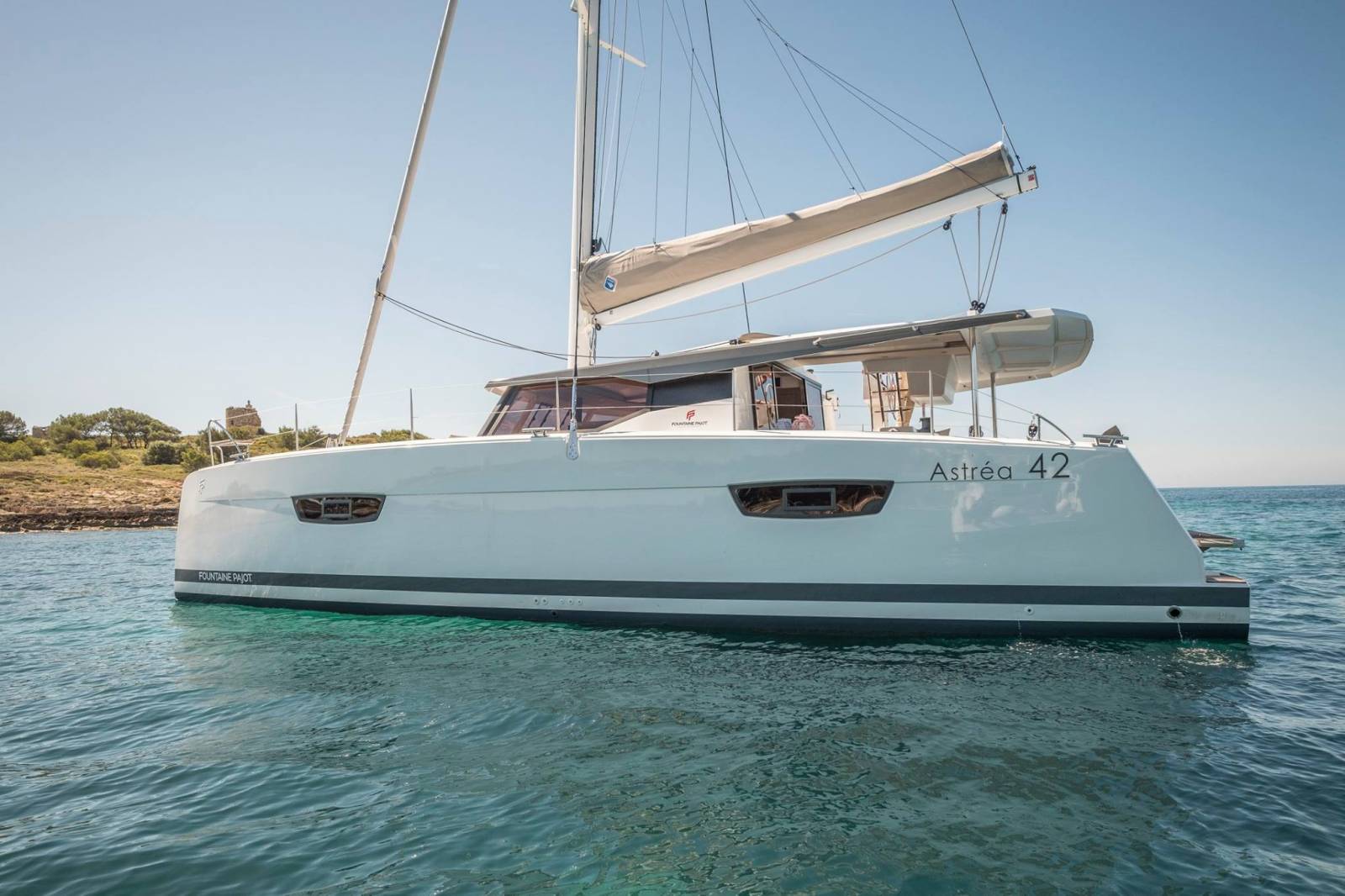
Fountaine Pajot Astrea 42 - 4 + 2 cab. · 2019Athens, Greece
12 guests4 cabins12 m
€4,500 / week
+ Compare Catamaran
 Catamaran
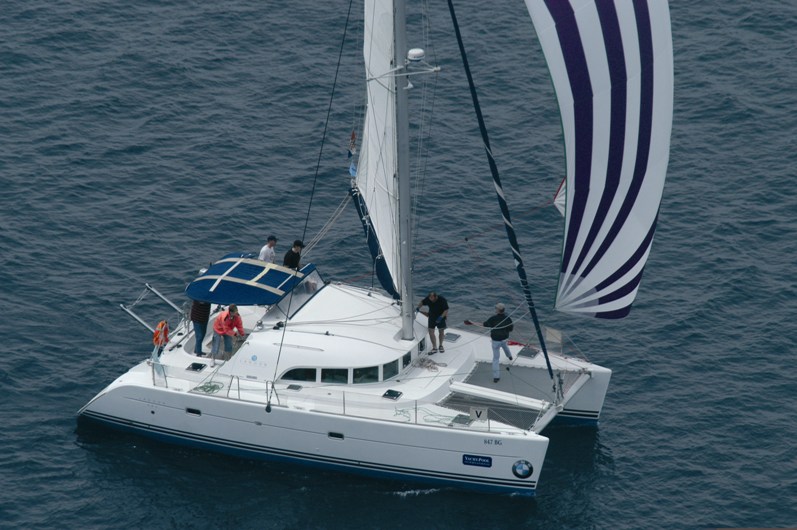
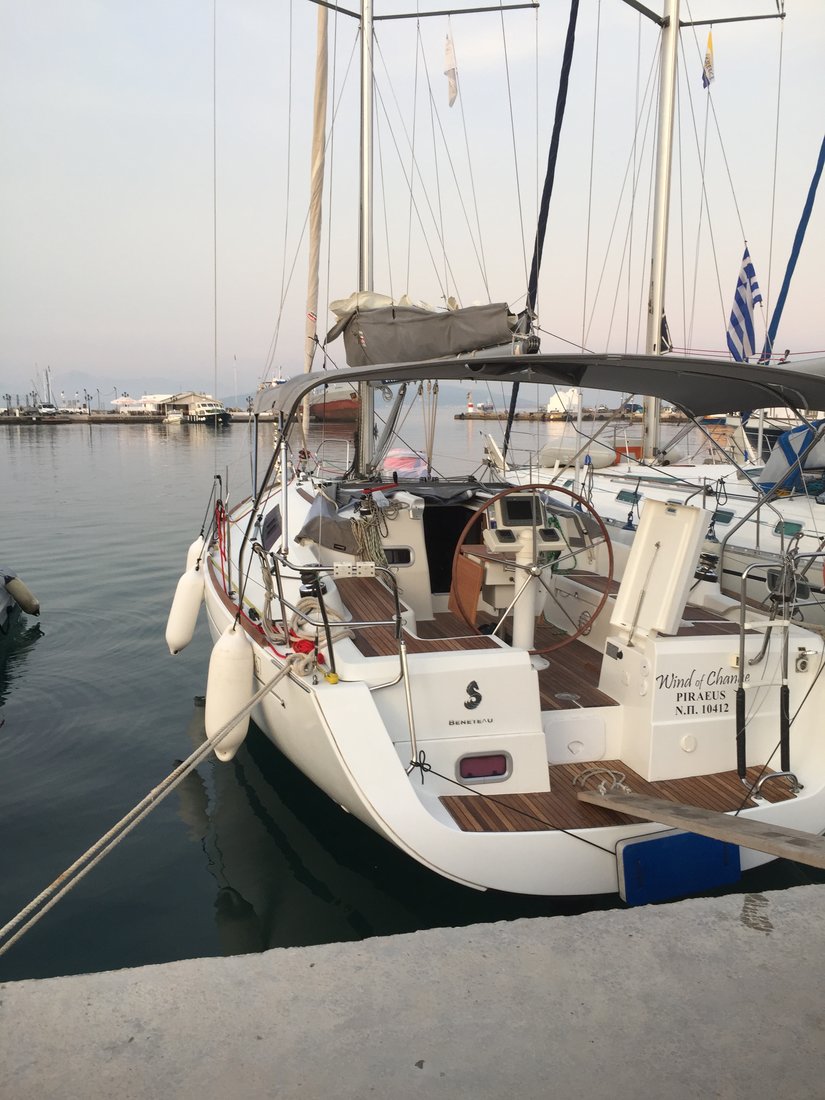
Blue Serenity
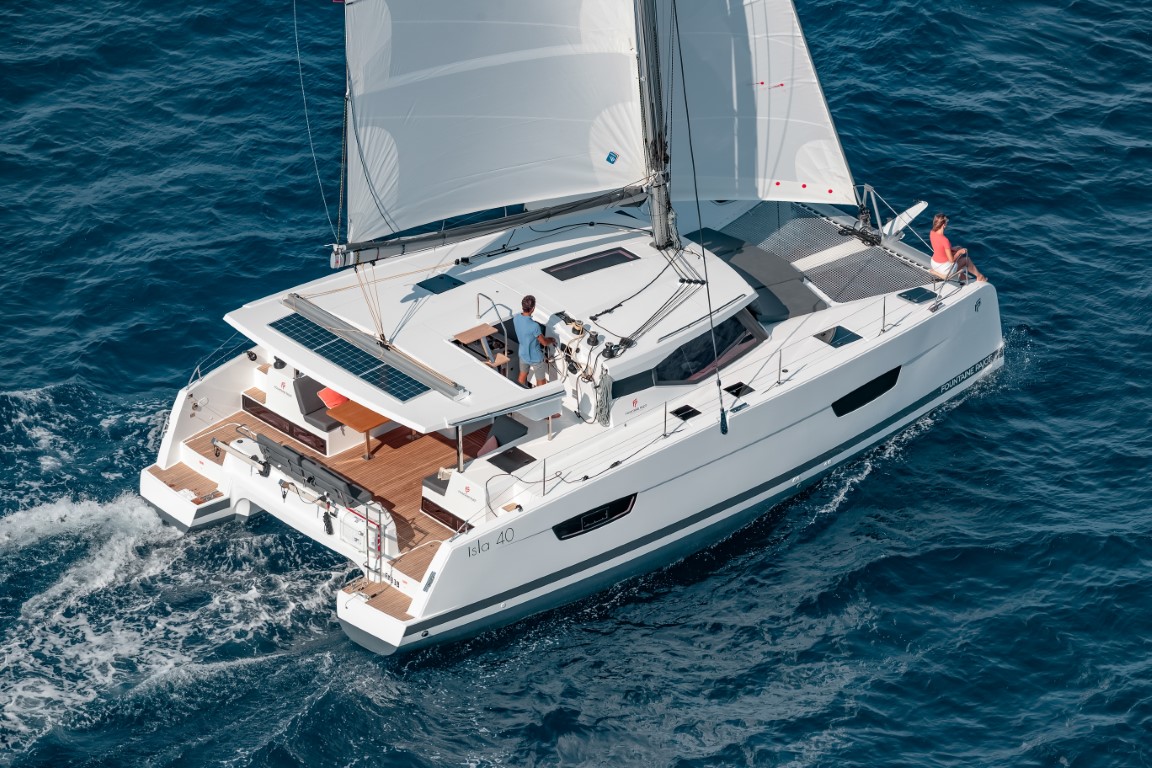
Fountaine Pajot Isla 40 - 4 + 1 cab. · 2022Paros, Greece
10 guests4 cabins12 m
€3,750 / week
+ Compare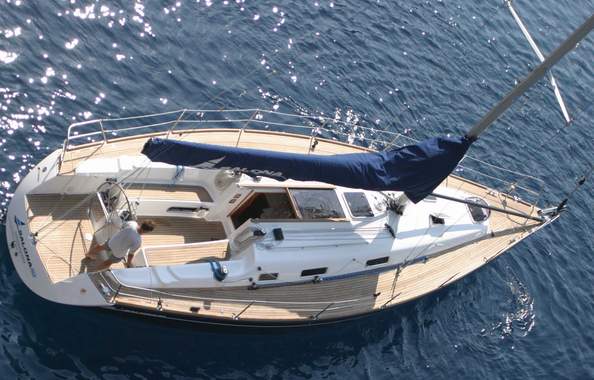 Monohull
 Catamaran
 Monohull
 Catamaran
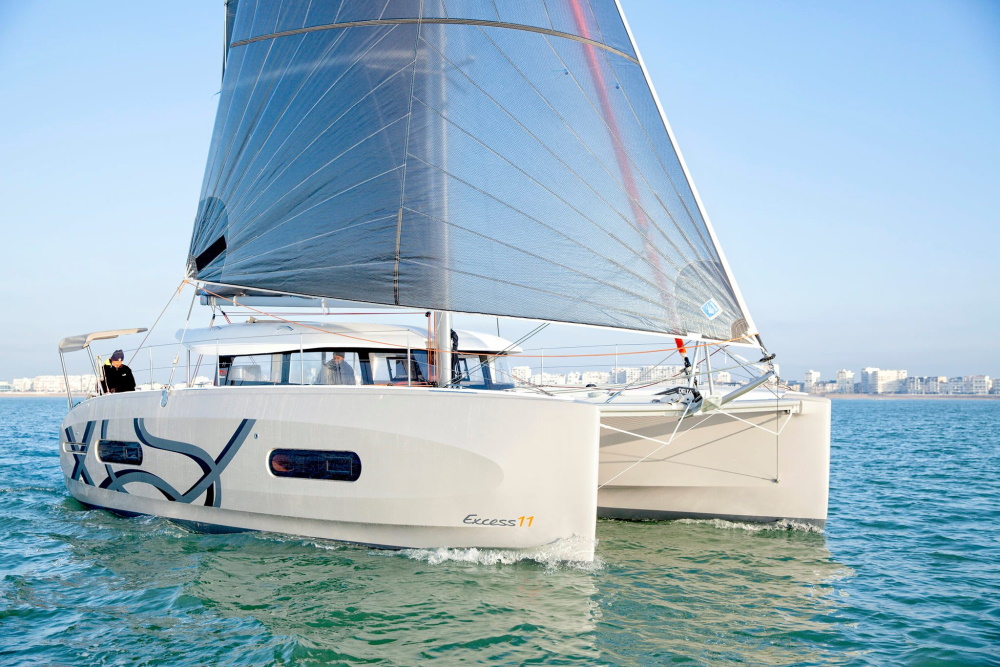
Little Blue Ocean
Excess 11 - 4 + 1 + 1 cab. · 2025Paros, Greece
10 guests4 cabins11 m
€3,500 / week
+ CompareCyclades questions
Asked and answered.
How much does a Cyclades yacht charter cost?
It depends heavily on boat size, age, type and season. A mid-size bareboat monohull costs less in May, June, September and October than in the first fortnight of August. Catamarans run higher than monohulls. On top of the base fee, budget for fuel, the end clean, and quay or marina fees. Because prices move so much, we quote per enquiry — send dates and party size on WhatsApp. Price on request.
Do I need a licence to charter bareboat in the Cyclades?
Yes. For a bareboat you'll normally need a recognised sailing qualification such as an ICC or RYA Day Skipper, plus a second competent crew member, and often a VHF certificate. Requirements can vary, so tell us what you hold when you enquire. If you don't have the paperwork or the confidence for the meltemi, take a crewed yacht with a skipper aboard instead.
When is the best time to sail the Cyclades?
May, June, September and early October are the sweet spots: enough wind to sail, quieter harbours, and less chance of a multi-day meltemi. July and August bring the strongest, most reliable wind — Force 6 to 7 is common — which suits confident sailors who want the challenge and don't mind busy quays. Sail mornings in high summer and be anchored by afternoon.
Where should I start my charter?
Paros is the most practical base — central, well-connected by ferry and its own airport, with day-sails to Naxos, Mykonos, Delos, Ios and Sifnos. Mykonos works if guests fly in on tight schedules. Santorini is best as a start or finish only, since the caldera has few real anchorages. Match your base to your flights and message us to confirm what's available on your dates.
Is the Cyclades good for families with children?
It can be, in the shoulder months. In May, June and September the wind is gentler and the water calm enough for easy swimming and short hops. High-summer meltemi brings big wind and steep seas that are hard work with small children aboard. If you're sailing with kids, come outside peak August, keep legs short, and consider a skipper so you're free to look after the crew.
Should I choose a monohull or a catamaran?
Catamarans give more deck space, shallower draught for beach anchorages, and steadier motion at anchor — good for families and less experienced crews. Monohulls sail better upwind against the meltemi, cost less, and slip into tighter quays. In strong Cyclades wind a monohull is more forgiving to sail; a catamaran is more comfortable to live on. Tell us your priorities and we'll point you to the right boats.
Where do the yachts in Cyclades sail from?
Boats sailing Cyclades all year — boats operate from Paros, Mykonos and Santorini. The fleet list above is live from our operator system, so it always shows what is actually available for your dates.
Bareboat or crewed in Cyclades?
Both. Bareboat if someone on your crew holds a licence, crewed if you would rather a skipper did the work. Tell us your experience level and we will match you.
How do I get a quote?
Send us your dates, your group and roughly the boat you want. Same day, we reply with real options, real prices and the honest trade-offs.
Talk to an expert
Get three options.
Charter types
Charter types in Cyclades.
Bareboat charter
You skipper it yourself — licence required.
Crewed charter
Skipper and crew do the work — you live aboard.
Cyclades · Greece — Yacht Charter
Getting there and practical notes
Most people fly to Athens and take a fast ferry to Paros, Naxos or Mykonos, or fly direct to Mykonos or Santorini in season. Paros now has a small airport with domestic links from Athens. Ferries are frequent but sell out in August, so book them the moment your charter is confirmed.
Arrive the night before your charter if you can — a tired midnight arrival makes a poor first morning. Provisioning is straightforward in Paroikia, Naoussa and Mykonos town; smaller islands have less choice, so stock up before you leave the hub. Bring layers: the meltemi is cool at night and the spray is real. Message us on WhatsApp with your flights and we'll help line up the handover.
Cyclades
01Why sail the Cyclades
The Cyclades are exposed, bright, and windier than most people expect. The islands sit in open Aegean water, so you feel the swell and the meltemi in a way you never do in the Ionian. That's the point. You get short, punchy passages between islands you can see from each other, water that runs deep blue over sand and pale turquoise over rock, and villages of white cube houses stacked above the harbour. It suits sailors who want to actually sail — trim the sails, watch the forecast, earn the anchorage. It suits it less if you want flat water and short hops with the engine on.
We've sailed these islands most summers. The reward is variety inside a small area: quiet fishing quays on Sifnos and Kythnos, the noise and buses of Mykonos, the caldera drama of Santorini, and Paros in the middle as a natural hub. You can build a week that mixes lively and empty as you please.
02The sailing grounds and harbours
Paros is the practical centre. From here Naxos, Ios, Sifnos, Antiparos, Mykonos and Delos are all a day-sail away, and you rarely commit to a passage over 30 miles. Piso Livadi and Paroikia give you two departure points on the same island; Naoussa in the north is a working harbour worth a night.
Mykonos is busy, well-connected, and useful as a start or end point if guests are flying in tight. Ornos and Platys Gialos give shelter from the north when the town quay is full. Delos next door is a short hop and a genuine reason to go — day anchor only, no overnight.
Santorini is the outlier. Vlychada marina on the south coast is your base; the caldera itself has few real anchorages and deep water that drops away fast, so most people take a mooring buoy under the cliffs rather than anchor. It's stunning to look at and awkward to sail. Treat Santorini as a start or finish, not a cruising ground.
03Season and winds — the meltemi, honestly
The season runs roughly May to October. July and August bring the meltemi: a dry north to north-west wind that builds through the afternoon and can hold Force 6 to 7 for days. It's a fair-weather gale — blue sky, big wind, short steep seas between the islands. Mornings are usually calmer, so we sail early and are anchored by early afternoon.
May, June, September and early October are gentler and, to our minds, better for most charters. You still get wind, but the multi-day meltemi is less likely and the harbours are quieter. If you want reliable strong wind for the sailing itself, come in high summer and plan short legs. If you want relaxed island-hopping, come in the shoulder months.
Plan north-to-south where you can, so the meltemi is behind you. Build slack days into the itinerary — being able to sit out a hard blow in a good harbour beats pushing into it on a schedule.
04Charter types available
Most of what we run in the Cyclades is bareboat: you hold the qualifications, you skipper, you plan the week. A smaller number of yachts come crewed, with a skipper aboard who knows the meltemi and the anchorages — a sensible choice if it's your first Aegean charter or you'd rather not manage the wind yourself.
Bases spread across Paros, Mykonos and Santorini, so you can match your start point to your flights. One-way charters between islands are sometimes possible; ask us over WhatsApp and we'll tell you honestly what's on for your dates.
05Realistic costs
Prices swing hard with boat size, age and season. A week on a mid-size bareboat monohull in the shoulder months costs less than the same boat in the first two weeks of August, when demand peaks. Catamarans run noticeably higher than monohulls of similar length. Beyond the base charter fee, budget for fuel, the end-of-charter clean, and mooring or marina fees on the nights you don't anchor — the Cyclades have more paid quays than the Ionian.
A skipper, if you want one, is an added daily rate. Because the numbers move so much by boat and date, we quote per enquiry rather than publish figures we can't stand behind — send us your dates and party size on WhatsApp and we'll come back with a real range. Price on request.
06A sample week from Paros
Day 1 — board at Paros, provision in Paroikia, short sail to Naoussa for a first quiet night in the north.
Day 2 — cross to Mykonos with the wind on the beam; anchor at Ornos if the town is full, or take the quay early.
Day 3 — day-sail to Delos, anchor for the ruins, then on to Naxos for the evening under the Portara.
Day 4 — down the Naxos coast to a beach anchorage, a slower day to let the meltemi ease.
Day 5 — passage to Ios, lively harbour, good swimming on the way.
Day 6 — west to Sifnos, one of the better tavernas quays in the group, calmer water on the lee side.
Day 7 — work back north to Paros, timing the leg for the morning before the wind fills in. Adjust everything to the forecast — this is a sketch, not a rule.
Cyclades · Greece
Top 10 things to do in Cyclades
The ten stops worth planning a charter week around — ranked.
Mykonos
The glamour stop of the ring: whitewashed lanes, the Little Venice waterfront and the windmills on the ridge. Sail in for one big night, then slip away at first light — with ancient Delos an easy morning’s sail before the meltemi fills in.
Milos
A drowned volcano ringed by more than seventy beaches, sea caves and the white pirate coves of Kleftiko — the best of it reachable only from the water. The huge natural bay at Adamas gives all-weather shelter and one of the Aegean’s great harbour approaches.
The Small Cyclades
Koufonisia, Schinoussa and Iraklia: a scatter of tiny islands south of Naxos where the pace drops to walking speed. Anchor in Schinoussa’s sheltered bay or off Koufonisia’s turquoise channel and let a day quietly disappear.
Serifos
Rugged, quiet and mostly ignored by the ferries — a sailor’s island. Anchor in Livadi bay and climb to the amphitheatre of the Chora at sunset for one of the finest hill-town views in the Cyclades.
Sifnos
The eating island of the ring — Sifnos’ culinary reputation runs deep, and the harbour tavernas prove it nightly. Swim stops at Faros and the Chrisopigi monastery headland break up the sail; Kamares bay gives an easy overnight.
Kythnos & Kolona Bay
Kolona is the double-sided sandbar anchorage on every Cyclades charter photograph — drop the hook and swim both bays before breakfast. Ashore, the thermal springs at Loutra have been easing sailors’ shoulders since antiquity.
Paros & Antiparos
The crossroads of the ring. Naoussa’s small-boat harbour is one of the Aegean’s prettiest evenings, Parikia is a proper working port, and the channel down to Antiparos hides quiet swim-stop islets.
Naxos
The largest and greenest of the Cyclades: long west-coast beaches, marble villages in the mountains, and the Portara — the unfinished temple doorway — framing sunset over the harbour entrance.
Tinos
A pilgrimage island most charter crews sail straight past — their loss. Marble-carving villages, hundreds of painted dovecotes, and quiet lunch bays along the south coast at Isternia and Agios Romanos.
Syros & Ermoupoli
Ermoupoli, the neoclassical capital of the Cyclades, rises in pastel tiers around a working harbour that has welcomed sailors for two centuries. Moor on the town quay for an evening of faded grandeur no resort island can match.