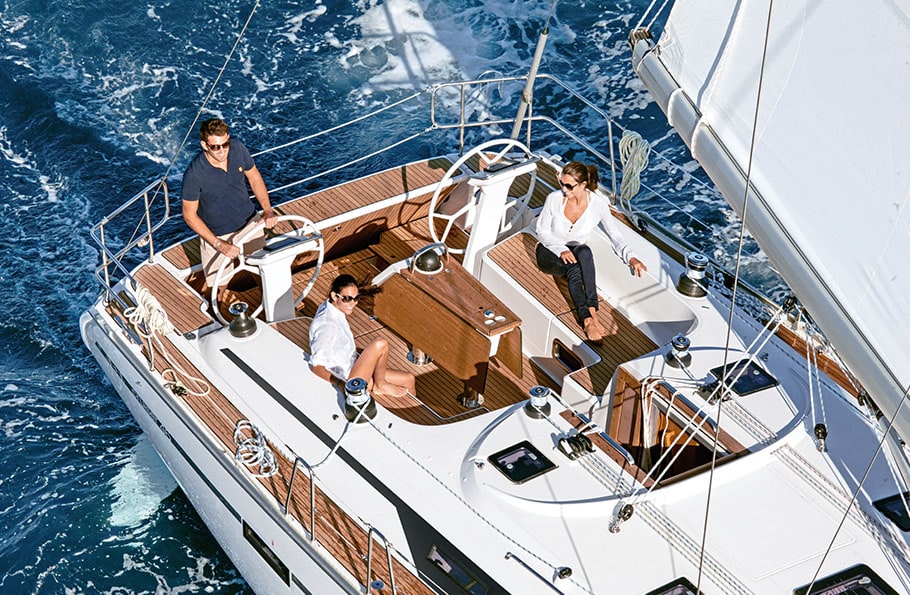
 Monohull
Sail Pula & Kvarner.
Live fleet
Monohull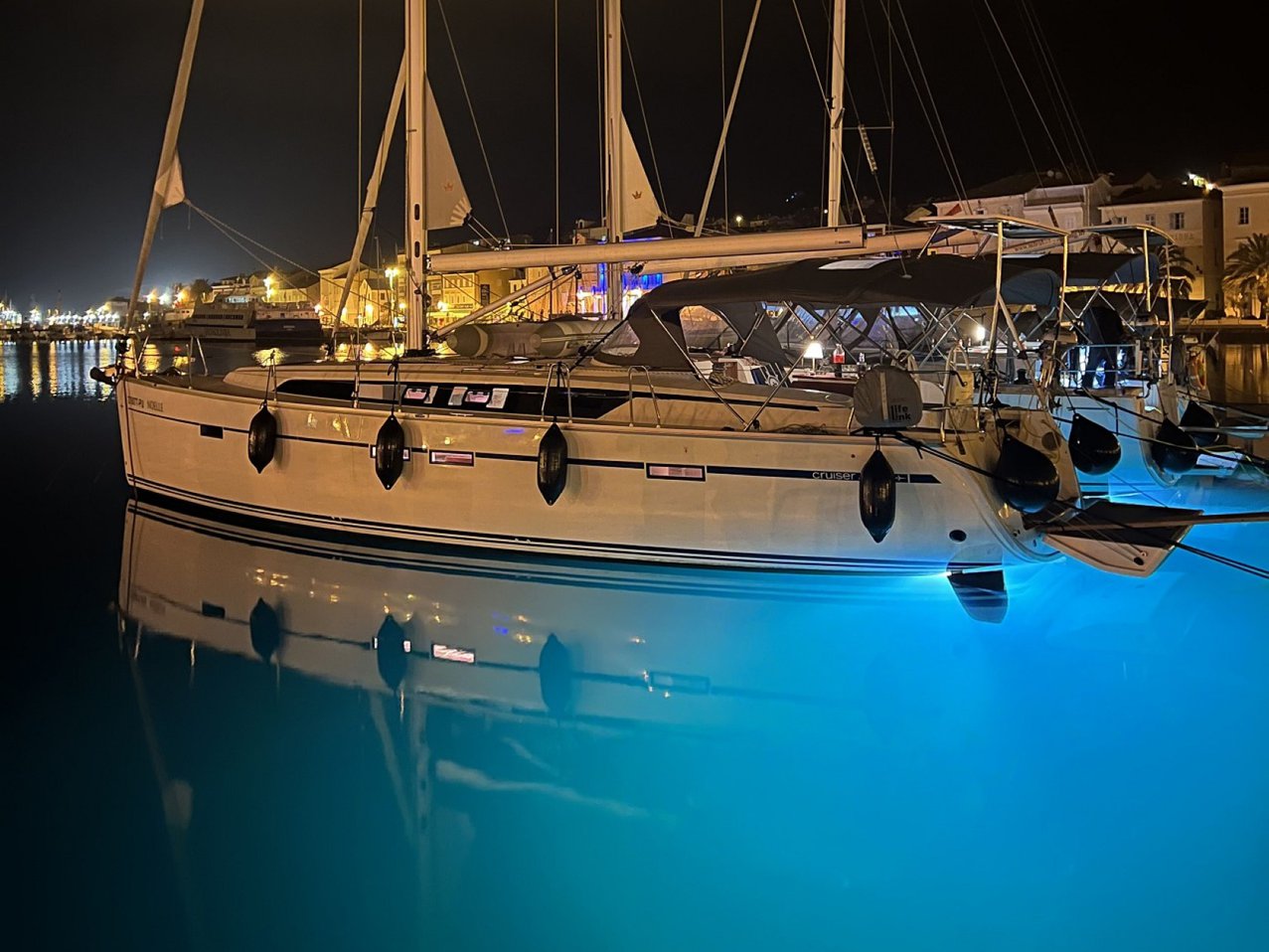 Monohull
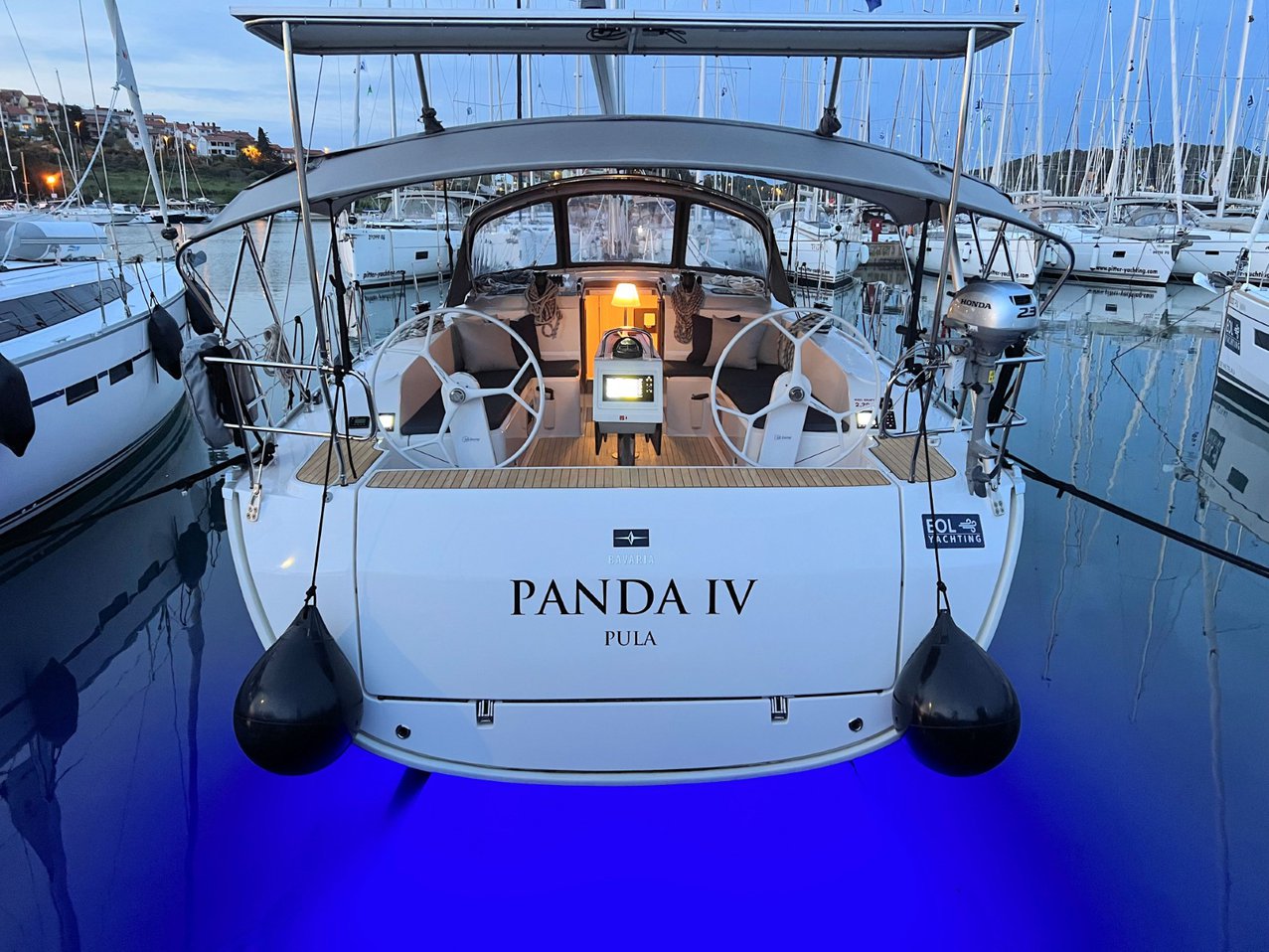 Monohull
 Motor Yacht
Prestige 460
Prestige 460 Fly - 3 + 1 cab. · 2022ACI Marina Rovinj, Croatia
7 guests3 cabins14 m
€8,000 / week
+ Compare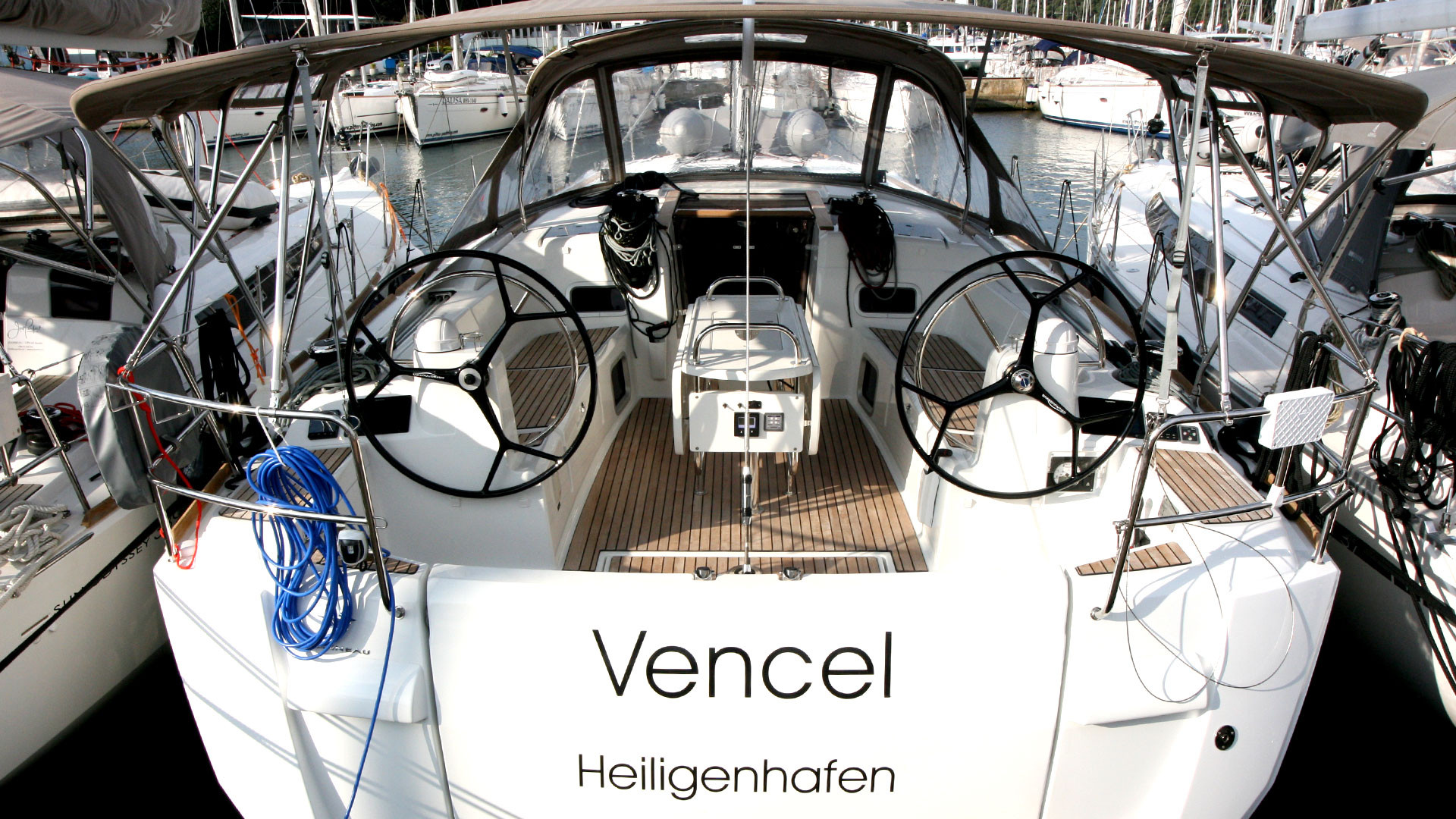 Monohull
 Monohull
 Monohull
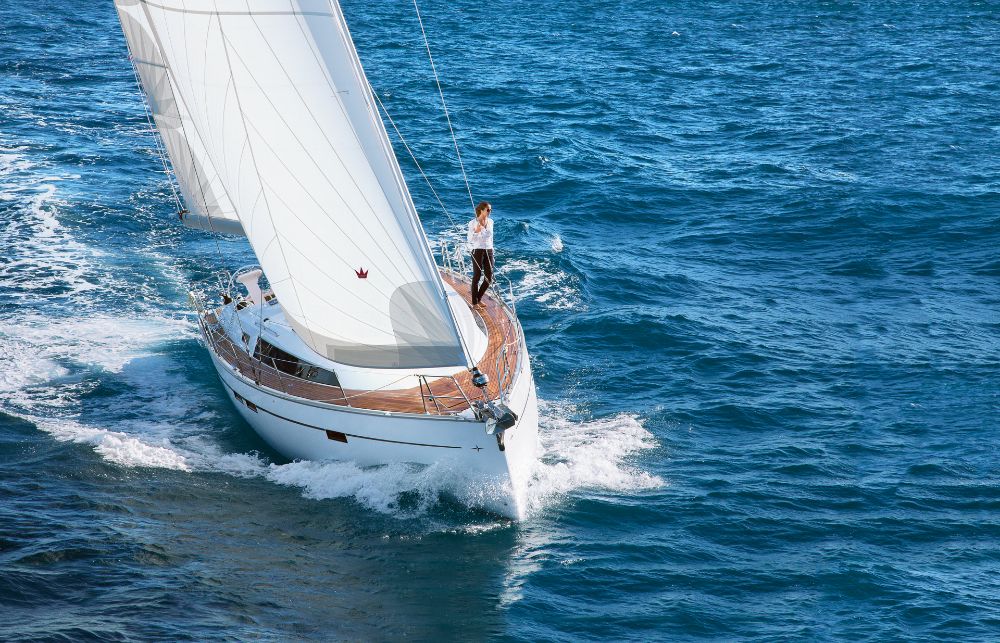 Monohull
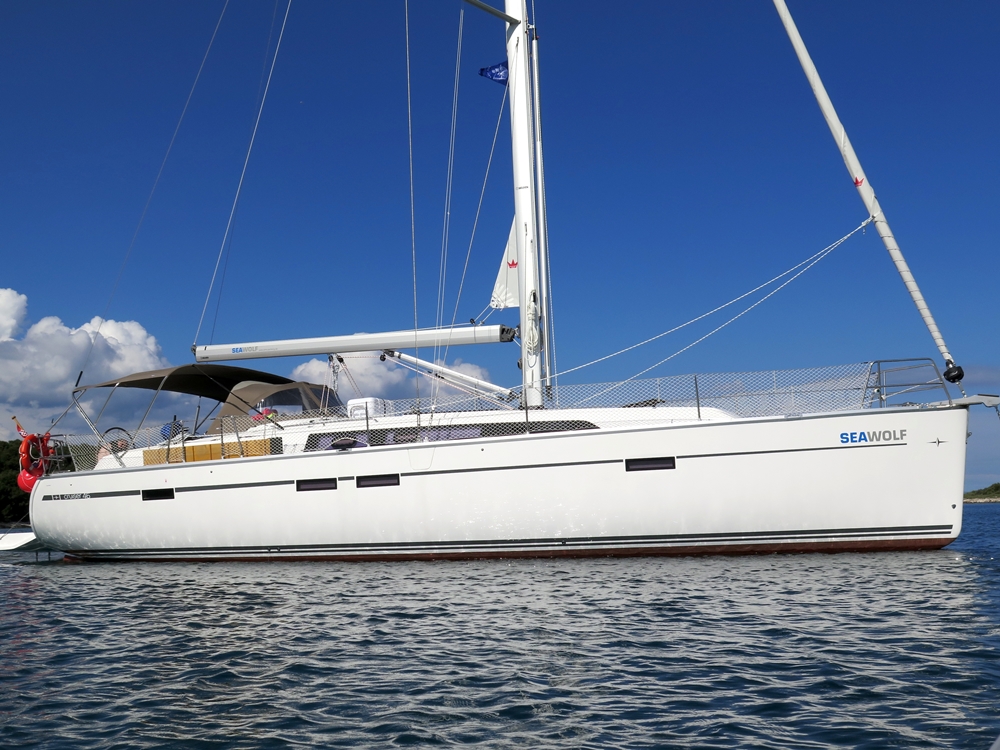 Monohull
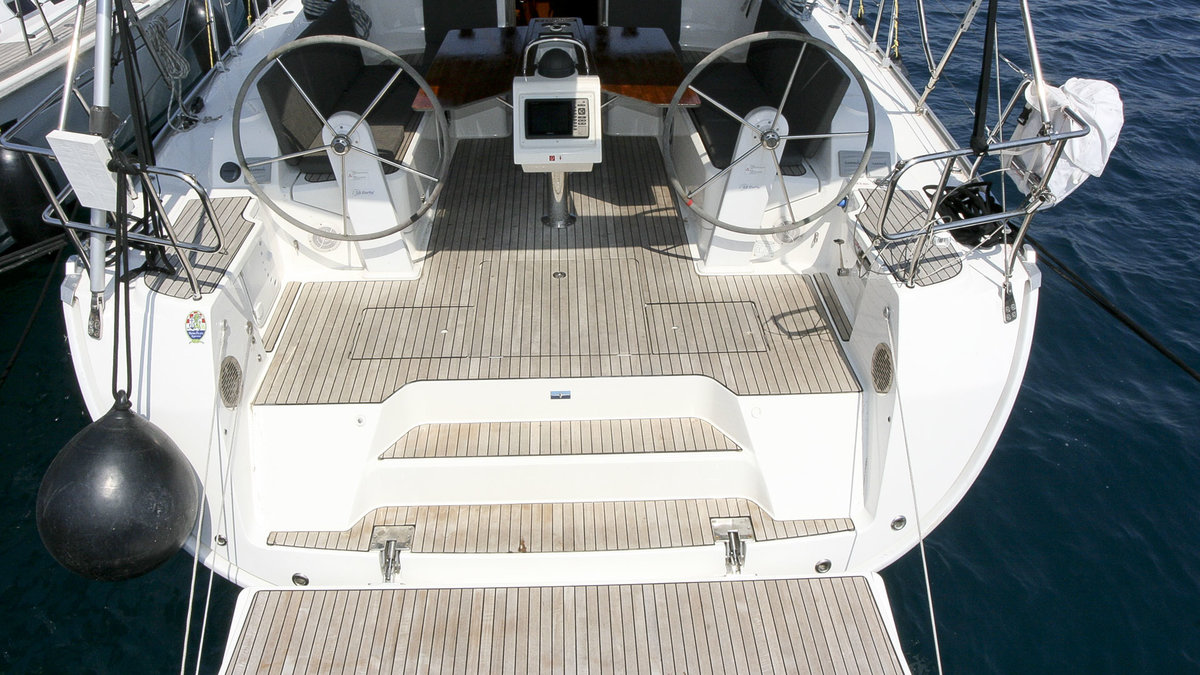 Monohull
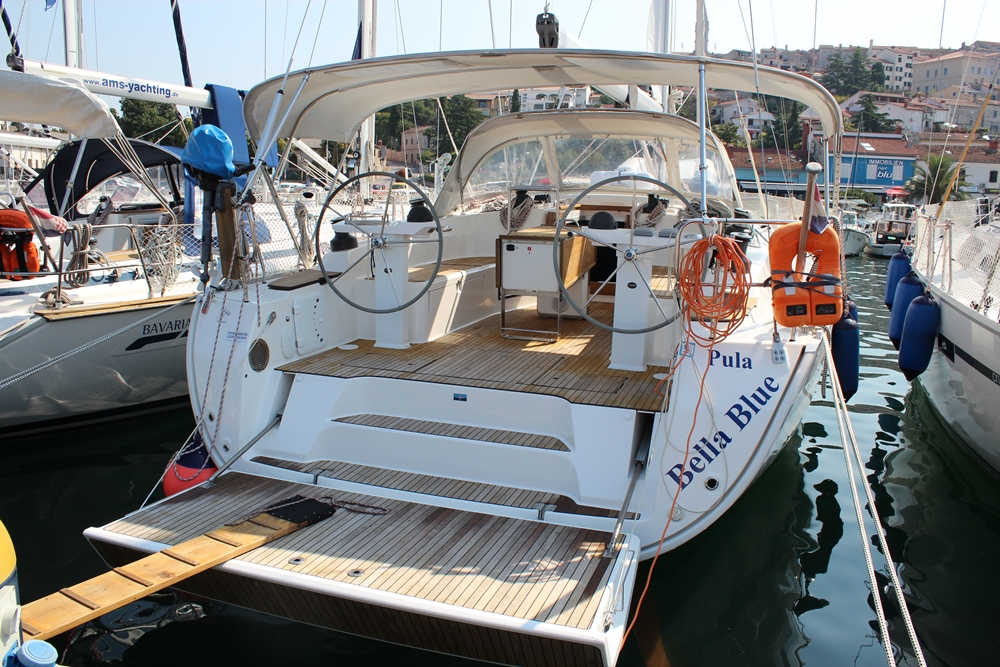 Monohull
Bella Blue
Bavaria Cruiser 45 - 4 cab. · 2013Marina Vrsar, Croatia
8 guests4 cabins14 m
€2,400 / week
+ Compare Catamaran
 Monohull
 Monohull
 Catamaran
 Monohull
 Catamaran
 Monohull
 Catamaran
 Catamaran
 Monohull
 Monohull
 Monohull
 Monohull
 Monohull
 Monohull
 Monohull
 Catamaran
 Monohull
 Monohull
 Monohull
 Motor Yacht
 Monohull
 Monohull
 Monohull
 Monohull
Pula & Kvarner questions
Asked and answered.
What does a week's yacht charter near Pula cost?
A bareboat monohull of 40 to 46ft runs roughly EUR 2,000 to 3,500 a week in the shoulder months and EUR 3,500 to 6,000 in July and August. Catamarans start around EUR 5,000 and climb steeply at peak. On top of the boat, budget for the transit log and cleaning, fuel, food, marina berths and the tourist tax. A skipper adds about EUR 200 to 250 a day.
Do I need a licence to charter bareboat in Croatia?
Yes. The skipper needs a sailing qualification Croatia recognises — an ICC, RYA Day Skipper or an equivalent national certificate — and someone on board must hold a VHF radio operator certificate. Both are checked at the base before you leave. If you do not have them, or your paperwork is in a language the base cannot read, take a skipper for the week. Send us photos of your certificates on WhatsApp and we will confirm before you book.
When is the best time to sail Istria and Kvarner?
June and September. The maestral is reliable, the sea is warm enough to swim, and the harbours are not full. July and August bring the hottest weather and the biggest crowds, particularly on the Istrian coast during Italian and Austrian holidays. May and October sail well but the water is cold and the bura is more likely. The season effectively runs late April to late October.
Where does the charter actually start if Pula has no base?
Boats sail into the Pula area from nearby Istrian marinas — Pomer, Veruda, Rovinj and Umag are the usual ones. You board at whichever of those the yacht is berthed in, generally within half an hour of Pula town. We confirm the exact marina and the check-in time with your booking, and there is parking arranged at each.
Is this a good area for families and first-time charterers?
The Istrian coast is, yes. The hops between Pula, Rovinj, Vrsar and Poreč are 10 to 20nm, there are sheltered anchorages and swimming stops throughout, and towns with something to do ashore in the evening. The Kvarner crossing to Unije is the one exposed leg, and it is easy to leave out. First-timers who want the islands should take a skipper for the week.
Can we sail to Brijuni and how does it work?
Yes. Brijuni is a national park about 3nm off Fažana. You can moor at Veliki Brijun, pay the park entry and mooring fees on arrival, and explore the island on foot or by bike. Rules on anchoring and which bays you may use are set by the park and do change, so check on the day. Fees are price on request — they are the park's, not ours.
How much of a problem is the bura in summer?
Less than in winter, but not nothing. The bura is a north-east wind that drops off the mainland mountains and gusts hard with little warning, and Kvarner is where it hits hardest. In July and August it usually means a day or two of strong wind rather than a week. Watch the forecast, keep west along the Istrian coast when one is signalled, and do not start the Unije crossing on a bura day.
Can I charter a yacht in Pula & Kvarner?
Yes — yachts serving Pula & Kvarner sail from nearby Istra bases, and the fleet list above is live from our operator system. Tell us your dates and we will match you to the right boat.
Bareboat or crewed in Pula & Kvarner?
Both bareboat and crewed yachts sail this coast. Tell us your experience level and we will match you.
How do I get a quote?
Send us your dates, your group and roughly the boat you want. Same day, we reply with real options, real prices and the honest trade-offs.
Talk to an expert
Get three options.
Pula & Kvarner
01Why sail Istria and Kvarner
Pula's harbour sits under a Roman amphitheatre that still has its outer wall standing. You can walk from the quay to it in ten minutes, then be under sail an hour later.
The north Adriatic looks different to Dalmatia. Shallower, greener water — jade rather than the deep blue of the south — pine down to low limestone shores, and far fewer boats once you clear the Fažana channel.
It suits sailors who want a working coast rather than a resort strip. Istrian harbours are fishing towns first. The konobas serve truffle and Boškarin beef inland, fish and Malvazija on the water.
02The sailing grounds
Two distinct areas meet here, and a week can take in both.
West is the Istrian coast — Pula, Rovinj, Vrsar, Poreč, Novigrad, Umag. Short hops of 10 to 20nm, sheltered anchorages behind small islands, and Rovinj's bell tower visible for most of the passage north. The Lim channel cuts 6 miles inland; navigation and anchoring in it are restricted around the shellfish farms, so check the current rules before you plan a night there.
East is Kvarner — open water, then the Lošinj archipelago. Unije, Susak, Ilovik, Mali Lošinj, Cres. Crossing from Pula to Unije is roughly 25nm of exposed water with no bail-out halfway, which makes it the one passage of the week to plan around the forecast rather than the calendar.
Brijuni sits 3nm off Fažana. It is a national park with its own fees and rules; you can moor at Veliki Brijun and walk or cycle the island.
03Season, winds and weather
The charter season runs late April to late October. July and August are hot and busy, with the Istrian coast filling up on Italian and Austrian holidays. June and September are the better sailing months — warm water, lighter crowds, more reliable afternoon breeze.
Three winds matter.
The maestral is the summer workhorse: a north-west thermal that fills in late morning and blows 10 to 15 knots through the afternoon, dying towards evening. It is what most of your sailing will be done on.
The bura is a north-east katabatic wind off the mainland mountains. It arrives fast, gusts hard, and Kvarner is where it does its worst work — the channels along the Velebit shore are notorious. It is mostly a winter and shoulder-season problem, but it can appear in summer for a day or two. Take the forecast seriously and stay west if one is signalled.
The jugo comes from the south-east, builds slowly, brings rain and a real swell, and usually gives you a day's notice.
04Charter types
Pula has no charter base of its own. Boats sail in from the nearby Istrian marinas — Pomer, Veruda, Rovinj, Umag — so your start and finish point is one of those, typically within 30 minutes of Pula town by road.
Bareboat is the standard option: monohulls broadly 38 to 50ft, plus catamarans for groups who want the deck space and the shallower draft for anchoring.
Skippered charter works well here for first-timers, mainly because of the Kvarner crossing and the bura. A local skipper knows which anchorage to move to when the wind backs. Add a hostess for larger groups.
Crewed and luxury yachts are available on request. Tell us the dates and the headcount on WhatsApp and we will come back with what is actually free.
05What it costs
Ranges, not quotes — the real number depends on the boat, the week and how far ahead you book.
Bareboat monohull, 40 to 46ft: roughly EUR 2,000 to 3,500 a week in May, June, late September and October; roughly EUR 3,500 to 6,000 in July and August.
Catamaran: from about EUR 5,000 in the shoulder months, EUR 8,000 to 15,000 at peak.
Skipper: about EUR 200 to 250 a day, plus his food. Hostess similar.
Transit log and end cleaning: usually EUR 250 to 450 on a monohull.
Security deposit: EUR 1,500 to 3,000, or a waiver at a fraction of that.
Marina berth: EUR 60 to 150 a night for a 45ft monohull, higher in the busiest Istrian marinas in August.
Brijuni national park fees: price on request — set by the park, not by us.
Budget separately for fuel, food and the per-person tourist tax. Anchoring most nights takes a serious bite out of the marina line.
06A week from Istria
Seven nights, starting and finishing in the Pula area. Reverse it if the forecast says so.
Day 1 — Pomer or Veruda. Board in the afternoon, provision, and take the short hop to the anchorage off Fratarski otok. Dinner ashore in Pula under the arena if you want the town first.
Day 2 — Brijuni. Up the Fažana channel, about 8nm. Moor at Veliki Brijun, pay the park fee, and cycle the island in the afternoon.
Day 3 — Rovinj. Roughly 20nm north with the maestral on the beam. Anchor off Sveta Katarina for the view of the old town, or take a berth and walk the marble streets in the evening.
Day 4 — Unije. The crossing: about 30nm east across open Kvarner. Go early, before the afternoon wind builds. Unije has one village, one bay and very little else.
Day 5 — Susak and Mali Lošinj. Susak is a sand island, unlike anything else in the Adriatic, then 12nm on to Mali Lošinj and the deepest natural harbour on the coast.
Day 6 — Ilovik or Cres. South to Ilovik for the anchorage between the islands, or north through the Osor bridge — it opens on a published timetable, twice a day, so check the times before you commit.
Day 7 — back west. Roughly 30nm to the Istrian coast. Last night at anchor in Medulin bay or alongside in Pomer.
Day 8 — disembark by 09:00.
07Getting there
Pula airport is 6km from town and takes seasonal flights from across Europe — a good option in July and August, thinner in the shoulder months.
Otherwise fly to Trieste (about 2 hours by road), Venice (3 to 3.5 hours), Rijeka (1.5 hours) or Ljubljana (2.5 hours). Croatia is in Schengen and uses the euro, so there are no border queues or currency changes coming from Italy, Slovenia or Austria.
In season there is a fast catamaran between Venice and the Istrian ports. Driving is straightforward and parking at the marinas is arranged with the booking.
08Who this suits
Right for sailors who want short hops, real towns and water that is not shoulder-to-shoulder in August. Right for families, on the Istrian coast at least.
Less right if you want deep-blue Dalmatian water, or if a strong bura forecast in your only free week would ruin the holiday. Kvarner asks for a little more attention than the Kornati.