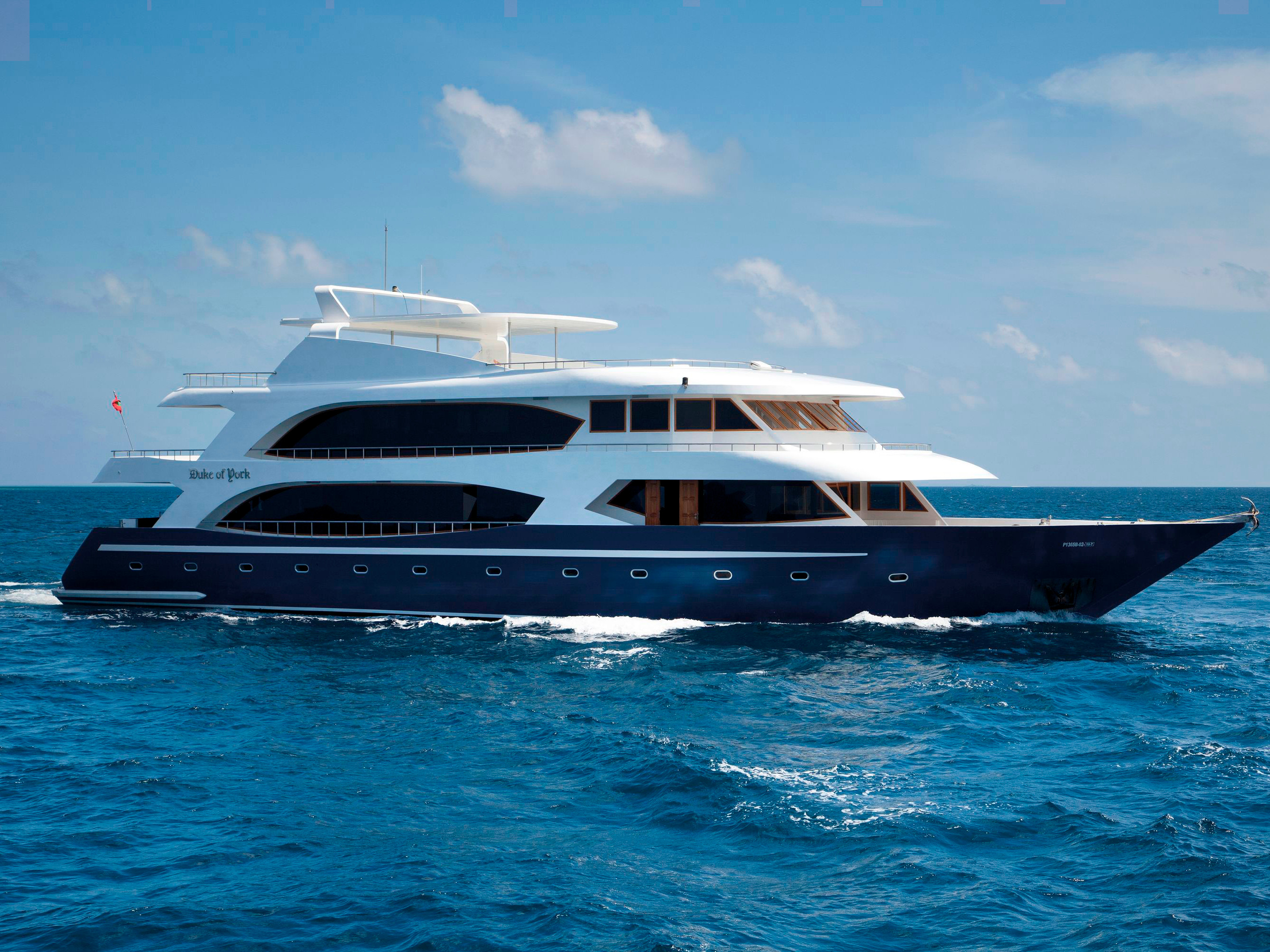
 Motor yacht
Sail Maldives.
The Charter Desk arranges bareboat, skippered and crewed yacht charters across the Mediterranean and the Caribbean, with live availability and a real person on the other end of every enquiry.
Maldives · Bareboat
Motor yacht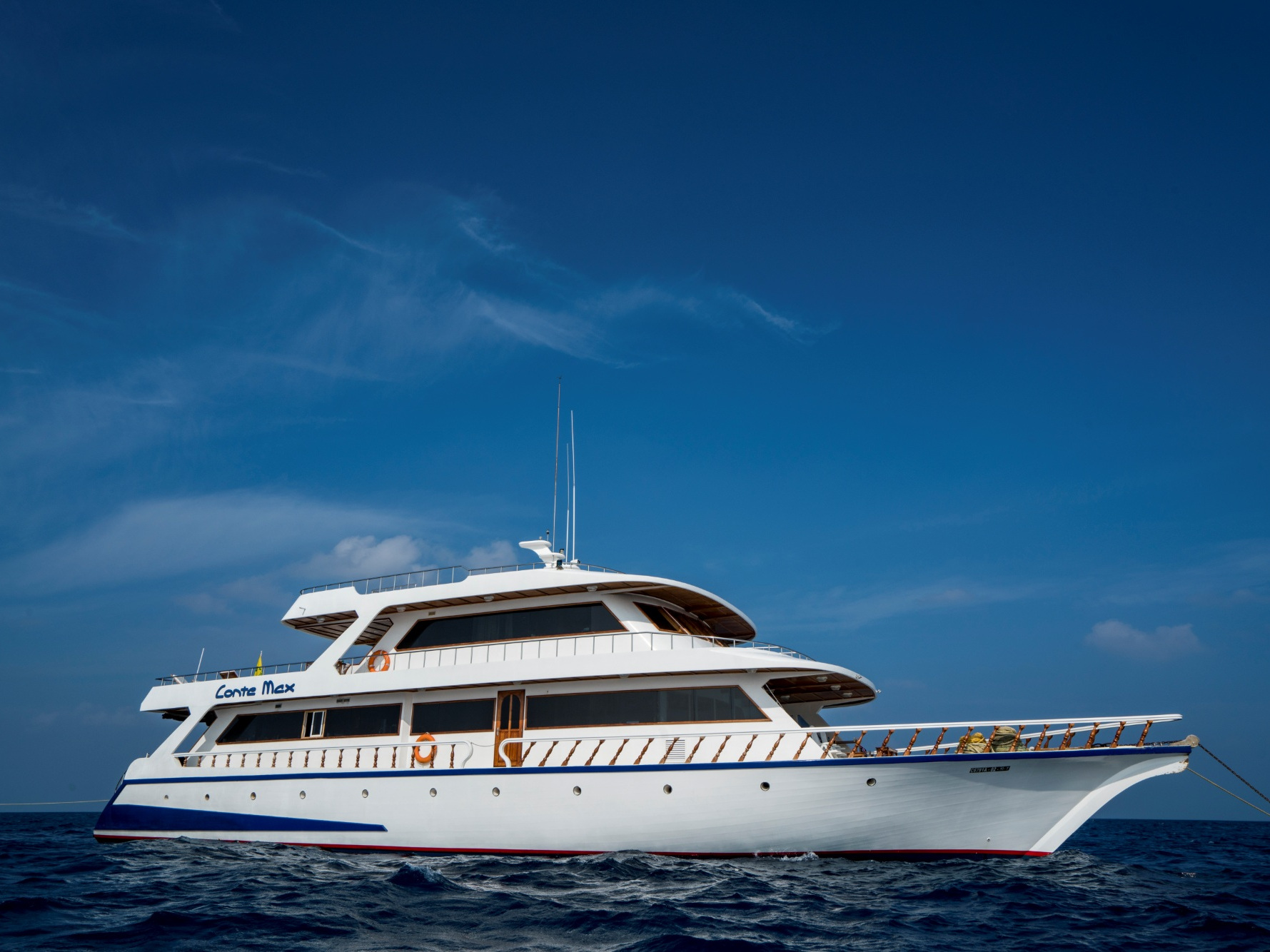 Motor yacht
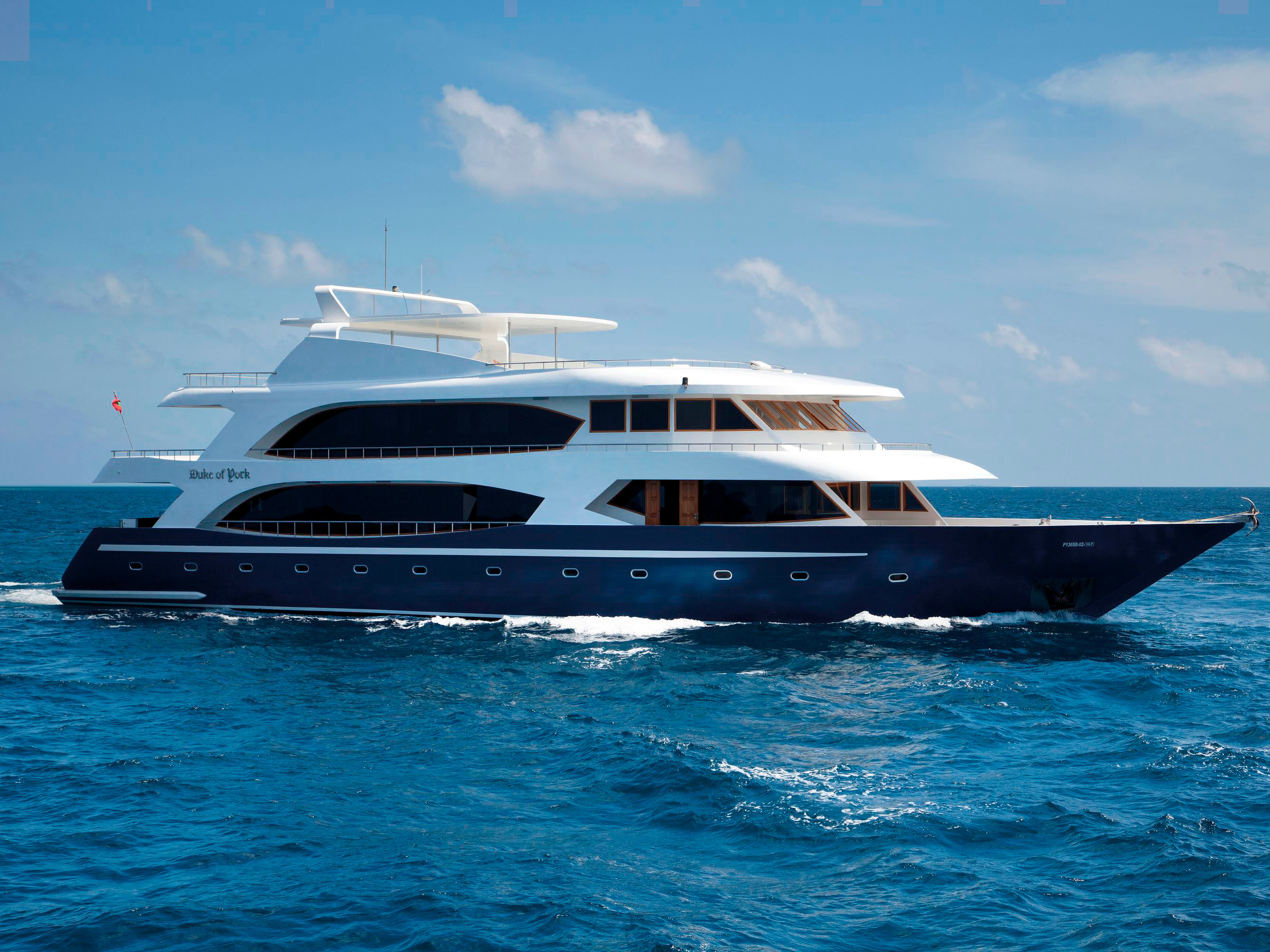 Motor yacht
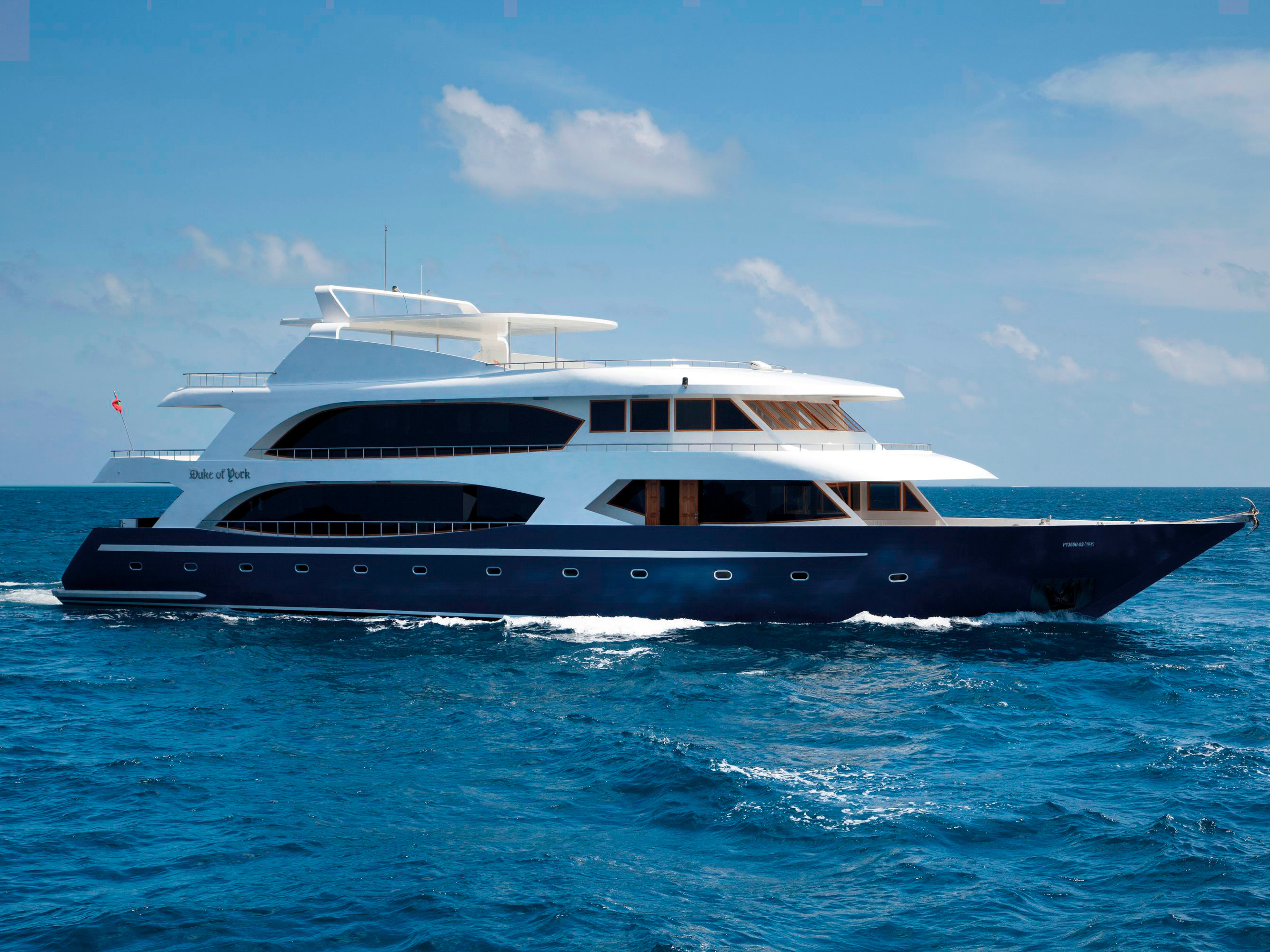 Motor yacht
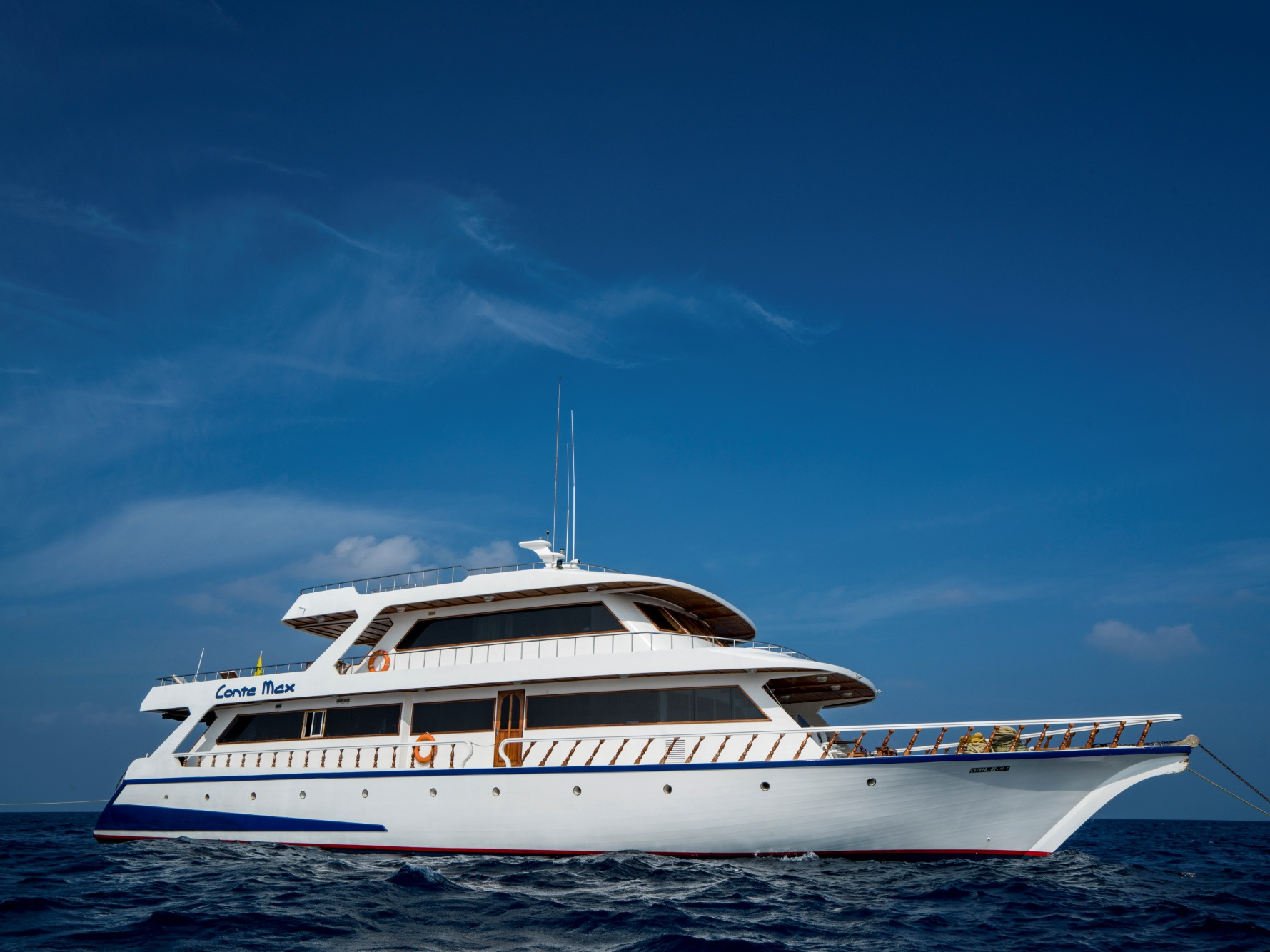 Motor yacht
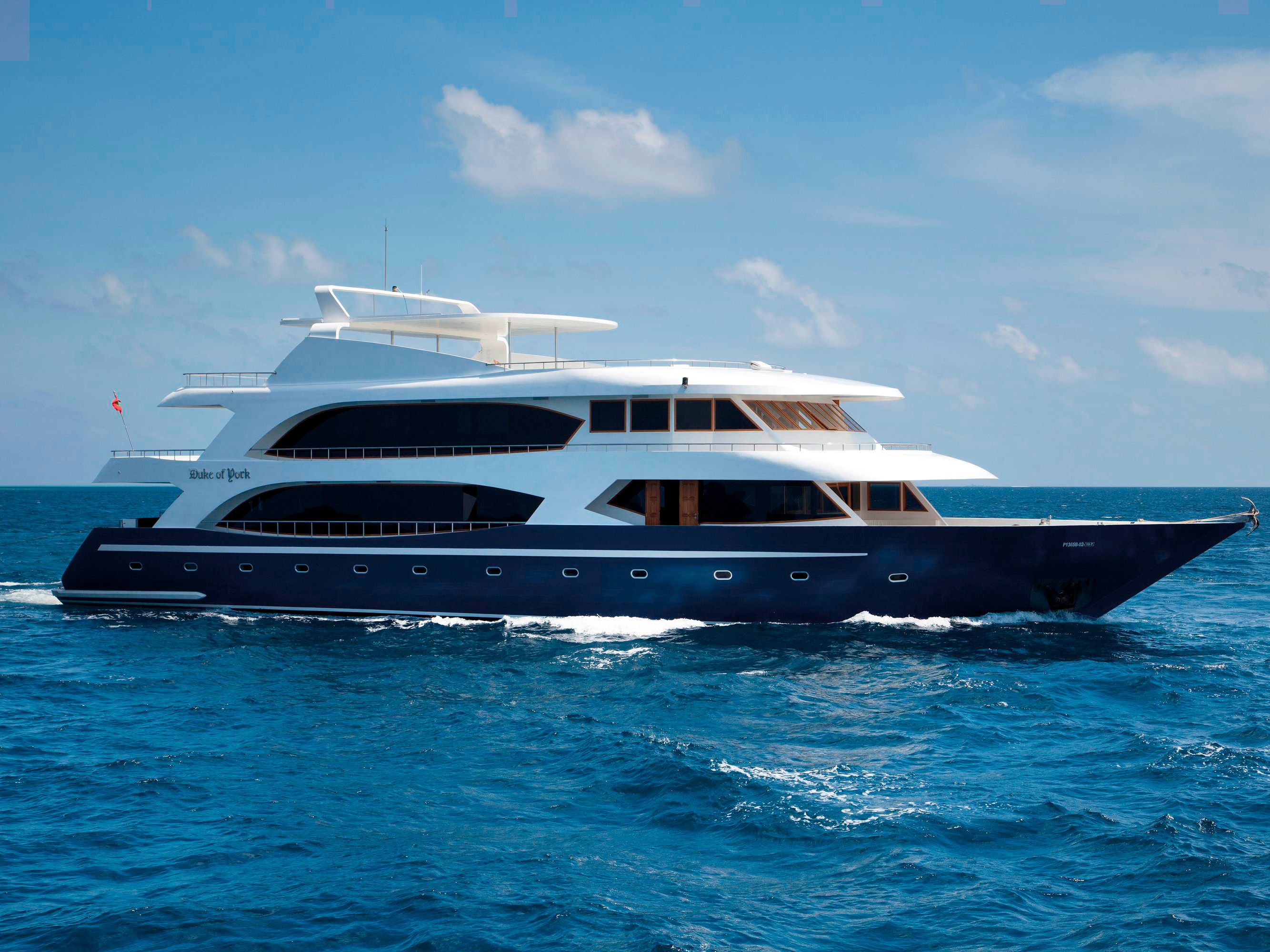 Motor yacht
Can I bareboat without a licence?
No. ICC, RYA Day Skipper or equivalent + VHF is required. If you don't have one, book skippered — same yacht, our captain drives.
What if something breaks?
Call the base. Minor stuff (a winch, a marker buoy) you fix yourself; major stuff (engine, rig, sail damage) the base handles. Damage deposit covers your-fault; insurance covers everything else.
Do I get a briefing?
Yes — 90-minute walkthrough on Saturday morning. Boat systems, chart pack, local rules. Bring all licensed skippers.
How much should I budget on top of the week-rate?
Plan for +25-40%. Damage deposit (refundable, ~€2,500), fuel (~€250), marina fees if you berth (€80-180/night), tourist tax (€2/person/night), food + drink. Frugal week +20%, luxe week +60%.
Can I one-way?
Sometimes — there's a one-way fee (€200-€600). Croatia and Greece have good one-way options; Caribbean rarely.
Maldives · Bareboat.
The Maldives isn't a place you sail between harbours. It's a chain of coral atolls scattered across the Indian Ocean, and the only sensible way to see more than one is by boat. From the deck you swap the single-island resort life for a moving base camp: anchor off an uninhabited sandbank at lunch, dive a channel on the afternoon current, tie up near a fishing village at dusk. The water is the draw — visibility often runs 20-30m, and the reef starts a few metres from where you drop the hook. This suits divers, snorkellers, and anyone who'd rather wake up somewhere new than fly home from the same beach they arrived on.
Sailing it yourself — licences, navigation and anchorages
Bareboat means you skipper. You'll need a recognised licence (ICC + VHF, RYA Day Skipper or ASA 104+) and a confident hand aboard — if no one on the crew is qualified, take the same yacht skippered and our captain drives.
We brief you on the local navigation: the channels and headlands that funnel the wind, where to anchor versus take a mooring, provisioning ports, and the best first-timer route versus the longer run for experienced crews.