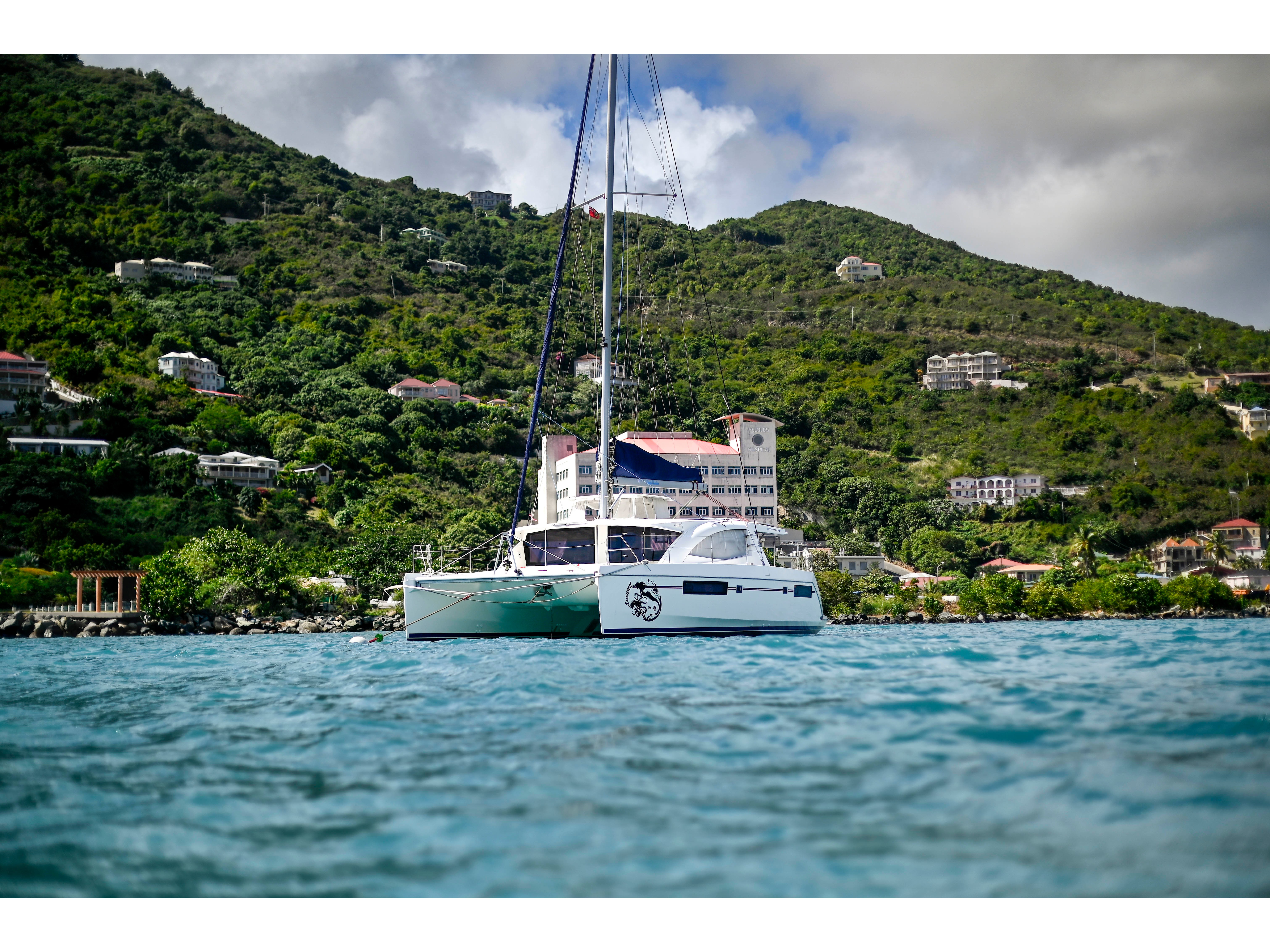
 Sailing catamaran
Sail British Virgin Islands.
The Charter Desk arranges bareboat, skippered and crewed yacht charters across the Mediterranean and the Caribbean, with live availability and a real person on the other end of every enquiry.
British Virgin Islands · Bareboat
Sailing catamaran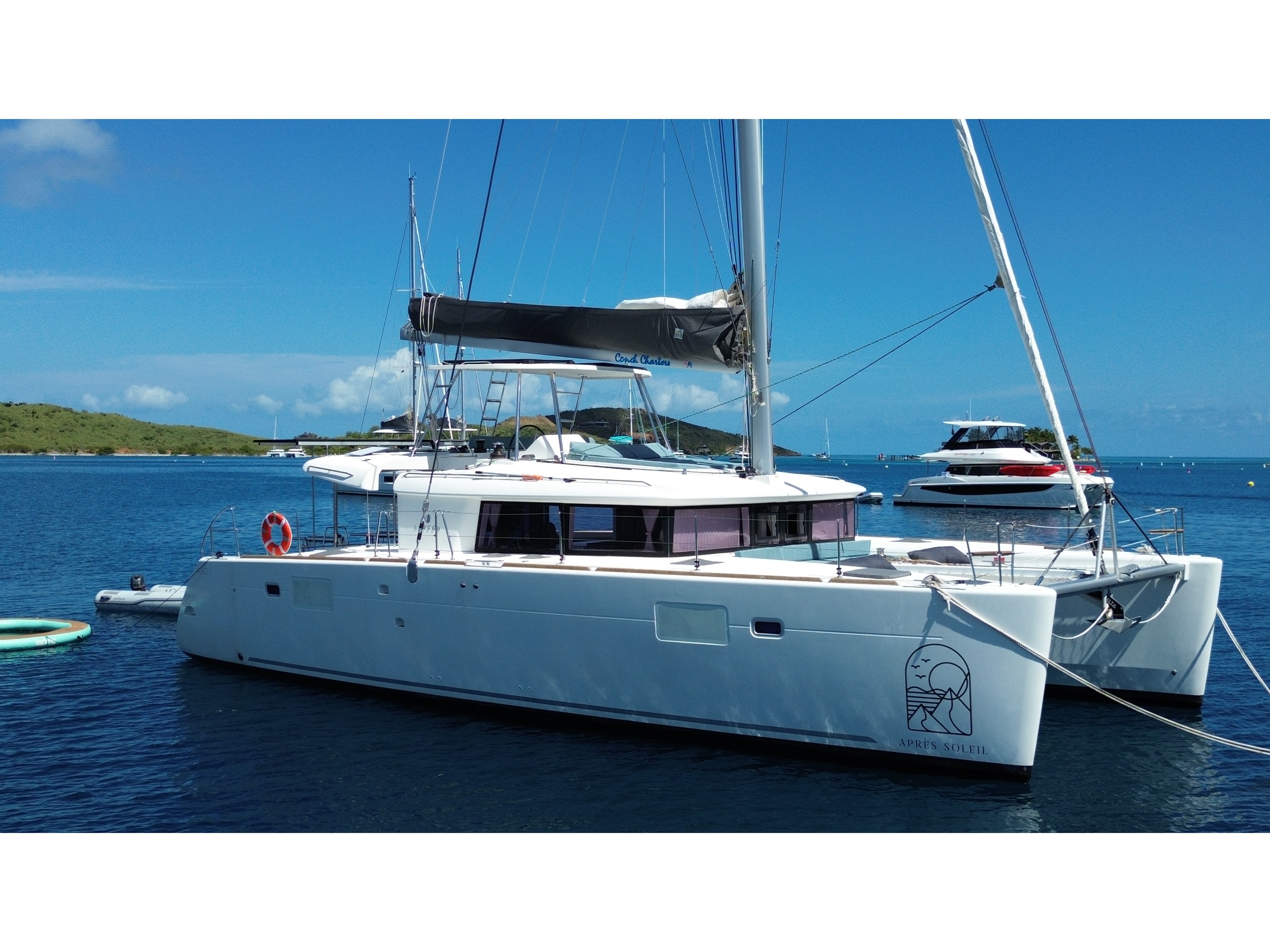 Sailing catamaran
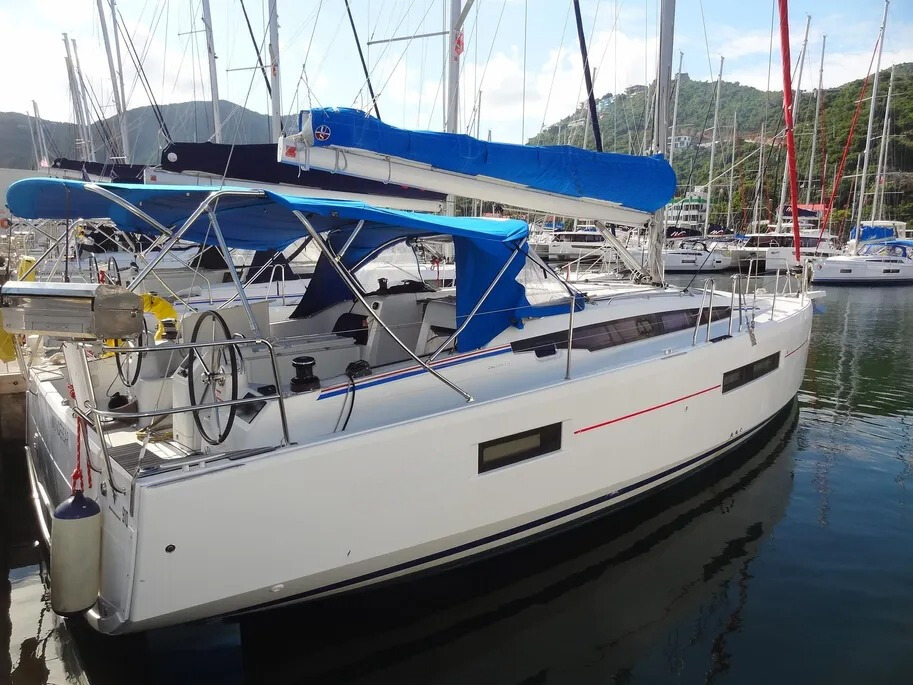 Sailing yacht
 Sailing catamaran
 Sailing catamaran
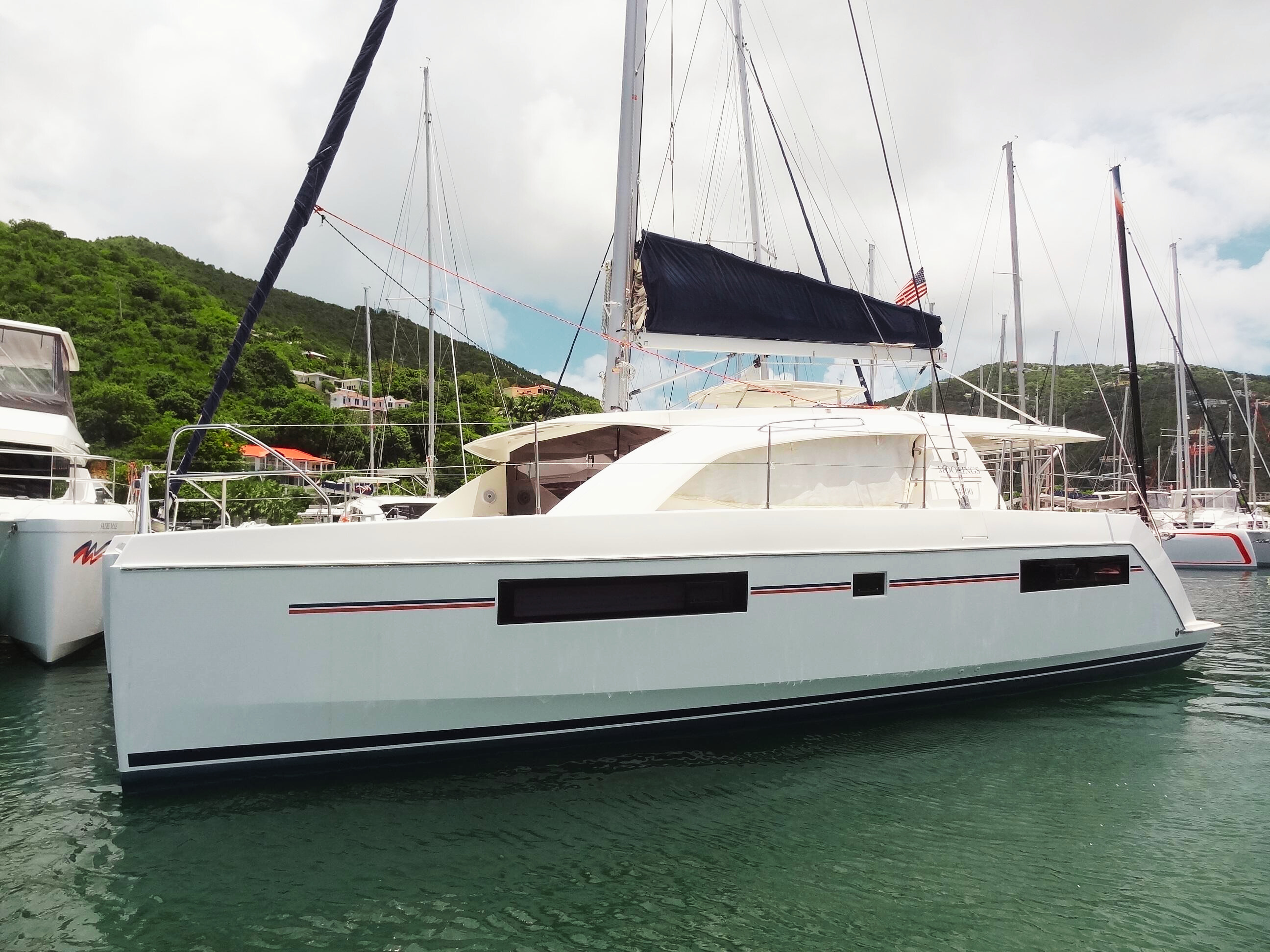 Sailing catamaran
Can I bareboat without a licence?
No. ICC, RYA Day Skipper or equivalent + VHF is required. If you don't have one, book skippered — same yacht, our captain drives.
What if something breaks?
Call the base. Minor stuff (a winch, a marker buoy) you fix yourself; major stuff (engine, rig, sail damage) the base handles. Damage deposit covers your-fault; insurance covers everything else.
Do I get a briefing?
Yes — 90-minute walkthrough on Saturday morning. Boat systems, chart pack, local rules. Bring all licensed skippers.
How much should I budget on top of the week-rate?
Plan for +25-40%. Damage deposit (refundable, ~€2,500), fuel (~€250), marina fees if you berth (€80-180/night), tourist tax (€2/person/night), food + drink. Frugal week +20%, luxe week +60%.
Can I one-way?
Sometimes — there's a one-way fee (€200-€600). Croatia and Greece have good one-way options; Caribbean rarely.
British Virgin Islands · Bareboat.
The British Virgin Islands are the closest thing to easy blue-water sailing you'll find. Most days you can see your next anchorage from the one you left. The Sir Francis Drake Channel runs the length of the archipelago, sheltered on both sides by a chain of green hills, so the water stays flat while the trades give you a proper sail. You drop the mooring after breakfast, sail two or three hours, and you're swimming by lunch. That's the pattern for a week, and it's why the BVI has been a first-charter classic for decades. We sail here because it forgives — good holding, marked hazards, help never far off — without being dull.
Sailing it yourself — licences, navigation and anchorages
Bareboat means you skipper. You'll need a recognised licence (ICC + VHF, RYA Day Skipper or ASA 104+) and a confident hand aboard — if no one on the crew is qualified, take the same yacht skippered and our captain drives.
We brief you on the local navigation: the channels and headlands that funnel the wind, where to anchor versus take a mooring, provisioning ports, and the best first-timer route versus the longer run for experienced crews.